
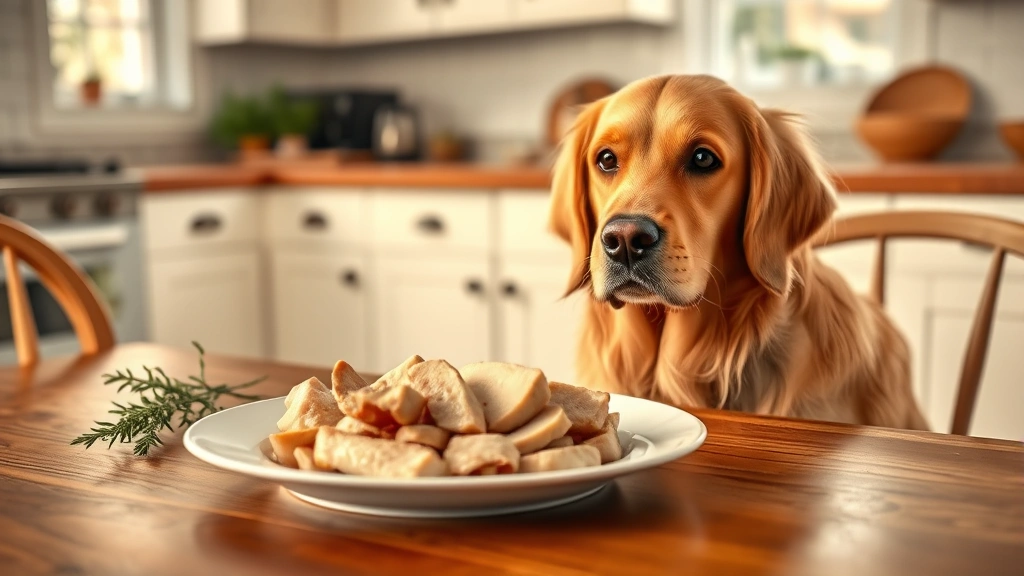
So you’re sitting at the dinner table with your pup giving you those irresistible puppy dog eyes, and you’re wondering: is turkey good for dogs? The short answer? Yes, turkey can be a fantastic protein source for your furry friend—but there are some serious caveats you need to know before you start tossing turkey scraps under the table.
Table of Contents
- Why Turkey is Actually Good for Dogs
- The Dangerous Turkey Preparation Methods You Must Avoid
- Safe Turkey for Dogs: The Plain, Simple Truth
- Turkey Bones: A Hard No
- Turkey Skin and Fat: Why Your Dog’s Pancreas Will Hate You
- Ground Turkey: A Convenient Option
- Turkey and Digestive Health: What to Expect
- Turkey as Part of a Balanced Diet
- Holiday Season Turkey Safety Tips
- Turkey Alternatives and Comparisons
- Frequently Asked Questions
- The Bottom Line: Turkey Can Be Great for Dogs (When Prepared Right)
Turkey is packed with lean protein, B vitamins, and selenium, making it one of the better human foods you can share with your canine companion. However, the way you prepare it and what parts you give matter enormously. Let’s dig into everything you need to know about feeding turkey to dogs safely.
Why Turkey is Actually Good for Dogs
Turkey is legitimately one of the better protein sources from human food you can offer your dog. It’s lean, it’s digestible, and most dogs find it absolutely delicious. The protein in turkey supports muscle development and maintenance, which is essential for dogs of all ages and activity levels.
Beyond protein, turkey contains niacin (vitamin B3), which supports energy metabolism, and selenium, a powerful antioxidant. These nutrients contribute to overall health, immune function, and can even help maintain a shiny coat. If you’re looking to supplement your dog’s diet with whole foods, turkey is genuinely one of the safest options available.
The key advantage? Turkey is hypoallergenic compared to chicken or beef, making it an excellent choice for dogs with food sensitivities. Many premium dog foods actually use turkey as their primary protein for this exact reason.
The Dangerous Turkey Preparation Methods You Must Avoid
Here’s where things get tricky. The turkey sitting on your Thanksgiving table? The one that’s been slathered in butter, stuffed with seasoning, and basted with gravy? That’s basically poison for your dog, and I’m not exaggerating.
Seasoned, roasted turkey with garlic, onions, and excessive salt can cause serious health problems. Garlic and onions are toxic to dogs because they contain compounds that damage red blood cells. Even small amounts can cause hemolytic anemia, where your dog’s body destroys its own red blood cells. The symptoms might not show up immediately, which makes it even more dangerous.
Fatty turkey skin is another culprit. While a tiny bit won’t kill your dog, excessive fat can trigger pancreatitis—an inflammation of the pancreas that’s incredibly painful and potentially life-threatening. Dogs have a much lower fat tolerance than humans, and that crispy, delicious skin is basically concentrated fat.
Gravy, stuffing, and other holiday sides are absolute no-go zones. These typically contain onions, garlic, excessive sodium, and sometimes xylitol (an artificial sweetener that’s deadly for dogs). One bowl of gravy could send your dog to the emergency vet.
Safe Turkey for Dogs: The Plain, Simple Truth
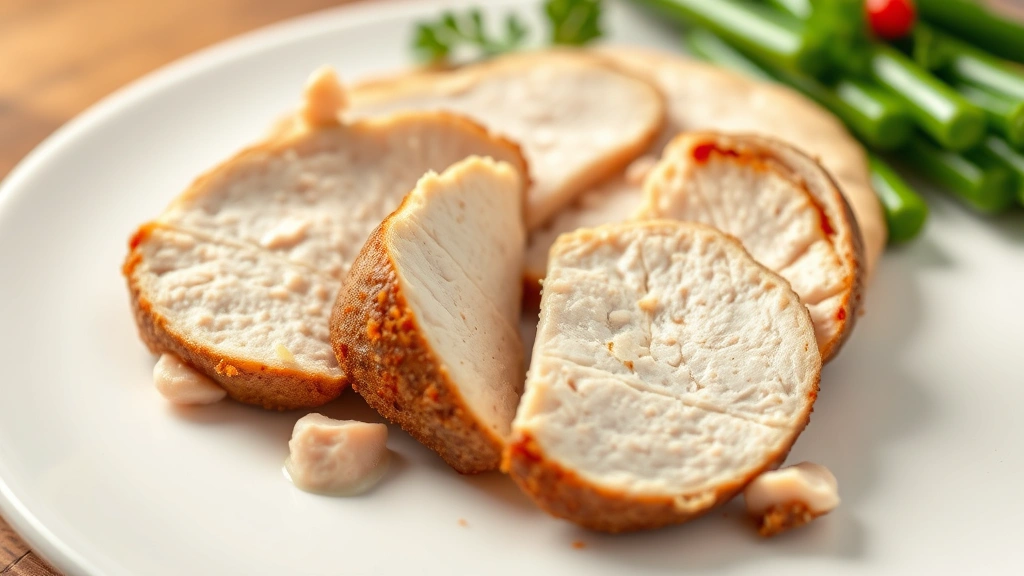
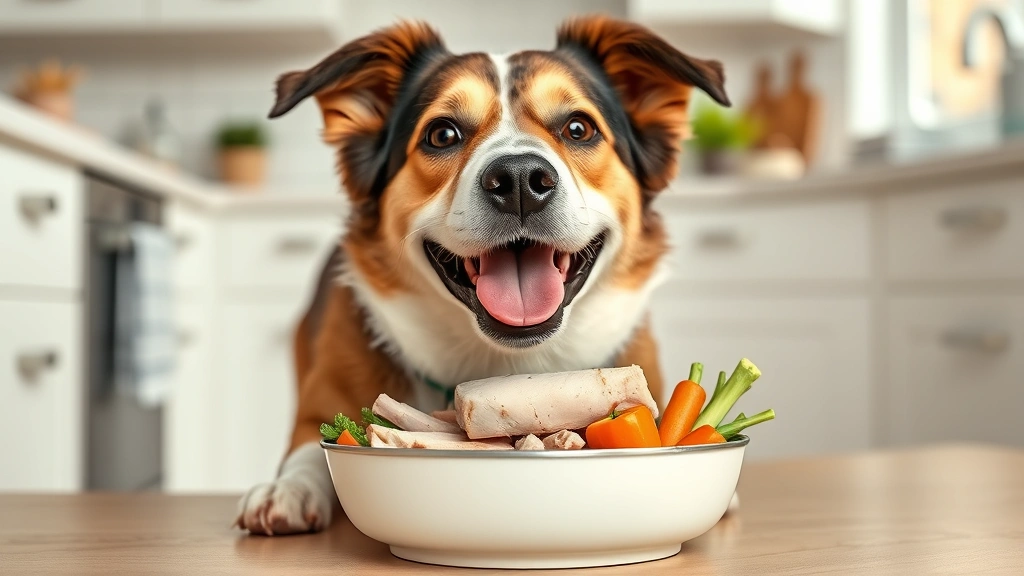
So what can you actually give your dog? Plain, unseasoned, cooked turkey meat—that’s it. No salt, no seasoning, no skin, no bones. Just the meat.
The best approach is to cook a portion of turkey specifically for your dog without any additions. Boiling or baking plain turkey breast is ideal. Let it cool completely, remove any bones (cooked bones splinter and can perforate the digestive tract), and cut it into appropriate-sized pieces for your dog.
For small dogs, bite-sized pieces work best. For larger breeds, you can offer slightly bigger chunks. The amount depends on your dog’s size and regular diet—turkey should be a treat or supplement, not a meal replacement. A good rule of thumb is that treats (including turkey) shouldn’t exceed 10% of your dog’s daily caloric intake.
Turkey Bones: A Hard No
Let me be absolutely clear: never give your dog cooked turkey bones. Cooked bones become brittle and splinter easily, and those sharp fragments can cause serious intestinal damage, blockages, or perforations. Even raw turkey bones pose risks for large dogs that might swallow them without proper chewing.
If you’re tempted to give your dog a turkey bone to gnaw on, choose a raw bone under supervision, and never leave your dog unattended with it. Better yet, skip the bones entirely and stick with boneless meat.
Turkey Skin and Fat: Why Your Dog’s Pancreas Will Hate You
That crispy, golden turkey skin? It’s basically pure fat wrapped in deliciousness. Your dog might love it, but their pancreas definitely won’t.
Pancreatitis in dogs is no joke. Symptoms include vomiting, diarrhea, abdominal pain, lethargy, and loss of appetite. In severe cases, it can be fatal. Even if your dog survives acute pancreatitis, they might develop chronic pancreatitis, requiring a special low-fat diet for life.
Some dogs are more susceptible than others. Miniature Schnauzers, Cocker Spaniels, and overweight dogs are at higher risk. If your dog falls into these categories, avoid turkey skin entirely. For other dogs, an occasional tiny piece won’t cause problems, but it’s not worth the risk.
Ground Turkey: A Convenient Option
Ground turkey can be a convenient way to add turkey to your dog’s diet. Cook it plain with no seasoning, drain excess fat, and mix it with their regular food or serve as a topper. This works especially well if you’re making homemade dog biscuits or preparing balanced home-cooked meals for your pup.
Ground turkey is also useful for dogs with picky appetites or those recovering from illness. The familiar smell and taste often encourage dogs to eat when they’re not feeling great. Just remember to keep portions appropriate and maintain the plain, unseasoned approach.
Turkey and Digestive Health: What to Expect
Introducing any new food, including turkey, should be done gradually. Some dogs have sensitive stomachs, and a sudden influx of a new protein can cause diarrhea or vomiting.
Start with a small amount—maybe a tablespoon for small dogs, a few tablespoons for larger dogs—and mix it with their regular food. Wait 24-48 hours and observe for any digestive upset. If everything looks good, you can gradually increase the amount over a week.
Most dogs tolerate plain turkey beautifully, but if your dog has a history of digestive issues or food allergies, check with your vet before introducing it. Turkey is generally easier to digest than fattier meats, which is another reason it’s such a good choice for dogs with sensitive systems.
Turkey as Part of a Balanced Diet
While turkey is nutritious, it shouldn’t replace your dog’s complete and balanced commercial diet. Dogs require specific ratios of protein, fat, vitamins, and minerals that turkey alone can’t provide.
Think of turkey as a supplement or occasional treat, not a dietary staple. If you’re interested in incorporating more whole foods into your dog’s diet, consider working with a veterinary nutritionist to create a balanced meal plan. They can help you understand exactly how much turkey and other foods to include while maintaining proper nutrition.
Turkey can be part of immune boosting foods for pets when combined with other nutrient-dense options like sweet potatoes and safe vegetables for dogs.
Holiday Season Turkey Safety Tips
Thanksgiving and Christmas are when most turkey-related dog emergencies happen. Here’s how to keep your pup safe during the holidays:
1. Keep turkey scraps out of reach. Use a secure trash can that your dog can’t access. Many dogs will dig through garbage for turkey, and you don’t want them finding seasoned bones or fatty skin.
2. Inform guests not to feed your dog. Well-meaning relatives often sneak food to dogs. Be explicit that your dog can’t have seasoned turkey or bones.
3. Prepare a plain turkey portion specifically for your dog ahead of time. This way, you can include them in the meal without worrying about what they’re eating.
4. Watch for signs of pancreatitis. If your dog ate something questionable, monitor for vomiting, diarrhea, or abdominal pain. Contact your vet immediately if you notice these symptoms.
5. Keep your vet’s emergency number handy. Holiday offices close early, and emergency vets are expensive, but they’re worth it if your dog gets into something dangerous.
Turkey Alternatives and Comparisons
If you’re looking for other protein options, chicken and beef are also safe (when plain and unseasoned). However, turkey has a slight edge for dogs with food sensitivities due to its hypoallergenic properties.
Fish like salmon and white fish are excellent alternatives and provide omega-3 fatty acids for coat health. Eggs are another fantastic protein source that most dogs love.
Check out our guide on harmful foods for dogs to understand what other human foods to avoid, and our article on skin and coat health foods for more nutritious options.
Frequently Asked Questions
Can dogs eat turkey every day?
While turkey is safe, feeding it daily isn’t ideal. It should be an occasional treat or supplement, not a meal replacement. Daily turkey could lead to nutritional imbalances since it lacks certain vitamins and minerals dogs need. Once or twice a week is a reasonable frequency for most dogs.
Is turkey better for dogs than chicken?
Turkey and chicken are similarly nutritious, but turkey has a slight advantage for dogs with food sensitivities due to being less allergenic. Both are safe when plain and unseasoned. Choose based on your dog’s individual needs and preferences.
How much turkey can I give my dog?
The amount depends on your dog’s size and regular diet. As a general rule, treats (including turkey) shouldn’t exceed 10% of daily caloric intake. For a 50-pound dog, this might mean 1-2 ounces of turkey per day. For smaller dogs, adjust accordingly. When in doubt, ask your vet for specific recommendations.
What should I do if my dog ate seasoned turkey?
Don’t panic immediately. Small amounts of seasoning usually won’t cause serious problems. However, monitor your dog closely for symptoms like vomiting, diarrhea, lethargy, or abdominal pain. If your dog ate turkey with garlic or onions, call your vet even if they seem fine—toxicity can take time to show. If your dog ate a lot of fatty skin, watch for pancreatitis symptoms.
Can puppies eat turkey?
Yes, puppies can eat plain, unseasoned turkey. It’s actually an excellent protein source for growing dogs. However, keep portions small and introduce it gradually. Puppies have sensitive digestive systems, so monitor for any upset. Always ensure turkey supplements a complete puppy food formula, not replaces it.
Is turkey good for senior dogs?
Absolutely. Turkey is an excellent choice for senior dogs because it’s lean, easy to digest, and provides quality protein for maintaining muscle mass as dogs age. Senior dogs often benefit from high-quality protein sources, making turkey a smart addition to their diet.
The Bottom Line: Turkey Can Be Great for Dogs (When Prepared Right)
So, is turkey good for dogs? Yes, absolutely—but only when it’s plain, unseasoned, boneless, and skinless. The turkey you eat at dinner isn’t the turkey your dog should eat, and that’s the critical distinction.
Plain turkey offers excellent nutrition, is generally well-tolerated, and makes a great occasional treat. The risks come entirely from preparation methods and what’s added to the turkey, not from the meat itself.
This holiday season, if you want to include your furry friend in the festivities, cook a plain turkey portion specifically for them. Your dog will be just as happy, and you’ll have the peace of mind knowing you’re not putting their health at risk. That’s a win-win in my book.





