

So your pup’s been eyeing that bottle of vegetable glycerin in your kitchen, and you’re wondering: is vegetable glycerin safe for dogs? The short answer? Yes, but with some important caveats that every dog parent needs to know.
Table of Contents
- What Exactly Is Vegetable Glycerin?
- Is Vegetable Glycerin Toxic to Dogs?
- The Xylitol Problem: What You Must Avoid
- Safe Uses of Vegetable Glycerin for Dogs
- How Much Vegetable Glycerin Is Safe for Dogs?
- Dogs with Special Health Conditions
- Reading Labels Like a Pro
- Homemade Dog Treats with Vegetable Glycerin
- Comparing Vegetable Glycerin to Other Sweeteners
- When to Call Your Veterinarian
- The Bottom Line on Vegetable Glycerin Safety
- Frequently Asked Questions
Vegetable glycerin is a sweet, syrupy liquid derived from vegetable oils, and it’s popping up everywhere—from dog treats to supplements to homemade peanut butter recipes. But just because something is “natural” doesn’t mean it’s automatically safe for our four-legged friends. Let’s dig into what you really need to know before giving your dog anything containing this ingredient.
What Exactly Is Vegetable Glycerin?
Vegetable glycerin (also called glycerol or glycerin) is a clear, odorless liquid extracted from plant oils through a hydrolysis process. It’s sweet-tasting, which is why it shows up in so many pet products and treats. Unlike propylene glycol (which is toxic to dogs), vegetable glycerin is derived from natural plant sources and is generally recognized as safe by the FDA.
Think of it as nature’s candy syrup—except it’s not actually sugar. This makes it appealing for pet product manufacturers who want to create tasty treats without spiking your dog’s blood sugar. You’ll find it in everything from dog biscuits to liquid supplements to homemade treat recipes.
Is Vegetable Glycerin Toxic to Dogs?
Here’s the good news: vegetable glycerin itself is not toxic to dogs. The ASPCA and most veterinarians agree that it’s safe for canine consumption in appropriate amounts. It’s a common ingredient in commercial dog treats and supplements, and it’s been used safely in pet products for years.
However—and this is a big however—there’s a critical distinction you need to make. Some products marketed as “glycerin” actually contain xylitol, a sugar alcohol that is extremely toxic to dogs. This is where things get dangerous. Xylitol can cause rapid insulin release, leading to hypoglycemia, liver damage, and even death in dogs. Always check the ingredient list carefully to ensure you’re dealing with vegetable glycerin, not xylitol.
The Xylitol Problem: What You Must Avoid
This is the part that keeps veterinarians up at night. Many well-meaning pet owners have accidentally poisoned their dogs by giving them products containing xylitol, thinking they were giving them safe, sugar-free treats. Xylitol is sometimes listed as “glycerin” or “natural sweetener” on labels, which is incredibly confusing.
Xylitol toxicity in dogs can cause symptoms within 30 minutes to 12 hours, including vomiting, lethargy, loss of coordination, and seizures. If you suspect your dog has ingested xylitol, contact your veterinarian or poison control immediately. This is not something to wait out—it requires emergency medical attention.
Always read ingredient labels thoroughly. If you see xylitol listed anywhere, don’t give it to your dog. When in doubt, contact the manufacturer to confirm whether their “glycerin” product contains xylitol.
Safe Uses of Vegetable Glycerin for Dogs
When you’re confident you have genuine vegetable glycerin (not xylitol), there are several safe ways to use it for your pup. Many dog owners use it as a binding agent in homemade treat recipes, similar to how you might use it in human baking. It helps hold ingredients together without adding empty calories.
Vegetable glycerin is also found in many commercial dog treats and supplements. It acts as a preservative and sweetener, making supplements more palatable for picky eaters. Some pet owners use small amounts in hypoallergenic treat recipes to create moisture and texture without triggering allergies.
The key is moderation. While vegetable glycerin is safe, it’s still a calorie-dense ingredient. A tablespoon contains roughly 20 calories, so you don’t want it making up a huge portion of your dog’s daily intake.
How Much Vegetable Glycerin Is Safe for Dogs?
There’s no official “maximum daily dose” for vegetable glycerin in dogs, but veterinarians generally recommend using it sparingly. For a typical 50-pound dog, a teaspoon or two mixed into food or treats is perfectly safe. For smaller dogs, use even less.
Think of it like seasoning—you’re using it to enhance flavor and texture, not as a primary ingredient. If you’re making homemade treats, vegetable glycerin should comprise no more than 5-10% of the recipe by weight. This keeps your dog getting the nutritional benefit of the main ingredients (like safe vegetables for dogs) without excess calories.
Always introduce new ingredients gradually, including vegetable glycerin. Some dogs might experience mild digestive upset if you suddenly change their diet, even with safe ingredients.
Dogs with Special Health Conditions
If your dog has diabetes, obesity, or digestive sensitivities, you should be extra cautious with vegetable glycerin. Even though it’s not sugar, it’s still a concentrated source of calories that could impact blood glucose levels in diabetic dogs.
Dogs with pancreatitis or other digestive issues might also struggle with glycerin’s sweet, syrupy nature. Always consult your veterinarian before introducing new ingredients if your dog has any underlying health conditions. Your vet knows your dog’s medical history and can give you personalized advice that’s better than any generic internet guide.
For dogs with toxic vegetable sensitivities or specific dietary restrictions, make sure any products you’re using are free from other problematic ingredients as well.
Reading Labels Like a Pro
This is where your detective skills come in handy. When shopping for dog treats or supplements, scan the ingredient list for these red flags:
- Xylitol (the big no-no)
- Sorbitol or maltitol (other sugar alcohols that can cause digestive upset)
- Artificial sweeteners (unnecessary and potentially problematic)
- Corn syrup or high fructose corn syrup (not ideal for dogs)
Look for products that specifically say “vegetable glycerin” and list it clearly on the ingredient label. If the label is vague or you can’t find detailed ingredient information, contact the manufacturer. A reputable company will be happy to clarify what’s in their products.
Homemade Dog Treats with Vegetable Glycerin
Many dog owners love making homemade treats, and vegetable glycerin can be a great addition to your pet treat recipes. It helps bind ingredients together and adds moisture without requiring eggs (which some dogs are allergic to).
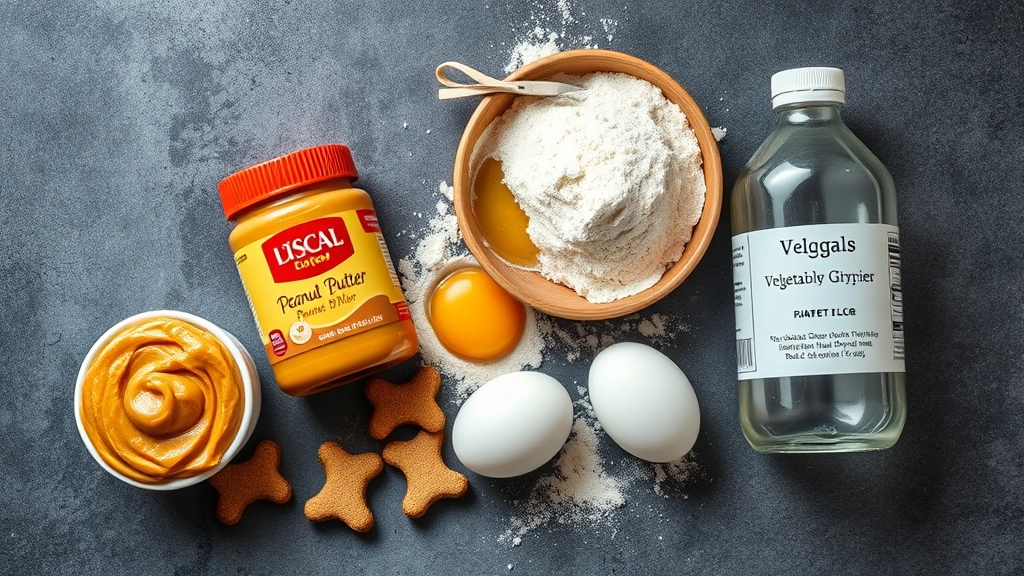
A simple homemade treat might combine:
- 1 cup whole wheat flour (or grain-free alternative)
- 1/2 cup peanut butter (make sure it’s xylitol-free!)
- 1 tablespoon vegetable glycerin
- 1 egg (optional)
- Water as needed for consistency
Mix, roll out, cut into shapes, and bake at 350°F for 15-20 minutes. Your dog will think you’re a treat-making genius, and you’ll know exactly what’s going into their snacks.
Comparing Vegetable Glycerin to Other Sweeteners
When deciding whether to use vegetable glycerin in dog treats, it helps to understand how it stacks up against alternatives. Here’s the quick rundown:
- Honey: Safe for dogs (except puppies under 1 year), but higher in natural sugars
- Pumpkin puree: Excellent for dogs, adds fiber and nutrients
- Applesauce: Safe and adds natural sweetness
- Banana: Safe in moderation, adds potassium and natural sweetness
- Xylitol: TOXIC—never use
- Stevia: Generally safe but controversial; check with your vet
Vegetable glycerin sits in a middle ground—it’s safe and shelf-stable, making it convenient for treat-making and commercial products. But it’s not nutritionally superior to whole food alternatives.

When to Call Your Veterinarian
If your dog has consumed a product containing vegetable glycerin and is showing any concerning symptoms, contact your vet immediately. Symptoms to watch for include:
- Vomiting or diarrhea
- Lethargy or unusual behavior
- Loss of appetite
- Trembling or seizures
- Difficulty walking or loss of coordination
These symptoms could indicate xylitol poisoning or another issue entirely, but they warrant professional evaluation. Better to call and feel silly than to miss something serious. Your veterinarian can also provide guidance on appropriate treat options for your specific dog, especially if your pup has vet-approved human foods restrictions.
If you’re uncertain about whether a specific product is safe, consider scheduling a virtual vet consultation for diet questions to get professional guidance.
The Bottom Line on Vegetable Glycerin Safety
Yes, vegetable glycerin is safe for dogs when used appropriately and when you’re certain you have genuine vegetable glycerin, not xylitol or other harmful sweeteners. It’s a useful ingredient in commercial treats and homemade recipes, and it won’t hurt your dog in reasonable amounts.
The real danger lies in confusion with xylitol and in overusing any concentrated sweetener. Keep vegetable glycerin as a minor ingredient in your dog’s diet, always read labels carefully, and when in doubt, ask your veterinarian. Your dog’s health is worth the extra diligence.
Frequently Asked Questions
Can I give my dog vegetable glycerin directly?
Technically yes, but there’s no real reason to. A small amount mixed into food or treats is fine, but vegetable glycerin on its own doesn’t provide nutritional value. It’s better used as an ingredient in treats or supplements rather than as a standalone supplement.
How do I know if a product has xylitol instead of vegetable glycerin?
Check the ingredient list carefully. Xylitol will be listed by name. If you see “glycerin” or “natural sweetener” without clarification, contact the manufacturer to ask specifically whether it contains xylitol. Never assume—always verify.
Is vegetable glycerin the same as propylene glycol?
No, and this is crucial. Propylene glycol is toxic to dogs and should never be given to pets. Vegetable glycerin is derived from plant oils and is safe. Always check labels to ensure you have vegetable glycerin, not propylene glycol.
Can puppies have vegetable glycerin?
Yes, puppies can have vegetable glycerin in small amounts, but it should be part of a balanced diet. Puppies have different nutritional needs than adult dogs, so focus on high-quality puppy food and treats formulated specifically for growing dogs. Consult your veterinarian before adding new ingredients to your puppy’s diet.
Will vegetable glycerin cause diarrhea in dogs?
In large amounts, glycerin can have a mild laxative effect in some dogs because it draws water into the intestines. This is why moderation is important. If your dog experiences digestive upset, reduce the amount or discontinue use and consult your vet.
Is vegetable glycerin better than sugar for dogs?
It’s not inherently “better”—just different. Vegetable glycerin doesn’t spike blood sugar like refined sugar does, which is why it’s used in many commercial treats. However, it’s still calorie-dense and should be used sparingly. For most situations, whole food alternatives like pumpkin or banana are more nutritious choices.





