
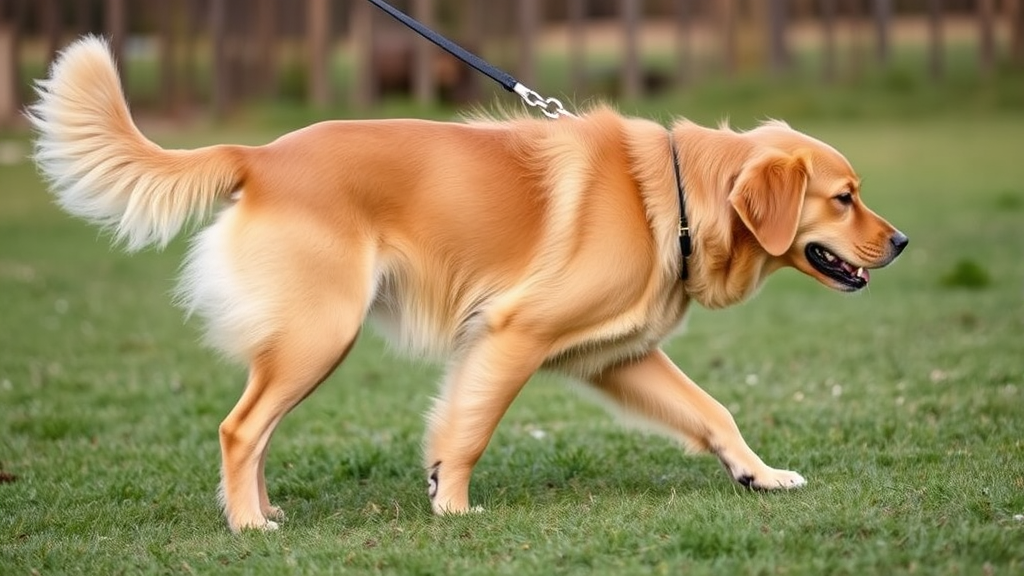
Seeing your beloved canine companion limping can be one of the most distressing experiences for any dog owner. Whether it’s a sudden onset after an active day at the park or a gradual development you’ve noticed over time, a limping dog immediately signals that something isn’t right. Understanding the potential causes behind your dog’s limp is crucial for providing appropriate care and knowing when to seek professional veterinary assistance.
Dog limping, medically known as lameness, can range from barely noticeable favoring of one leg to complete inability to bear weight on an affected limb. The causes are diverse, spanning from minor injuries that heal with rest to serious conditions requiring immediate medical intervention. As a responsible pet owner, recognizing the signs, understanding potential causes, and knowing how to respond can make all the difference in your dog’s comfort and recovery.
Common Causes of Dog Limping
Dog limping can result from numerous underlying conditions, each requiring different approaches to treatment and management. The most frequent causes include muscle strains, ligament injuries, joint problems, and paw pad injuries. Understanding these common culprits helps pet owners better assess their dog’s condition and communicate effectively with veterinarians.
Muscle strains often occur during vigorous exercise or play, particularly in dogs who aren’t regularly conditioned for intense activity. These soft tissue injuries typically cause mild to moderate limping and may be accompanied by signs like excessive panting due to discomfort. Ligament injuries, especially tears in the cranial cruciate ligament (similar to ACL tears in humans), are extremely common in active dogs and can cause severe lameness.
Joint problems, including arthritis, hip dysplasia, and elbow dysplasia, frequently affect dogs as they age but can also appear in younger animals due to genetic predisposition. These conditions often cause gradual onset limping that worsens over time, particularly after rest periods or in cold weather.
Types of Injuries Leading to Limping
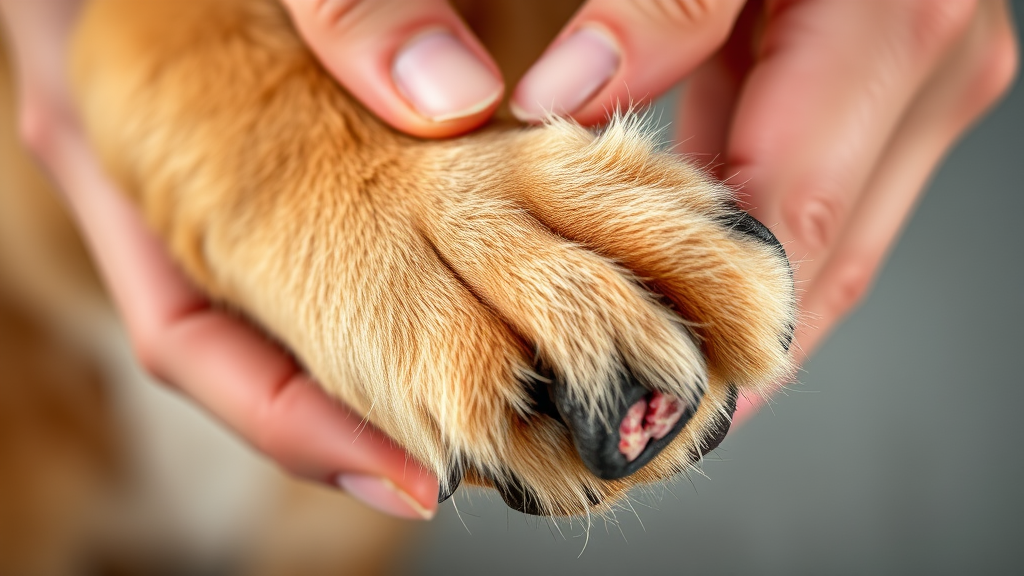
Acute injuries represent one category of limping causes and typically have sudden onset following a specific incident. These include cuts, puncture wounds, broken bones, dislocations, and severe sprains. Dogs may also experience foreign object penetration in their paws, such as thorns, glass, or splinters, which can cause immediate and severe limping.
Chronic injuries develop over time and may not always have an obvious cause. Repetitive stress injuries from activities like frequent jumping or running on hard surfaces can gradually damage joints and soft tissues. Overuse injuries are particularly common in working dogs, athletic dogs, and those engaged in competitive activities like agility or flyball.
Environmental factors also contribute to limping injuries. Hot pavement can burn paw pads, while icy conditions can cause slips and falls leading to strains or fractures. Chemical irritants from lawn treatments or de-icing salts can cause paw inflammation and subsequent limping. If you notice additional symptoms like trembling or shaking, this could indicate pain or distress from the injury.
Age-Related Limping Issues
As dogs age, they become increasingly susceptible to various conditions that can cause limping. Arthritis is perhaps the most common age-related cause, affecting joints throughout the body and causing stiffness, pain, and reduced mobility. Senior dogs often show limping that’s worse in the morning or after periods of rest, improving somewhat with gentle movement.
Hip dysplasia, while having genetic components, typically manifests its symptoms as dogs reach middle age or senior years. This condition involves malformation of the hip joint, leading to pain, inflammation, and progressive lameness. Similarly, elbow dysplasia can cause front leg limping and is more noticeable as dogs mature.
Degenerative joint disease affects many older dogs and can cause intermittent limping that varies in severity depending on weather conditions, activity level, and overall health status. According to the American Veterinary Medical Association, arthritis affects approximately 20% of adult dogs, making it a significant concern for pet owners.

When to Seek Immediate Veterinary Care
Certain signs accompanying limping warrant immediate veterinary attention, as they may indicate serious conditions requiring prompt treatment. If your dog cannot bear any weight on the affected limb, this suggests a possible fracture, severe sprain, or dislocation that needs professional evaluation.
Signs of systemic illness combined with limping, such as fever, lethargy, loss of appetite, or difficulty breathing, may indicate more serious underlying conditions. If you’re unsure about detecting fever symptoms in your dog, familiarize yourself with the warning signs as this information can be crucial for your veterinarian.
Visible deformity of the limb, excessive swelling, or open wounds require immediate professional care. Additionally, if your dog shows signs of extreme pain, such as crying out when touched, reluctance to move, or aggressive behavior when approached, these indicate the need for urgent veterinary intervention. The American Kennel Club emphasizes that persistent limping lasting more than 24 hours should always be evaluated by a veterinarian.
How to Assess Your Limping Dog at Home
When you first notice your dog limping, conducting a careful assessment can provide valuable information for your veterinarian and help determine the urgency of the situation. Begin by observing your dog’s gait from a distance, noting which leg appears affected and the severity of the limp.
Examine the affected paw carefully, looking for obvious signs of injury such as cuts, swelling, foreign objects, or damaged nails. Check between the toes and paw pads for embedded thorns, stones, or other debris. Gently palpate the leg, starting from the toes and working upward, feeling for swelling, heat, or areas of obvious pain.
Document your observations, including when the limping started, whether it’s getting worse or better, and any activities that preceded the onset. Note if the limping is worse at certain times of day or after specific activities. This information will be invaluable when consulting with your veterinarian and can help expedite diagnosis and treatment.
First Aid and Home Care
While professional veterinary care is often necessary for limping dogs, appropriate first aid can help manage your pet’s comfort and prevent further injury. The primary goals of initial care are to restrict activity, provide comfort, and prevent additional damage to the affected limb.
Immediately limit your dog’s activity by confining them to a small, comfortable area where they cannot run, jump, or play. Remove any visible foreign objects from paw pads if they can be easily and safely extracted, but avoid attempting removal of deeply embedded items as this may cause additional damage.
Apply cold therapy to reduce swelling and provide pain relief. Use a cold pack wrapped in a thin towel and apply for 10-15 minutes several times daily. Never apply ice directly to your dog’s skin, as this can cause tissue damage. For minor cuts or scrapes, gentle cleaning and basic wound care may be appropriate – learn more about proper wound treatment techniques.
It’s crucial to understand that while you may want to help manage your dog’s pain, never administer human pain medications without veterinary guidance. Instead, consult your veterinarian about appropriate pain management options for your pet.
Prevention Strategies
Preventing limping injuries requires a multifaceted approach focusing on maintaining your dog’s overall health, providing appropriate exercise, and creating a safe environment. Regular exercise helps maintain muscle strength and joint flexibility, but it should be appropriate for your dog’s age, breed, and fitness level.
Maintain a healthy weight for your dog, as obesity places additional stress on joints and increases the risk of injury. The Centers for Disease Control and Prevention notes that overweight pets are more prone to various health issues, including joint problems.
Provide proper nutrition with supplements that support joint health, such as glucosamine and chondroitin, especially for older dogs or breeds prone to joint issues. Regular veterinary check-ups can help identify potential problems before they become serious, and maintaining up-to-date vaccinations and parasite prevention supports overall health.
Create a safe environment by removing hazards that could cause injuries, such as sharp objects in the yard, toxic plants, or slippery surfaces. Use appropriate protective gear when engaging in activities that might pose injury risks, and always supervise your dog during play with other animals.
Frequently Asked Questions
How long should I wait before taking my limping dog to the vet?
If your dog shows severe limping, cannot bear weight on the limb, or displays signs of significant pain, seek veterinary care immediately. For mild limping, monitor for 24-48 hours with rest and restricted activity. If the condition doesn’t improve or worsens during this period, schedule a veterinary appointment. Remember that some signs, like heavy breathing combined with limping, may indicate more serious conditions requiring prompt attention.
Can dogs fake limping for attention?
While rare, some dogs may exhibit learned limping behavior if they previously received extra attention when injured. However, always assume limping is genuine and investigate potential causes. True attention-seeking limping typically occurs only when owners are present and disappears when the dog is unobserved. When in doubt, consult your veterinarian to rule out actual injury or illness.
What’s the difference between limping and lameness?
Limping and lameness are often used interchangeably, but technically, lameness is the broader medical term describing any abnormal gait or stance due to dysfunction of the locomotor system. Limping specifically refers to an irregular gait pattern favoring one or more limbs. Both terms indicate the same underlying issue – your dog is experiencing discomfort or dysfunction affecting normal movement.
Should I massage my dog’s limping leg?
Gentle massage can sometimes help with muscle soreness, but avoid massaging the affected area until you understand the cause of limping. Massaging fractured bones, torn ligaments, or inflamed joints can worsen the condition and cause additional pain. Consult your veterinarian before attempting any massage therapy, and consider professional canine rehabilitation services for appropriate therapeutic massage techniques.
Can cold weather cause dogs to limp?
Cold weather can exacerbate existing joint conditions like arthritis, making limping more noticeable. Ice and snow can also cause paw pad injuries, ice ball formation between toes, and chemical burns from de-icing products. Additionally, cold surfaces can cause muscle stiffness and make existing injuries more painful. Protect your dog’s paws with booties and limit exposure to harsh winter conditions.
Is limping always painful for dogs?
Most limping indicates some level of discomfort, though the severity varies greatly. Some dogs with chronic conditions may show mild limping without obvious signs of acute pain, while others with severe injuries experience significant discomfort. Dogs are often stoic and may not display obvious pain behaviors, so any persistent limping should be evaluated professionally. Look for subtle signs like reluctance to play, changes in appetite, or behavioral modifications that might indicate pain.
Can puppy growth cause temporary limping?
Rapid growth in large breed puppies can sometimes cause temporary limping due to growth plate development and muscle/bone growth rate differences. However, persistent limping in puppies should never be dismissed as “just growing pains.” Conditions like panosteitis (growing pains), hip dysplasia, and osteochondritis dissecans can affect young dogs and require veterinary evaluation. If you notice other concerning symptoms like unusual neurological signs, seek immediate veterinary attention as these could indicate more serious conditions.





