
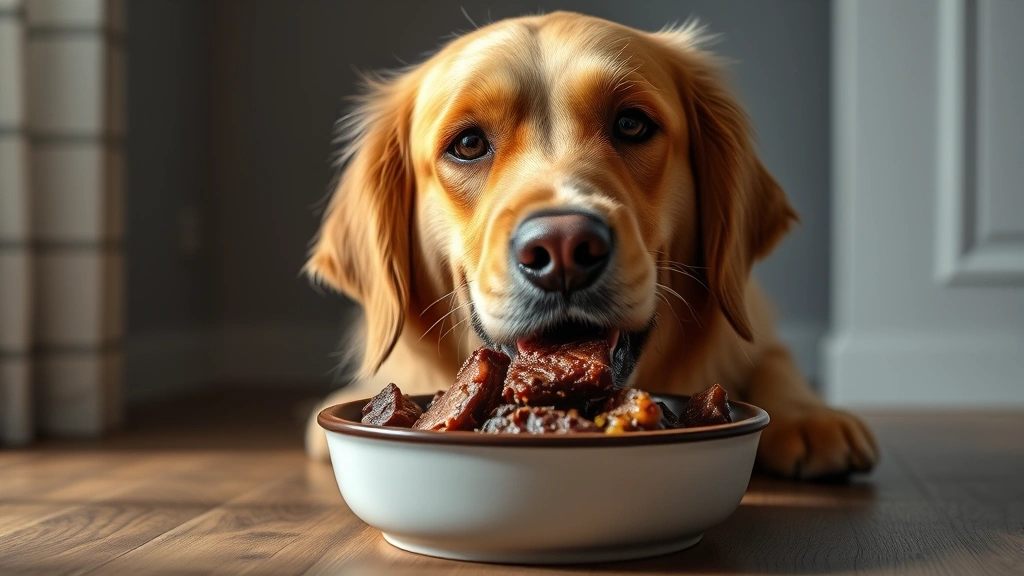
Is venison good for dogs? Short answer: yes, absolutely—when prepared properly and served responsibly. But before you start sharing your hunting haul or fancy venison steaks with your furry best friend, there’s actually quite a bit you should know about this lean, protein-packed meat.
Table of Contents
- What Makes Venison a Good Protein Source for Dogs?
- Is Raw Venison Safe for Dogs?
- Best Ways to Prepare Venison for Your Dog
- Venison Bones and Safety Concerns
- How Much Venison Can Dogs Safely Eat?
- Venison and Dogs with Food Allergies or Sensitivities
- Venison in Commercial Dog Foods and Treats
- Potential Risks and When to Avoid Venison
- Venison Compared to Other Protein Sources
- Creating a Balanced Diet with Venison
- Signs Your Dog Isn’t Tolerating Venison Well
- Hunting and Processing Your Own Venison
- Healthy Pet Treats and Venison Alternatives
- Frequently Asked Questions
- Conclusion: Is Venison Good for Dogs?
Venison has become increasingly popular among dog owners looking for novel protein sources, especially for pups with chicken or beef sensitivities. It’s nutrient-dense, relatively low in fat, and most dogs find it downright delicious. However, like any human food, there are important safety considerations and preparation methods that separate a healthy treat from a potential digestive disaster.
Let’s dive into everything you need to know about feeding venison to your dog, from nutritional benefits to preparation tips and portion guidelines.
What Makes Venison a Good Protein Source for Dogs?
Venison is one of the leanest meats available, making it an excellent choice for dogs who need to watch their waistline or have sensitive digestive systems. Unlike beef or pork, venison contains significantly less fat—typically around 2-3% compared to 20%+ in conventional beef. This means fewer calories and less strain on your dog’s pancreas and digestive tract.
The protein content in venison is stellar, usually ranging from 25-30% in raw meat. Dogs are facultative carnivores, meaning they thrive on meat-based proteins, and venison delivers exactly what their bodies need for muscle development, immune function, and tissue repair. Additionally, venison is rich in B vitamins, iron, and zinc—nutrients that support energy levels and overall health.
What really sets venison apart is that it’s a novel protein. If your dog has developed allergies or sensitivities to chicken, beef, or fish, venison might be the fresh start their digestive system needs. Many veterinarians recommend novel proteins for dogs with food allergies, making venison an increasingly popular choice in prescription and limited-ingredient dog foods.
Is Raw Venison Safe for Dogs?
The raw feeding debate gets heated in dog communities, and venison is no exception. Raw venison can contain parasites and bacteria like E. coli, Salmonella, and Listeria—pathogens that can affect both your dog and your family through cross-contamination. While dogs have stronger stomach acid than humans, they’re not immune to foodborne illness.
If you’re determined to feed raw venison, source it from reputable hunters or suppliers who follow strict food safety protocols. Never feed venison that’s been sitting around or shows signs of spoilage. Freezing venison at -4°F for 7 days or -31°F for 15 minutes can reduce parasite risk, but doesn’t eliminate bacterial contamination entirely.
Most veterinarians recommend cooking venison thoroughly to eliminate pathogens. Cooked venison is safer, easier to digest for some dogs, and still retains most of its nutritional benefits. It’s the middle-ground approach that gives you the best of both worlds: nutrition and safety.
Best Ways to Prepare Venison for Your Dog
Preparation method matters tremendously when it comes to venison safety and digestibility. Plain is always best—avoid seasoning, garlic, onions, or any additives that could upset your dog’s stomach or cause toxicity.

Boiling: Boiling venison removes excess fat and makes it easier to digest. Simmer unseasoned venison in water for 20-30 minutes until fully cooked through. You can save the cooking broth (cooled and fat-skimmed) to pour over their regular food for added flavor and nutrients.
Baking: Bake venison at 350°F until the internal temperature reaches 160°F. This method preserves more nutrients than boiling and creates a nice texture that most dogs love.
Slow Cooking: Low-and-slow cooking in a crock pot for 6-8 hours creates tender, easily digestible meat. Again, skip any seasonings—just plain venison and water.
Ground Venison: Ground venison cooks faster and mixes easily into regular kibble. Brown it thoroughly in a pan without oil or seasoning, breaking it into small pieces as it cooks.
Avoid processed venison products like jerky, sausage, or deli meat. These contain sodium, preservatives, and seasonings that aren’t appropriate for dogs. Fresh, plain, cooked venison is your gold standard.
Venison Bones and Safety Concerns
Here’s where venison gets tricky: the bones. Raw meaty bones can be part of some raw feeding diets, but they come with serious risks including choking, intestinal blockages, and bone splinters. Cooked venison bones are even worse—cooking makes bones brittle and prone to splintering, creating a choking and perforation hazard.
If you’re feeding venison, remove all bones before giving it to your dog. Venison is plenty nutritious without the bone component, and your dog’s safety is worth the extra prep work. Save those bones for making broth if you want—just strain out any bone fragments before serving to your pup.
How Much Venison Can Dogs Safely Eat?
Portion control is crucial when introducing any new food to your dog’s diet. Venison should never exceed 10% of your dog’s daily caloric intake, and that’s if it’s being used as a regular treat or food component. For occasional treats, even less is appropriate.
As a general guideline: small dogs (under 25 lbs) should get no more than 1-2 ounces of cooked venison per day; medium dogs (25-50 lbs) can handle 2-4 ounces; large dogs (50+ lbs) can receive 4-6 ounces maximum. These portions assume venison is supplementing their regular diet, not replacing it.
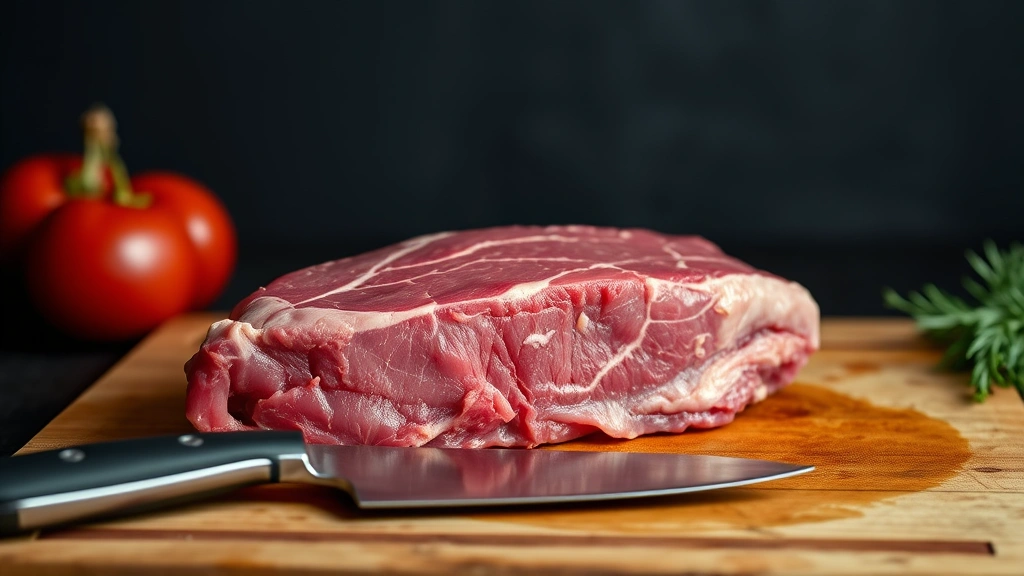
When introducing venison for the first time, start with a small amount—about a teaspoon for small dogs, a tablespoon for larger dogs—and monitor for digestive upset over the next 24-48 hours. Some dogs experience loose stools when trying new proteins, which usually resolves within a few days. If digestive issues persist, venison might not be the right choice for your pup.
Venison and Dogs with Food Allergies or Sensitivities
One of the biggest reasons veterinarians recommend venison is for dogs with documented food allergies. If your dog has been diagnosed with chicken allergy, beef sensitivity, or other protein intolerances, venison offers a clean alternative with minimal cross-reactivity. It’s truly a novel protein for most dogs, meaning their immune systems haven’t built up sensitivity to it.
However—and this is important—just because venison is novel doesn’t automatically mean it’s safe for your specific dog. Always introduce it slowly and under guidance from your vet, especially if your dog has a history of food allergies. Some dogs with multiple allergies may react to venison too, though this is relatively rare.
For dogs with true allergies (not just preferences), check out our guide on safe human snacks for pets and healthy snack alternatives for dogs to explore other options that might work better for your pup’s specific situation.
Venison in Commercial Dog Foods and Treats
Many premium and limited-ingredient dog food brands now feature venison as their primary protein. These commercial options have been formulated to meet AAFCO nutritional standards and have undergone safety testing, making them a convenient alternative to preparing venison at home.
When shopping for venison-based dog foods, look for products where venison is the first ingredient (not venison meal or by-products). Check the ingredient list for unnecessary fillers, artificial preservatives, or problematic additives. Reputable brands will clearly state their sourcing and manufacturing practices.
Venison treats and chews are also widely available. Freeze-dried venison treats are minimally processed and retain nutritional value, though they’re pricier than fresh options. Always supervise your dog with any treat or chew, regardless of type.
Potential Risks and When to Avoid Venison
While venison is generally safe, certain situations warrant caution or avoidance entirely. Dogs with pancreatitis should avoid venison if it hasn’t been thoroughly trimmed of fat, though lean venison might be acceptable under veterinary supervision. Overweight dogs might benefit from venison’s leanness, but portion control remains essential.
Dogs with certain health conditions—including kidney disease, liver disease, or specific metabolic disorders—might need dietary restrictions that exclude venison or require veterinary approval before introduction. Always consult your vet before adding venison to your dog’s diet if they have any pre-existing health conditions.
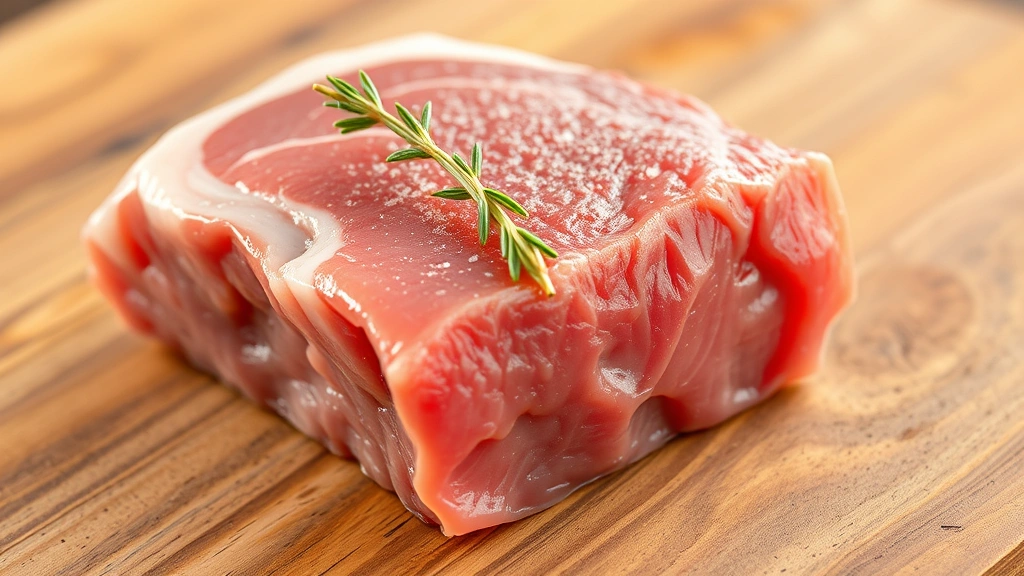
Additionally, if your dog has a history of gastrointestinal issues like inflammatory bowel disease or severe food sensitivities, introduce venison extremely cautiously and only with veterinary guidance. Some dogs’ digestive systems are so sensitive that even novel proteins can trigger flare-ups.
For comprehensive information about foods to avoid entirely, check our article on harmful foods for dogs.
Venison Compared to Other Protein Sources
How does venison stack up against chicken, beef, fish, and other common dog proteins? Nutritionally, venison is leaner than beef and pork but comparable to chicken in fat content. It’s richer in certain minerals like iron and zinc compared to chicken, making it slightly more nutrient-dense.
Unlike fish, venison doesn’t provide omega-3 fatty acids, so if you’re feeding venison as a primary protein, you might want to supplement with fish oil or include fish-based meals occasionally. Compared to lamb, venison is significantly leaner, making it better for weight-conscious dogs.
The real advantage of venison over other proteins isn’t nutritional—it’s novelty. For dogs with allergies to common proteins, venison’s unfamiliarity to their immune system makes it the standout choice. If your dog has no allergies or sensitivities, the protein source matters less than overall diet quality and meeting complete nutritional requirements.
Creating a Balanced Diet with Venison
Feeding venison doesn’t mean abandoning your dog’s regular diet. Instead, think of it as a component of a balanced nutritional profile. A complete and balanced diet for dogs requires not just protein, but also fats, carbohydrates, vitamins, and minerals in appropriate ratios.
If you’re feeding venison as a supplement to commercial dog food, it’s already balanced—you’re just enhancing it. If you’re interested in home-cooked or raw diets with venison as the primary protein, you absolutely need veterinary guidance or consultation with a veterinary nutritionist to ensure your dog receives complete nutrition. Homemade diets often lack essential nutrients like taurine, calcium, and certain vitamins without proper formulation.
Check out our guide on puppy safe human foods for more information on safely incorporating human foods into your dog’s diet, and our article on human food portion sizes for pets for specific guidelines on quantities.
Signs Your Dog Isn’t Tolerating Venison Well
Even though venison is generally well-tolerated, some dogs will have adverse reactions. Watch for vomiting, diarrhea, constipation, excessive gas, or abdominal discomfort within 24-48 hours of eating venison. Itching, skin rashes, or ear infections developing after venison introduction might indicate an allergy (though true venison allergies are rare).

If your dog shows any of these signs, discontinue venison and contact your veterinarian. They can help determine whether it’s a true allergy, intolerance, or simply digestive upset from the dietary change. Some dogs need longer adjustment periods to new proteins—up to 2-3 weeks—before their digestive system fully adapts.
More serious symptoms like persistent vomiting, bloody stools, lethargy, or abdominal pain require immediate veterinary attention and should be reported as potentially related to venison introduction.
Hunting and Processing Your Own Venison
If you hunt or know hunters, you might have access to fresh venison. Processing your own meat requires strict food safety practices to prevent contamination. Ensure all equipment is clean, hands are washed thoroughly, and meat is kept at proper temperatures throughout processing.
Venison should be aged properly (typically 7-14 days at 34-40°F) before processing to develop flavor and tenderness, but this also allows time for surface bacteria to develop. Once processed, store venison at 0°F or below if freezing, or use fresh venison within 1-2 days of processing.
When feeding your dog homemade venison, cook it thoroughly and follow all the preparation guidelines mentioned earlier. Never feed your dog venison that’s been sitting at room temperature, showing discoloration, or smelling off.
Healthy Pet Treats and Venison Alternatives
If venison doesn’t work for your dog or you want to explore other options, there are plenty of alternatives. Check out our comprehensive guide on healthy pet treats for numerous options that provide similar nutritional benefits.
Turkey, duck, rabbit, and elk are other novel proteins that work similarly to venison for dogs with sensitivities. Sweet potato, pumpkin, and carrots offer healthy, low-calorie treat alternatives. Eggs are an excellent protein source that most dogs tolerate well. The key is finding what works best for your individual dog’s digestive system and nutritional needs.
Frequently Asked Questions
Can puppies eat venison?
Yes, puppies can eat venison, but with more caution than adult dogs. Introduce it slowly in very small amounts and ensure it’s plain, thoroughly cooked, and boneless. Puppies have developing digestive systems, so new proteins should be introduced gradually. Always consult your veterinarian before adding venison to a puppy’s diet, especially if they’re on a commercial puppy formula designed for their specific developmental needs.
Is venison better than chicken for dogs?
Not necessarily “better,” but different. Venison is leaner and more nutrient-dense in certain minerals, making it ideal for dogs with chicken allergies or sensitivities. For dogs without allergies, chicken is equally nutritious and often more economical. The “best” protein depends on your individual dog’s health, allergies, and nutritional needs.
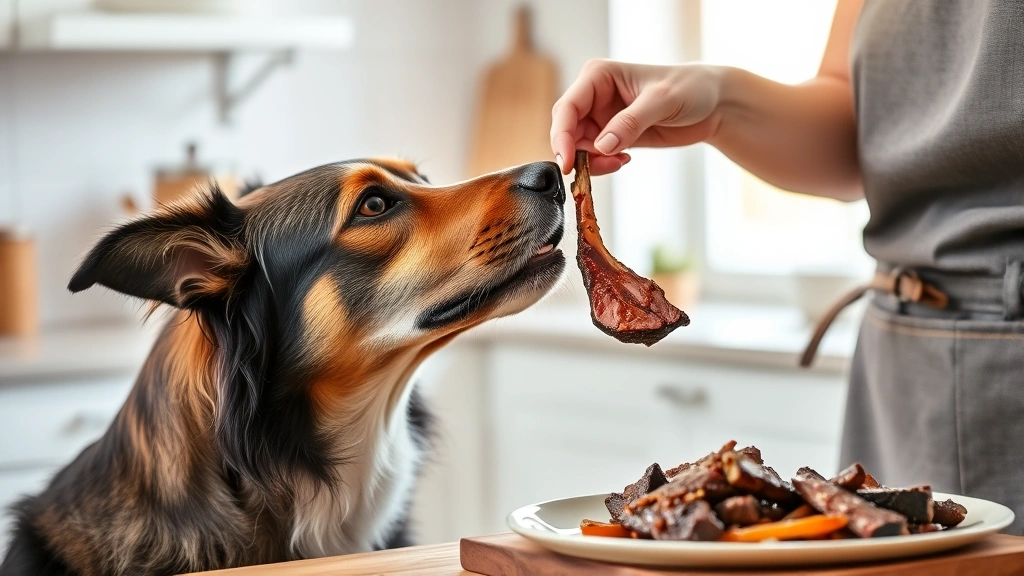
Can dogs eat venison jerky or processed venison products?
No, avoid processed venison products like jerky, sausage, or deli meat. These contain high sodium, preservatives, nitrates, and seasonings that aren’t appropriate for dogs and can cause health issues. Stick to plain, fresh, cooked venison only.
How often can I feed my dog venison?
Venison can be fed regularly as part of a balanced diet, but should never exceed 10% of daily caloric intake. You can offer it several times per week as a treat or food component, as long as portion sizes remain appropriate and your dog tolerates it well.
What should I do if my dog eats raw venison accidentally?
Monitor your dog closely for the next 3-5 days for signs of foodborne illness including vomiting, diarrhea, lethargy, or abdominal pain. Most dogs handle raw venison without issue, but some may develop digestive upset. Contact your veterinarian if concerning symptoms develop. In the future, ensure any venison your dog has access to is cooked.
Is venison safe for senior dogs?
Yes, venison is often excellent for senior dogs. The lean protein supports muscle maintenance as dogs age, and it’s easier to digest than fattier meats. However, senior dogs with kidney disease or other age-related conditions should only eat venison under veterinary approval, as protein requirements change with certain health conditions.
Can venison cause allergic reactions in dogs?
True venison allergies are rare since it’s a novel protein for most dogs. However, some dogs may develop sensitivities over time with repeated exposure. Allergic reactions would manifest as itching, skin rashes, ear infections, or gastrointestinal upset. If you suspect an allergy, discontinue venison and consult your veterinarian.
Conclusion: Is Venison Good for Dogs?
Yes, venison is genuinely good for dogs when prepared and served responsibly. It’s a lean, nutrient-dense protein that offers real benefits, especially for dogs with sensitivities to common proteins like chicken or beef. The key to safely feeding venison lies in proper preparation—cooking thoroughly, removing all bones, avoiding seasonings, and maintaining appropriate portion sizes.
Start slowly when introducing venison, monitor your dog’s response, and consult your veterinarian if you have any concerns. For dogs with allergies or digestive sensitivities, venison might be a game-changer. For healthy dogs without dietary restrictions, it’s a perfectly fine occasional treat or food component that most pups absolutely love.
Remember that venison should complement a complete and balanced diet, not replace it. Whether you’re sourcing fresh venison from a hunter, buying commercial venison-based dog food, or occasionally treating your pup to a venison snack, you’re making a nutritionally sound choice that supports your dog’s health and happiness.





