
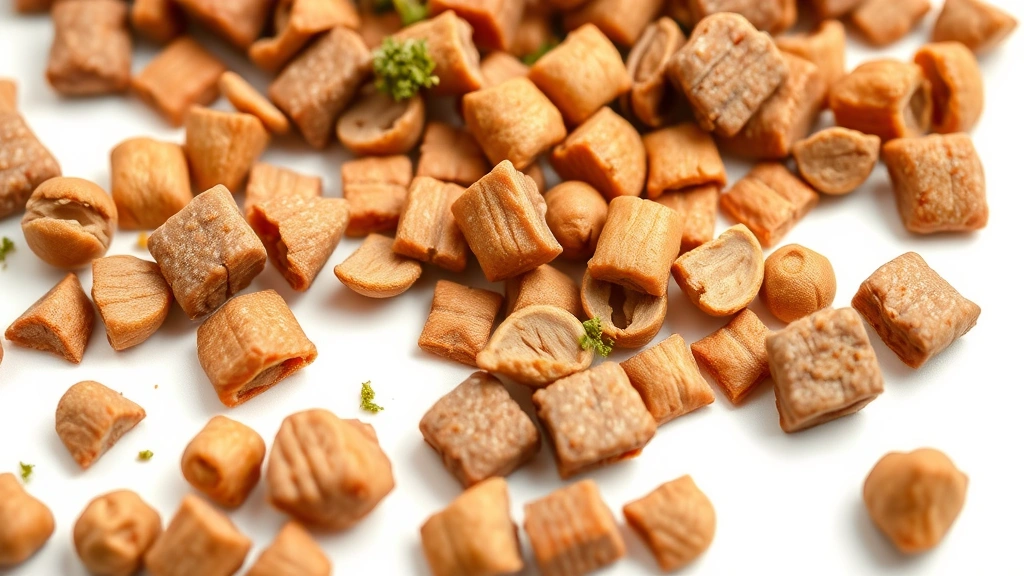
So, is victor dog food good? The short answer: it depends on your pup’s needs, but Victor generally earns solid marks from vets and pet parents alike. After digging through ingredient lists, customer reviews, and nutritional data, we’re breaking down everything you need to know about this popular brand.
Table of Contents
- What Exactly Is Victor Dog Food?
- Breaking Down Victor’s Ingredient Quality
- Nutritional Analysis: The Numbers Game
- Victor Dog Food Formulas: Which One’s Right?
- The Protein Question: Is More Always Better?
- Price Point: Is It Worth Your Wallet?
- What Vets and Pet Parents Actually Say
- Potential Drawbacks and Considerations
- Victor vs. Competitors: How Does It Stack Up?
- Special Considerations for Different Dog Types
- Making the Switch: Transition Tips
- Frequently Asked Questions
- The Verdict: Is Victor Dog Food Good?
What Exactly Is Victor Dog Food?
Victor is a premium dog food brand that’s been around since 1961, and they’re not messing around when it comes to quality. They specialize in high-protein formulas designed for active dogs, performance athletes, and pups with specific dietary needs. The brand operates several manufacturing facilities in the US and prides itself on quality control—which is refreshing in an industry where corners get cut constantly.
The company focuses on whole meat proteins, limited ingredients, and grain-inclusive recipes (yes, they use grains, and that’s actually fine for most dogs). They’ve got formulas for puppies, adults, seniors, and even specialized diets for sensitive stomachs.
Breaking Down Victor’s Ingredient Quality
Here’s where Victor flexes. Their ingredient lists read like actual food, not a chemistry experiment. Most Victor formulas start with meat—beef, chicken, or fish—as the primary ingredient. No meat by-products, no corn syrup, no artificial preservatives. They use natural preservatives like mixed tocopherols (vitamin E) instead of BHA or BHT.
A typical Victor formula includes:
- High-quality protein sources (beef, chicken, fish)
- Whole grains like brown rice and barley
- Vegetables and fruits for fiber and nutrients
- Added probiotics and omega fatty acids
- No artificial colors, flavors, or preservatives
For dogs with allergies, Victor offers grain-free options and limited ingredient diets. If you’re exploring chicken free dog food options, Victor has several beef and fish-based formulas that work great for chicken-sensitive pups.
Nutritional Analysis: The Numbers Game
Victor’s formulas typically deliver 25-30% protein and 15-20% fat—perfect for active dogs and those needing muscle maintenance. These macros are solid without being excessive. The calorie content ranges from 350-400 calories per cup depending on the formula, which is reasonable for a premium brand.
What’s impressive is their mineral balance and the inclusion of glucosamine and chondroitin for joint health. These aren’t just marketing buzzwords; they’re actual beneficial compounds for aging dogs and active breeds.
Victor Dog Food Formulas: Which One’s Right?
Victor offers multiple lines, and choosing the right one matters:
- Victor Classic: Great all-arounder for adult dogs with moderate activity levels
- Victor Sport: High-protein powerhouse for working dogs and athletes
- Victor Select Grain-Free: For dogs with grain sensitivities
- Victor High Prairie: Beef-heavy formula with added probiotics
- Victor Performance: Designed for active, working breeds
Each formula targets different needs, so your choice depends on your dog’s age, activity level, and any dietary restrictions. For detailed guidance on nutritional choices, check out our pet nutrition advice section.
The Protein Question: Is More Always Better?
Victor’s emphasis on high protein gets attention, but here’s the reality: your dog doesn’t need 40%+ protein unless they’re a sled dog or competing in agility trials. Victor’s 25-30% range is actually ideal for most household pets. High protein isn’t bad, but it’s not magic either.
The quality of that protein matters more than the quantity. Victor uses named meat sources (beef, chicken, fish) rather than generic “meat meal” or “animal by-products,” which is why their formulas work well for dogs with sensitive stomachs.
Price Point: Is It Worth Your Wallet?
Victor sits in the premium category, typically costing $40-60 for a 30-pound bag, depending on where you shop and which formula. That’s roughly $1.30-2.00 per pound. Yes, it’s pricier than grocery store brands, but cheaper than ultra-premium boutique brands.

Is it worth it? Most vets say yes, especially if your dog has digestive issues or allergies. You’ll likely feed less Victor than cheaper brands because the nutrient density is higher, so the cost-per-feeding might be comparable. Plus, better nutrition often means fewer vet visits for digestive problems.
What Vets and Pet Parents Actually Say
According to the AAFCO (Association of American Feed Control Officials), Victor meets all nutritional standards for complete and balanced diets. More importantly, customer reviews consistently praise the brand for:
- Improved coat quality and shine
- Better digestion and smaller, firmer stools
- Sustained energy levels in active dogs
- No digestive upset during transitions
- Dogs actually enjoying the taste
Vets generally approve, though some recommend it specifically for active dogs rather than couch potatoes. A few negative reviews mention price concerns or that some dogs don’t love the taste, but these are exceptions rather than the rule.
Potential Drawbacks and Considerations
No dog food is perfect, and Victor’s got a few limitations worth knowing:
- Price: It’s not budget-friendly for large households with multiple dogs
- Grain inclusion: If your vet insists on grain-free, you’ll need their specialty line
- Limited availability: Not all pet stores carry all formulas; online ordering might be necessary
- Transition sensitivity: Some dogs need a slower transition period than usual
- Calorie density: Overweight dogs might need smaller portions than expected
Victor vs. Competitors: How Does It Stack Up?
Victor competes with brands like Orijen, Acana, and Purina Pro Plan. Here’s the honest breakdown:
- vs. Orijen: Similar quality, but Orijen is pricier and higher protein (35-40%)
- vs. Purina Pro Plan: Victor has cleaner ingredients; Purina has more research backing specific formulas
- vs. Acana: Very comparable; both are excellent choices
Victor’s sweet spot is offering premium quality without the ultra-premium price tag. For dogs needing plant based pet food alternatives or exploring diverse protein sources from human food, Victor’s variety gives options worth exploring.
Special Considerations for Different Dog Types
Victor works differently depending on your dog’s profile:
Active/Working Dogs: Victor Sport and Performance formulas are literally designed for these pups. The protein and fat levels support muscle maintenance and energy demands.
Senior Dogs: Victor’s standard formulas work fine, but their added joint support ingredients (glucosamine, chondroitin) are bonuses for aging joints.
Sensitive Stomachs: Victor’s high digestibility and named meat sources make it excellent for dogs with food sensitivities. The added probiotics help too.
Puppies: Victor has puppy-specific formulas with appropriate calcium/phosphorus ratios for growing bones. Critical stuff for large breed puppies.
Making the Switch: Transition Tips
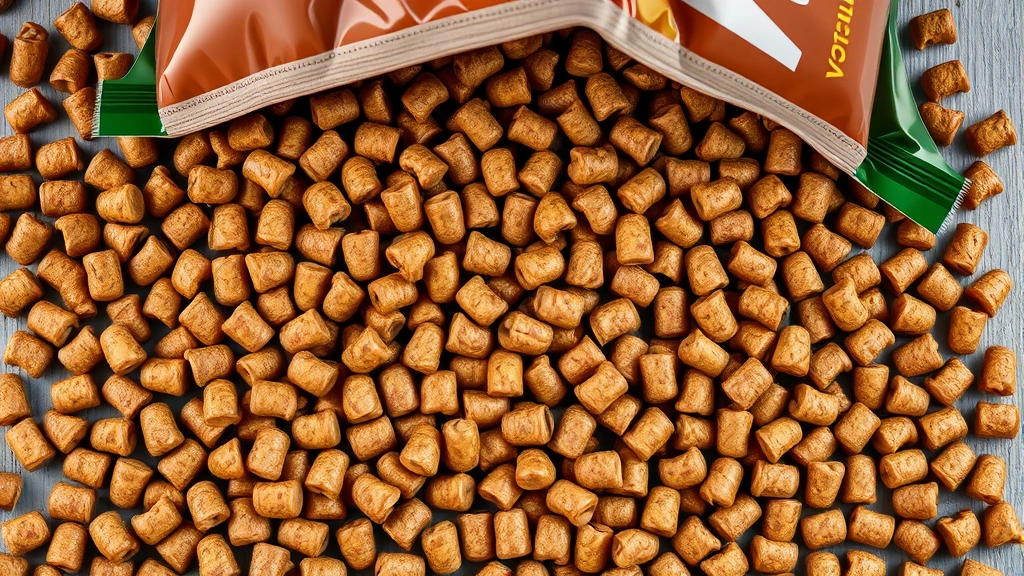
If you’re switching to Victor, do it gradually over 7-10 days. Mix increasing amounts of Victor with their current food. Some dogs transition quickly; others need more time. Watch for digestive upset, and if it happens, slow down the transition.
For travel concerns, check out our guide on pet food safety during travel to keep your pup’s nutrition consistent on the go.
Frequently Asked Questions
Is Victor dog food grain-free?
Not all Victor formulas are grain-free. Their classic and sport lines include grains like brown rice and barley, which is fine for most dogs. They do offer grain-free options in their Select line for dogs with specific sensitivities.
Does Victor dog food cause allergies?
Victor’s named meat sources and limited ingredient approach actually make it a good choice for allergic dogs. However, individual dogs can react to any protein. If your dog has a chicken allergy, Victor’s beef or fish formulas work well. For severe allergies, consult your vet or consider a telehealth pet nutrition consultation.
Where can I buy Victor dog food?
Victor is available at Chewy, Amazon, Petco, some local pet stores, and directly from their website. Prices vary slightly by retailer, so shop around.
How does Victor compare to vet-prescribed diets?
Victor is a good general premium diet, but vet-prescribed diets are formulated for specific medical conditions. If your dog has kidney disease, diabetes, or other conditions, stick with your vet’s recommendation. Victor works great for healthy dogs needing quality nutrition.
Is Victor good for picky eaters?
Most dogs love Victor, but picky eaters can be unpredictable. The meat-forward formulas are generally tasty, but some dogs prefer other brands. You might need to try a small bag first before committing to a 30-pound sack.
Can I mix Victor with other dog foods?
Yes, you can mix Victor with other quality foods, though there’s no real benefit. If you’re doing it for cost reasons, that’s fine—just transition gradually to avoid digestive upset.
The Verdict: Is Victor Dog Food Good?
Yes, is victor dog food good—it genuinely is. Victor delivers premium ingredients, solid nutrition, and real results without breaking the bank compared to ultra-luxury brands. It’s especially excellent for active dogs, those with sensitive stomachs, and owners who care about ingredient quality.
The main trade-off is price. If budget is tight, Victor isn’t the cheapest option. But for the money, you’re getting a well-formulated, ingredient-transparent product backed by good customer reviews and veterinary approval.
Our recommendation? If your dog’s doing well on their current food, no need to switch. But if you’re dealing with digestive issues, a dull coat, or just want to upgrade to something cleaner, Victor’s worth trying. Start with a smaller bag, see how your pup responds over 2-3 weeks, and go from there.
The bottom line: Victor is a legitimate, quality dog food choice that delivers on its promises. Your dog will likely thrive on it, and you’ll feel good about what’s in their bowl.





