

Yes, is watermelon safe for dogs? The short answer: absolutely! Watermelon can be a refreshing, hydrating treat for your furry best friend during those hot summer months. But before you start tossing watermelon chunks at Fido, there’s more to know about portions, preparation, and potential pitfalls that every dog owner should understand.
Table of Contents
- The Good News: Watermelon is Generally Safe for Dogs
- What About Watermelon Seeds? The Choking Hazard Myth
- The Real Danger: Watermelon Rind is Off-Limits
- Portion Control: How Much Watermelon is Too Much?
- Preparation Tips for Safe Watermelon Treats
- Frozen Watermelon: The Ultimate Summer Treat
- Dogs with Special Health Conditions: When to Skip Watermelon
- Signs Your Dog Had Too Much Watermelon
- Comparing Watermelon to Other Safe Fruits for Dogs
- Summer Safety: Watermelon as Part of Heat Management
- What About Watermelon for Puppies and Senior Dogs?
- Frequently Asked Questions
- Summary
The Good News: Watermelon is Generally Safe for Dogs
When prepared correctly, watermelon is one of the safest human foods you can share with your canine companion. It’s packed with vitamins A, B6, and C, plus it’s 92% water—making it an excellent hydration boost during summer. Unlike some fruits that pose serious risks, watermelon ranks high on the “dog-friendly” list. The American Kennel Club acknowledges watermelon as a safe treat when given responsibly, which is music to any dog lover’s ears.
Your dog’s digestive system can handle watermelon flesh without major issues. The natural sugars are minimal compared to other fruits, and the fiber content can actually support healthy digestion. Many vets recommend frozen watermelon cubes as a cooling treat for dogs dealing with summer heat.
What About Watermelon Seeds? The Choking Hazard Myth
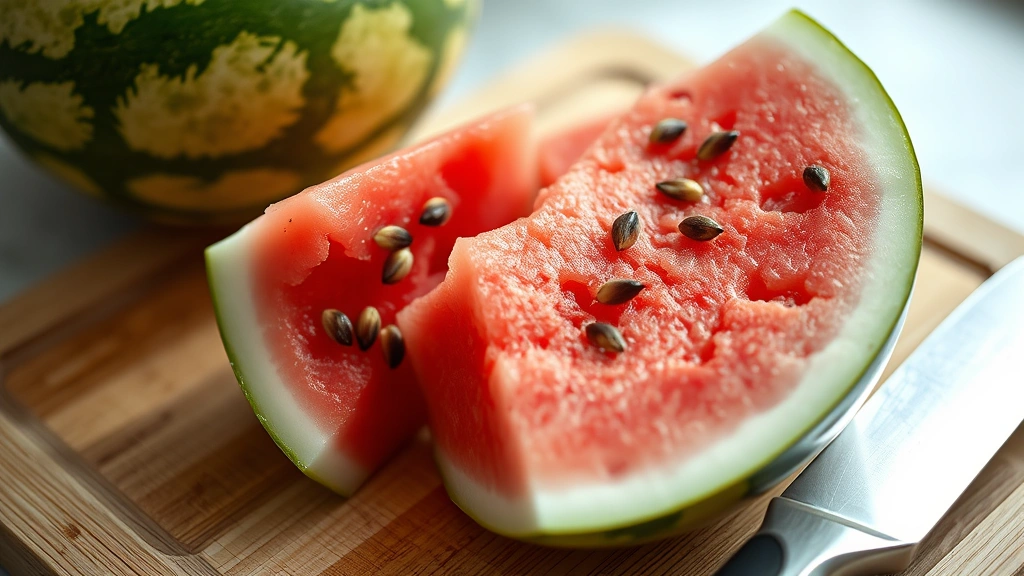
Here’s where things get tricky. Watermelon seeds are technically non-toxic to dogs, but they’re not something you want your pup munching on regularly. While a few seeds won’t cause poisoning, they can pose a choking hazard—especially for smaller breeds or enthusiastic eaters who don’t chew properly. Seeds can also accumulate in the digestive tract and potentially cause blockages in rare cases.
The safest approach? Always remove seeds before offering watermelon to your dog. It takes two minutes and eliminates unnecessary risk. Think of it like giving your kid grapes—technically fine, but you’d remove the seeds anyway, right?
The Real Danger: Watermelon Rind is Off-Limits
While the flesh is safe, the rind is absolutely not. This is the most important safety rule regarding watermelon for dogs. The tough outer skin is incredibly difficult for dogs to digest and can cause serious intestinal blockages. We’re talking emergency vet visit territory. Dogs have a tendency to swallow large chunks without proper chewing, and a piece of rind can lodge in their intestines, requiring surgery.
Always cut away the entire rind before giving watermelon to your dog. This includes the lighter green layer just under the outer skin. When in doubt, err on the side of caution and stick to the pink flesh only.
Portion Control: How Much Watermelon is Too Much?
Just because watermelon is safe doesn’t mean unlimited access. Treats should comprise no more than 10% of your dog’s daily caloric intake. For a medium-sized dog (around 50 pounds), that’s roughly one to two cups of watermelon chunks per day, maximum. Smaller breeds need proportionally less, while larger dogs can handle slightly more.
Feeding excessive watermelon can lead to digestive upset, including diarrhea and gas. The high water content means your dog might need extra bathroom breaks, which is worth considering before a road trip. Also, watermelon contains natural sugars—not ideal for diabetic dogs or those prone to weight gain.
Preparation Tips for Safe Watermelon Treats
Preparation matters. Here’s the proper way to serve watermelon to your dog:
- Wash the entire watermelon thoroughly under running water
- Cut the watermelon in half and remove all seeds (yes, all of them)
- Cut away the rind completely—don’t leave any green skin
- Cut the pink flesh into appropriately sized chunks for your dog
- Store leftover watermelon in an airtight container in the refrigerator for up to three days
- Never serve watermelon that’s been treated with pesticides or sitting in the sun for hours
If you’re serving vet approved human foods for pets, watermelon should always be prepared fresh. Canned watermelon with added sugars is a no-go, and watermelon juice concentrates can cause stomach upset.
Frozen Watermelon: The Ultimate Summer Treat
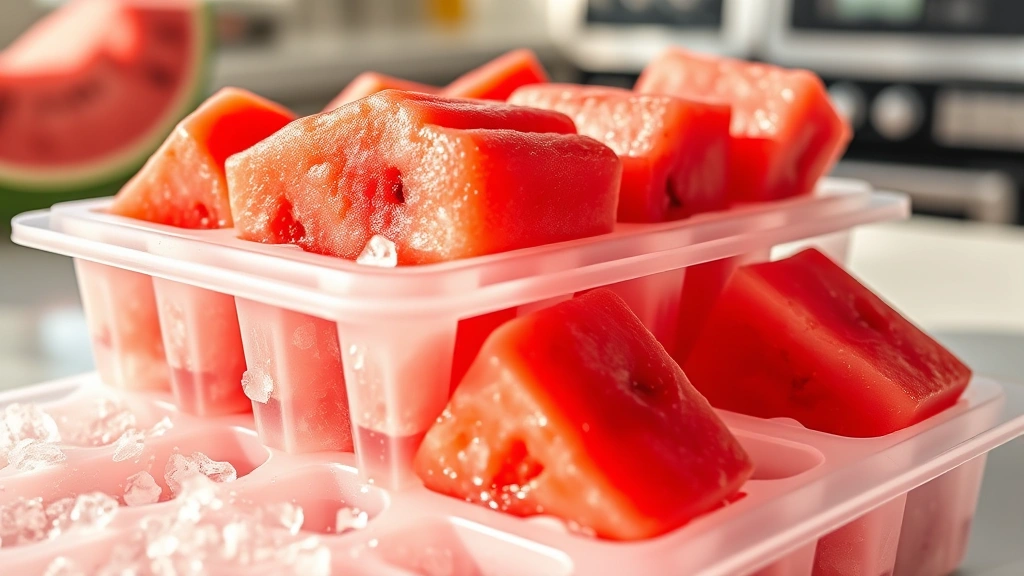
Want to take watermelon up a notch? Freeze it. Frozen watermelon cubes are incredible for dogs during hot weather. They provide hydration, mental stimulation, and relief from heat stress. Plus, the cold texture is soothing for teething puppies. You can freeze watermelon chunks in ice cube trays or larger containers, creating DIY dog popsicles that beat any store-bought treat.
Just ensure your dog doesn’t have sensitive teeth before offering frozen treats. Some older dogs or those with dental issues might find it uncomfortable.
Dogs with Special Health Conditions: When to Skip Watermelon
While watermelon is generally safe, certain dogs should avoid it or have limited access. Diabetic dogs need careful monitoring of sugar intake, even though watermelon’s sugar content is relatively low. Dogs with kidney disease might need restricted water intake, making watermelon less ideal. Senior dogs with dental problems or swallowing difficulties should stick to softer treats.
If your dog has pancreatitis, consult your vet before introducing watermelon. Dogs recovering from GI surgery should also wait until fully healed. Always check with your veterinarian if your dog has underlying health conditions before introducing new foods.
Signs Your Dog Had Too Much Watermelon
Overindulgence in watermelon can cause several issues. Watch for diarrhea, vomiting, excessive gas, or abdominal discomfort. If your dog consumed watermelon rind, watch for signs of intestinal blockage: lethargy, loss of appetite, constipation followed by diarrhea, or abdominal pain. These warrant immediate veterinary attention.
Most dogs handle moderate watermelon amounts without issues, but every pup is different. Start with small portions and observe how your dog responds.
Comparing Watermelon to Other Safe Fruits for Dogs
Wondering how watermelon stacks up? Like can dogs eat apples, watermelon is safe when prepared properly. However, apples have more fiber and nutrients per serving. Bananas offer more potassium, while blueberries pack more antioxidants. Watermelon’s main advantage is hydration and low calorie content, making it perfect for weight-conscious pups.
According to PetMD, watermelon ranks among the safest summer treats for dogs, though it shouldn’t replace a balanced diet. The key is variety—rotate different safe fruits to provide diverse nutrients.
Summer Safety: Watermelon as Part of Heat Management
During sweltering summers, watermelon serves a dual purpose: treat and cooling mechanism. Dogs don’t sweat like humans, so they rely on panting and consuming cool foods to regulate temperature. Watermelon’s high water content helps prevent dehydration during hot months. However, it shouldn’t replace fresh water access. Always ensure your dog has unlimited access to clean drinking water, even if you’re offering watermelon regularly.
When temperatures soar, frozen watermelon chunks can provide relief while keeping your dog entertained. Just supervise to prevent choking, especially with enthusiastic eaters.
What About Watermelon for Puppies and Senior Dogs?
Puppies can enjoy watermelon, but keep portions tiny—think ice cube-sized pieces. Their digestive systems are still developing, so introduce any new food gradually. Senior dogs can also have watermelon, but watch for dental issues or difficulty swallowing. Cut pieces into appropriately small sizes for older pups.
For more guidance on age-appropriate treats, check out our article on vet approved human foods for pets, which covers treats across all life stages.
Frequently Asked Questions
Can dogs eat watermelon every day?
While watermelon is safe, daily feeding isn’t necessary and could lead to digestive upset. Offer it 2-3 times per week as a treat, not a dietary staple. Treats should never exceed 10% of daily caloric intake.
What if my dog ate watermelon seeds?
A few seeds won’t cause poisoning. Monitor your dog for signs of blockage (lethargy, loss of appetite, constipation) over the next 48 hours. If symptoms appear, contact your vet immediately. Most dogs pass seeds without issues.
Is watermelon good for dogs with diarrhea?
No. The high water content can worsen diarrhea. Stick to bland foods like plain chicken and rice until digestion normalizes. Once recovered, watermelon can be reintroduced gradually.
Can watermelon cause allergic reactions in dogs?
Watermelon allergies are extremely rare in dogs. However, individual sensitivities exist. If your dog shows signs of allergic reaction (itching, swelling, vomiting), discontinue watermelon and consult your vet.
Should I give watermelon to my overweight dog?
Yes, actually. Watermelon is low in calories (about 12 calories per cup) and high in water, making it excellent for weight management. It provides satisfying volume without excess calories. Just maintain proper portion control.
Can dogs drink watermelon juice?
Fresh watermelon juice in small amounts is fine, but it concentrates natural sugars. Stick to small sips rather than full servings. Never give bottled watermelon juice with added sugars or artificial sweeteners.
Summary
So, is watermelon safe for dogs? Yes—when you follow proper preparation guidelines. Remove all seeds and rind, control portions to 10% of daily calories, and monitor your dog’s response. Watermelon offers hydration and nutrients without serious risks, making it an excellent summer treat. For comprehensive guidance on safe treats, explore our resource on when to call the vet about food issues. When in doubt, consult your veterinarian before introducing new foods to your dog’s diet. According to the AKC, responsible treat-giving strengthens the human-animal bond while maintaining pet health.





