

Is weed and feed safe for dogs? The short answer is no—most commercial weed and feed products contain herbicides and pesticides that pose serious health risks to your furry best friend. If you’re a dog owner who takes lawn care seriously, this is one conversation you need to have with yourself before that next application.
Table of Contents
- What Exactly Is Weed and Feed?
- Common Chemical Ingredients and Their Dangers
- How Dogs Get Exposed to Weed and Feed
- Symptoms of Weed and Feed Poisoning in Dogs
- Safe Alternatives to Weed and Feed Products
- Timing and Safety Precautions If You Must Use Weed and Feed
- Understanding Lawn Care and Canine Health
- What to Do If Your Dog Ingests Weed and Feed
- Making the Switch to Dog-Safe Lawn Care
- Frequently Asked Questions
- Conclusion: Prioritizing Your Dog’s Health Over Lawn Perfection
What Exactly Is Weed and Feed?
Weed and feed is a combination lawn treatment that simultaneously applies fertilizer to boost grass growth while killing broadleaf weeds. Sounds convenient, right? The problem is that these products typically contain chemical herbicides (like 2,4-D or MCPA) designed to destroy unwanted plants. Your dog doesn’t know the difference between a dandelion and the grass they’re rolling around on, which makes this stuff potentially dangerous.
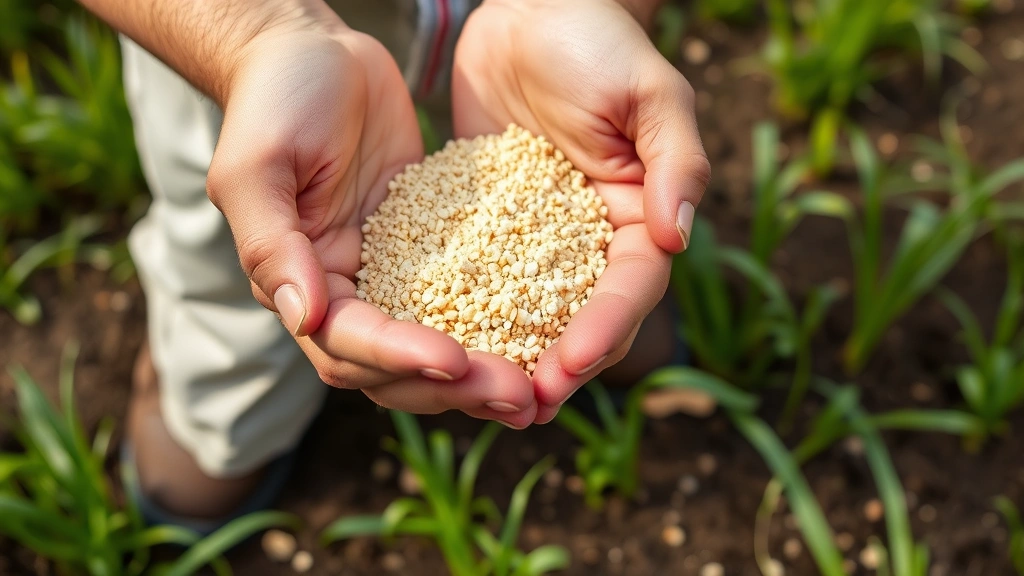
Most commercial weed and feed formulations are granule-based, meaning they stick to grass and soil where dogs walk, play, and sometimes eat grass. That innocent-looking green lawn could be a minefield of chemicals.
Common Chemical Ingredients and Their Dangers
Let’s talk specifics. The most common herbicides in weed and feed products include:
2,4-Dichlorophenoxyacetic Acid (2,4-D): This is the heavyweight champion of lawn herbicides. Studies have linked 2,4-D exposure to increased cancer risk in dogs, particularly lymphoma. Even low-level exposure can cause gastrointestinal upset, tremors, and neurological issues.
MCPA (2-methyl-4-chlorophenoxyacetic acid): Similar to 2,4-D, MCPA can cause vomiting, diarrhea, and lethargy in dogs. It’s absorbed through the skin and digestive tract, making it a dual-threat hazard.
Dicamba: This herbicide can cause excessive drooling, vomiting, and loss of appetite. Some formulations include dicamba, which persists in soil longer than other chemicals.
Fertilizer Components: Beyond herbicides, the nitrogen and phosphorus in fertilizers can cause digestive issues if ingested directly. High nitrogen levels may also promote rapid, weak grass growth that’s more susceptible to disease.
How Dogs Get Exposed to Weed and Feed
Your dog doesn’t need to eat a handful of granules to get sick. Exposure happens in multiple ways:
Direct Ingestion: Dogs exploring the yard may eat granules directly, thinking they’re treats. Puppies are especially curious about everything that looks remotely edible.
Paw Contact: Chemicals stick to paws, then get ingested when your dog licks their feet—something they do constantly throughout the day.
Grass Consumption: Many dogs nibble on grass. If that grass is freshly treated with weed and feed, they’re ingesting herbicides with every bite.
Rolling and Playing: Dogs roll in grass to cool down and play. Chemical residue transfers to their fur and skin, where it can be absorbed or ingested during grooming.
Symptoms of Weed and Feed Poisoning in Dogs
If your dog has been exposed to weed and feed products, watch for these warning signs:
Gastrointestinal symptoms appear first: vomiting, diarrhea, loss of appetite, and excessive drooling. Neurological signs follow: tremors, weakness, lethargy, and in severe cases, seizures. Some dogs develop skin irritation or respiratory issues if they’ve inhaled chemical dust.
Symptoms can appear within hours or develop gradually over days, depending on exposure level and your dog’s size. A 10-pound chihuahua will show effects much faster than an 80-pound Labrador from the same exposure.
If you notice any of these symptoms after lawn treatment, contact your vet immediately. Check out our Pet Poison Hotline resource for 24/7 guidance, or use Emergency Food Poisoning Telehealth services if your regular vet isn’t available.
Safe Alternatives to Weed and Feed Products
The good news? You don’t have to choose between a beautiful lawn and a healthy dog. Several safer alternatives exist:
Organic Herbicides: Products using citric acid, clove oil, or other natural ingredients kill weeds without synthetic chemicals. They’re less persistent in soil and break down quickly.
Manual Removal: Yes, it’s work, but pulling weeds by hand (roots and all) is completely safe. Grab a dandelion digger and make it a weekend project. Your dog will appreciate the effort.
Separate Fertilizer and Weed Control: Instead of combination products, apply dog-safe fertilizer first, then use targeted weed control only where needed. This reduces overall chemical exposure.
Vinegar Solutions: Household vinegar (20% acetic acid concentration) kills many common weeds. Spray directly on weeds on a sunny day. It’s non-toxic to dogs once dried.
Corn Gluten Meal: This natural pre-emergent prevents weed seeds from germinating without harming established grass or pets. Apply in early spring before weeds sprout.
Timing and Safety Precautions If You Must Use Weed and Feed
If you absolutely must use conventional weed and feed (perhaps for severe weed infestations), follow these precautions:
Apply products when your dog won’t be outside for at least 48 hours. Many manufacturers recommend keeping pets off treated areas for 24-72 hours, but longer is safer. Keep your dog indoors during application and for several hours afterward.
Water the lawn thoroughly after the recommended time. This helps chemicals penetrate soil and reduces surface residue. Avoid watering immediately after application, as this can reduce effectiveness.
Wear gloves when handling products, and wash your hands thoroughly. Store weed and feed in a locked cabinet away from curious pets and children. Never leave bags or containers where dogs can access them.
Consider hiring a professional lawn care company that specializes in pet-safe treatments. They understand timing, application rates, and safe alternatives better than most homeowners.
Understanding Lawn Care and Canine Health
Your dog’s health should always trump lawn aesthetics. A few dandelions won’t hurt your property value, but chemical poisoning could hurt your best friend. Many veterinarians now actively discourage weed and feed use in homes with pets, particularly for dogs that spend significant time outdoors.
The connection between herbicide exposure and canine lymphoma is serious enough that the American Veterinary Medical Association has issued guidance on reducing pet exposure to lawn chemicals. This isn’t fear-mongering—it’s evidence-based veterinary medicine.
What to Do If Your Dog Ingests Weed and Feed
Accidents happen. If you suspect your dog has eaten weed and feed or been exposed to treated grass:
Step 1: Remove your dog from the treated area immediately. Rinse their paws and fur with water to remove residual chemicals.
Step 2: Call your veterinarian or animal poison control center right away. Have the product packaging available so you can provide ingredient information.
Step 3: Don’t induce vomiting unless specifically instructed by a veterinarian. Some chemicals cause more damage coming back up.
Step 4: Monitor your dog closely for symptoms. Even if they seem fine initially, complications can develop over hours or days.
Our Harmful Foods for Dogs guide covers additional toxins, and Telehealth Vet Appointments can connect you with professionals quickly if your regular vet isn’t available.
Making the Switch to Dog-Safe Lawn Care
Transitioning to safer lawn practices takes time but pays dividends for your dog’s health. Start by accepting that a perfect lawn and a healthy dog might not coexist. Most dog owners would choose their pet’s health over pristine turf every single time.
Implement safer alternatives gradually. This season, try organic herbicides on problem areas. Next season, add corn gluten meal as a pre-emergent. Eventually, you’ll develop a routine that keeps your lawn presentable while keeping your dog safe.
Your neighbors might judge your dandelions, but your dog won’t care. They’ll just be happy rolling around on grass that won’t make them sick.
Frequently Asked Questions
How long after weed and feed application is it safe for dogs?
Most manufacturers recommend 24-48 hours, but veterinarians suggest waiting 72 hours or longer for maximum safety. Every product differs, so check your specific product’s label. When in doubt, keep your dog indoors longer rather than risk exposure.
Can I use weed and feed if I keep my dog indoors?
Even indoor dogs can be exposed when they go outside to potty or play. Chemicals stick to paws and fur, then get ingested during grooming. If you must use these products, keep your dog completely separated from treated areas for several days and bathe them afterward.
Is weed and feed safer for large dogs than small dogs?
Larger dogs have more body mass to dilute chemical exposure, so they may show symptoms later or less severely than small dogs. However, this doesn’t mean it’s safe. A 100-pound dog can still develop serious health issues from herbicide exposure.
What’s the safest weed and feed alternative for pet owners?
Manual removal combined with organic fertilizer is safest. Corn gluten meal for pre-emergence and vinegar solutions for spot treatment provide good alternatives. If you need professional help, hire companies specializing in pet-safe lawn care.
Can my dog get sick from walking on treated grass after it dries?
Yes. Even dried granules remain on grass blades and soil. Chemicals don’t disappear just because they’ve dried. Dogs can ingest them through paw contact and grass consumption for days or weeks after application, depending on weather and watering.
Conclusion: Prioritizing Your Dog’s Health Over Lawn Perfection
So, is weed and feed safe for dogs? The evidence is clear: conventional weed and feed products pose real health risks to your canine companion. Herbicides like 2,4-D have been linked to serious conditions including lymphoma, and even low-level exposure can cause gastrointestinal and neurological problems.
The good news is that you have options. Organic herbicides, manual removal, corn gluten meal, and vinegar solutions all provide safer alternatives. Professional pet-safe lawn care services understand how to maintain attractive yards without compromising pet health.
Your dog depends on you to make safe choices for their wellbeing. A few weeds in your lawn is a small price for keeping your best friend healthy and happy. Skip the weed and feed, embrace safer alternatives, and rest easy knowing you’re protecting the health of your four-legged family member.





