
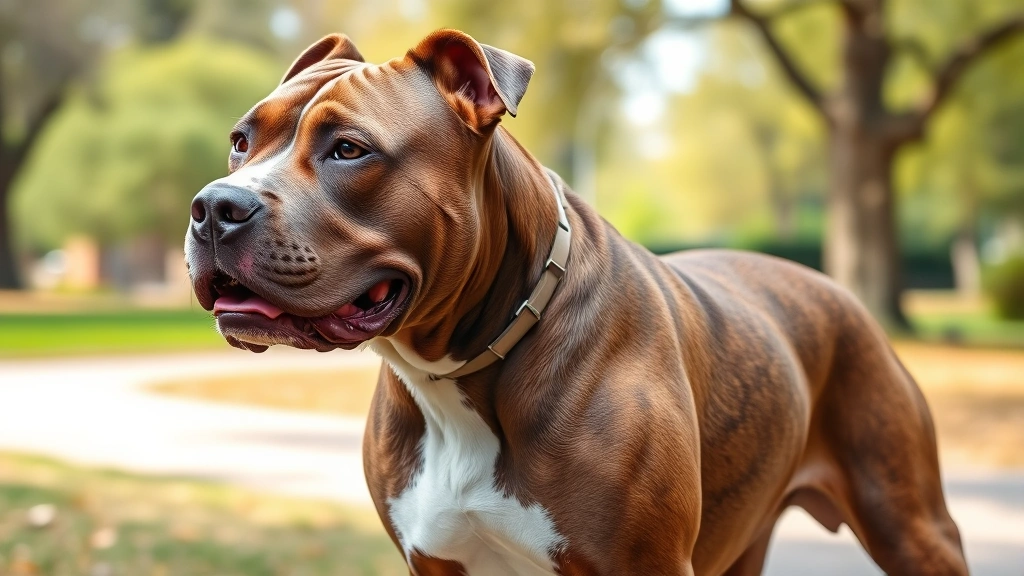
When people talk about kinds of pitbull dogs, they’re usually lumping together a bunch of different breeds that look similar but have wildly different temperaments, histories, and purposes. It’s like calling all sodas “Coke”—technically wrong, but everyone does it anyway. Let me break down the actual pitbull-type breeds so you can stop confusing your American Staffordshire Terrier with your Staffordshire Bull Terrier at the dog park.
Table of Contents
- What Actually Counts as a Pitbull?
- American Pit Bull Terrier: The Original Tough Guy
- American Staffordshire Terrier: The Refined Cousin
- Staffordshire Bull Terrier: The British Original
- Bull Terrier: The Egg-Headed Eccentric
- Miniature Bull Terrier: The Pint-Sized Powerhouse
- Understanding Pitbull-Type Temperament
- Health Considerations for Pitbull Breeds
- Training and Socialization Tips
- Pitbulls as Family Pets
- Legal and Breed Restriction Issues
- Frequently Asked Questions
- Conclusion: Understanding the Real Pitbull
What Actually Counts as a Pitbull?
Here’s the thing: “pitbull” isn’t an official breed recognized by the American Kennel Club. It’s more of a catch-all term for dogs with similar physical characteristics—muscular builds, blocky heads, and powerful jaws. The confusion started because these dogs were originally bred for bull-baiting (a brutal sport, don’t ask), and the name stuck even though modern pitbull-type dogs are nothing like their historical ancestors. When discussing pitbull dog breeds, we’re really talking about a group of related terriers that share ancestry but have developed distinct characteristics.
American Pit Bull Terrier: The Original Tough Guy
The American Pit Bull Terrier (APBT) is probably what you picture when someone says “pitbull.” These dogs weigh between 30-65 pounds and were originally developed in the United States during the 19th century. They’re incredibly athletic, loyal to their owners, and surprisingly affectionate despite their intimidating appearance. APBTs have a muscular frame, a distinctive blocky head, and come in virtually every color imaginable. The breed standard calls for a confident, eager-to-please personality, which is why they actually make fantastic family dogs when properly trained and socialized. Many APBTs work as therapy dogs and service animals, proving that reputation doesn’t always match reality.
American Staffordshire Terrier: The Refined Cousin
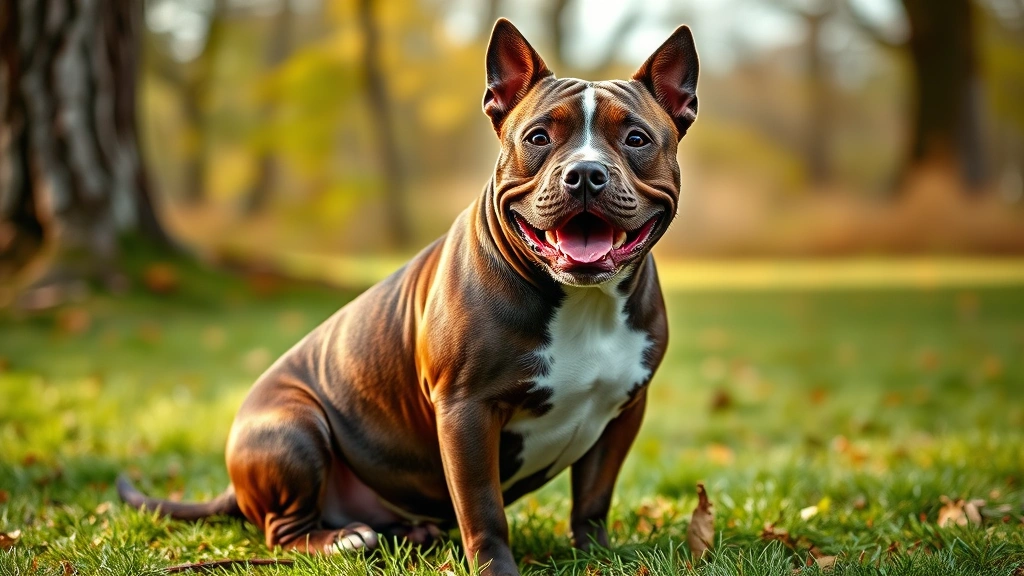
The American Staffordshire Terrier (AmStaff) is basically the APBT’s fancier, slightly more refined cousin. They’re recognized by the AKC, whereas the APBT isn’t, which has led to some amusing gatekeeping in dog circles. AmStaffs are stockier than APBTs, weighing 40-70 pounds, with a broader chest and more defined musculature. They were developed in the 1930s specifically for dog shows, so breeders focused on appearance alongside temperament. These dogs are known for being excellent with children and make wonderful family companions. The main difference between AmStaffs and APBTs? Mostly paperwork and breeding focus, though AmStaffs tend to be slightly bulkier.
Staffordshire Bull Terrier: The British Original
Don’t let the similar name fool you—the Staffordshire Bull Terrier is a completely different breed from the American varieties. Originating in England during the 1800s, these compact powerhouses weigh only 24-38 pounds but pack serious muscle into a smaller frame. They’re sometimes called “Staffies” by fans who absolutely adore them. Despite their historical use in blood sports, modern Staffordshire Bull Terriers are surprisingly gentle and people-oriented. They’re excellent with kids and have earned the nickname “nanny dog” in some circles (though this is more folklore than fact). The breed is recognized by the AKC and the Kennel Club UK, making it one of the most legitimate pitbull-type breeds in official registries.
Bull Terrier: The Egg-Headed Eccentric
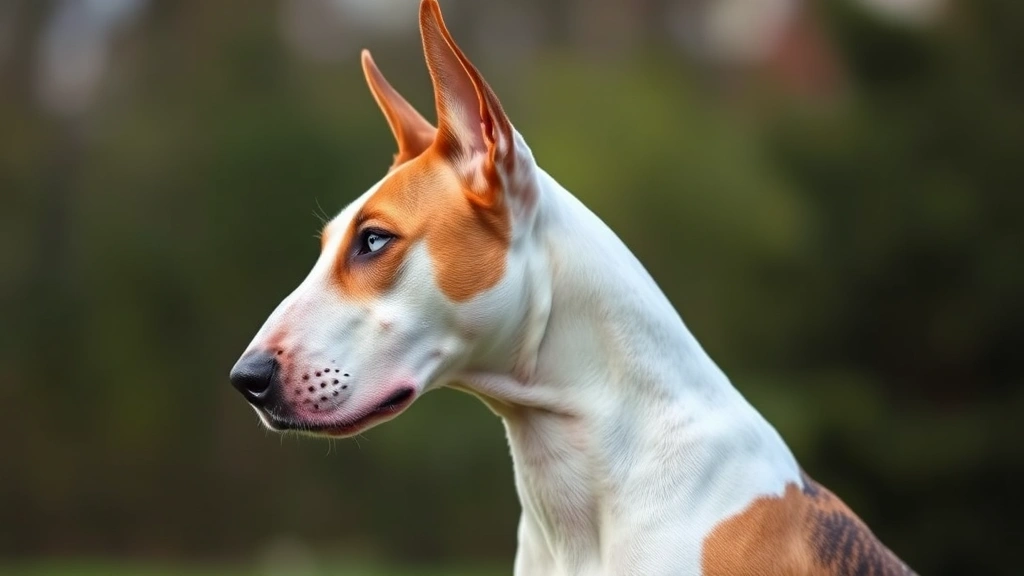
If you’ve ever seen a dog with an egg-shaped head and wondered what breed it was, you’ve spotted a Bull Terrier. These 50-70 pound goofballs are instantly recognizable thanks to their distinctive profile and triangular eyes. Bull Terriers were developed in England by crossing Bulldogs with Old English Terriers, creating a dog that’s part clown, part athlete. They’re incredibly intelligent, stubborn, and have a sense of humor that rivals most humans. Bull Terriers require experienced owners who can handle their independent streak, but in the right hands, they’re loyal, affectionate companions. They come in two varieties: white and colored, and they’re officially recognized by major kennel clubs worldwide.
Miniature Bull Terrier: The Pint-Sized Powerhouse
Everything you love about Bull Terriers, but in a 20-35 pound package. Miniature Bull Terriers have the same egg-shaped head, triangular eyes, and quirky personality as their larger cousins, just more portable. Don’t let the “miniature” label fool you—these dogs have the same muscular build and strength-to-weight ratio as full-size Bull Terriers. They’re perfect for people who want the Bull Terrier experience without needing a mansion. Minis are just as stubborn and entertaining as their larger counterparts, making them excellent for experienced dog owners who appreciate their independent thinking and goofy antics.
Understanding Pitbull-Type Temperament
One of the biggest misconceptions about pitbull breeds is that they’re inherently aggressive. In reality, temperament depends far more on training, socialization, and individual personality than on breed genetics. Studies show that Chihuahuas actually bite more frequently than pit bulls—they’re just smaller, so nobody makes news stories about it. Most pitbull-type dogs are people-pleasers who want nothing more than to hang out with their humans and maybe steal your snacks. The key to a well-behaved pitbull is early socialization, consistent training, and responsible ownership. When you see a poorly behaved pitbull, you’re usually looking at a dog that’s been mistreated or neglected, not a dog that’s inherently vicious.
Health Considerations for Pitbull Breeds
Different kinds of pitbull dogs have different health concerns you should know about. Hip dysplasia, heart disease, and allergies are common across most pitbull-type breeds. The American Kennel Club recommends health testing before breeding to reduce hereditary conditions. Obesity is another serious concern—these muscular dogs love food, and excess weight can lead to joint problems and heart issues. Make sure your pitbull gets plenty of exercise and avoid overfeeding. PetMD recommends regular veterinary checkups and a balanced diet tailored to your dog’s age and activity level. For more on nutrition, check out our guide on obesity and human food treats to keep your pup healthy.
Training and Socialization Tips
All pitbull-type dogs benefit from early socialization and consistent training. These intelligent dogs respond well to positive reinforcement and actually enjoy training sessions when they’re fun. Start socializing your pitbull puppy early—expose them to different people, animals, and environments. This builds confidence and prevents fear-based aggression later. Pitbulls are sensitive to their owner’s emotions, so stay calm and patient during training. Harsh corrections often backfire with these sensitive souls. Consider enrolling in a professional training class, especially if you’re a first-time pitbull owner. Many trainers specialize in pitbull-type breeds and understand their unique needs.
Pitbulls as Family Pets
When properly trained and socialized, pitbull-type dogs make incredible family pets. They’re loyal, protective without being aggressive, and genuinely enjoy spending time with their humans. Many families with children have pitbulls that are gentler than golden retrievers. The key is supervision—any dog can accidentally knock over a small child, regardless of breed. Pitbulls are also surprisingly good with other pets when introduced properly. They’re not inherently dog-aggressive; that behavior is usually trained in or results from poor socialization. If you’re considering a pitbull as a family dog, make sure you have time for training, exercise, and socialization. These dogs need active owners who will invest in their development.
Legal and Breed Restriction Issues
Unfortunately, many cities and apartments have breed restrictions that specifically target pitbull-type dogs. These restrictions are based on fear and media sensationalism rather than statistical evidence. Some insurance companies also charge higher premiums for pitbull owners. It’s worth researching your local laws before getting a pitbull, as you might face legal restrictions or housing challenges. Some communities are moving away from breed-specific legislation and focusing instead on dangerous dog laws that apply to any breed. Advocacy groups are working hard to change these outdated policies, but progress is slow. If you love pitbulls, consider supporting organizations fighting breed discrimination.
Frequently Asked Questions
Are all pitbull-type dogs dangerous?
No. Pitbull-type dogs are not inherently dangerous. Any dog can be dangerous if mistreated, poorly trained, or neglected. Temperament depends far more on individual personality, training, and socialization than on breed. Studies consistently show that owner responsibility and training are the primary factors in dog behavior.
What’s the difference between an American Pit Bull Terrier and an American Staffordshire Terrier?
The main differences are size and official recognition. AmStaffs are bulkier and recognized by the AKC, while APBTs are leaner and not officially recognized. Both breeds share similar ancestry and temperament, but AmStaffs were developed specifically for dog shows.
Can pitbulls live in apartments?
Yes, pitbulls can adapt to apartment living if they get enough exercise and mental stimulation. They’re medium-to-large dogs, so they need regular walks and playtime, but they’re not hyperactive couch potatoes either. Many apartment-dwelling pitbulls thrive with responsible owners.
How much exercise do pitbull breeds need?
Most pitbull-type dogs need 60-90 minutes of exercise daily. This can include walks, playtime, running, or training sessions. They’re athletic dogs that enjoy activities, but they’re not marathon runners. A good balance of physical exercise and mental stimulation keeps them happy and well-behaved.
What should I feed my pitbull?
Feed your pitbull high-quality dog food appropriate for their age and activity level. Avoid overfeeding, as these dogs are prone to obesity. Consult your veterinarian for specific dietary recommendations. Check out our article on can dogs eat bananas for information about safe treats.
Do pitbulls get along with other dogs?
Most pitbull-type dogs get along fine with other dogs when properly socialized. Dog aggression is not a breed trait; it’s usually the result of poor socialization, mistreatment, or intentional training. Early socialization is key to raising a pitbull that’s friendly with other pets.
Conclusion: Understanding the Real Pitbull
The various kinds of pitbull dogs are diverse, intelligent, and capable of being wonderful family companions. From the blocky-headed American Pit Bull Terrier to the egg-shaped Bull Terrier, each breed has unique characteristics worth appreciating. The biggest takeaway? Pitbulls aren’t monsters—they’re dogs that have been unfairly demonized by media sensationalism and breed discrimination. With proper training, socialization, and responsible ownership, any pitbull-type dog can be a loyal, affectionate family member. If you’re considering adding a pitbull to your family, research the specific breed, find a reputable breeder or rescue, and commit to training and socialization. These amazing dogs deserve better than their reputation suggests. For more information about dog care and nutrition, check out our blog for additional resources. Whether you’re drawn to the American Staffordshire Terrier’s strength, the Staffordshire Bull Terrier’s compact charm, or the Bull Terrier’s eccentric personality, there’s a pitbull-type breed out there that’s perfect for you.





