
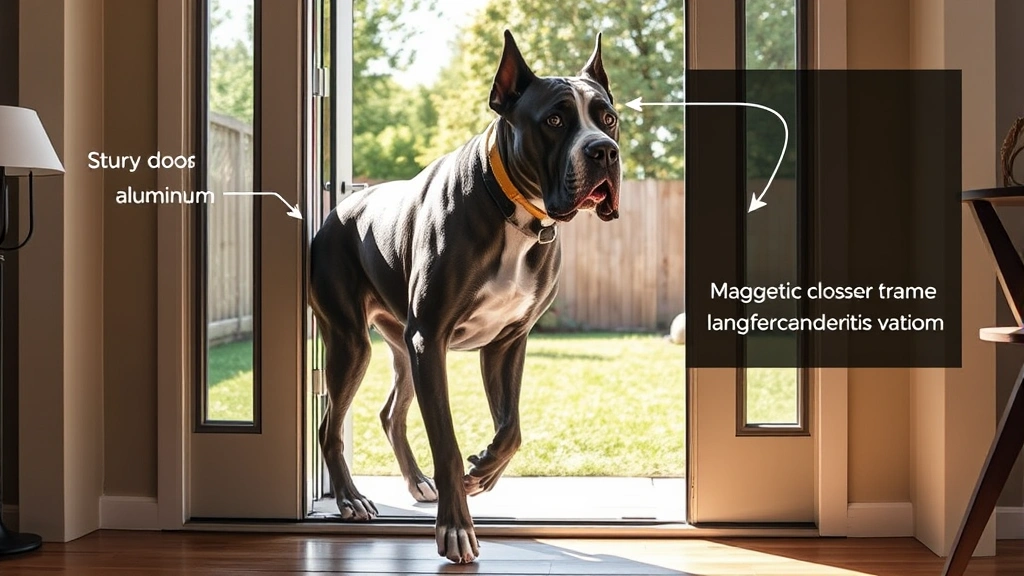
A large dog door isn’t just a convenience—it’s basically a freedom pass for your gentle giant to roam between indoor and outdoor spaces without you having to play doorman 24/7. If you’ve got a Great Dane, Saint Bernard, or German Shepherd lounging around your house, you know exactly how exhausting it is to constantly open and close doors for them. But here’s the thing: not all dog doors are created equal, especially when you’re dealing with XL breeds that could practically knock down a standard door with their enthusiasm.
Table of Contents
- Why Your XL Breed Needs a Proper Large Dog Door
- Understanding Door Dimensions for Extra-Large Breeds
- Flap-Style Large Dog Doors: The Classic Choice
- Electronic and Smart Large Dog Door Solutions
- Sliding Glass Door Inserts for Seamless Integration
- Wall-Mounted Large Dog Doors: Permanent and Powerful
- Weather Protection and Insulation Features
- Installation Considerations for Large Dog Doors
- Maintenance and Durability for Heavy-Use Doors
- Comparing Top Brands and Models for 2024
- Budget-Friendly vs. Premium Large Dog Door Options
- Troubleshooting Common Large Dog Door Problems
- Frequently Asked Questions
Why Your XL Breed Needs a Proper Large Dog Door
Listen, your massive pooch isn’t trying to be difficult when they stand at the door and stare at you with those sad eyes. They genuinely need access to the outdoors for bathroom breaks, exercise, and fresh air. A quality large dog door installation means your furry friend can manage their own schedule without turning you into a full-time door operator. Plus, let’s be honest—your back will thank you for not having to bend down and push/pull a tiny door frame fifty times a day.
For XL breed owners, investing in the right door setup also prevents destructive behavior. When dogs can’t access outdoor spaces when they need to, they get anxious and start redecorating your furniture. A properly sized opening keeps everyone happy and your couch intact.
Understanding Door Dimensions for Extra-Large Breeds
Before you start shopping, you need to know your dog’s measurements. Measure your pup’s height at the shoulder and their width at the chest—these are your magic numbers. Most standard large dog door options range from 10×20 inches up to 15×28 inches, but XL breeds often need the maximum size or custom solutions.
Here’s a pro tip: add about 2-3 inches to your dog’s actual measurements to ensure they can pass through comfortably without feeling squeezed. Nobody wants a dog door that requires your Great Dane to contort like a yoga instructor just to get outside. The door should feel natural and easy to use, not like an obstacle course.
Flap-Style Large Dog Doors: The Classic Choice
Traditional flap-style large dog doors remain the most popular option for good reason. They’re straightforward, durable, and come in various materials like plastic, aluminum, or composite. The flap design allows dogs to push through easily while still providing some insulation and weather protection.
For XL breeds, look for heavy-duty flap materials that won’t wear out quickly. Plastic flaps tend to crack under the weight of massive dogs repeatedly pushing through, while aluminum or reinforced composite materials hold up better over time. Many premium models feature magnetic closures and weather seals that actually work, keeping drafts and pests out.
The downside? Flap doors don’t offer much security. Any determined critter—or opportunistic neighborhood dog—can push through. If security is a concern, you might want to pair your flap door with a locking cover for nighttime use.
Electronic and Smart Large Dog Door Solutions
Welcome to the future, where your dog’s door can be smarter than some people. Electronic large dog doors use microchip technology to ensure only your pet can enter and exit. This is a game-changer if you’re worried about neighborhood cats treating your home like a personal highway or if you have multiple pets with different outdoor privileges.
These smart systems work by reading your dog’s microchip as they approach, automatically unlocking the door. Some models even sync with your smartphone, giving you real-time alerts about when Fido heads outside. For XL breeds, make sure the electronic mechanism is robust enough to handle the force of a 100+ pound dog pushing through repeatedly.
The investment is higher—expect to spend $300-$800 for quality electronic options—but the peace of mind and control are worth it for many owners. Plus, you can set schedules, monitor activity, and keep unwanted animals out. It’s like having a security system designed specifically for your dog’s bathroom habits.
Sliding Glass Door Inserts for Seamless Integration
If you’ve got sliding glass doors but don’t want to cut into your walls, sliding glass door inserts are your answer. These large dog door options fit directly into your existing sliding glass frame, making them perfect for renters or anyone hesitant about permanent modifications.
The beauty of this setup is that they maintain your home’s aesthetic while providing full-size access for XL breeds. Most models are adjustable and can accommodate dogs up to 100+ pounds. Installation typically takes less than an hour, and removal is equally simple if needed.
One consideration: these work best for homes where you have a dedicated sliding glass door leading to outdoor space. If your layout doesn’t include this, you’re back to wall-mounted options.
Wall-Mounted Large Dog Doors: Permanent and Powerful
For the serious XL breed owner, wall-mounted large dog doors are the gold standard. These require cutting into your wall or door frame, but they provide the most stability and durability for heavy, powerful dogs.
Installation matters here—you’ll likely need a professional to ensure proper framing, insulation, and weatherproofing. A poorly installed door becomes an energy drain and potential security risk. Quality installation costs money upfront but prevents headaches (and heating bills) later.
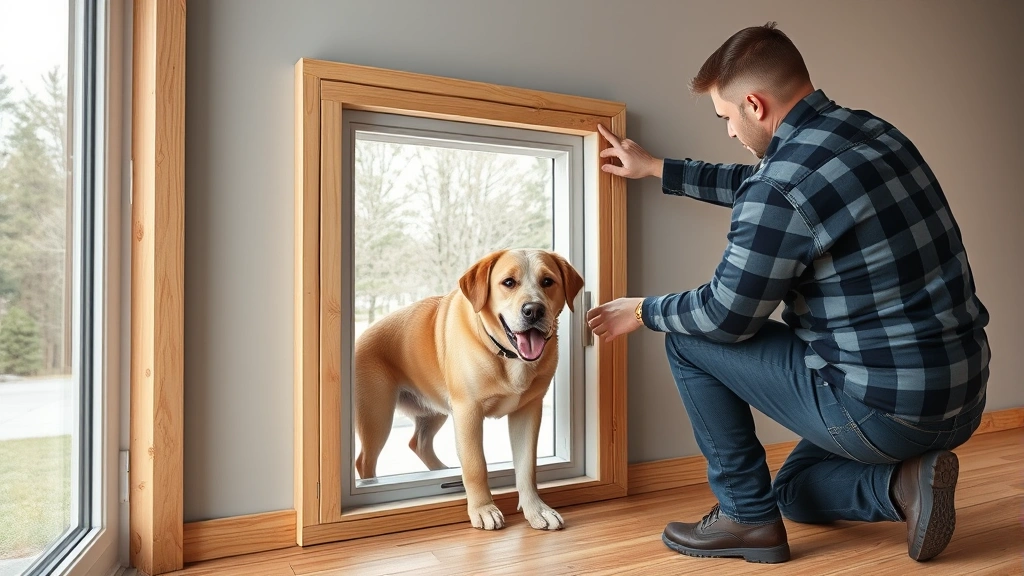
Wall-mounted options come in various materials: aluminum frames with plastic flaps, heavy-duty plastic construction, or premium composite materials. For XL breeds, aluminum with reinforced flaps is typically the sweet spot between durability and affordability.
Weather Protection and Insulation Features
Your large dog door isn’t just about access—it’s also about keeping your home comfortable. Quality models include weather seals, magnetic closures, and insulated frames that actually reduce drafts. This matters more than you’d think, especially if you live somewhere with harsh winters or scorching summers.
Look for doors with brush seals around the edges and double-flap designs that trap air and prevent temperature exchange. Some premium models include thermal barriers that significantly reduce energy loss. If you’re in a cold climate, this feature alone can save you money on heating costs over time.
For the environmentally conscious, check out cruelty-free pet supplies brands that prioritize sustainable materials in their dog door construction without sacrificing performance.
Installation Considerations for Large Dog Doors
Where you install your large dog door matters as much as what you install. Ideally, choose a location that’s easily accessible to your dog but away from high-traffic areas where you might trip over the opening. A door leading to a secure backyard is perfect; a door facing your front street? Not so much.
Consider the structural integrity of your chosen location. Installing a large dog door in a load-bearing wall requires professional help and potentially permits. Your local building codes might have specific requirements about dog door placement and size, especially for large openings.
Temperature control is another factor. Placing the door on the north side of your home (in the Northern Hemisphere) minimizes direct sun exposure and heat gain. If you’re in a hot climate, this small detail can impact your cooling costs significantly.
Maintenance and Durability for Heavy-Use Doors
XL breeds use their doors frequently and with force. A large dog door designed for these conditions needs regular maintenance to last. Check flaps monthly for cracks or warping, especially if you’ve got a 150-pound Newfoundland launching through like they’re training for the canine Olympics.
Clean the frame and seals regularly to prevent dirt buildup that compromises the weather seal. If you notice drafts or the flap doesn’t close properly, address it quickly before it becomes a bigger problem. Many issues are simple fixes—a misaligned frame or loose hinge—but ignoring them leads to costly damage.
Quality matters here. A cheap large dog door might save you $100 upfront but will need replacement in 2-3 years. A premium option costs more initially but typically lasts 7-10 years with minimal maintenance.
Comparing Top Brands and Models for 2024
The market for large dog doors has exploded, giving you plenty of options. According to the American Kennel Club, popular breeds requiring large doors include German Shepherds, Labrador Retrievers, and Golden Retrievers—all of which need doors sized for 60-80 pound frames at minimum.
Leading brands like PetSafe, Ideal Pet Products, and High Tech Pet offer models specifically designed for XL breeds. PetSafe’s AlphaMax is a crowd favorite for large dogs, featuring a heavy-duty aluminum frame and magnetic closure. Ideal Pet’s Aluminum Sliding Glass Door Insert works beautifully for those with sliding doors.
Research reviews from actual owners of large breeds—not just anyone with a dog. A product might work fine for a 30-pound Beagle but fail miserably under the weight and force of a Great Dane. Look for feedback specifically mentioning durability with heavy, large dogs.
Budget-Friendly vs. Premium Large Dog Door Options
You don’t need to spend $1,000 on a dog door, but you also shouldn’t cheap out on a $50 option that’ll fall apart in months. The sweet spot for quality large dog door solutions is typically $150-$400 for flap-style options and $300-$800 for electronic models.
Budget options work fine if you’re handy with installation and don’t mind replacing them more frequently. Premium options offer better materials, longer warranties, and superior insulation—plus they often look nicer, which matters if you care about your home’s appearance.
Consider this an investment in your dog’s quality of life and your own sanity. A few extra dollars spent now prevents months of frustration and potential home damage from a dog desperate to access outdoor space.
Troubleshooting Common Large Dog Door Problems
Even the best large dog door can develop issues. If your dog seems hesitant to use the door, it might be too tight, the flap resistance is too high, or they simply need training. Start by holding the flap open and encouraging them through with treats. Most dogs catch on quickly once they realize it’s their personal portal to freedom.
If you notice drafts, check the weather seals and flap closure. A misaligned frame often causes poor sealing. If the flap is cracked or damaged, replace it immediately—a broken flap compromises both insulation and security.
Pests getting through? Upgrade to an electronic model with microchip technology, or install a locking cover for nighttime use. Standard flap doors won’t keep determined raccoons or neighborhood cats out, so manage expectations accordingly.
Frequently Asked Questions
What size large dog door do I need for a Great Dane?
Great Danes typically need a door opening of at least 15×28 inches, sometimes larger. Measure your specific dog from the top of their head to their paws and across their chest at the widest point, then add 2-3 inches for comfortable passage. Many Great Dane owners opt for custom or maximum-size options to ensure their gentle giants don’t have to squeeze through.
Can I install a large dog door in a rental property?
Yes! Sliding glass door inserts are perfect for renters since they require no permanent installation. You can simply remove them when you move without leaving damage. Wall-mounted options require landlord permission and typically involve permanent modifications, so check your lease first.
Are electronic large dog doors worth the extra cost?
For XL breed owners concerned about security or unwanted animals entering, absolutely. The microchip technology ensures only your pet accesses the door, and many models offer smartphone monitoring. If you have multiple pets with different outdoor privileges or live in an area with wildlife concerns, the investment pays dividends in peace of mind.
How do I weatherproof a large dog door?
Look for models with magnetic closures, brush seals, and insulated frames. Install the door on a protected side of your home if possible. You can also add weatherstripping around the frame and consider a locking cover for extreme weather or nighttime use. Proper installation with sealed gaps around the frame opening is crucial.
Will a large dog door affect my home’s energy efficiency?
A poorly installed or low-quality door will definitely impact efficiency. Quality models with insulation and proper sealing minimize energy loss. Electronic doors with smart controls can actually help by preventing unnecessary door openings. The initial investment in a good door often pays for itself through energy savings over several years.
What’s the best location for a large dog door?
Choose a spot that’s easily accessible to your dog but away from main living areas where you might trip. A door leading to a secure, fenced backyard is ideal. Avoid high-traffic hallways or locations in load-bearing walls. Consider sun exposure—north-facing doors in hot climates reduce cooling costs.
Your XL breed deserves easy access to outdoor space, and you deserve relief from being a full-time door operator. A quality large dog door is an investment in both your dog’s happiness and your home’s functionality. Whether you choose a traditional flap, electronic smart door, or sliding glass insert, prioritize durability, proper sizing, and professional installation. Your future self—and your Great Dane—will thank you.
For more information on keeping your large breed comfortable during travel, check out our guide on car seats for dogs. And if you’re looking to upgrade your dog’s overall gear, we’ve got recommendations for durable dog collars that match the quality standards of premium dog doors. Want to learn more about specific large breeds? Our article on Catahoula Leopard Dog personality covers another XL breed worth understanding.
For additional expert guidance, consult PetMD’s resources on pet care and home safety for large dogs.





