

As a dog parent, you’ve likely experienced that heart-stopping moment when you realize your furry friend has gotten into something they shouldn’t have. When it comes to onions, even a small amount can pose serious health risks to your canine companion. Understanding the dangers of onion consumption in dogs is crucial for every pet owner, as the effects can be both immediate and long-lasting.
Many pet owners wonder, “will a small amount of onion hurt my dog?” The answer isn’t as straightforward as you might hope. While a tiny piece might not cause immediate visible symptoms, onions contain compounds that are toxic to dogs regardless of the quantity consumed. The severity of the reaction depends on several factors including your dog’s size, the amount ingested, and their individual sensitivity to the toxic compounds.
Why Onions Are Toxic to Dogs
Onions belong to the Allium family, which includes garlic, leeks, chives, and shallots. These vegetables contain compounds called N-propyl disulfide and other organosulfur compounds that are harmless to humans but extremely dangerous to dogs. When dogs consume these substances, they cause oxidative damage to red blood cells, leading to a condition called hemolytic anemia.
The toxic compounds in onions work by binding to the oxygen molecules in your dog’s red blood cells, forming structures called Heinz bodies. These damaged cells become fragile and are destroyed faster than the body can replace them, resulting in anemia. This process is irreversible once it begins, making prevention absolutely critical.
What makes onion toxicity particularly concerning is that all forms of onions are dangerous – raw, cooked, powdered, or dehydrated. Onion powder, commonly found in seasonings and processed foods, is especially concentrated and poses an even greater threat. Even foods that have been cooked with onions can retain enough of these toxic compounds to harm your dog.
According to the American Kennel Club, dogs are much more sensitive to these compounds than other animals, making even small exposures potentially dangerous.
The Danger of Small Amounts
When pet owners ask whether a small amount of onion will hurt their dog, it’s important to understand that there’s no truly “safe” amount of onion for dogs. The toxic dose is generally considered to be around 15-20 grams of onion per kilogram of body weight, but sensitivity varies greatly between individual dogs. For a small dog weighing 10 pounds, this means just a few slices of onion could be toxic.
However, the effects of onion toxicity are cumulative, meaning that repeated small exposures can build up in your dog’s system over time. A dog that regularly receives small amounts of onion-containing foods may develop chronic anemia without obvious acute symptoms. This makes it especially important to understand can dogs eat onions and maintain strict avoidance.
The size and breed of your dog play crucial roles in determining the severity of onion toxicity. Smaller dogs are at higher risk because they reach toxic doses more quickly. Additionally, certain breeds, including Japanese breeds like Shiba Inus and Akitas, appear to be more susceptible to onion toxicity due to genetic factors affecting their red blood cell structure.
Research published by the National Center for Biotechnology Information shows that even amounts as small as 5 grams per kilogram of body weight can cause detectable changes in red blood cell counts, emphasizing that no amount should be considered safe.
Symptoms to Watch For
Onion toxicity symptoms in dogs don’t always appear immediately. The onset can be delayed by several days, making it challenging for pet owners to connect the symptoms with onion consumption. Early signs include lethargy, weakness, and decreased appetite. Your dog may seem unusually tired or reluctant to engage in normal activities.
As the condition progresses, you may notice pale gums, which indicate anemia. The gums may appear white, pale pink, or even yellowish due to the breakdown of red blood cells. Rapid breathing and increased heart rate are also common as the body struggles to deliver oxygen with fewer healthy red blood cells.
Gastrointestinal symptoms often accompany onion toxicity, including vomiting, diarrhea, and abdominal pain. Your dog may also experience excessive drooling or seem uncomfortable when touched around the stomach area. In severe cases, you might notice dark-colored urine, which indicates the presence of damaged red blood cell components being filtered by the kidneys.
Advanced symptoms can include collapse, difficulty breathing, and jaundice (yellowing of the skin and whites of the eyes). If you notice any of these signs, especially if you suspect onion consumption, knowing how to tell if a dog has a fever can help you assess the severity of the situation before seeking emergency veterinary care.
The ASPCA Animal Poison Control Center emphasizes that symptoms can appear anywhere from one to several days after ingestion, making vigilant monitoring essential.
What to Do If Your Dog Eats Onion
If you discover that your dog has consumed onion, time is critical. The first step is to assess how much was consumed and when. Try to determine the type of onion product (raw, cooked, powder) and the approximate quantity. Remove any remaining onion from your dog’s reach immediately to prevent further consumption.
Contact your veterinarian or pet poison control hotline immediately, even if your dog appears fine. The delayed onset of symptoms means that waiting to see if problems develop is not advisable. Your veterinarian may recommend inducing vomiting if the ingestion was recent (within 2-4 hours), but this should only be done under professional guidance. Understanding how to induce vomiting in dogs safely is important, but attempting this without veterinary guidance can be dangerous.
Never attempt home remedies or wait-and-see approaches with onion toxicity. Unlike some other toxic ingestions where how to make your dog throw up might be considered, onion toxicity requires professional medical intervention due to its complex mechanism of action and delayed effects.
Document everything about the incident, including the time of ingestion, the type and amount of onion consumed, and any symptoms you observe. This information will be crucial for your veterinarian in determining the appropriate treatment plan. Take photos of any remaining onion products if possible to help identify exactly what was consumed.
Treatment and Recovery Process
Veterinary treatment for onion toxicity focuses on supportive care and monitoring. If caught early, your veterinarian may induce vomiting and administer activated charcoal to prevent further absorption of toxic compounds. However, if significant time has passed since ingestion, the focus shifts to managing the effects of red blood cell damage.
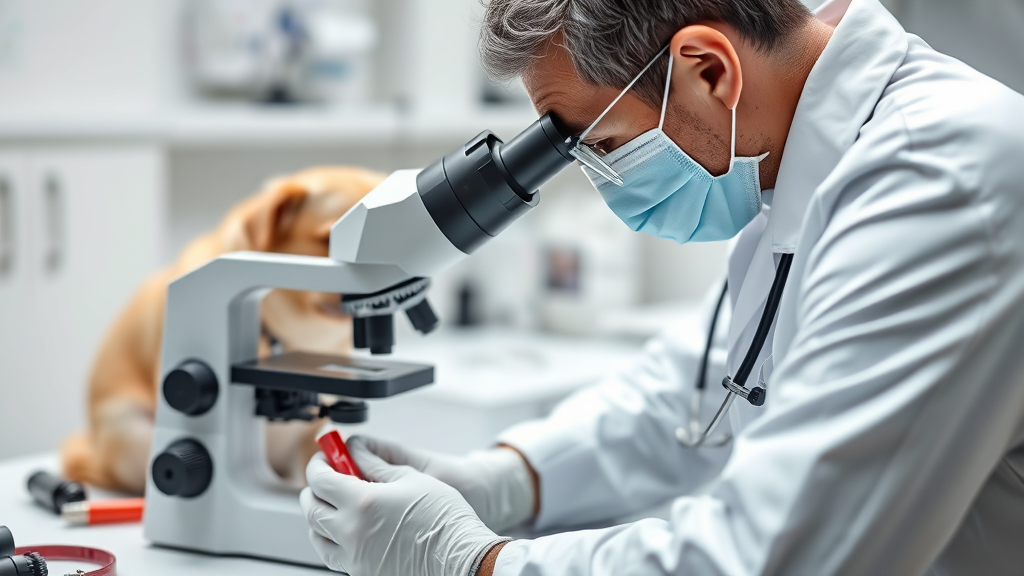
Blood work is essential for diagnosing and monitoring onion toxicity. Your veterinarian will perform complete blood counts to assess red blood cell levels and look for signs of anemia. They may also check for the presence of Heinz bodies in the blood, which are characteristic of onion toxicity. Additional tests might include chemistry panels to evaluate organ function and urinalysis to check for signs of red blood cell breakdown.
Treatment may include intravenous fluid therapy to support kidney function and help eliminate toxins from the body. In severe cases, blood transfusions may be necessary to replace damaged red blood cells. Oxygen therapy might be provided if your dog is experiencing breathing difficulties due to severe anemia.
The recovery process can take several weeks, as it takes time for the body to produce new, healthy red blood cells. During this period, your dog will need restricted activity and careful monitoring. Follow-up blood work is typically required to track recovery progress and ensure that red blood cell counts are returning to normal levels.
According to the American Veterinary Medical Association, the prognosis for onion toxicity is generally good with prompt and appropriate treatment, but the recovery period can be lengthy and requires patience from pet owners.
Prevention and Safety Tips
The best approach to onion toxicity is complete prevention. This means being vigilant about all sources of onions in your household, including obvious ones like whole onions and less obvious sources like onion powder in seasonings, soup mixes, and prepared foods. Read ingredient labels carefully, as onion powder is commonly found in many processed human foods.
Establish clear rules in your household about not feeding table scraps to your dog, especially foods that have been seasoned or cooked with onions. Educate all family members, including children, about which foods are dangerous for dogs. Create a list of safe and unsafe foods and post it in your kitchen as a reminder.
Be particularly careful during cooking and meal preparation. Onion scraps should be disposed of immediately in a secure garbage can that your dog cannot access. Clean up any onion pieces that may fall on the floor during food preparation. Store onions in closed cabinets or areas where your dog cannot reach them.
When dining out or ordering takeout, be aware that many restaurant dishes contain onions or onion powder. Never share these foods with your dog, even if the onions have been removed, as the toxic compounds can remain in the food. This awareness should extend to other potentially dangerous foods, such as understanding why can’t dogs have chocolate.
Consider using pet gates or crates during meal preparation and dining times to keep your dog safely away from potential hazards. Train your dog with commands like “leave it” and “stay” to help prevent opportunistic snacking on dangerous foods.
Other Foods to Avoid
While onions are particularly dangerous, they’re not the only common household food that can harm your dog. Garlic, which belongs to the same Allium family, is also toxic and can cause similar symptoms to onion poisoning. In fact, garlic is even more concentrated in toxic compounds than onions, making it potentially more dangerous in smaller quantities.
Chocolate is another well-known toxin for dogs, and pet owners should be familiar with what to do if dog eats chocolate. Like onions, chocolate toxicity can be serious and requires immediate veterinary attention. The toxic compounds in chocolate, theobromine and caffeine, affect the nervous and cardiovascular systems differently than onion toxins but are equally dangerous.
Other vegetables that may surprise pet owners include certain tomatoes and mushrooms. While ripe tomatoes are generally safe in small quantities, green tomatoes and tomato plants can be problematic, making it important to understand are tomatoes bad for dogs. Similarly, while some mushrooms are safe, others can be deadly, so learning about can dogs eat mushrooms is essential for safety.
Grapes and raisins, macadamia nuts, xylitol (artificial sweetener), and avocados are also on the dangerous foods list. Each of these affects dogs differently but can cause serious health problems ranging from kidney failure to neurological symptoms.
The Humane Society provides comprehensive lists of foods that are toxic to pets, which can serve as a valuable reference for pet owners looking to keep their homes safe.
Frequently Asked Questions
Will a tiny piece of onion kill my dog?
While a tiny piece of onion is unlikely to immediately kill a healthy dog, it’s important to understand that any amount of onion is potentially harmful. The toxicity is cumulative, meaning small amounts over time can build up and cause problems. Even small exposures can cause subclinical damage to red blood cells. The safest approach is to avoid giving your dog any amount of onion, regardless of size.
How long after eating onion will my dog show symptoms?
Symptoms of onion toxicity can appear anywhere from a few hours to several days after consumption, with most cases showing signs within 1-3 days. The delayed onset makes onion toxicity particularly tricky because pet owners may not immediately connect the symptoms with onion consumption. This is why it’s crucial to contact your veterinarian immediately if you know your dog has consumed onion, even if they appear fine.
Can onion powder hurt my dog more than fresh onions?
Yes, onion powder is actually more dangerous than fresh onions because it’s highly concentrated. A small amount of onion powder contains much more of the toxic compounds than the same amount of fresh onion. This makes seasoning blends, soup mixes, and processed foods containing onion powder particularly hazardous. Always check ingredient labels and avoid sharing any seasoned foods with your dog.
What should I do if my dog accidentally licks a plate that had onions on it?
While licking a plate that previously contained onions is less concerning than eating actual onion pieces, it’s still worth monitoring your dog for any symptoms. Contact your veterinarian to discuss the situation and get professional advice. Document the incident and watch for any signs of lethargy, pale gums, or gastrointestinal upset over the next few days.
Are some dog breeds more sensitive to onion toxicity than others?
Yes, certain breeds appear to be more susceptible to onion toxicity. Japanese breeds like Akitas and Shiba Inus have been noted to have higher sensitivity, possibly due to genetic factors affecting their red blood cell structure. However, all dogs are at risk regardless of breed, so onion avoidance should be practiced universally. Size is also a factor, with smaller dogs reaching toxic doses more quickly than larger dogs.
Can cooking onions make them safe for dogs?
No, cooking does not make onions safe for dogs. The toxic compounds in onions are heat-stable, meaning they remain dangerous whether the onions are raw, cooked, dehydrated, or powdered. In fact, concentrated forms like onion powder can be more dangerous than fresh onions. Any food prepared with onions should be considered off-limits for dogs, even if the visible onion pieces are removed.
How do veterinarians test for onion toxicity?
Veterinarians diagnose onion toxicity through blood work, specifically complete blood counts that measure red blood cell levels and look for signs of anemia. They may also examine blood smears under a microscope to look for Heinz bodies, which are characteristic formations that appear in red blood cells damaged by onion toxicity. Additional tests might include chemistry panels to check organ function and urinalysis to detect signs of red blood cell breakdown products.





