
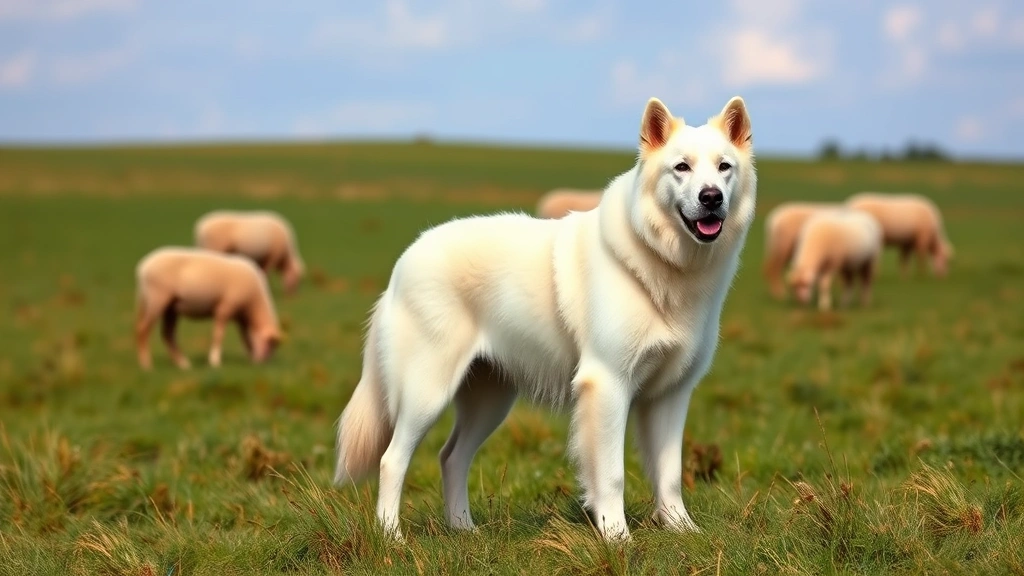
An LGD dog, or livestock guardian dog, is basically nature’s security system for your farm—a massive, loyal canine that treats your sheep, goats, and chickens like they’re family (because in their mind, they are). These aren’t your typical pet dogs; they’re working animals bred over centuries to protect livestock from predators, and they take that job seriously.
Table of Contents
- What Exactly Is an LGD Dog?
- Popular LGD Dog Breeds You Should Know
- Key Characteristics of Livestock Guardian Dogs
- Training Your LGD Dog: It’s Not Like Training Other Dogs
- Health and Nutrition for Your LGD Dog
- Living Arrangements: Housing Your LGD Dog
- Socialization Beyond the Livestock
- Common Challenges with LGD Dogs
- Health Concerns Specific to LGD Dogs
- Choosing the Right LGD Dog for Your Property
- The Lifespan and Long-Term Commitment
- Frequently Asked Questions
- Conclusion: Is an LGD Dog Right for You?
What Exactly Is an LGD Dog?
So what makes an LGD dog different from your average German Shepherd or Golden Retriever? Everything, really. Livestock guardian dogs are large, independent thinkers bred specifically to live among livestock and protect them from threats like wolves, coyotes, and wild dogs. Unlike herding dogs that move and control livestock, LGDs stay with the herd, using their size, bark, and intimidating presence to deter predators.
These dogs have been working alongside farmers and ranchers for thousands of years. Ancient civilizations in the Middle East, Europe, and Asia all developed their own versions of guardian breeds. The job description hasn’t changed much: be tough, be alert, be loyal, and keep the dinner menu off the menu.
Popular LGD Dog Breeds You Should Know
Not all livestock guardian dogs look or act the same, though they share common traits like independence, intelligence, and a protective nature. Here are the most popular LGD dog breeds:
Great Pyrenees: These white giants can weigh up to 160 pounds and were originally bred in the Pyrenees Mountains to guard sheep. They’re calm, patient, and absolutely fearless when it comes to protecting their flock.
Anatolian Shepherd: Don’t let the name fool you—these Turkish powerhouses are serious business. They’re faster and more aggressive than some other LGD dog breeds, making them excellent at actively defending livestock.
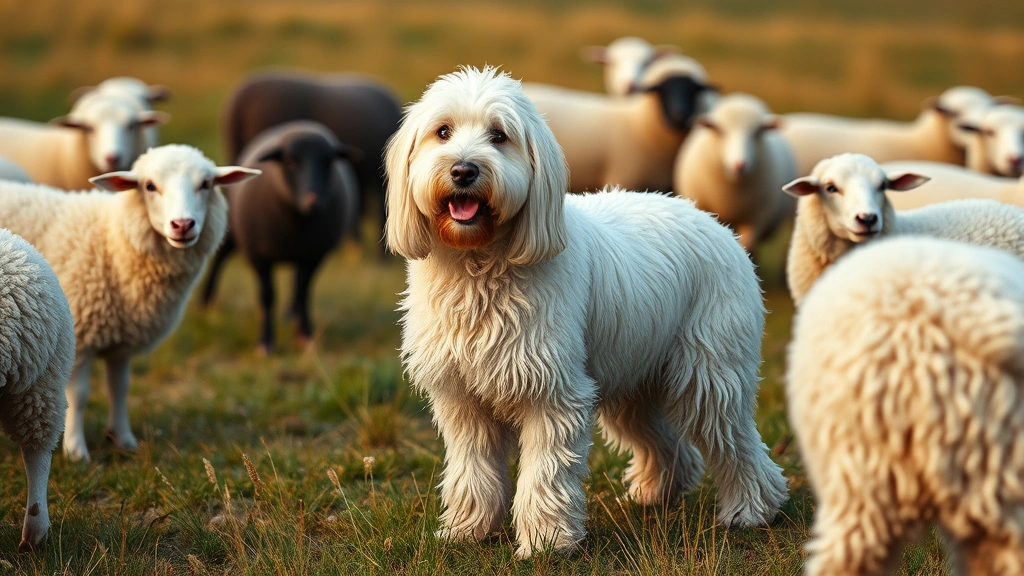
Komondor: With their distinctive corded coat that looks like dreadlocks, Komondors are Hungarian guardians that can weigh over 130 pounds. That wild appearance isn’t just for show; it actually helps them blend in with sheep herds.
Maremma Sheepdog: Italian in origin, these white dogs are slightly smaller than Great Pyrenees but equally effective. They’re known for being slightly more responsive to training than some other guardian breeds.

Caucasian Shepherd Dog: These massive Russian dogs can weigh up to 220 pounds and have thick, fluffy coats. They’re incredibly protective and were originally bred to guard livestock in the Caucasus Mountains.
Key Characteristics of Livestock Guardian Dogs
Understanding what makes an effective LGD dog is crucial if you’re considering one for your property. These animals share several defining characteristics:
Size and Strength: Most LGD dog breeds weigh between 80 and 160+ pounds. This size alone is often enough to make predators think twice. A livestock guardian dog’s sheer presence is part of its defense strategy.
Independent Nature: Unlike dogs bred to take commands constantly, LGD dogs are independent thinkers. They need to make split-second decisions about threats without waiting for their owner’s input. This independence can make training challenging but is essential for their job.
Protective Instinct: An LGD dog’s protective nature isn’t learned behavior—it’s hardwired. These dogs naturally bond with whatever animals they’re raised with and will defend them fiercely.
Nocturnal Activity: Many livestock guardian dogs are most active at night when predators typically hunt. Your LGD dog might sleep most of the day and patrol at night, which is exactly what you want.
Training Your LGD Dog: It’s Not Like Training Other Dogs
Here’s where things get real: training an LGD dog is completely different from training a typical pet dog. You can’t just teach them to sit and stay; you need to instill in them the values and behaviors that make them effective guardians.

Start socialization early. An LGD dog puppy should be introduced to the livestock it will protect as soon as possible—ideally when the puppy is just a few weeks old. This bonding process is critical. The dog needs to view the animals as family members, not as potential prey or toys.
Patience is your best friend here. LGD dogs mature slowly, sometimes not reaching full maturity until 3-4 years old. During this time, you’ll need to consistently reinforce good behavior and provide clear boundaries. Check out similar working dog personality traits to understand independent breeds better.
Basic obedience is still important, but it looks different with an LGD dog. You’re not looking for a dog that obeys every command immediately. Instead, you want a dog that responds to critical commands like recall in emergencies while maintaining their independent guardian instincts.
Health and Nutrition for Your LGD Dog
Keeping your livestock guardian dog healthy requires attention to their specific needs. These are large, active dogs that need proper nutrition to maintain muscle mass and energy levels.
Feed your LGD dog high-quality dog food formulated for large breeds. Look for foods with adequate protein (at least 25%) and fat content. Many LGD dog owners feed their dogs twice daily to prevent bloat, a serious condition in large breeds.
Hip dysplasia and elbow dysplasia are common concerns in large LGD dog breeds. Choose a reputable breeder who screens for these conditions. Regular exercise helps maintain joint health, but avoid strenuous activity in puppies until their growth plates close.
For specific dietary questions, consult the guide on vet-approved foods for pets and always check with your veterinarian before introducing new foods. Also, be aware of harmful foods for dogs that could cause serious health issues.
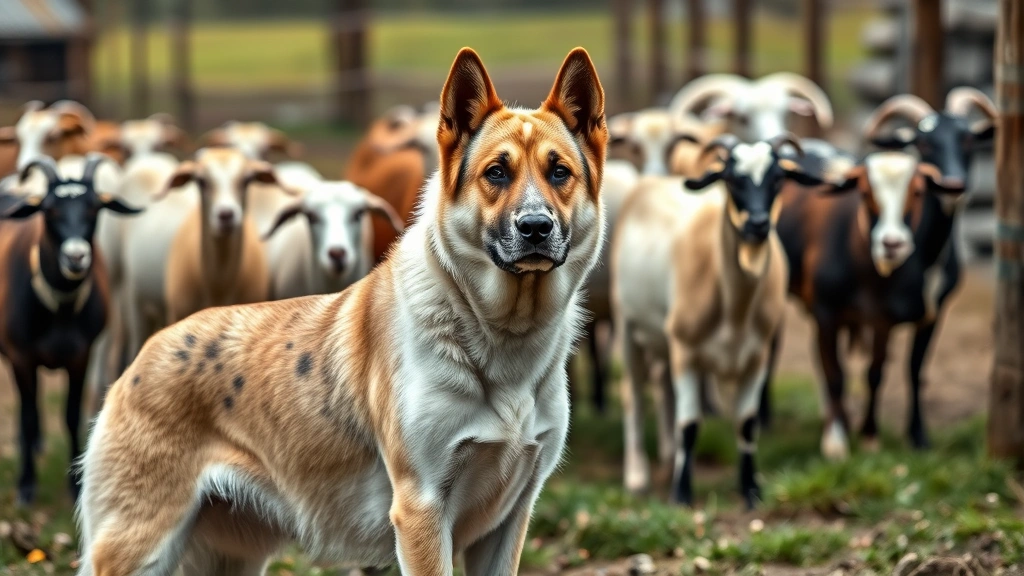
Vaccinations are essential. Make sure your LGD dog stays current on all vaccines, and discuss rabies protocols with your vet, especially if your dog has contact with wildlife.
Living Arrangements: Housing Your LGD Dog
An LGD dog isn’t meant to be a house pet, though some people do keep them indoors. Ideally, your livestock guardian dog should live where the livestock lives—in a pasture, field, or ranch setting.
These dogs need space to roam and patrol. A fenced property is essential to prevent your LGD dog from wandering into neighboring properties or dangerous situations. The fence should be sturdy and at least 5-6 feet tall, though some guardian breeds are impressive jumpers.
Shelter is still important. Provide a dog house or shelter where your LGD dog can escape extreme weather. Many livestock guardian dogs have thick coats designed for cold climates, but they still need protection from excessive heat and precipitation.
Water should always be available. Your working LGD dog will need constant access to fresh, clean water, especially during hot months or when actively working.
Socialization Beyond the Livestock
While an LGD dog’s primary bond is with the livestock it protects, some socialization with humans is still important. A well-socialized livestock guardian dog is easier to handle during veterinary visits, farrier appointments, and other necessary interactions.
Expose your young LGD dog to different people, sounds, and experiences in a controlled manner. This doesn’t mean they need to be friendly with everyone—they shouldn’t be—but they should be comfortable with their human family members and familiar handlers.
Be aware that an LGD dog’s natural suspicion of strangers is a feature, not a bug. These dogs are supposed to be wary of unfamiliar people and animals. Don’t try to train this out of them; instead, teach them to accept necessary interactions while maintaining their protective instincts.
Common Challenges with LGD Dogs
Owning an LGD dog isn’t without challenges. These dogs require experienced owners who understand their unique needs and temperament.
Escape Artists: Some LGD dogs, particularly young ones, will test your fencing. They’re not trying to be bad; they’re exploring their territory. Secure fencing and regular checks are essential.
Predatory Behavior Toward Small Animals: Not all LGD dogs are appropriate for homes with cats, small dogs, or other small pets. The prey drive can be strong in some individuals. Always introduce carefully and supervise interactions.
Barking: Your LGD dog will bark. A lot. This is how they communicate threats to predators. If you have close neighbors, an LGD dog might not be the right choice for your situation. Learn more about alternative dog breeds if barking is a concern.
Stubbornness: That independent nature we talked about? It can manifest as stubbornness. Your LGD dog might decide they know better than you do about how to handle a situation. This requires patience and consistency from owners.
Health Concerns Specific to LGD Dogs
Certain health issues are more common in livestock guardian dog breeds. Being aware of these can help you catch problems early.
Beyond hip and elbow dysplasia, some LGD dog breeds are prone to bloat (gastric dilatation-volvulus), a life-threatening emergency. Learn the signs: restlessness, unproductive vomiting, and a distended abdomen. If you suspect bloat, get your dog to a veterinarian immediately.
Skin issues can develop, particularly in breeds with thick coats. Regular grooming helps you catch problems early. Some LGD dogs are prone to ear infections, so check and clean ears regularly.
When your LGD dog needs pain management, consult your vet about appropriate medications. If you’re wondering about over-the-counter options, check the article on whether you can give a dog ibuprofen—the answer is complicated and requires professional guidance.
Choosing the Right LGD Dog for Your Property
Not every property is suitable for an LGD dog, and not every LGD dog is right for every property. Consider these factors:
Climate: Match the breed to your climate. Great Pyrenees thrive in cold climates, while some other guardian breeds handle heat better.
Livestock Type: Different LGD dog breeds have preferences. Some excel with sheep, others with goats or cattle. Research breed-specific tendencies.
Predator Pressure: Areas with heavy predator pressure might need more aggressive guardian breeds, while lighter pressure areas can use slightly smaller or less aggressive breeds.
Space: You need adequate acreage for your LGD dog to work effectively. Cramped properties aren’t suitable for these large, working animals.
Experience: First-time dog owners should seriously reconsider getting an LGD dog. These animals require experienced handlers who understand their unique psychology.
The Lifespan and Long-Term Commitment
An LGD dog is a long-term commitment. Most livestock guardian dogs live 10-14 years, meaning you’re looking at a decade-plus of care, feeding, and veterinary expenses.
Budget accordingly. Large dogs eat more, require more veterinary care, and can have expensive health issues. Plan for regular vet checkups, vaccinations, and unexpected emergencies.
Also consider what happens as your LGD dog ages. Older guardian dogs might not be as effective at their job, and you may need to transition them to retirement while bringing in younger dogs to take over protection duties.
Frequently Asked Questions
Can an LGD dog live in a suburban neighborhood?
Generally, no. LGD dogs are working animals bred for rural properties with livestock. They bark excessively (by design), need space to roam, and can be wary of strangers. Suburban living is usually unsuitable for these breeds.
How much do LGD dog puppies cost?
Expect to pay $300-$1,000 for a quality LGD dog puppy from a reputable breeder. Working-line dogs from proven guardian stock may cost more. Always choose breeders who health-test their animals.
Do LGD dogs need to be trained by professionals?
Not necessarily, but they benefit from experienced handlers. Many LGD dogs are trained by their owners, but if you’re inexperienced, professional guidance during the first year is invaluable.
Will an LGD dog protect my family?
While LGD dogs are protective by nature, they’re not typically bred for family protection like some other breeds. Their protective instinct is directed toward livestock. That said, they may naturally defend their human family as part of their territory.
How often should I bathe my LGD dog?
Most LGD dogs need bathing only a few times per year. Their coats are self-cleaning to some extent. Over-bathing can strip natural oils from their coat. Regular brushing is more important than frequent bathing.
Can two LGD dogs work together?
Yes, multiple LGD dogs can work together effectively. In fact, many ranchers use pairs or small groups of guardian dogs for larger properties. They often work better with companions.
Conclusion: Is an LGD Dog Right for You?
An LGD dog is an incredible animal for the right situation. These loyal, independent guardians have protected livestock for thousands of years and continue to be invaluable on farms and ranches today. They’re not pets in the traditional sense—they’re working partners that require understanding, space, and respect for their unique nature.
If you have livestock, adequate property, experience with large dogs, and realistic expectations about their behavior and needs, an LGD dog could be an excellent addition to your operation. They’ll work tirelessly to protect your animals, ask for little in return except food, shelter, and the opportunity to do their job.
However, if you’re looking for a cuddly family pet for a suburban home, an LGD dog isn’t your answer. Choose the right breed for your situation, source from reputable breeders, and be prepared for the long-term commitment these amazing animals deserve. With proper care and management, your livestock guardian dog will be a dependable protector for years to come.





