

Your dog’s liver is basically their internal cleaning crew—filtering toxins, producing proteins, and keeping their whole system running smoothly. When liver disease in dogs creeps in, it’s like having the cleaning crew call in sick. The problem? Your pup can’t exactly tell you what’s wrong. That’s why knowing the warning signs of canine liver disease could literally save your dog’s life.
Table of Contents
- What Exactly Is Liver Disease in Dogs?
- Warning Sign #1: Jaundice and Yellow Discoloration
- Warning Sign #2: Vomiting and Loss of Appetite
- Warning Sign #3: Excessive Thirst and Frequent Urination
- Warning Sign #4: Lethargy and Behavioral Changes
- Warning Sign #5: Pale or Swollen Abdomen
- Understanding Hepatic Insufficiency in Dogs
- Diagnosis: What Your Vet Will Do
- Managing Your Dog’s Liver Health Through Nutrition
- Treatment Options and Prognosis
- Frequently Asked Questions
- Summary: Taking Action on Liver Disease in Dogs
What Exactly Is Liver Disease in Dogs?
Liver disease in dogs isn’t just one condition—it’s an umbrella term for anything that damages those hardworking hepatic cells. We’re talking about everything from hepatitis and cirrhosis to fatty liver disease and liver cancer. The sneaky part? Dogs can lose up to 70% of their liver function before showing any symptoms. Yeah, you read that right. Your pup could be in serious trouble and still seem fine.
The liver does about a million things: it metabolizes nutrients, stores vitamins, produces bile for digestion, and detoxifies harmful substances. When it starts failing, the domino effect hits fast. That’s why catching the early warning signs of canine liver disease matters so much.
Warning Sign #1: Jaundice and Yellow Discoloration
Ever notice your dog’s eyes or gums looking a bit yellow? That’s jaundice, and it’s a major red flag. When the liver can’t process bilirubin properly, it builds up in the bloodstream and tissues, turning your pup’s skin and mucous membranes that telltale golden hue.
This isn’t subtle stuff—if your dog’s whites of their eyes look more like a sunny day than a cloudy one, get them to the vet ASAP. Jaundice means the liver is seriously struggling. It’s one of those warning signs that screams “something’s wrong” even to a casual observer.
Warning Sign #2: Vomiting and Loss of Appetite
Dogs love eating. Seriously, they’d eat a shoe if you let them. So when your normally food-obsessed pup suddenly turns their nose up at dinner? That’s concerning. Chronic vomiting combined with appetite loss is classic liver disease territory.
The liver dysfunction messes with their digestive system, making them nauseous and uncomfortable. Your dog might also seem picky about certain foods—they’re not being difficult, they’re literally feeling awful. If this persists for more than a day or two, don’t wait around hoping it’ll pass. This is when pet telehealth consultations can be a quick first step to assess the situation.
Warning Sign #3: Excessive Thirst and Frequent Urination
Is your dog suddenly acting like they’ve discovered water for the first time? Polydipsia (fancy word for excessive drinking) paired with polyuria (frequent bathroom trips) is another classic sign of hepatic dysfunction. Your dog might be making way more trips outside than usual, and their water bowl might be emptying faster.
This happens because the liver can’t regulate fluid balance properly, and toxins build up in the bloodstream. Your pup’s body tries to flush them out through increased urination. It’s their way of saying “help me, something’s not right.” Keep track of how much water your dog drinks and how often they pee—these details matter to your vet.
Warning Sign #4: Lethargy and Behavioral Changes
Your once-playful pup is now a couch potato? That’s encephalopathy territory. When the liver can’t filter toxins effectively, ammonia and other nasty compounds build up and cross the blood-brain barrier. This affects your dog’s brain function, making them seem confused, disoriented, or just plain exhausted.
You might notice your dog staring at walls, walking in circles, or acting generally “off.” They might seem depressed, anxious, or unusually aggressive. These behavioral changes with hepatic disease are serious—they indicate toxins are affecting the central nervous system. This is absolutely a reason to call your vet immediately, not tomorrow.

Warning Sign #5: Pale or Swollen Abdomen
Check your dog’s belly. Is it distended or swollen? Does their gum color look pale or grayish instead of a healthy pink? These are signs of ascites (fluid buildup in the abdomen) or anemia, both common with advanced liver disease.
A swollen abdomen might make your pup seem bloated or uncomfortable. They might have trouble lying down comfortably or seem to have a sore spot when you touch their belly. Pale gums indicate the liver isn’t producing enough red blood cells or that bleeding is occurring internally. These are emergency-level symptoms.
Understanding Hepatic Insufficiency in Dogs
When we talk about hepatic insufficiency, we’re discussing the liver’s inability to perform its vital functions. This can develop slowly (chronic) or hit suddenly (acute). Chronic liver disease in dogs often stems from years of inflammation, while acute cases might result from toxin exposure or infection.
Common causes include autoimmune hepatitis, viral infections, parasites, medications, toxins (like certain plants or foods), breed predisposition, and obesity. Some breeds like Bedlington Terriers and West Highland White Terriers are genetically prone to liver issues. Older dogs are also at higher risk, as their livers naturally become less efficient.
Diagnosis: What Your Vet Will Do
When you bring your dog in with suspected liver problems, your vet will run blood work to check liver enzymes (ALT, AST, ALP) and bilirubin levels. They’ll also check albumin and blood clotting factors. Ultrasound imaging gives them a visual look at the liver’s structure and size.
Sometimes a liver biopsy is necessary to determine the exact cause. This involves taking a tiny tissue sample for microscopic examination. It sounds scary, but it gives your vet the precise diagnosis needed to create an effective treatment plan. Early detection through these tests can make a huge difference in outcomes.
Managing Your Dog’s Liver Health Through Nutrition
Diet plays a crucial role in managing liver disease. Dogs with hepatic issues often benefit from human foods for pets with liver disease that are specifically formulated to reduce liver strain. Your vet might recommend prescription diets with controlled protein levels and added antioxidants.
Many pet parents find success with bland diet recipes for sick pets as a starting point. Incorporating anti-inflammatory foods for pets can help reduce liver inflammation. Some dogs also benefit from antioxidant-rich foods for pets that support liver cell regeneration.
Bone broth is another option many vets recommend. If you’re interested in this approach, check out bone broth recipes for pets that are specifically designed for hepatic support. Always consult your vet before making dietary changes—what works for one dog might not work for another.
Treatment Options and Prognosis
Treatment depends on what’s causing the liver disease. Infections get antibiotics, autoimmune conditions get immunosuppressants, and toxin exposure requires supportive care. Some liver conditions are reversible if caught early, while others are progressive and require lifelong management.
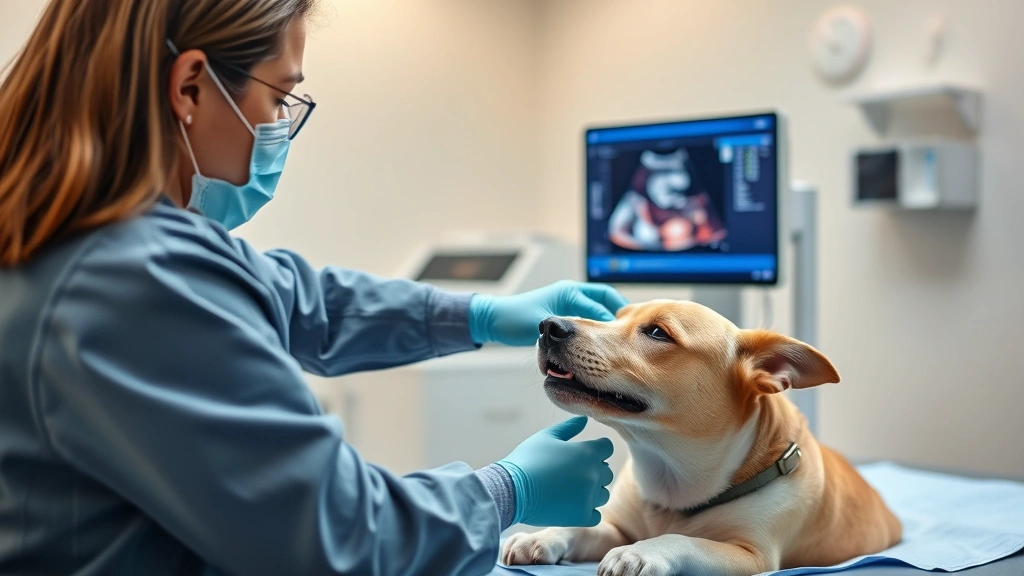
Your vet might prescribe hepatoprotective drugs like silymarin (milk thistle) or ursodeoxycholic acid to support liver function. Supplements like SAMe and vitamin E can help protect remaining liver tissue. The prognosis varies wildly—some dogs live years with managed liver disease, while others decline rapidly. Early intervention absolutely improves outcomes.
Frequently Asked Questions
Can liver disease in dogs be cured?
It depends on the cause. Some acute liver injuries from toxins or infections can be reversed with aggressive treatment. Chronic conditions like cirrhosis are typically managed long-term rather than cured. The key is catching it early—the more liver tissue that’s still functional, the better your dog’s chances of recovery or stable management.
How long can a dog live with liver disease?
This varies tremendously based on the severity, cause, and how well you manage it. Some dogs live months, others live several years. Dogs with mild liver disease that’s well-managed can have a normal lifespan. The important thing is working closely with your vet to monitor liver function and adjust treatment as needed.
What foods should I avoid with a dog with liver disease?
Avoid high-protein foods, fatty foods, salt-heavy treats, and anything containing xylitol or other toxins. Also skip foods that are hard to digest or overly processed. Your vet will give you specific dietary guidelines based on your dog’s individual condition and blood work results.
Is liver disease in dogs contagious?
Most forms aren’t contagious, but infectious hepatitis caused by certain viruses can spread between dogs. That’s why vaccinations are so important. Non-infectious liver diseases like autoimmune hepatitis or cirrhosis are not contagious to other dogs.
What’s the difference between acute and chronic liver disease?
Acute liver disease comes on suddenly—think toxin ingestion or severe infection. It’s dramatic and requires emergency care. Chronic liver disease develops slowly over time, sometimes years, before symptoms appear. Both are serious, but chronic cases give you more time to manage with lifestyle changes and medication.
Summary: Taking Action on Liver Disease in Dogs
Liver disease in dogs is serious business, but it’s not necessarily a death sentence. The five warning signs—jaundice, vomiting and appetite loss, excessive thirst and urination, lethargy and behavioral changes, and pale or swollen abdomen—are your dog’s way of telling you something’s wrong.
The best thing you can do is stay vigilant. Know your dog’s normal habits and behavior. Regular vet checkups catch liver problems early. If you notice any of these warning signs, don’t brush them off as just a bad day. Get your dog to the vet, get proper blood work done, and start treatment immediately.
Remember, the liver is incredibly resilient. Dogs can recover from significant liver damage if caught early and managed properly. With the right diet, medications, and veterinary care, many dogs with liver disease live comfortable, happy lives. Your awareness and quick action could be the difference between a good outcome and a tragedy.





