

As pet owners become increasingly conscious about their dogs’ nutritional needs, many are exploring unconventional food sources that might benefit their furry companions. Among these alternative options, eggshells have emerged as a topic of considerable interest and debate. While it might seem unusual to consider feeding your dog what’s typically considered kitchen waste, eggshells actually contain valuable nutrients that could potentially enhance your pet’s diet.
The question of whether eggshells are beneficial for dogs isn’t as straightforward as it might appear. These calcium-rich shells offer potential health benefits, but they also come with important safety considerations that every responsible pet owner should understand. Before adding any new element to your dog’s diet, it’s crucial to examine both the scientific evidence and practical implications of this dietary choice.
Nutritional Composition of Eggshells
Eggshells are primarily composed of calcium carbonate, making up approximately 95% of their total composition. This natural form of calcium is highly bioavailable, meaning dogs can efficiently absorb and utilize it for various bodily functions. A single eggshell contains roughly 2 grams of calcium carbonate, which translates to about 800 milligrams of elemental calcium.
Beyond calcium, eggshells contain trace amounts of other essential minerals including magnesium, phosphorus, and small quantities of protein. The shell also contains organic compounds such as collagen and glycosaminoglycans, which may contribute to joint health. According to research published by the National Center for Biotechnology Information, eggshell membrane contains beneficial compounds that may support joint function and reduce inflammation.
The mineral profile of eggshells makes them particularly interesting from a nutritional standpoint. The calcium-to-phosphorus ratio in eggshells is heavily weighted toward calcium, which can be beneficial for dogs whose diets may be phosphorus-heavy but calcium-deficient. However, this imbalance also means that eggshells should be used judiciously to maintain proper mineral ratios in your dog’s overall diet.
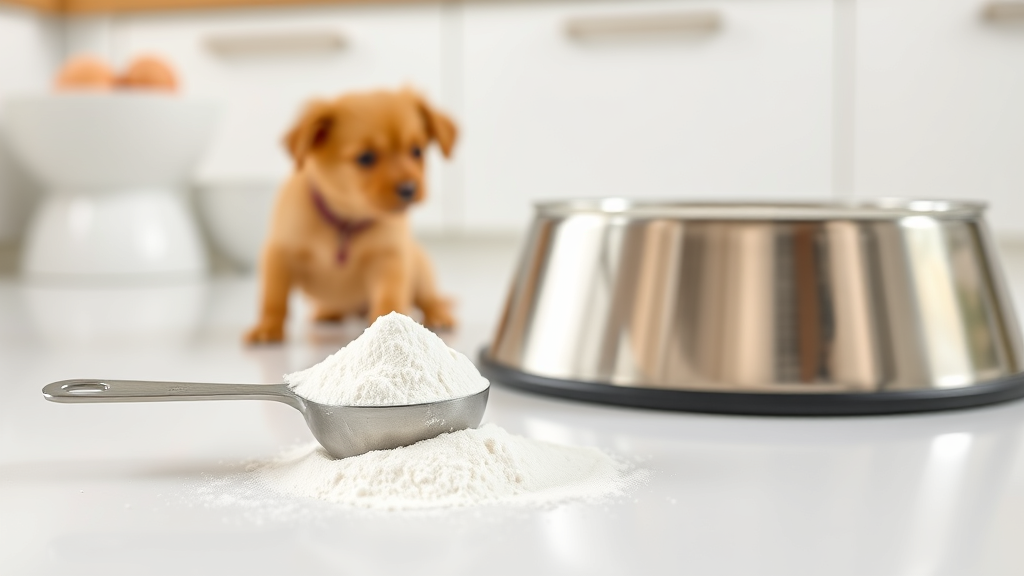
Calcium Benefits for Dogs
Calcium plays a fundamental role in canine health, supporting bone development, muscle function, nerve transmission, and blood clotting. For growing puppies, pregnant or lactating females, and senior dogs, adequate calcium intake is particularly crucial. The bioavailable calcium in eggshells can contribute to meeting these increased nutritional demands when used appropriately.
Bone health is perhaps the most obvious benefit of calcium supplementation. Dogs require a proper balance of calcium and phosphorus for optimal bone mineralization and maintenance. The American Kennel Club emphasizes that calcium deficiency can lead to serious skeletal problems, particularly in large breed puppies where rapid growth places high demands on calcium reserves.
For adult dogs, adequate calcium intake helps maintain bone density and may reduce the risk of fractures. Senior dogs, in particular, may benefit from additional calcium support as their bodies become less efficient at absorbing and utilizing minerals. When considering can dogs eat egg shells, it’s important to understand that the calcium content can be a valuable addition to their nutritional profile when properly prepared and portioned.
Safe Preparation Methods
Proper preparation of eggshells is absolutely critical for safe consumption by dogs. Raw eggshells can harbor harmful bacteria such as Salmonella, making sterilization a non-negotiable step in the preparation process. The most effective method involves thoroughly washing the shells, then baking them in a 300°F oven for 10-15 minutes to eliminate potential pathogens.
After sterilization, the eggshells must be ground into a fine powder to prevent choking hazards and ensure proper digestion. A coffee grinder, food processor, or mortar and pestle can effectively pulverize the shells. The resulting powder should be fine enough to mix seamlessly with your dog’s regular food. Coarse shell fragments pose serious risks including choking, intestinal blockage, and damage to the digestive tract.
Storage of prepared eggshell powder is equally important. The powder should be kept in an airtight container in a cool, dry place and used within a few weeks of preparation. Some pet owners prefer to prepare small batches weekly to ensure freshness and potency. The preparation process is similar to what you might consider when exploring can dogs eat scrambled eggs, where proper cooking eliminates bacterial risks.
Potential Risks and Concerns
While eggshells can provide nutritional benefits, several significant risks must be carefully considered. The primary concern is the potential for bacterial contamination, particularly Salmonella, which can cause severe gastrointestinal illness in dogs. Even with proper preparation, some risk may remain, making this supplement inappropriate for immunocompromised animals or very young puppies.
Mineral imbalances represent another serious concern. Excessive calcium intake can interfere with the absorption of other essential minerals including zinc, iron, and phosphorus. This is particularly problematic for large breed puppies, where too much calcium can actually cause skeletal deformities and developmental orthopedic diseases. The American Veterinary Medical Association has documented cases where excessive calcium supplementation led to serious health complications in growing dogs.
Choking hazards and gastrointestinal blockages are additional risks if eggshells are not properly prepared. Even small shell fragments can cause irritation or damage to the digestive tract. Dogs with sensitive stomachs or existing gastrointestinal conditions may be particularly susceptible to adverse reactions from eggshell consumption.

Feeding Guidelines and Dosage
Determining the appropriate dosage of eggshell powder requires careful consideration of your dog’s size, age, life stage, and current diet. As a general guideline, veterinary nutritionists suggest that calcium supplementation should not exceed 20% of a dog’s total calcium needs from their regular diet. For most dogs, this translates to approximately 1/4 teaspoon of finely ground eggshell powder per 10 pounds of body weight, given no more than 2-3 times per week.
Puppies and pregnant or lactating females have different nutritional requirements that may warrant adjusted dosages, but these should only be determined in consultation with a veterinarian. Large breed puppies, in particular, require careful monitoring to prevent over-supplementation that could lead to developmental issues. The frequency of supplementation should be considered alongside how many eggs can a dog eat in a week to maintain proper nutritional balance.
Integration into your dog’s diet should be gradual, starting with small amounts to assess tolerance. The powder can be mixed into wet food, sprinkled over kibble, or incorporated into homemade treats. Monitor your dog closely for any signs of digestive upset, changes in appetite, or unusual behavior after introducing eggshell powder to their diet.
Alternative Calcium Sources
For pet owners seeking calcium supplementation alternatives, several safer and more predictable options exist. Commercial calcium supplements designed specifically for dogs offer precise dosing and consistent quality without the preparation requirements and bacterial risks associated with eggshells. These products are formulated to provide optimal calcium-to-phosphorus ratios and often include other beneficial nutrients.
Natural food sources can also provide calcium supplementation. Canned fish with soft, edible bones such as sardines or salmon offer calcium along with beneficial omega-3 fatty acids. Dairy products like plain yogurt or cottage cheese can provide calcium, though many dogs are lactose intolerant and may experience digestive issues. Some vegetables, such as carrots, while not high in calcium, provide other essential nutrients that support overall health.
Bone meal products specifically designed for pets represent another alternative, though these come with their own considerations regarding quality and safety. Unlike the risks associated with raw bones or chicken bones, commercial bone meal products are processed to eliminate bacterial contamination and ensure consistent mineral content. Additionally, bone broth can provide minerals in a highly digestible form while offering hydration benefits.
Veterinary Perspective and Recommendations
Most veterinary professionals approach eggshell supplementation with caution, emphasizing that a well-balanced commercial dog food should provide adequate calcium for most dogs. The Association of American Feed Control Officials sets nutritional standards for pet foods, and products meeting these standards typically provide complete and balanced nutrition without requiring supplementation.
Veterinarians often express concern about the trend toward DIY supplementation, noting that pet owners may inadvertently create nutritional imbalances or expose their pets to unnecessary risks. The precision required for proper mineral ratios is difficult to achieve without professional guidance and regular monitoring through blood work and other diagnostic tests.
However, some holistic veterinarians acknowledge that eggshells can be beneficial when used appropriately under professional supervision. They emphasize the importance of considering the dog’s complete dietary profile, health status, and individual needs before recommending any supplementation. The American Veterinary Medical Association recommends consulting with a veterinary nutritionist for dogs requiring specialized dietary management.
Regular veterinary check-ups become even more important when using any form of supplementation. Blood chemistry panels can help monitor calcium levels and ensure that supplementation is not causing adverse effects or mineral imbalances. This professional oversight is particularly crucial for puppies, senior dogs, and animals with pre-existing health conditions.
Frequently Asked Questions
Can I give my dog raw eggshells?
Raw eggshells should never be given to dogs due to the risk of Salmonella contamination. Always sterilize eggshells by baking them at 300°F for 10-15 minutes before grinding them into powder. Even with proper preparation, some veterinarians advise against eggshell supplementation due to bacterial risks and the availability of safer alternatives.
How much eggshell powder should I give my dog?
The general recommendation is approximately 1/4 teaspoon of finely ground eggshell powder per 10 pounds of body weight, given 2-3 times per week maximum. However, dosing should always be determined in consultation with your veterinarian, as individual dogs have varying nutritional needs based on their age, health status, and current diet.
Are eggshells better than commercial calcium supplements?
Commercial calcium supplements designed for dogs are generally safer and more reliable than eggshells. They provide precise dosing, consistent quality, and eliminate bacterial contamination risks. While eggshells are a natural source of calcium, the preparation requirements and potential hazards make commercial supplements a more practical choice for most pet owners.
Can puppies eat eggshell powder?
Puppies have very specific calcium requirements that vary by breed size and growth stage. Large breed puppies are particularly susceptible to developmental orthopedic diseases from excessive calcium intake. Any calcium supplementation for puppies should only be done under strict veterinary supervision with regular monitoring.
What are the signs of calcium overdose in dogs?
Signs of excessive calcium intake may include decreased appetite, constipation, increased urination and thirst, lethargy, and in severe cases, kidney problems or skeletal abnormalities in growing dogs. If you notice any unusual symptoms after starting eggshell supplementation, discontinue use and consult your veterinarian immediately.
Can dogs with kidney disease eat eggshells?
Dogs with kidney disease should not receive eggshell supplementation without explicit veterinary approval. Kidney disease affects mineral metabolism, and additional calcium could worsen the condition or interfere with prescribed treatments. These dogs require specialized diets managed by veterinary professionals.
How long can I store prepared eggshell powder?
Properly prepared and stored eggshell powder should be used within 2-3 weeks of preparation. Store the powder in an airtight container in a cool, dry place away from direct sunlight. For optimal freshness and safety, consider preparing small batches weekly rather than large quantities that may lose potency over time.





