

So you’ve decided to bring home a long haired sausage dog puppy—congrats on choosing one of the most entertaining, stubborn, and lovable companions on the planet! If you’re picturing a tiny, elongated furball with the confidence of a German Shepherd and the sass of a cat, you’re absolutely right. This comprehensive guide will walk you through everything you need to know about raising a long-haired dachshund puppy, from grooming nightmares to training victories.
Table of Contents
- What Exactly Is a Long Haired Sausage Dog Puppy?
- Understanding the Dachshund Temperament and Personality
- Grooming: Prepare for the Long-Haired Commitment
- Nutrition: Feeding Your Growing Sausage Pup
- Training Your Stubborn Little Sausage
- Health Concerns Specific to Long-Haired Dachshund Puppies
- Exercise Needs and Activity Levels
- Socialization and Preventing Behavioral Issues
- Creating a Puppy-Proof Home Environment
- Dental Care and Hygiene Habits
- Bonding With Your Long-Haired Sausage Puppy
- Frequently Asked Questions
- Conclusion: Your Long-Haired Sausage Dog Adventure Awaits
What Exactly Is a Long Haired Sausage Dog Puppy?
Let’s clarify the terminology first. A “sausage dog” is the affectionate nickname for a dachshund—a breed originally developed in Germany during the 15th century to hunt badgers (the name literally means “badger dog” in German). The long-haired variety is distinguished by its luxurious coat, which requires significantly more maintenance than its smooth-haired cousins. Your long haired dachshund puppy will have a silky, feathered appearance with longer hair on the ears, legs, and tail—basically, they look like tiny, adorable sausages wrapped in a fancy fur coat.
Understanding the Dachshund Temperament and Personality
Before you bring your puppy home, understand what you’re getting into personality-wise. Long-haired sausage dog puppies are independent, intelligent, and occasionally stubborn enough to make you question your life choices. They were bred to hunt independently, which means they have strong prey drives and won’t always listen to you—even when you really, really need them to. However, they’re also deeply affectionate with their families, incredibly playful, and will shower you with unconditional love (usually right before they ignore your commands to chase a squirrel). These pups are pack animals who hate being alone, so if you work long hours, you might want to reconsider.
Grooming: Prepare for the Long-Haired Commitment
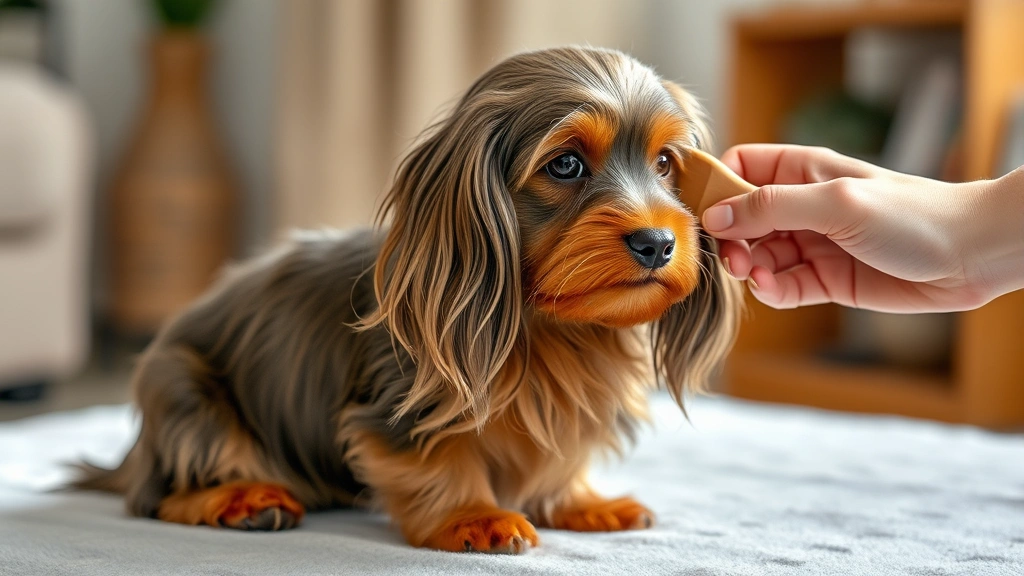
This is where owning a long-haired sausage dog gets real. Unlike their smooth-haired counterparts, your puppy’s luxurious coat demands serious attention. You’ll need to brush your long haired dachshund at least 3-4 times per week, and daily brushing is ideal during shedding season. Invest in a quality slicker brush, metal comb, and undercoat rake—your puppy’s comfort (and your sanity) depends on it. Mats and tangles can develop quickly, especially behind the ears and on the legs. Regular baths every 4-6 weeks with a gentle dog shampoo will keep that coat shiny and healthy. Don’t skip professional grooming every 6-8 weeks; a groomer can handle nail trimming, ear cleaning, and anal gland expression—tasks that are genuinely unpleasant to do yourself.
Nutrition: Feeding Your Growing Sausage Pup
Your long-haired puppy needs high-quality puppy food formulated for small breeds. Dachshunds are prone to obesity, which can exacerbate back problems (more on that later), so portion control is critical. Feed your puppy 3-4 times daily until 6 months old, then transition to twice daily feeding. Look for foods with real meat as the first ingredient and avoid fillers. Many owners wonder about supplementing with human foods—chicken is generally safe for dogs, and you can use it as training treats. However, always check what’s safe before introducing new foods. Some human foods are genuinely harmful to dogs, so educate yourself thoroughly. For training purposes, training treats from human food can be effective, but moderation is key. If you want to incorporate more whole foods, consult your vet about vet approved human foods for pets.
Training Your Stubborn Little Sausage
Here’s the truth: training a long-haired sausage dog puppy requires patience, consistency, and a sense of humor. These dogs are smart but have selective hearing—they’ll learn commands quickly but might choose to ignore them when something more interesting catches their attention. Start with positive reinforcement training using high-value treats and praise. House training typically takes 4-6 months (sometimes longer), so don’t lose hope if accidents happen. Crate training is invaluable for both house training and providing a safe space. Socialization is crucial during the first 16 weeks; expose your puppy to different people, environments, and other dogs to prevent fear-based aggression later. Enroll in a puppy kindergarten class if possible—it’s beneficial for both training and socialization.
Health Concerns Specific to Long-Haired Dachshund Puppies
The dachshund’s unique body structure (long back, short legs) predisposes them to intervertebral disc disease (IVDD), a condition affecting the spine. While you can’t prevent it entirely, you can minimize risk by maintaining a healthy weight, avoiding jumping from furniture, and supporting their back during handling. Regular exercise is important, but avoid high-impact activities in puppies. Other breed-specific concerns include ear infections (those long, floppy ears trap moisture), patellar luxation (knee issues), and dental problems. Schedule regular veterinary check-ups, keep vaccinations current, and discuss breed-specific health screening with your vet. Pet insurance is worth considering given potential back issues.
Exercise Needs and Activity Levels
Despite their small size, long haired dachshund puppies have surprising energy levels. They need 30-60 minutes of exercise daily, split into multiple sessions. Daily walks, playtime, and mental stimulation through puzzle toys and training sessions keep them happy and prevent destructive behavior. However, be cautious with puppies—avoid strenuous exercise until they’re fully grown (around 12-15 months) to protect developing joints and the spine. Swimming is excellent low-impact exercise. Remember their prey drive; always use a leash on walks since they’ll chase anything that moves, consequences be damned.
Socialization and Preventing Behavioral Issues
Early socialization determines whether your sausage pup becomes a confident, friendly adult or an anxious, aggressive dog. Expose them to various people, animals, sounds, and environments during the critical socialization window (3-14 weeks). Handle their paws, ears, and mouth regularly to make grooming and vet visits easier. Prevent resource guarding by teaching them to give up toys and food willingly. Address barking early—dachshunds are vocal little creatures and can develop excessive barking habits if not trained properly. Never use punishment-based training; it damages your relationship and often backfires with this independent breed.
Creating a Puppy-Proof Home Environment
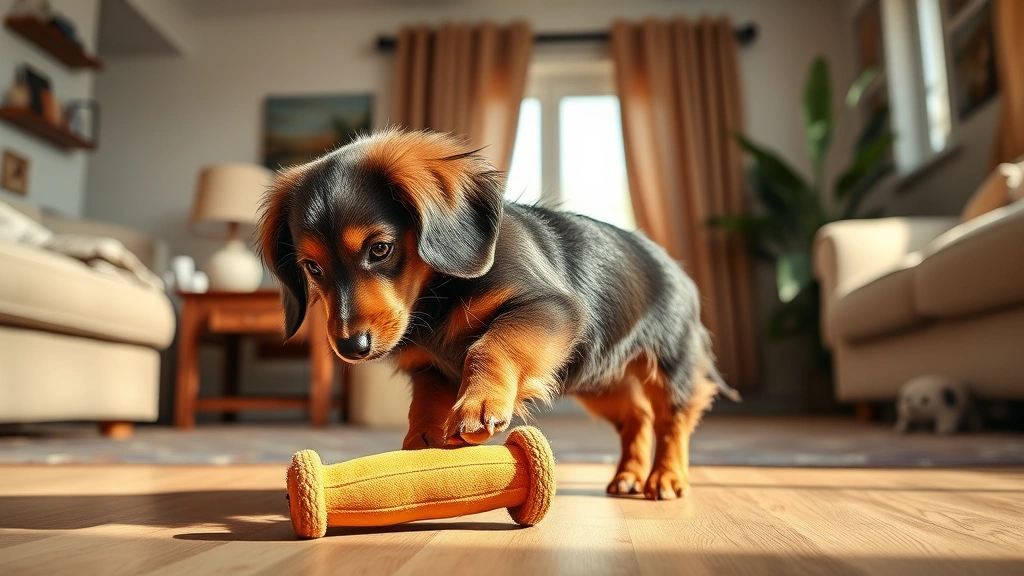
Your long-haired sausage dog puppy is small enough to fit into spaces you didn’t know existed. Puppy-proof your home by securing electrical cords, removing toxic plants, storing chemicals safely, and removing small objects they could swallow. Use baby gates to restrict access to certain areas. Set up a designated puppy space with their bed, toys, and water bowl. Invest in durable toys—these little guys have surprisingly strong jaws. Rotate toys weekly to maintain interest and prevent boredom-related destruction.
Dental Care and Hygiene Habits
Dachshunds are prone to dental disease, so establishing good dental hygiene early is crucial. Brush your puppy’s teeth daily if possible, or at least 3-4 times weekly. Use dog-specific toothpaste (never human toothpaste). Regular professional dental cleanings by your vet will be necessary throughout their life. Provide dental chews and toys that promote healthy chewing. Avoid feeding table scraps, which contribute to plaque buildup and obesity.
Bonding With Your Long-Haired Sausage Puppy
Building a strong bond with your long-haired dachshund puppy creates a foundation for a lifetime of companionship. Spend quality time playing, training, and simply being present. These dogs thrive on attention and will follow you from room to room, literally shadowing your every move. Establish consistent routines for feeding, potty breaks, and bedtime. Be patient during the frustrating moments—puppies are learning, and they’re doing their best (even when it doesn’t feel like it). Your calm, consistent leadership will help them become well-adjusted adults.
Frequently Asked Questions
How long does a long-haired dachshund puppy take to fully mature?
Long-haired dachshund puppies typically reach physical maturity around 12-15 months, though some continue growing until 18 months. Mentally and emotionally, they mature more slowly—many retain puppy-like behavior until 2-3 years old. This extended puppyhood requires patience with training and behavior management.
What’s the average cost of a long-haired sausage dog puppy?
Expect to pay $500-$1,500 from a reputable breeder, with show-quality puppies costing significantly more. Always research breeders thoroughly and avoid puppy mills. Adoption from dachshund rescue organizations is a wonderful alternative, often costing $100-$300 with health screening already completed.
Are long-haired dachshunds good with children?
Yes, with proper socialization and supervision. However, their long backs are fragile, so teach children to handle them gently and support their backs properly. Avoid rough play that could result in spinal injuries. Older children (8+) generally interact better with dachshunds than toddlers.
How often should I groom my long-haired dachshund puppy?
Brush 3-4 times weekly minimum, daily during shedding seasons. Professional grooming every 6-8 weeks is recommended. Bathe every 4-6 weeks with gentle dog shampoo. Regular nail trimming, ear cleaning, and anal gland expression are essential maintenance tasks.
Can long-haired dachshunds live in apartments?
Yes, they adapt well to apartment living despite their energy levels. They don’t need a yard as long as they get sufficient daily exercise and mental stimulation. However, their tendency to bark can be problematic in noise-sensitive environments—training helps minimize this.
Conclusion: Your Long-Haired Sausage Dog Adventure Awaits
Bringing home a long-haired sausage dog puppy is a commitment to grooming, training, socialization, and endless entertainment. These little dogs pack enormous personalities into tiny bodies, offering loyalty, humor, and companionship that far exceeds their size. Yes, the grooming is demanding, yes they’re stubborn, and yes they’ll occasionally drive you absolutely crazy. But they’ll also curl up in your lap, look at you with those soulful eyes, and remind you why you fell in love with them in the first place. With proper care, training, and veterinary attention, your long-haired dachshund will be a cherished family member for 12-16 wonderful years. Start on the right foot with this guide, stay consistent with training and grooming, and prepare yourself for a lifetime of love from your adorable little sausage.





