
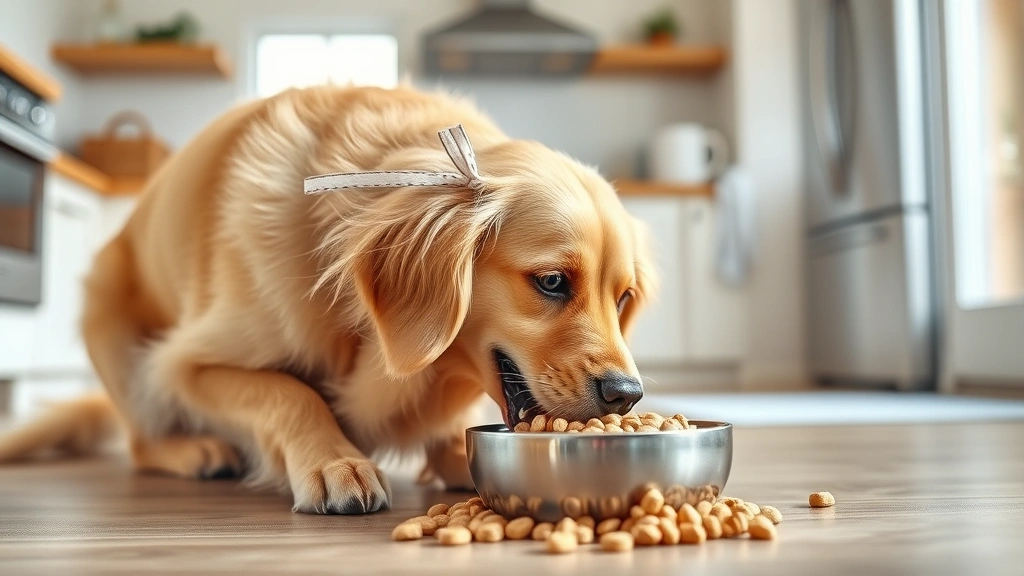
If your pup has been diagnosed with pancreatitis, you’ve probably heard your vet mention low fat dog food for pancreatitis about a hundred times. And honestly? They’re not just being dramatic. Pancreatitis in dogs is no joke—it’s an inflammation of the pancreas that can make your furry friend absolutely miserable. But here’s the good news: switching to the right diet can genuinely help manage the condition and get your dog back to their goofy, tail-wagging self.
Table of Contents
- Understanding Canine Pancreatitis and Why Fat Matters
- Signs Your Dog Might Have Pancreatitis
- The Top 5 Low Fat Dog Foods for Pancreatitis Management
- Reading Labels: What to Look For
- Transitioning Your Dog to a New Diet
- Supplements and Additional Support for Pancreatic Health
- Treats and Table Scraps: The Hidden Danger
- Working with Your Veterinarian Long-Term
- Real-World Success Stories (And Failures to Learn From)
- Cost Considerations and Budget Options
- Frequently Asked Questions
- Conclusion: Managing Pancreatitis One Meal at a Time
Understanding Canine Pancreatitis and Why Fat Matters
Let’s get real for a second. Pancreatitis happens when your dog’s pancreas decides to throw a tantrum and inflame itself. The pancreas is basically your dog’s digestive workhorse—it produces enzymes that break down food and hormones that regulate blood sugar. When it’s inflamed, high-fat foods are like throwing gasoline on a fire.
The pancreas has to work extra hard to digest fat, which triggers more inflammation and pain. That’s why vets universally recommend keeping fat intake below 10% (ideally 5-7%) for dogs with pancreatitis. It’s not a fad diet; it’s medical necessity.
Signs Your Dog Might Have Pancreatitis
Before we dive into the best low fat diet options for dogs with pancreatic issues, you should know what to watch for. Common symptoms include:
- Vomiting (especially after eating)
- Diarrhea or constipation
- Loss of appetite
- Abdominal pain (hunched posture, whining)
- Lethargy and weakness
- Fever in acute cases
If you notice these signs, get to your vet immediately. Pancreatitis can escalate quickly, and early intervention makes a huge difference. Check out our guide on when to call the vet about food for more warning signs.
The Top 5 Low Fat Dog Foods for Pancreatitis Management
1. Hill’s Science Diet i/d (Digestive Care)
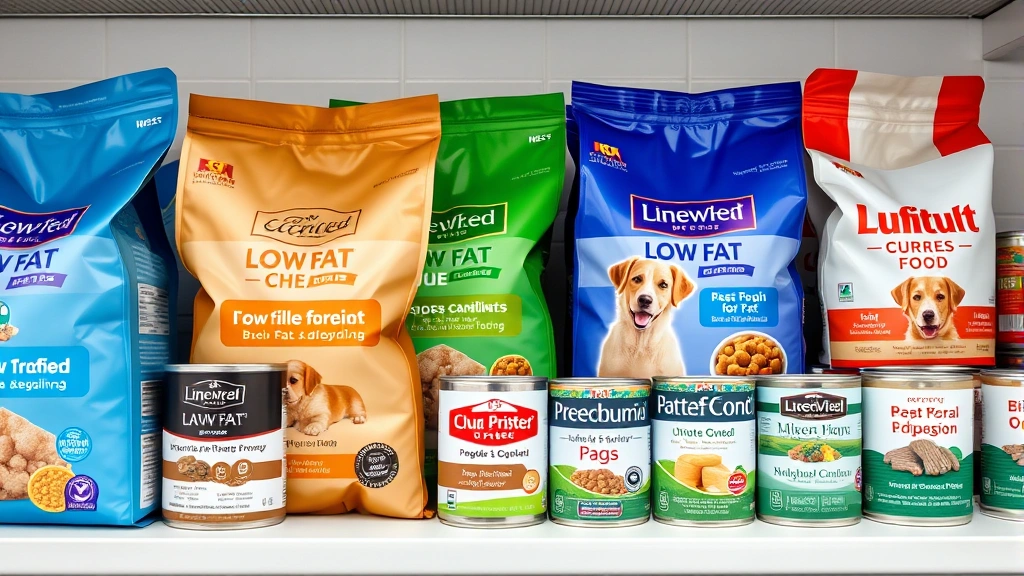
This is the gold standard that most vets recommend first. Hill’s i/d contains around 9% fat and is specifically formulated for digestive issues. The protein is highly digestible, and it includes prebiotics to support gut health. Dogs tend to tolerate it well, though some find the taste a bit bland (which is actually the point).
2. Royal Canin Digestive Care
Another vet favorite, Royal Canin’s formula sits at about 7% fat and includes moderate fiber to help with digestion. It’s got a good balance of nutrients without overloading the pancreas. Fair warning: it’s pricey, but your dog’s health is worth it.
3. Purina Pro Plan EN (Gastroenterology)
Purina’s EN formula is formulated for sensitive digestive systems and clocks in at around 9% fat. It’s slightly more palatable than some competitors, which matters if your pup is being picky. The ingredient list is clean, and it’s easier on the wallet than some premium options.
4. Iams Veterinary Formula Digestive Care
A budget-friendly option that doesn’t skimp on quality. Iams Digestive Care has about 8% fat and includes fiber for digestive support. It won’t break the bank, making it great for long-term management.
5. Prescription Diet Bland Homemade Option
If commercial foods aren’t working, your vet might approve a bland homemade diet. Think boiled chicken breast (skinless), white rice, and maybe some plain pumpkin. You’ll need to work closely with a veterinary nutritionist to ensure proper nutrient balance, but it’s an option. Our bland diet recipes for sick pets article has some great starter ideas.
Reading Labels: What to Look For
Not all “low fat” claims are created equal. Here’s what matters:
- Fat percentage: Aim for under 10%, ideally 5-7%
- Protein quality: Look for named meat sources (chicken, turkey, fish) not “meat by-products”
- Digestibility: Higher digestibility means less work for the pancreas
- Fiber content: Moderate fiber helps with digestion
- Avoid: Corn syrup, excessive grains, and mysterious “animal fats”
Pro tip: Call the manufacturer if the label is vague. Good companies will provide detailed nutritional breakdowns.
Transitioning Your Dog to a New Diet
Here’s where patience becomes your best friend. Don’t just switch your dog’s food cold turkey (no pun intended). A sudden dietary change can cause more digestive upset, which is the opposite of what you want.
Follow this timeline:
- Days 1-3: Mix 25% new food with 75% old food
- Days 4-6: Go 50/50
- Days 7-9: Try 75% new, 25% old
- Day 10+: Full switch to new food
If your dog shows vomiting or diarrhea during this process, slow it down. Some dogs need a two-week transition. Watch their energy levels and bathroom habits closely.
Supplements and Additional Support for Pancreatic Health
Diet is the foundation, but other factors help too. Many vets recommend anti-inflammatory foods for pets to complement the low-fat diet. Omega-3 supplements (fish oil) can reduce inflammation, though you need to be careful about fat content.
Some dogs benefit from digestive enzymes or probiotics, which help break down food and support gut bacteria. Always check with your vet before adding supplements—they can interact with medications.
Treats and Table Scraps: The Hidden Danger
Here’s where most people mess up. You switch to low-fat food, but then Grandma sneaks your dog a piece of bacon, or you give them “just a little” cheese as a training treat. That’s how pancreatitis flare-ups happen.
Approved low-fat treats include:
- Plain carrots (dogs love the crunch)
- Green beans (steamed, no seasoning)
- Plain air-popped popcorn (no butter or salt)
- Small pieces of lean chicken breast
- Commercial low-fat dog treats (check the label)
Absolutely avoid:
- Fatty meats and bones
- Dairy products (cheese, ice cream, yogurt)
- Fatty human food scraps
- High-fat commercial treats
- Anything fried or greasy
Make sure everyone in your household knows the rules. Write them down if you have to. Your dog’s pancreas will thank you.
Working with Your Veterinarian Long-Term
Pancreatitis management isn’t a one-time thing. You’ll need regular check-ups, especially in the first few months. Your vet might run bloodwork to check pancreatic enzymes (lipase and amylase) to see if the diet is helping.
Some dogs have acute pancreatitis (one episode) and recover fully with diet changes. Others have chronic pancreatitis and need lifelong management. Either way, consistent veterinary care is crucial. According to the American Animal Hospital Association, ongoing monitoring helps catch complications early.
Real-World Success Stories (And Failures to Learn From)
I’ve seen dogs bounce back remarkably well on low-fat diets. One Golden Retriever named Max went from barely eating and constantly vomiting to his normal, food-obsessed self within three weeks of switching to Hill’s i/d. His owner was shocked at the transformation.
But I’ve also seen dogs whose owners got complacent. They’d switch to low-fat food, see improvement, then gradually start giving regular treats or human food again. Pancreatitis flare-ups followed, sometimes worse than the original episode.
The moral? Consistency matters more than perfection. Stick with the plan, even when your dog gives you those irresistible puppy eyes.
Cost Considerations and Budget Options
Prescription diets aren’t cheap. You’re looking at $40-80 per month for most commercial options, depending on your dog’s size. That adds up.

If cost is a concern, talk to your vet about:
- Generic or store-brand equivalents (many vets have recommendations)
- Online ordering for discounts
- Asking about manufacturer coupons
- Homemade diets (with nutritionist guidance)
Some vets will work with you on a budget. Don’t suffer in silence—explain your situation.
Frequently Asked Questions
Can pancreatitis in dogs be cured?
Not exactly cured, but managed. Acute pancreatitis can resolve with proper treatment and diet. Chronic pancreatitis requires lifelong management, similar to diabetes in humans. The good news is that most dogs live normal, happy lives with the right diet and care.
How long does it take to see improvement on a low-fat diet?
Many dogs show improvement within 5-7 days, though some take 2-3 weeks. Consistency is key. If you don’t see improvement after a month, contact your vet—your dog might need medication or a different food.
Can I feed my dog regular food if they’re in remission?
No. Even if your dog feels better, they need to stay on the low-fat diet indefinitely. Pancreatitis can flare up again with high-fat foods. Think of it like managing a food allergy—you don’t “graduate” out of it.
Are grain-free diets safe for dogs with pancreatitis?
Grain-free doesn’t mean low-fat. Many grain-free foods are actually higher in fat. Focus on fat content, not grain content. Some dogs do better on grain-free formulas, but it’s not a requirement for pancreatitis management.
What if my dog won’t eat the low-fat food?
Try warming it slightly to enhance aroma, or mixing in a tiny bit of low-sodium broth. Some dogs are picky and need time to adjust. If they refuse for more than a few days, contact your vet. They might recommend a different brand or prescription option.
Can probiotics help with pancreatitis?
Possibly. Some research suggests probiotics support gut health and reduce inflammation. However, not all probiotics are created equal, and some might trigger flare-ups in sensitive dogs. Always get your vet’s approval before adding supplements.
Is pancreatitis hereditary in dogs?
Certain breeds are more prone to pancreatitis (Schnauzers, for example), but it’s not strictly hereditary. Obesity, high-fat diets, and certain medications increase risk. Check out PetMD’s breed-specific health guides for more information.
Conclusion: Managing Pancreatitis One Meal at a Time
Switching your dog to low fat dog food for pancreatitis isn’t glamorous, but it’s genuinely transformative. Your dog might not understand why their fancy treats disappeared, but their pancreas will definitely appreciate the break.
The key takeaways: keep fat under 10%, stick with the diet religiously, monitor for symptoms, and maintain regular vet visits. Whether you choose Hill’s, Royal Canin, Purina, or a homemade option, consistency beats perfection every single time.
Your dog depends on you to keep them healthy. That might mean saying no to table scraps and enforcing treat rules with family members. It might mean spending a bit more on food. But when you see your pup playing, eating with enthusiasm, and acting like themselves again, it’s absolutely worth it.
Got questions about your specific dog’s situation? Reach out to your vet. They know your pup’s medical history and can provide personalized recommendations. And remember—you’ve got this. Your dog is lucky to have someone who cares enough to get it right.





