
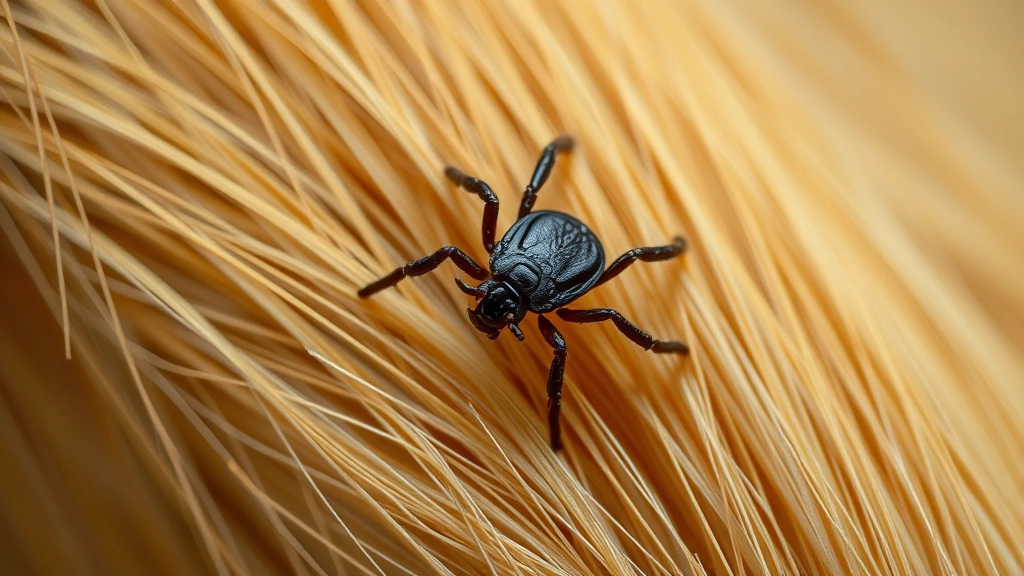
If your furry best friend has been acting weird lately, lyme disease symptoms in dogs might be the culprit—and honestly, it’s way more common than you’d think. Tick season doesn’t discriminate, and neither does Borrelia burgdorferi, the sneaky bacteria that causes Lyme disease. Let’s talk about what you need to know to keep your pup safe and healthy.
Table of Contents
- What Exactly Is Lyme Disease in Dogs?
- The First Warning Sign: Lameness and Joint Pain
- Fever: The Body’s Red Alert System
- Lethargy and Loss of Appetite
- Swollen Lymph Nodes: A Sign of Immune Response
- Kidney Disease: The Silent Threat
- Neurological Symptoms: When Lyme Affects the Nervous System
- Heart Problems: A Serious But Uncommon Complication
- Rash or Skin Changes at the Bite Site
- Behavioral Changes and Personality Shifts
- Diagnosis and Testing for Lyme Disease
- Treatment Options and Recovery
- Prevention: The Best Medicine
- When to Seek Emergency Care
- Frequently Asked Questions
- Final Thoughts: Stay Vigilant
What Exactly Is Lyme Disease in Dogs?
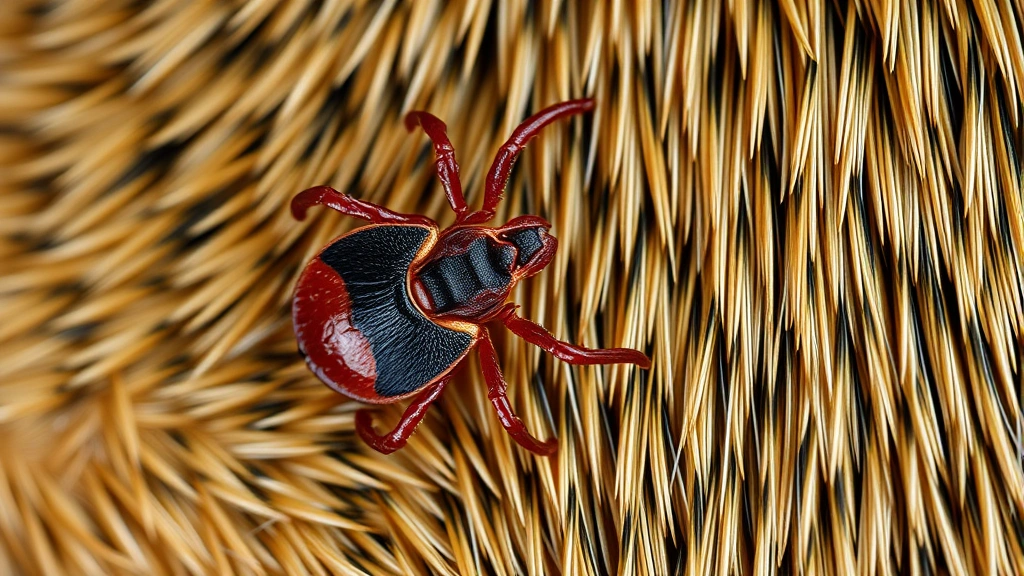
Lyme disease is transmitted through infected tick bites, specifically from blacklegged ticks (also called deer ticks). These tiny vampires are about the size of a sesame seed, which makes them ridiculously easy to miss. Once a tick latches on and feeds for 24-48 hours, boom—your dog could be infected. The disease affects the joints, heart, and kidneys, making it a serious health concern that deserves your attention.
The First Warning Sign: Lameness and Joint Pain
One of the most common canine Lyme disease indicators is sudden lameness or limping. Your dog might favor one leg, seem reluctant to jump, or move stiffly—especially after rest. This happens because the bacteria attacks the joints, causing inflammation and discomfort. You might notice your pup being more cautious on walks or struggling to get up from their bed. It’s not laziness; it’s pain, and it needs attention.
Fever: The Body’s Red Alert System
Dogs with Lyme disease often develop a fever, though you might not notice it unless you take their temperature. Normal dog temperature ranges from 101-102.5°F. If your pup feels hot to the touch, seems lethargic, or is shivering despite warm weather, a fever could be present. Many owners miss this sign because dogs can’t tell us they feel feverish—they just act off.
Lethargy and Loss of Appetite
When your typically enthusiastic furball suddenly becomes a couch potato, something’s wrong. Lyme disease causes general malaise, making dogs tired, uninterested in their favorite activities, and picky about food. If your dog is turning their nose up at treats or skipping meals, combined with excessive sleeping, get them checked out. This sluggish behavior can progress quickly if left untreated, so don’t brush it off as just a bad day.
Swollen Lymph Nodes: A Sign of Immune Response
Your dog’s body fights back against infection by enlarging lymph nodes. You might feel bumpy, swollen areas under their jaw, behind their front legs, or in their groin. These nodes are essentially your dog’s immune system saying, “Hey, something’s attacking us!” While swollen lymph nodes can indicate other conditions, combined with other symptoms, they’re a red flag worth investigating with your vet.
Kidney Disease: The Silent Threat
Here’s where things get serious. Some dogs develop Lyme nephritis, a kidney disease triggered by Lyme infection. Signs include increased thirst, frequent urination, vomiting, and weight loss. This complication is more common in certain breeds like Labradors and Golden Retrievers, though any dog can develop it. If your dog suddenly starts drinking water like they’re training for a marathon, contact your veterinarian immediately. This is one reason why online pet diagnostics can help you monitor changes between vet visits.
Neurological Symptoms: When Lyme Affects the Nervous System
Though rare, Lyme disease can cause neurological issues including facial paralysis, seizures, or behavioral changes. Your dog might tilt their head abnormally, experience sensitivity to light, or seem confused. These symptoms require immediate veterinary attention, as they indicate the bacteria has spread to the nervous system. Don’t wait on this one—neurological complications need professional intervention ASAP.
Heart Problems: A Serious But Uncommon Complication
Lyme carditis (heart inflammation) is uncommon in dogs but devastating when it occurs. Signs include difficulty breathing, coughing, fainting, or exercise intolerance. Your dog might seem out of breath after minimal activity or refuse to exercise altogether. While this complication is rare compared to joint issues, it’s why early detection and treatment matter. If your dog shows respiratory distress, seek emergency care immediately.
Rash or Skin Changes at the Bite Site
Unlike humans, dogs rarely develop the characteristic bull’s-eye rash from Lyme disease. However, you might notice skin irritation, redness, or hair loss at the tick bite location. The area might be swollen or scabbed. Since ticks often hide in warm, moist areas like armpits, groin, and between toes, check these spots regularly during tick season. Early tick removal is your best defense against infection.
Behavioral Changes and Personality Shifts
Dogs with Lyme disease sometimes display personality changes that confuse owners. A normally friendly pup might become withdrawn or grumpy. Some dogs show increased anxiety or restlessness. While behavioral changes can stem from many causes, when combined with physical symptoms like lameness or fever, they point toward systemic illness. Trust your gut—you know your dog better than anyone.

Diagnosis and Testing for Lyme Disease
Your vet will likely recommend a blood test to check for Lyme antibodies. There’s also the SNAP test (Serologic Test for Antibodies to Proteus), which is quick and fairly reliable. However, false negatives can occur if the infection is very recent. Your vet might also recommend a urinalysis to check kidney function, especially if tick-borne illness symptoms include increased thirst or urination. This is where telehealth advice for pet poisoning can supplement your in-person vet visits for follow-up questions.
Treatment Options and Recovery
The good news? Lyme disease is treatable with antibiotics, typically doxycycline or amoxicillin, prescribed for 28 days. Most dogs respond well to early treatment and recover fully. Your vet might also recommend pain management if your dog is experiencing significant joint discomfort. Recovery involves rest, monitoring, and follow-up appointments to ensure the infection clears completely. Some dogs develop chronic symptoms even after treatment, requiring ongoing management.
Prevention: The Best Medicine
Prevention beats treatment every single time. Use tick prevention products year-round, especially in high-risk areas. Options include topical treatments, oral medications, and tick collars—talk to your vet about what works best for your dog. Check your pup daily for ticks, especially after walks in wooded or grassy areas. Proper tick removal (using tweezers to grasp near the head and pulling straight out) prevents infection. If you’re concerned about tick exposure, Pet Poison Hotline resources can also guide you on safe tick treatment products.
When to Seek Emergency Care
Head to the emergency vet immediately if your dog shows difficulty breathing, severe lameness preventing movement, neurological symptoms like seizures, or signs of kidney failure like vomiting and lethargy. Don’t wait for a regular appointment if these symptoms appear. Lyme disease complications can escalate quickly, and prompt intervention saves lives. Emergency vet for food poisoning facilities can also handle acute Lyme disease cases.
Frequently Asked Questions
Can humans catch Lyme disease from dogs?
No, you cannot catch Lyme disease directly from your dog. However, if your dog brings infected ticks into your home, those ticks could bite you. The disease is transmitted through tick bites, not from dog-to-human contact. Still, if your dog has Lyme disease, check yourself and your family for ticks regularly.

How long does it take for Lyme disease symptoms to appear?
Symptoms typically appear 2-5 months after infection, though some dogs show signs within weeks. This delayed onset makes prevention crucial—you might not realize your dog was infected until they’re already symptomatic. Regular tick checks during this window can catch and remove ticks before infection occurs.
Is Lyme disease fatal in dogs?
Lyme disease is rarely fatal if treated promptly, but untreated cases or those with kidney complications can be life-threatening. Early detection and antibiotic treatment have excellent success rates. This is why recognizing early lyme disease signs in dogs matters so much.
Can my dog get Lyme disease twice?
Yes, dogs can get Lyme disease more than once since infection doesn’t provide immunity. This makes ongoing tick prevention essential throughout your dog’s life, not just after one infection.
What breeds are most susceptible to Lyme disease?
Any dog can get Lyme disease, but certain breeds like Labradors, Golden Retrievers, and Bernese Mountain Dogs show higher rates of kidney complications. Outdoor-loving breeds in high-tick areas face increased exposure risk.
Final Thoughts: Stay Vigilant
Lyme disease in dogs is preventable and treatable when caught early. Know the warning signs, maintain consistent tick prevention, and don’t hesitate to contact your vet if something seems off. Your dog depends on you to notice changes in behavior, mobility, and appetite. Regular tick checks, especially during warm months, are your first line of defense. If you suspect your dog has Lyme disease, get them tested—the peace of mind is worth it, and early treatment makes all the difference in your pup’s recovery and long-term health.





