

If you’ve noticed a soft, squishy lump under your dog’s skin, you might be dealing with a lipoma in dogs—and honestly, it’s probably not as scary as it sounds. These benign fatty tumors are about as common in dogs as gray hair is in humans, and they’re generally nothing to lose sleep over. But let’s dig into what they actually are, how to spot them, and when your vet might recommend treatment.
Table of Contents
- What Exactly Is a Lipoma in Dogs?
- Why Do Dogs Get Lipomas?
- Recognizing Benign Fatty Tumors: What to Look For
- Diagnosis: How Vets Confirm Lipomas
- When Should You Consider Surgical Removal?
- Lipoma vs. Other Skin Conditions: Know the Difference
- Prevention and Weight Management Strategies
- Living with Lipomas: Long-Term Management
- When to Call Your Vet Immediately
- Diagnostic Tools: Beyond the Physical Exam
- The Cost Factor: Understanding Treatment Expenses
- Recovery After Lipoma Removal Surgery
- Frequently Asked Questions
- Summary: Managing Lipomas with Confidence
What Exactly Is a Lipoma in Dogs?
A lipoma is basically a fancy word for a benign fatty tumor that grows under your dog’s skin. Think of it as an overachiever fat cell that decided to throw a party and invite all its friends to form a lump. Unlike malignant tumors, lipomas are non-cancerous, slow-growing, and generally harmless. They’re encapsulated, meaning they’re contained in their own little membrane rather than spreading throughout the body like unwanted gossip at a dog park.
These tumors develop from adipose tissue (fancy vet speak for fat cells) and can appear anywhere on your dog’s body. The most common spots? The chest, abdomen, and limbs. Senior dogs and overweight pups seem to be the prime candidates for developing these lumps.
Why Do Dogs Get Lipomas?
Several factors contribute to lipoma development in canines. Genetics plays a role—some breeds are more predisposed than others. Age is another biggie; lipomas are more common in middle-aged and senior dogs. Overweight and obese dogs are at higher risk, which is why maintaining a healthy weight through proper nutrition and exercise matters. While obesity and human food treats can contribute to weight gain, it’s not the sole cause of lipoma formation.
Interestingly, certain breeds like Labrador Retrievers, Cocker Spaniels, and mixed breeds seem more prone to developing benign fatty tumors. Hormonal imbalances and metabolic issues might also play a role, though research is still ongoing.
Recognizing Benign Fatty Tumors: What to Look For
The key to catching lipomas early is knowing what to feel for during your regular pet petting sessions. These benign fatty tumors typically present as:
- Soft, moveable lumps under the skin
- Slow-growing masses (taking months or years to enlarge)
- Non-painful to the touch
- Clearly defined borders
- Usually hairless or with normal hair coverage
- No discharge or odor
The best way to monitor for these lumps is to regularly run your hands over your dog’s body, especially during grooming or petting sessions. Most dogs don’t mind this extra attention, and you’ll become familiar with what’s normal for your pup. If you discover something suspicious, don’t panic—schedule a vet appointment to get it professionally evaluated.
Diagnosis: How Vets Confirm Lipomas
Your veterinarian won’t just take your word for it (though they’ll appreciate you bringing it to their attention). They’ll perform a physical examination and may recommend additional diagnostics. A fine-needle aspiration or biopsy can confirm that the lump is indeed a lipoma and not something more sinister. Telehealth vet appointments can be great for initial consultations, but you’ll need an in-person visit for proper palpation and potential biopsy.
Ultrasound or X-rays might be recommended to assess the lump’s depth and relationship to surrounding tissues, especially if surgery is being considered. Your vet might also run bloodwork to rule out underlying metabolic issues contributing to lipoma development.
When Should You Consider Surgical Removal?
Here’s the thing: most lipomas don’t require removal. They’re benign, slow-growing, and not painful. However, surgical removal might be recommended if the lipoma:
- Interferes with your dog’s movement or mobility
- Grows rapidly (suggesting it might be something else)
- Becomes infected or ulcerated
- Causes your dog discomfort or behavioral changes
- Is located in a problematic area (like near the eyes or joints)
- Your dog keeps licking or bothering it
Surgery to remove a lipoma is relatively straightforward. Your vet will anesthetize your dog, make an incision, remove the fatty tumor along with its capsule, and close the wound. Recovery is typically quick, though you’ll need to keep the incision clean and prevent your dog from licking it during the healing process.
Lipoma vs. Other Skin Conditions: Know the Difference
Not every lump is a lipoma, and it’s crucial to distinguish between benign fatty tumors and more serious conditions. Cancerous skin tags on dogs can look similar to lipomas but behave very differently. Malignant tumors tend to be firmer, more fixed to surrounding tissue, and may show signs of inflammation or discharge.
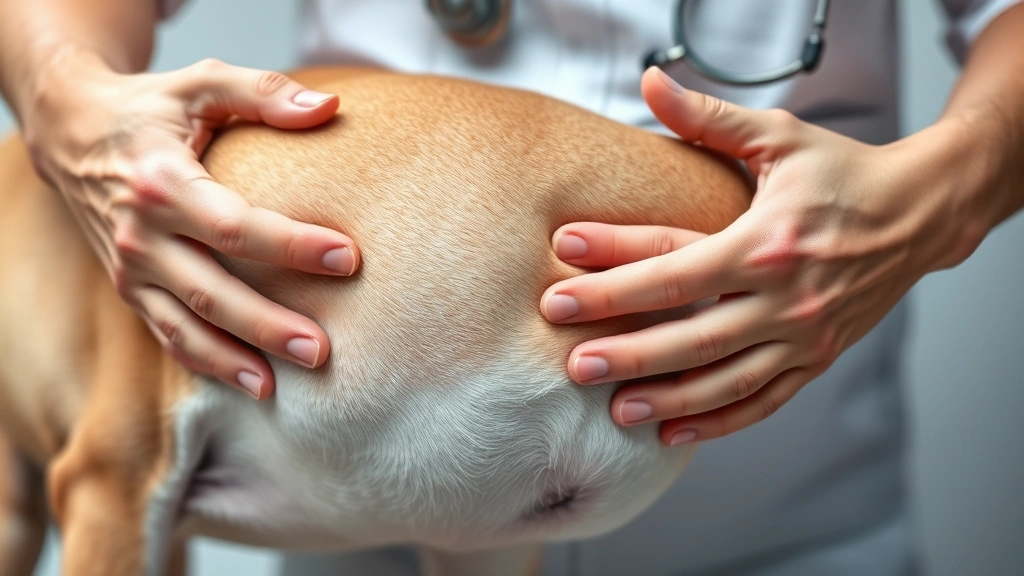
Other conditions that might mimic lipomas include cysts, warts, mast cell tumors, and other benign growths. This is why professional veterinary evaluation is essential—your vet has the training and experience to differentiate between these conditions.
Prevention and Weight Management Strategies
While you can’t completely prevent lipomas (thanks, genetics), you can reduce the risk by maintaining your dog’s healthy weight. This means:
- Providing portion-controlled, balanced meals
- Choosing high-quality dog food appropriate for your dog’s age and activity level
- Limiting treats to no more than 10% of daily calories
- Increasing exercise and playtime
- Avoiding excessive human food scraps
Speaking of treats, healthy pet treats are a great way to reward your pup without contributing to weight gain. For senior dogs, senior pet friendly human foods can provide variety while maintaining nutritional balance.
Living with Lipomas: Long-Term Management
Most dogs with lipomas live completely normal, happy lives without intervention. Your job is to monitor the lumps, maintain your dog’s weight, and keep up with regular veterinary check-ups. During annual wellness exams, your vet will palpate your dog’s body and note any changes in existing lipomas or new lumps.
Keep a mental note (or literally write it down) of when you first noticed each lump and how fast it seems to be growing. This information is invaluable for your vet in determining whether intervention is necessary. A lipoma that hasn’t changed in two years is probably not a concern, but one that’s doubling in size every few months warrants closer investigation.
When to Call Your Vet Immediately
While lipomas are generally benign, certain signs warrant urgent veterinary attention. Contact your vet right away if you notice:
- Rapid growth of a known lipoma
- Changes in the lump’s appearance, texture, or color
- Discharge, bleeding, or odor from the lump
- Your dog obsessively licking or bothering the area
- Signs of infection (redness, swelling, warmth)
- New lumps appearing frequently
- Any lump that seems to be causing pain or mobility issues
Diagnostic Tools: Beyond the Physical Exam
Your veterinarian has several tools at their disposal for confirming lipomas. Fine-needle aspiration involves using a small needle to collect cells from the lump for microscopic examination. Biopsy is more invasive but provides definitive diagnosis. Ultrasound can help determine the lump’s composition and depth, which is particularly useful for surgical planning.
According to the American Kennel Club, proper diagnosis is crucial for distinguishing lipomas from other conditions. Additionally, PetMD emphasizes the importance of regular monitoring and professional evaluation. For more detailed information on tumor types and diagnosis, consult resources from veterinary schools like Washington State University’s College of Veterinary Medicine.
The Cost Factor: Understanding Treatment Expenses
Concerned about your wallet? Here’s what you might expect. Initial veterinary consultation and diagnosis might run $100-300. If your vet recommends surgical removal, costs typically range from $500-2,000 depending on the lipoma’s size, location, and your geographic location. Pre-surgical bloodwork, anesthesia, and post-operative care add to the total.
Many pet insurance plans cover lipoma removal if it’s deemed medically necessary rather than cosmetic. It’s worth checking your policy. For routine monitoring without surgery, costs are minimal—just the annual wellness exam fee.
Recovery After Lipoma Removal Surgery
If your dog undergoes lipoma removal, expect a recovery period of 10-14 days. During this time, you’ll need to keep the surgical site clean and dry, prevent your dog from licking the incision, and limit activity. Your vet will likely prescribe pain medication and antibiotics. You might also consider a virtual pet checkup for post-operative follow-ups if your vet offers this service.

Most dogs bounce back quickly. The real challenge is keeping them calm and preventing them from bothering the incision site. A cone (the dreaded Elizabethan collar) might be necessary, and your dog will probably give you sad eyes for the duration.
Frequently Asked Questions
Are lipomas in dogs cancerous?
No, lipomas are benign tumors, meaning they’re non-cancerous. They don’t spread to other parts of the body and rarely become malignant. However, any new or rapidly growing lump should be evaluated by a veterinarian to rule out other conditions.
Can lipomas in dogs be prevented?
While you can’t completely prevent lipomas due to genetic factors, maintaining a healthy weight through proper diet and exercise can reduce the risk. Avoid excessive treats and human food, and keep your dog active appropriate to their age and health status.
How fast do lipomas grow?
Lipomas typically grow very slowly, sometimes taking months or years to noticeably enlarge. If you notice rapid growth, contact your veterinarian to ensure the lump isn’t something more concerning.
Do all lipomas need to be removed?
No, most lipomas don’t require removal. Surgery is typically recommended only if the lipoma interferes with movement, causes discomfort, becomes infected, or grows rapidly.
What’s the difference between a lipoma and a cyst?
Lipomas are solid fatty tumors, while cysts are fluid-filled sacs. Cysts might feel softer and more compressible, while lipomas feel firmer and more uniform. Your vet can definitively differentiate between the two through physical examination and diagnostics.
Can my senior dog handle lipoma surgery?
Many senior dogs can safely undergo lipoma removal surgery, but pre-operative bloodwork and anesthesia assessment are crucial. Your vet will evaluate your dog’s overall health and determine if surgery is appropriate.
Summary: Managing Lipomas with Confidence
Discovering a lipoma in dogs can feel alarming, but remember: these benign fatty tumors are incredibly common and generally harmless. Most dogs live perfectly normal lives with lipomas that never require intervention. Your role is to monitor them, maintain your dog’s healthy weight, and work with your veterinarian to make informed decisions about treatment.
Regular physical examinations, consistent weight management, and prompt veterinary evaluation of any concerning changes are your best tools for managing lipomas. While surgery is an option for problematic lumps, many dogs never need it. Focus on keeping your pup active, well-fed with quality nutrition, and loved—that’s the best medicine for preventing and managing lipomas in dogs.





