

Let’s be honest—male dog diapers aren’t exactly a topic dog owners dream about discussing at the park, but they’re an absolute game-changer for pups dealing with incontinence, marking issues, or post-surgical recovery. Whether your senior gentleman is experiencing involuntary leaks or you’ve got a young troublemaker who can’t help but mark everything, these protective garments are lifesavers that keep your furniture intact and your furry friend comfortable.
Table of Contents
- Why Your Male Dog Might Need Diapers
- Understanding Male Dog Incontinence and Marking
- Top Features to Look for in Quality Male Dog Diapers
- Best Male Dog Diaper Options on the Market
- Sizing and Fit: Getting It Right the First Time
- Maintaining Skin Health While Using Male Dog Diapers
- Cost Comparison: Disposable vs. Reusable Male Dog Diapers
- Training and Behavioral Considerations
- Alternative Solutions to Consider
- Shopping Tips and Product Recommendations
- Frequently Asked Questions
- Conclusion: Finding Your Dog’s Perfect Fit
Why Your Male Dog Might Need Diapers
Before we dive into the best options, let’s talk about why your boy might need male dog diapers in the first place. Incontinence in dogs happens more often than you’d think, and it’s not something to be embarrassed about. Senior dogs experience age-related incontinence as their muscles weaken—it’s just biology, folks. Urinary tract infections, hormonal imbalances, and certain medications can also trigger unexpected accidents.
Then there’s the marking behavior. Some intact males (and even neutered ones) have an overwhelming urge to mark their territory indoors, which is where doggy diapers come in clutch. Post-surgical dogs recovering from procedures also benefit tremendously from wearing diapers while they heal and regain bladder control.
Understanding Male Dog Incontinence and Marking
Male incontinence differs slightly from female incontinence, which is why specialized male dog diapers exist. Male dogs typically leak from the urethra, and their anatomy requires a different design than female pads. Marking, on the other hand, is a behavioral issue where your dog deliberately sprays urine to claim territory—it’s an instinctive behavior that’s incredibly common in unneutered males.
If your dog is experiencing consistent accidents, it’s worth checking with your vet. Sometimes what looks like incontinence could be related to constipation in dogs or other underlying health issues that need attention. Your veterinarian can rule out urinary tract infections, diabetes, or other medical conditions before you invest in diapers as a long-term solution.
Top Features to Look for in Quality Male Dog Diapers
Not all male dog diapers are created equal. When you’re shopping around, focus on these essential features:
Absorbency and Leak Protection: The whole point is keeping your floors clean, so look for products with multiple absorbent layers. You want something that can handle several hours without leaking onto your furniture or your dog’s legs.
Comfort and Fit: A poorly fitting diaper will either slide off or cause irritation. Adjustable waistbands and leg holes are crucial. Your dog should be able to move, sit, and lie down without restriction.
Breathability: Moisture-wicking materials prevent skin irritation and infections. Diapers that trap heat and moisture create a breeding ground for bacteria, which is the last thing your pup needs.
Easy Changes: You’ll be changing these frequently, so tabs that stick securely but peel off easily save you time and frustration. Some designs even allow you to change just the front without removing the entire diaper.
Best Male Dog Diaper Options on the Market
Let’s break down some top-performing male dog diapers that actually work:
Washable Belly Bands: These wrap around your dog’s midsection and are perfect for marking behavior. They’re eco-friendly, cost-effective over time, and come in fun patterns. Just slide an absorbent pad inside, and you’re good to go. Brands like Paw Legend and Simple Solution offer excellent washable options that hold up through multiple laundry cycles.
Disposable Male Wraps: For convenience, disposable male dog diapers can’t be beaten. Snuggle Puppy and Pet Parents make products specifically designed for male anatomy, with curved shapes that fit snugly around the belly and between the back legs. They’re perfect for travel or when you don’t have time for laundry.
Full-Body Diapers: If your dog has severe incontinence or needs complete protection, full-body diapers cover the entire rear end. These work better for dogs with back-leg leaking issues and provide maximum protection during car rides or vet visits.
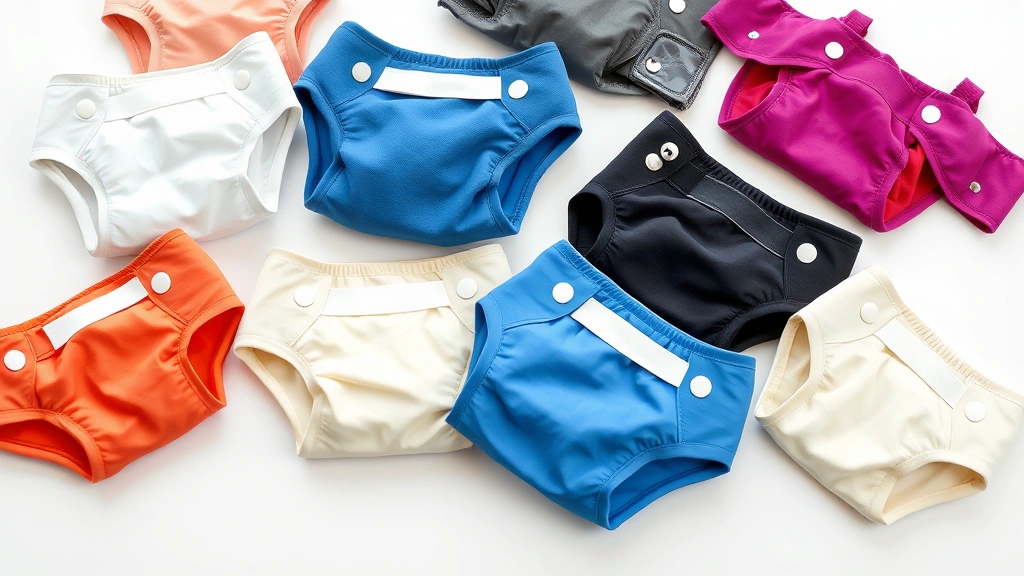
Reusable Swim-Style Diapers: Some dog parents swear by swim diapers adapted for incontinence. They’re lightweight, comfortable for extended wear, and surprisingly effective. Just remember these aren’t designed for heavy absorbency, so they work best for mild marking or as a backup layer.
Sizing and Fit: Getting It Right the First Time
Here’s where most people mess up—they guess at the size. Measure your dog’s waist just behind the rib cage where the diaper will sit. Most brands provide sizing charts, and it’s worth taking five minutes to get accurate measurements. A diaper that’s too loose will leak; one that’s too tight restricts movement and causes discomfort.
Your dog’s weight isn’t always the best indicator either. A stocky 50-pound bulldog might wear a different size than a lean 50-pound lab. When in doubt, order from a retailer with easy returns so you can test the fit without commitment. Your dog’s comfort is worth the extra effort.
Maintaining Skin Health While Using Male Dog Diapers
Extended diaper use can lead to skin irritation if you’re not careful. Change diapers frequently—at minimum every 4-6 hours, more often if your dog is a heavy wetter. Between changes, let your dog go diaper-free for short periods to allow the skin to breathe and dry out completely.
Clean the area gently with warm water and pat dry before putting on a fresh diaper. Some vets recommend applying a thin layer of dog-safe barrier cream, like those containing zinc oxide, to prevent diaper rash. Watch for signs of irritation like redness, excessive scratching, or a foul smell—these indicate it’s time to switch products or consult your vet.
Cost Comparison: Disposable vs. Reusable Male Dog Diapers
Budget matters, especially if your dog needs diapers long-term. Disposable male dog diapers cost roughly $0.50-$1.50 per diaper, which adds up fast if you’re changing multiple times daily. Over a month, you’re looking at $30-$100 depending on your dog’s needs.
Reusable belly bands cost $10-$25 upfront but last for months or years. Absorbent pads cost $0.10-$0.30 each, making the monthly cost $5-$15 once you’ve invested in the bands. If your dog needs long-term protection, reusable is definitely the way to go financially. However, disposables win for convenience and travel.
Training and Behavioral Considerations
Here’s something important: diapers treat the symptom, not the cause. If your dog is marking due to behavioral issues, you’ll also need to address the root problem through training, environmental management, or medication. Consult a certified dog trainer or veterinary behaviorist to develop a comprehensive plan.
For medical incontinence, work with your vet on potential treatments. Sometimes medication can help regulate bladder control, reducing or eliminating the need for diapers long-term. For senior dogs, diapers might be a permanent solution, and that’s okay—they maintain your dog’s dignity and quality of life.
Alternative Solutions to Consider
Before committing to diapers, explore other options. Frequent potty breaks are crucial—some incontinent dogs do better with access to outdoor bathrooms every 2-3 hours. Waterproof furniture covers protect your belongings without restricting your dog’s movement.
Dietary adjustments might help too. Consult your vet about whether your dog’s diet could be contributing to incontinence. Check out our guide on what not to feed your dog to ensure you’re not accidentally worsening the problem with inappropriate foods.
For dogs recovering from surgery, temporary diaper use combined with restricted activity usually resolves the issue. Your vet will provide specific recovery instructions—follow them closely to ensure proper healing.
Shopping Tips and Product Recommendations
Buy from reputable retailers that accept returns. Amazon, Chewy, and specialty pet stores usually have generous return policies. Read verified customer reviews—real dog owners provide invaluable insights about fit, absorbency, and durability.
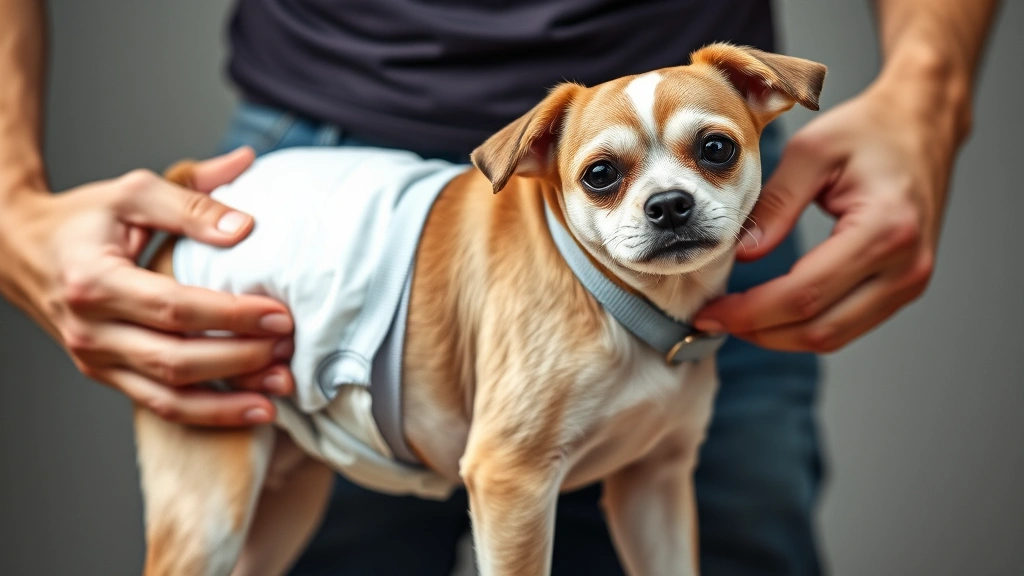
Subscribe to auto-delivery services for recurring purchases. Most retailers offer discounts (typically 5-20%) if you set up automatic shipments, which saves money on disposable diapers while ensuring you never run out.
Don’t hesitate to try multiple brands. Every dog is different, and what works for your neighbor’s golden retriever might not work for your corgi. Some dogs prefer the snug fit of belly bands, while others do better with full-body coverage. Experimentation is part of the process.
For health monitoring, consider implementing remote pet health monitoring systems that track your dog’s bathroom habits and alert you to changes that might indicate underlying health issues requiring veterinary attention.
Frequently Asked Questions
How often should I change my dog’s diaper?
Change diapers every 4-6 hours, or immediately if they’re soiled or wet. More frequent changes prevent skin irritation and infections. Senior dogs and those with severe incontinence might need changes every 2-3 hours.
Can male dogs wear female dog diapers?
Not ideally. Male anatomy requires coverage around the front and sides, while female diapers focus on rear-end protection. Using the wrong type leads to leaks and discomfort. Stick with products specifically designed for male dogs.
Will diapers make my dog’s incontinence worse?
No. Diapers don’t cause or worsen incontinence—they manage it. However, they shouldn’t replace veterinary treatment if an underlying medical condition is causing the problem. Always get your vet’s input before assuming diapers are the only solution.
Are there natural remedies for dog incontinence?
Some natural supplements like cranberry extract or probiotics might support urinary health, but they’re not reliable treatments for incontinence. Work with your vet on evidence-based solutions, whether that’s medication, behavioral training, or diapers as a management tool.
Can I use human diapers on my dog?
Technically yes, but they’re not ideal. Human diapers don’t account for dog anatomy and often cause chafing or fit poorly. Dog-specific diapers are designed with your pup’s unique shape in mind, making them far more comfortable and effective.
How do I know if my dog has a urinary tract infection?
Signs include frequent urination, straining, bloody urine, and accidents indoors. If you notice these symptoms, contact your vet immediately. UTIs are common causes of incontinence and are easily treatable with antibiotics.
Conclusion: Finding Your Dog’s Perfect Fit
Male dog diapers aren’t a perfect solution, but they’re an incredibly practical tool for managing incontinence, marking behavior, and post-surgical recovery. The key is finding the right product for your dog’s specific needs, body type, and lifestyle. Whether you go with reusable belly bands for budget-conscious long-term use or disposable wraps for convenience, your dog will appreciate staying clean and comfortable.
Remember to pair diapers with proper veterinary care. Get your dog checked out to rule out medical issues, maintain excellent skin hygiene with frequent changes, and address any behavioral components with professional training if needed. With patience and the right approach, you’ll find a solution that works for both you and your furry friend.
Don’t let incontinence or marking behavior stress you out. Thousands of dog owners successfully manage these issues with the right products and support. Your dog’s quality of life depends on your compassion and willingness to find solutions—and male dog diapers are a testament to how far pet care has come in keeping our beloved companions happy, healthy, and dignified.





