
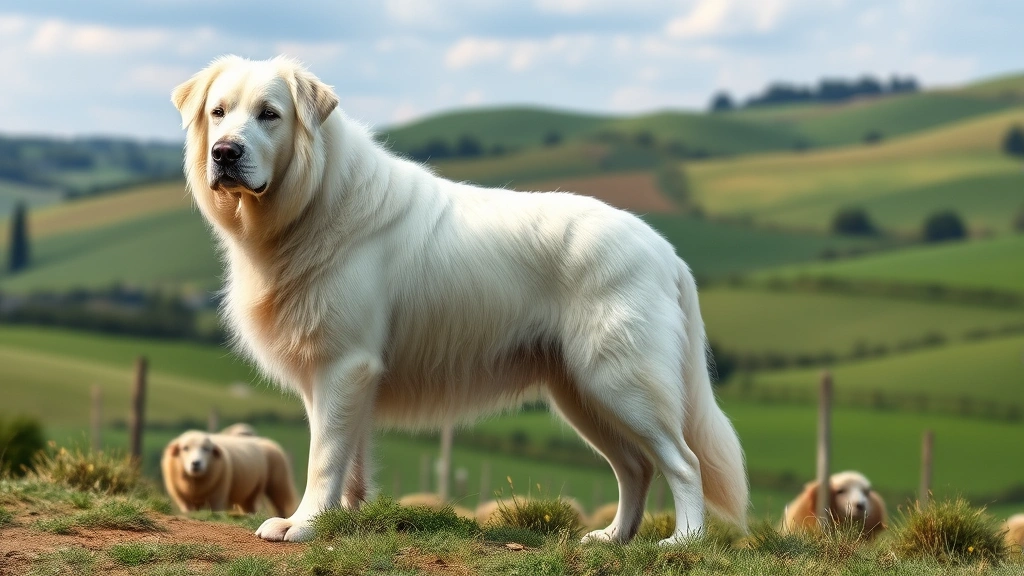
If you’re considering bringing home a Maremma Sheepdog, congratulations—you’re about to meet one of the most magnificently stubborn, fiercely loyal, and absolutely hilarious dog breeds on the planet. These Italian livestock guardians aren’t your typical lap dogs; they’re 80-100 pound bundles of white fur with the attitude of a medieval knight protecting a castle. Whether you’re a first-time dog owner or a seasoned pet parent, this guide will walk you through everything you need to know about these remarkable animals.
Table of Contents
- What Exactly Is a Maremma Sheepdog?
- Temperament: The Good, The Stubborn, and The Protective
- Training a Maremma: Patience Meets Determination
- Health Considerations for Your Giant Guardian
- Nutrition and Diet: Fueling Your Gentle Giant
- Exercise Needs: More Than Just a Walk Around the Block
- Socialization: Making Peace with the Neighborhood
- Living with a Maremma: What to Expect Daily
- Choosing a Reputable Breeder
- Comparing Maremma Sheepdog Dogs to Other Breeds
- Common Misconceptions About Maremmas
- Frequently Asked Questions
- Conclusion: Is a Maremma Sheepdog Right for You?
What Exactly Is a Maremma Sheepdog?
Maremma Sheepdog dogs originated in the Tuscany region of Italy, where they’ve been protecting sheep flocks for centuries. These large white dogs were bred to work independently, making decisions about threats without waiting for human approval. That independent streak is still alive and well today, which means your Maremma won’t be the type to hang on your every word. Instead, they’ll politely ignore you while they decide whether that squirrel in the yard is a legitimate threat to national security.
The breed stands 24-29 inches tall and weighs between 65-100 pounds, with a thick double coat that sheds enough to knit a second dog annually. Their appearance is striking—pure white or cream-colored fur, dark eyes, and an expression that suggests they’re perpetually judging your life choices.
Temperament: The Good, The Stubborn, and The Protective
Understanding Maremma Sheepdog temperament is crucial before committing to ownership. These dogs are loyal to their families but maintain emotional distance that would make a therapist nervous. They’re not clingy—they’re confident. They don’t need constant attention; they need a job and a sense of purpose. This makes them excellent guardians but occasionally frustrating companions who’d rather patrol the perimeter than cuddle on the couch.
What you get with a Maremma is unwavering protection. They’re naturally suspicious of strangers and will position themselves between perceived threats and their family. This isn’t aggression; it’s their default programming. Socialization from puppyhood helps, but you’re never going to turn a Maremma into a social butterfly.
Training a Maremma: Patience Meets Determination
Training Maremma Sheepdog dogs requires understanding their independent nature. These aren’t dogs that live to please you—they live to protect you, whether you want protection from that mail carrier or not. Traditional obedience training works, but you need to frame commands as suggestions they might consider.
Start early with positive reinforcement. Food motivation works well, which brings us to the importance of proper nutrition. Check out our guide on pet nutrition advice to ensure your Maremma gets the right fuel for their large frame. Consistency is your best friend—if you let them get away with something once, they’ll remember it forever and use it against you.
Health Considerations for Your Giant Guardian
Maremma Sheepdog dogs are generally healthy, with a life expectancy of 12-14 years. However, large breed dogs are prone to specific health issues. Hip dysplasia, elbow dysplasia, and bloat are concerns you should discuss with your veterinarian. Responsible breeders screen for these conditions, so always ask for health certifications.
Their thick double coat requires regular grooming, especially during shedding season. We’re talking tumbleweeds of fur rolling through your house. Invest in a quality vacuum cleaner—you’ll need it more than your Maremma needs treats.
Nutrition and Diet: Fueling Your Gentle Giant
Feeding a large breed dog properly prevents numerous health problems. Your Maremma needs high-quality dog food formulated for large breeds, with appropriate calcium and phosphorus ratios to support bone development. Most adult Maremmas require 2-3 cups of food daily, split into two meals to reduce bloat risk.
Wondering what human foods are safe? Our comprehensive guide on puppy safe human foods covers many options. If you’re curious about specific proteins, we’ve got detailed information about can dogs eat chicken, which is a staple in many dog diets.
Exercise Needs: More Than Just a Walk Around the Block
Despite their size, Maremma Sheepdog dogs don’t require excessive exercise. They’re bred for endurance, not sprinting. A couple of hours of activity daily—whether walking, playing, or patrolling their territory—keeps them satisfied. However, they need mental stimulation too. A bored Maremma becomes a destructive Maremma, and their destructive tendencies involve things like redecorating your fence.

They thrive with a secure, spacious yard where they can patrol and monitor their domain. Apartment living isn’t ideal unless you’re committed to extensive daily outdoor time.
Socialization: Making Peace with the Neighborhood
Socializing Maremma Sheepdog dogs early prevents them from becoming overly protective of everything within a five-mile radius. Expose puppies to different people, animals, and environments. This doesn’t make them friendly in a Golden Retriever sense—they’ll still maintain their protective distance—but it helps them distinguish between normal situations and genuine threats.
Early socialization also helps them coexist with other pets. While they have prey drive (they’re herding dogs, after all), proper introduction and training allow them to live peacefully with cats and smaller animals.
Living with a Maremma: What to Expect Daily
Your daily life with a Maremma involves accepting that they’re not velcro dogs. They’ll be present but independent. You’ll find them stationed at windows, monitoring the neighborhood like a furry security system. They’ll ignore your calls when they’re busy investigating something important. You’ll spend considerable time grooming and cleaning up fur.
But you’ll also have a dog that’s deeply bonded to your family, fiercely protective without being aggressive, and endlessly entertaining in their aloofness. They’re the strong, silent type—literally, they don’t bark much unless they have something important to say.
Choosing a Reputable Breeder
When looking for Maremma Sheepdog dogs, breeder selection is critical. Reputable breeders health-test their parents, provide health guarantees, and maintain relationships with puppy buyers throughout the dog’s life. They can tell you about the breed’s working history and help you understand if a Maremma is right for your lifestyle.
Avoid puppy mills and backyard breeders. These operations prioritize profit over health and temperament, resulting in dogs with behavioral and medical issues. The American Kennel Club (AKC) website provides resources for finding registered breeders in your area.
Comparing Maremma Sheepdog Dogs to Other Breeds
If you’re considering a Maremma but exploring other options, understand how they compare to similar breeds. Unlike Chinese dog breeds or other guardian breeds, Maremmas were specifically developed for livestock protection. This makes them more independent than many family dogs but less aggressive than some other guardian breeds.
Great Pyrenees are similar in size and purpose, but Maremmas tend to be slightly more adaptable to family life. German Shepherds are more trainable but require different exercise levels. Understanding these differences helps you make an informed decision.
Common Misconceptions About Maremmas
Many people assume Maremma Sheepdog dogs are aggressive because they’re protective. This is false. They’re naturally cautious and territorial, but not inherently aggressive. Aggression is a behavioral issue, not a breed trait. A well-socialized Maremma is a confident, calm guardian that doesn’t need to prove anything.
Another misconception: they’re high-energy dogs requiring constant activity. Actually, they’re moderate-energy dogs content with a job and reasonable exercise. They’re also not hypoallergenic—their shedding is legendary.
Frequently Asked Questions
Are Maremma Sheepdog dogs good family pets?
Yes, but with caveats. They’re excellent for families with older children and adequate space. They’re protective without being aggressive toward family members, but their independent nature means they won’t be as responsive as some breeds. Families must respect their boundaries and understand their working-dog mentality.
How much does a Maremma Sheepdog puppy cost?
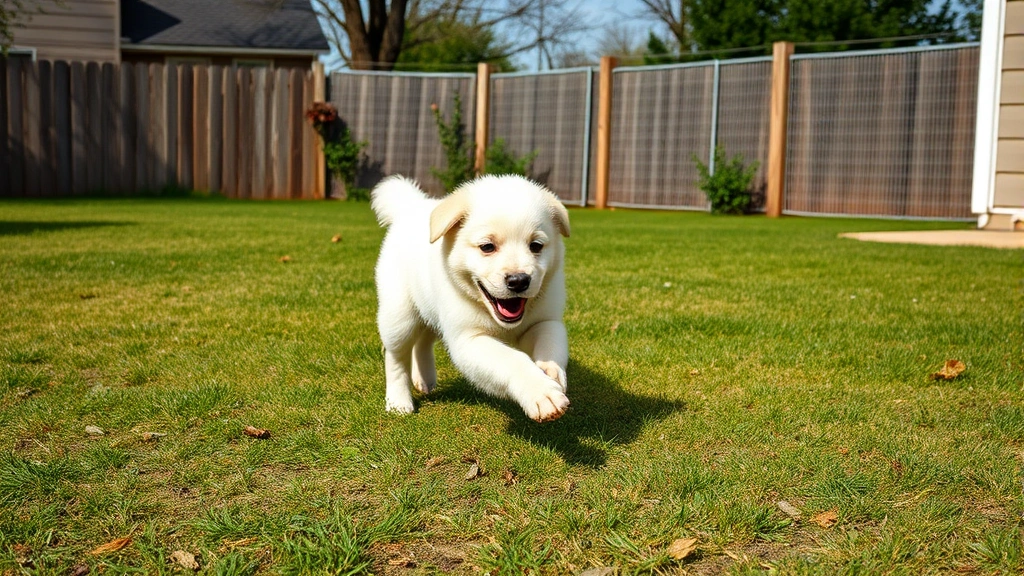
Puppies from reputable breeders typically cost $800-$2,000, depending on pedigree and location. This investment ensures health testing, proper socialization, and ongoing breeder support. Cheaper puppies often come with hidden costs in veterinary bills.
Do Maremma Sheepdog dogs get along with cats?
Generally yes, especially if raised together. Their prey drive is lower than many breeds because they were bred to protect livestock, not hunt it. However, individual temperament varies, and proper introduction is essential.
How often should I groom my Maremma?
Brush their coat 2-3 times weekly to manage shedding. During shedding season (spring and fall), daily brushing is recommended. Professional grooming isn’t necessary, but many owners find it helpful during heavy shedding periods.
What’s the average lifespan of a Maremma Sheepdog?
Most Maremmas live 12-14 years with proper care. This is reasonable for a large breed dog. Maintaining healthy weight, providing preventive veterinary care, and ensuring adequate exercise contribute to longevity.
Can Maremma Sheepdog dogs live in apartments?
Technically yes, but it’s not ideal. They need space to patrol and monitor their territory. If apartment living is your situation, commit to extensive outdoor time and mental stimulation. They can adapt, but they’re happier with yard access.
Conclusion: Is a Maremma Sheepdog Right for You?
Maremma Sheepdog dogs are extraordinary animals for the right owner. They’re loyal without being clingy, protective without being aggressive, and independent without being untrainable. They require commitment, understanding, and respect for their nature as working guardians.
If you want a dog that’s deeply bonded to your family, content with reasonable exercise, and naturally protective of your home, a Maremma might be perfect. If you’re seeking a highly obedient, constantly affectionate, or low-shedding companion, look elsewhere.
Before bringing a Maremma home, research thoroughly, connect with breed clubs, and honestly assess your lifestyle. These dogs deserve owners who understand and appreciate their unique temperament. When you find the right match, you’ll have a loyal companion that will protect your family with quiet confidence for over a decade. That’s worth the fur tumbleweeds and the occasional stubborn moment.





