
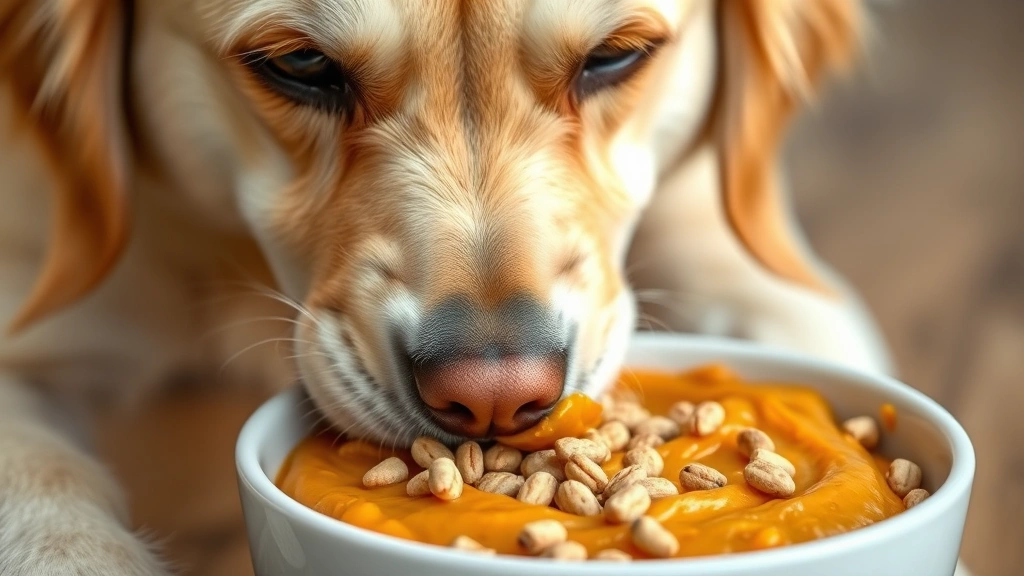
If you’re looking for a natural, affordable way to boost your dog’s health, mashed pumpkin for dogs might just be the orange-colored miracle you’ve been searching for. Seriously, this stuff is like the Swiss Army knife of dog nutrition—it helps with digestion, supports weight management, and tastes way better than most veterinary supplements. Plus, it won’t break the bank or require a pharmacy degree to understand the ingredient list.
Table of Contents
- What Exactly Is Mashed Pumpkin for Dogs?
- Benefit #1: Digestive Health and Gut Balance
- Benefit #2: Natural Constipation Relief Without the Drama
- Benefit #3: Diarrhea Management and Firm Stool Support
- Benefit #4: Weight Management and Satiety
- Benefit #5: Nutritional Powerhouse Packed with Vitamins and Minerals
- How Much Pumpkin Should Your Dog Eat?
- Fresh vs. Canned: Which Is Better?
- Potential Side Effects and When to Avoid Pumpkin
- The Best Ways to Serve Pumpkin to Your Dog
- Storage and Shelf Life Tips
- Frequently Asked Questions
- Final Thoughts: Why Pumpkin Deserves a Spot in Your Dog’s Diet
What Exactly Is Mashed Pumpkin for Dogs?
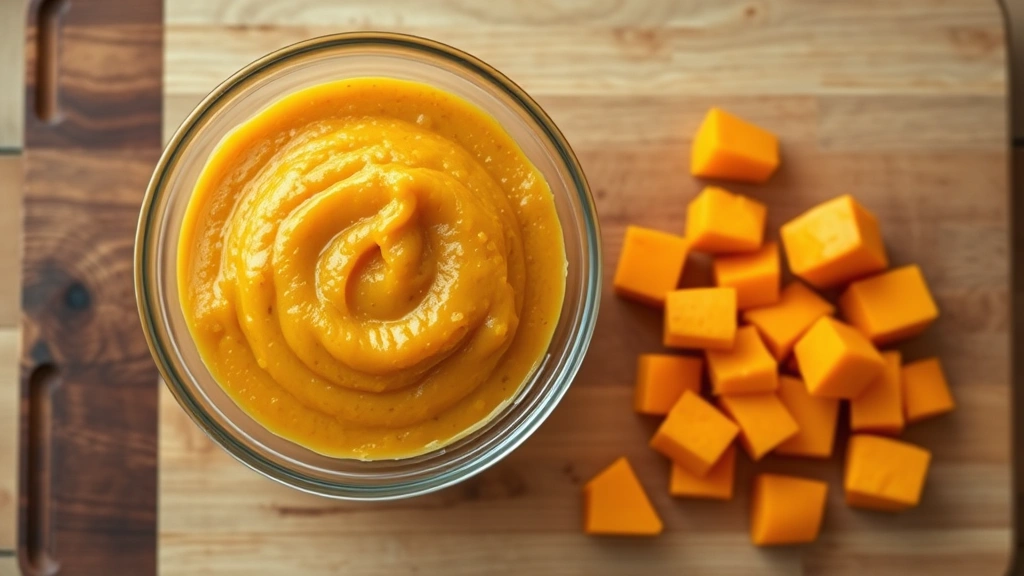
Let’s start with the basics. Mashed pumpkin is simply cooked, pureed pumpkin with no added sugar, spices, or weird preservatives. We’re talking about plain pumpkin puree—the kind you’d use for pie filling, minus the cinnamon and nutmeg. You can buy it canned from any grocery store, or if you’re feeling ambitious, roast and mash a fresh pumpkin yourself. Your dog doesn’t care about your effort level, but your wallet might appreciate the canned option.
The key difference: pumpkin puree is NOT the same as pumpkin pie filling. That pie stuff has added sugar and spices that’ll upset your pup’s stomach faster than you can say “vet bill.” Stick with plain, pure pumpkin, and you’re golden.
Benefit #1: Digestive Health and Gut Balance
Here’s where pumpkin really shines. Mashed pumpkin is loaded with soluble fiber, which acts like a gentle digestive broom for your dog’s system. Whether your pup is dealing with constipation or loose stools, pumpkin helps regulate everything. The soluble fiber absorbs water and creates bulk, which normalizes bowel movements. It’s honestly one of the first things vets recommend before jumping to prescription medications.
The magic happens because pumpkin contains both types of fiber—soluble and insoluble—which work together to support a healthy gut microbiome. A balanced gut means better nutrient absorption, fewer digestive complaints, and a happier dog overall. If your furry friend has been struggling with irregularity, adding pumpkin to their meals could be a game-changer. Check out our guide to human foods for pets with sensitive stomachs for more digestive support options.

Benefit #2: Natural Constipation Relief Without the Drama
Nobody wants to deal with a constipated dog. It’s uncomfortable for them and stressful for you. The soluble fiber in mashed pumpkin absorbs water in the digestive tract, which softens stool and makes everything move along more smoothly. Most dogs see improvement within 24-48 hours of adding pumpkin to their diet.
The best part? It’s gentle. Unlike harsh laxatives that can cause cramping and urgency, pumpkin works naturally with your dog’s system. A typical dose is 1-4 tablespoons per day depending on your dog’s size, mixed right into their regular food. For more creative ways to incorporate pumpkin, check out our pumpkin recipes for pets collection.
Benefit #3: Diarrhea Management and Firm Stool Support
Wait, didn’t we just say pumpkin helps with constipation? Yes. And it also helps with diarrhea. This isn’t magic—it’s fiber science. The soluble fiber in pumpkin absorbs excess moisture in the intestines, which firms up loose stools. Meanwhile, the insoluble fiber adds bulk and promotes normal intestinal movement. It’s like the Goldilocks of digestive supplements—it helps everything find the “just right” zone.
Dogs with chronic diarrhea often respond beautifully to pumpkin supplementation. It’s particularly helpful for dogs with pumpkin for digestive issues caused by food sensitivities or mild inflammatory conditions. Just add a tablespoon or two to their meal, and you might finally get those firm, healthy poops you’ve been dreaming about.

Benefit #4: Weight Management and Satiety
If your dog is chunky and needs to shed some pounds, mashed pumpkin is your new best friend. It’s low in calories (about 42 calories per 100 grams) but high in fiber, which means your dog feels fuller longer without consuming extra calories. You can literally replace some of their regular food with pumpkin and they’ll be just as satisfied—maybe even more so.
This is especially useful for senior dogs or less active pups who need to maintain a healthy weight. The fiber keeps them feeling satisfied between meals, reducing the constant begging for snacks. It’s also a perfect ingredient for homemade treats. Our budget-friendly homemade pet treats guide includes several pumpkin-based recipes that’ll help your dog lose weight without feeling deprived.
Benefit #5: Nutritional Powerhouse Packed with Vitamins and Minerals
Beyond fiber, pumpkin brings serious nutritional credentials to the table. It’s rich in vitamins A, C, and E, plus potassium, manganese, and copper. Vitamin A is crucial for eye health and immune function, while the antioxidants help fight inflammation and support overall wellness. These nutrients make pumpkin more than just a digestive aid—it’s legitimate nutritional support.
The beta-carotene in pumpkin (that’s what makes it orange) converts to vitamin A in your dog’s body. This supports everything from vision to skin health to immune response. For a dog with a compromised immune system or recovering from illness, those extra nutrients matter. Combine pumpkin with other nutrient-dense foods from our high-fiber human foods for pets guide for maximum nutritional benefit.
How Much Pumpkin Should Your Dog Eat?
Dosage depends on your dog’s size. Here’s the general breakdown:
Small dogs (under 15 lbs): 1 teaspoon to 1 tablespoon per day
Medium dogs (15-30 lbs): 1-2 tablespoons per day
Large dogs (30+ lbs): 2-4 tablespoons per day
Start with the lower end and work up. You want to introduce pumpkin gradually to avoid digestive upset (yes, too much of a good thing can cause issues). Most dogs do best with pumpkin mixed into their regular meals once or twice daily. If you’re using it for acute digestive issues, you might increase the frequency temporarily, but check with your vet first.
Fresh vs. Canned: Which Is Better?
Both work great, but they have different perks. Canned pumpkin is convenient, affordable, shelf-stable, and consistently nutritious. You literally just open a can and scoop. Fresh pumpkin requires cooking and mashing, which takes more effort but gives you complete control over the product.

If you go the fresh route, roast pumpkin chunks at 350°F for 45 minutes, then puree with a food processor. Store it in ice cube trays for easy portioning. Either way, avoid the pie filling like it’s contaminated. Plain is the only way to go.
Potential Side Effects and When to Avoid Pumpkin
Mashed pumpkin is generally safe, but it’s not right for every dog. Avoid it if your pup has:
Diabetes or blood sugar issues: Even plain pumpkin has natural sugars. Check with your vet before adding it.
Pancreatitis: The fat content might trigger flare-ups in susceptible dogs.
Certain medications: Pumpkin’s fiber can interfere with medication absorption. Space them out by at least 2 hours.
Too much pumpkin can also cause constipation in some dogs (ironic, right?). If your dog suddenly gets gassy, bloated, or has harder stools, scale back the amount. Every dog’s digestive system is unique.

The Best Ways to Serve Pumpkin to Your Dog
Mixing pumpkin into regular kibble is the easiest method, but here are other options:
Pumpkin treats: Freeze pumpkin puree in ice cube trays for a refreshing summer snack.
Pumpkin and sweet potato mix: Combine with mashed sweet potato for extra nutrition.
Pumpkin Kong: Stuff a Kong toy with pumpkin puree and freeze for extended entertainment.
Pumpkin broth: Mix pumpkin with bone broth for a warming winter meal.
Get creative with our bland diet recipes for sick pets, which includes several pumpkin-based options perfect for dogs recovering from illness or digestive upset.
Storage and Shelf Life Tips
Canned pumpkin lasts for years in the pantry—check the expiration date like you would any canned food. Once opened, transfer unused portions to an airtight container and refrigerate for up to 5 days. You can also freeze pumpkin puree in ice cube trays for months.

Fresh pumpkin puree keeps in the fridge for about a week, or frozen for up to 3 months. Label everything with the date so you don’t accidentally serve your dog ancient pumpkin.
Frequently Asked Questions
Is canned pumpkin safe for dogs every day?
Yes, plain canned pumpkin is safe for daily use in appropriate amounts. Many vets recommend it as a regular supplement for dogs with chronic digestive issues. Just stick to the recommended dosages and monitor your dog’s response.
Can puppies have mashed pumpkin?
Absolutely. Puppies can benefit from pumpkin’s digestive support, especially during the transition to solid food or when dealing with digestive upset. Use smaller amounts—start with 1/2 teaspoon for tiny puppies and work up based on their size and response.
Will pumpkin help my dog’s skin and coat?
Indirectly, yes. The vitamins and minerals in pumpkin support overall health, including skin and coat condition. However, if your dog has specific skin issues, you’ll probably need targeted treatment alongside pumpkin supplementation.
Can I give my dog pumpkin pie filling instead of plain pumpkin?
No. Pumpkin pie filling contains added sugar, spices, and sometimes xylitol (which is toxic to dogs). Stick exclusively with plain pumpkin puree. Check the label to make sure it says “100% pumpkin” with no added ingredients.
How long does it take for pumpkin to work?
Most dogs show improvement in digestive symptoms within 24-48 hours. For chronic issues, it might take a week or two to see full benefits as their system adjusts. Consistency matters—daily supplementation works better than sporadic use.
Should I consult my vet before giving pumpkin?
It’s always smart to mention any dietary changes to your vet, especially if your dog is on medications or has underlying health conditions. Most vets enthusiastically support pumpkin supplementation, but they know your dog’s specific situation best.
Final Thoughts: Why Pumpkin Deserves a Spot in Your Dog’s Diet
Mashed pumpkin for dogs is one of those rare things that’s genuinely good for them, actually tasty, affordable, and backed by veterinary support. Whether your dog needs digestive help, weight management, or just some extra nutrition, pumpkin delivers. It’s not a miracle cure for serious health issues, but it’s an excellent foundation for digestive wellness and overall vitality.
Start with small amounts, monitor your dog’s response, and don’t hesitate to chat with your vet if you have concerns. Your dog’s happy, healthy digestion is worth the effort of opening a can and scooping out a tablespoon or two. Plus, you’ll finally understand why pumpkin spice season is such a big deal—it’s delicious, and your dog will agree.





