
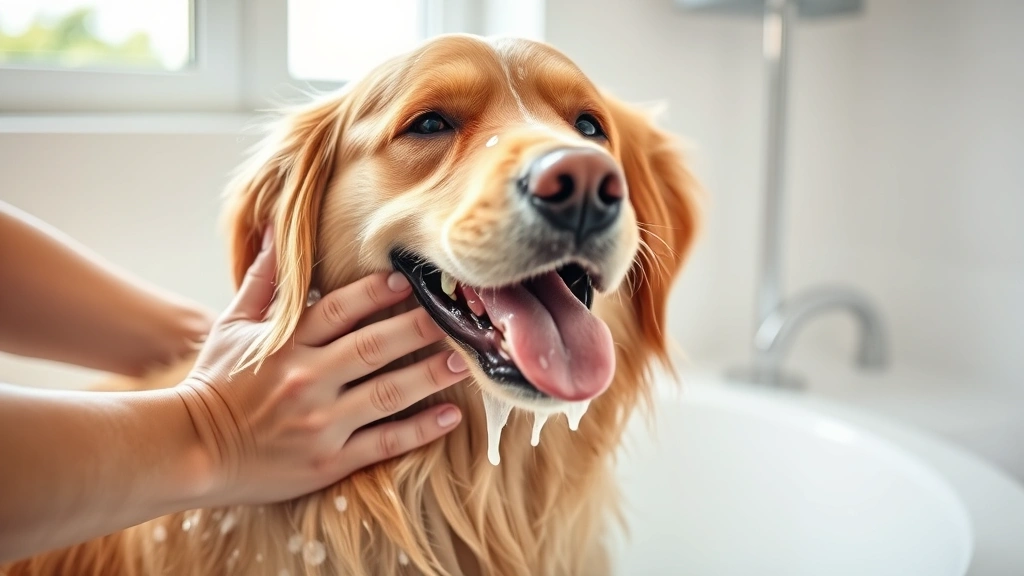
Your pup is scratching like they’re auditioning for a flea circus, and you’re at your wit’s end. Before you lose your mind (and your dog loses their fur), it’s time to talk about medicated dog shampoo—the MVP of doggy dermatology that can turn your itchy, uncomfortable furball back into a happy, healthy companion.
Table of Contents
- What Exactly Is Medicated Dog Shampoo?
- Common Skin Conditions That Need Medicated Solutions
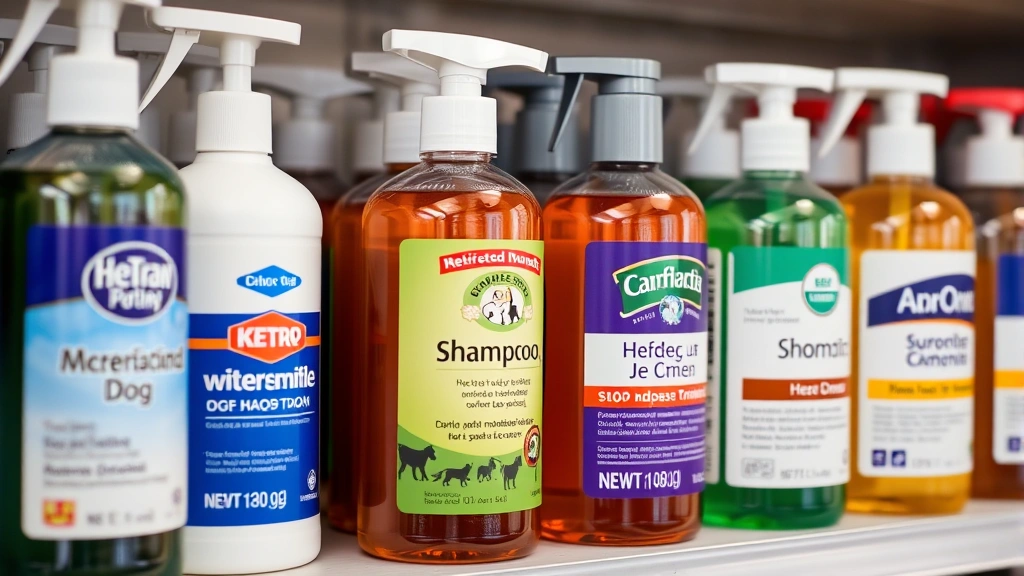
- The 5 Best Medicated Dog Shampoos for Skin Relief
- How to Use Medicated Dog Shampoo Correctly
- Medicated Shampoo vs. Regular Shampoo: What’s the Real Difference?
- Prescription vs. Over-the-Counter Medicated Shampoos
- Side Effects and Safety Considerations
- How Long Before You See Results?
- Cost Considerations and Where to Buy
- Combining Medicated Shampoo with Other Treatments
- Frequently Asked Questions
- Final Thoughts: Your Dog’s Skin Health Matters
Whether your dog’s dealing with allergies, bacterial infections, fungal issues, or just plain old dry skin, medicated dog shampoo is often the first line of defense your vet will recommend. And honestly? It’s a game-changer. Let’s dive into everything you need to know about choosing the right medicated shampoo for your four-legged friend.
What Exactly Is Medicated Dog Shampoo?
Medicated dog shampoo isn’t just fancy regular shampoo with a fancy price tag. These formulations contain active therapeutic ingredients designed to treat specific skin conditions rather than just clean your dog’s coat. Think of it as the difference between a regular face wash and prescription acne medication—one cleans, the other actually heals.
Common active ingredients include:
- Ketoconazole – fights fungal infections like yeast
- Chlorhexidine – tackles bacterial infections
- Salicylic acid – helps with seborrhea and flaky skin
- Coal tar – reduces itching and inflammation
- Sulfur – another antifungal and antibacterial powerhouse
The key difference? These shampoos are typically prescribed by vets or recommended for specific conditions, and they’re designed to stay on your dog’s skin long enough to actually work their magic. Regular shampoo? It’s just rinsed away.
Common Skin Conditions That Need Medicated Solutions
Before you grab just any medicated dog shampoo, you need to know what you’re treating. Different conditions require different formulations. Here are the usual suspects:
Yeast infections are surprisingly common in dogs, especially those with floppy ears or skin folds. Your pup might smell like corn chips (yes, really) and scratch obsessively. Bacterial infections often develop from excessive scratching or wounds, leading to hot spots and crusty patches. Allergies can trigger itching year-round or seasonally, and a good medicated shampoo can provide relief while you work with your vet on the underlying cause. Seborrhea causes flaky, oily skin that’s about as pleasant as it sounds. And parasitic issues like mange require specialized treatment.
This is where a virtual pet checkup can be super helpful—your vet can recommend the exact formulation your dog needs without you having to guess.
The 5 Best Medicated Dog Shampoos for Skin Relief
1. Malaseb Medicated Shampoo
Malaseb is the heavy hitter of medicated dog shampoos. It combines miconazole nitrate and chlorhexidine gluconate to fight both fungal and bacterial infections simultaneously. If your dog’s got yeast issues or bacterial dermatitis, this is often the first recommendation from veterinarians.
The best part? You lather it on, let it sit for 10 minutes (yes, you have to actually wait), and rinse. That contact time is crucial for effectiveness. It’s not the cheapest option, but it works, and that’s what matters when your dog’s miserable.
2. Veterinary Formula Clinical Care Medicated Shampoo
This one’s a solid mid-range option that doesn’t require a prescription. It contains ketoconazole and chlorhexidine, making it effective for yeast and bacterial issues. Dog owners love it because it’s reasonably priced, smells decent, and actually delivers results.
Fair warning: it can be drying, so you might want to follow up with a moisturizing conditioner, especially if your pup has sensitive skin.
3. Douxo Seborrhea Shampoo
If your dog’s dealing with seborrhea or general seborrheic dermatitis, Douxo is your answer. It uses a unique complex of ingredients including phytosphingosine, which is naturally found in healthy skin. It’s gentler than some alternatives while still being effective, making it great for dogs with compromised skin barriers.
This shampoo is also less likely to over-dry your dog’s coat, which is a huge win if you’re using it regularly.
4. Medicated Shampoo with Coal Tar
Coal tar sounds medieval, but it’s actually an FDA-approved ingredient for treating itching, inflammation, and seborrhea. These shampoos are particularly good for chronic itching and scaling issues. The smell is a bit… earthy (okay, kinda gross), but your dog won’t care, and the results speak for themselves.
Just note: coal tar can be messy and might stain light-colored coats. Use gloves, and maybe do this bath outside if you’re worried about your bathroom.
5. Sulfur-Based Medicated Shampoos
Sulfur is an old-school remedy that’s still incredibly effective, especially for mange and mite-related issues. It’s antimicrobial, antifungal, and antiparasitic all in one. If your vet suspects mites or other parasites, sulfur-based shampoos are often the go-to.
Warning: sulfur has a distinctive smell (think rotten eggs), but again, your dog won’t judge you.
How to Use Medicated Dog Shampoo Correctly
Here’s the thing—most dog owners mess this up. You can’t just lather, rinse, and repeat like you’re in a shampoo commercial. Medicated dog shampoo needs contact time to work.
The proper method:
- Wet your dog’s coat thoroughly with lukewarm water
- Apply the shampoo generously, working it into a good lather
- Let it sit for 10 minutes (set a timer—seriously)
- Rinse completely with lukewarm water
- Repeat if your vet recommends it (usually once or twice weekly)
That 10-minute contact time is non-negotiable. That’s when the active ingredients actually do their job. If you rinse immediately, you’re basically wasting money and your dog’s comfort.
Medicated Shampoo vs. Regular Shampoo: What’s the Real Difference?
You might be wondering if you can just use regular dog shampoo and call it a day. Spoiler alert: you can’t. Regular shampoo is designed to clean, while medicated formulations are designed to treat. The pH balance, ingredients, and contact time are all optimized for therapeutic benefit.
If you’re curious about other shampoo myths, check out our article on whether you can use cat shampoo for dogs—spoiler: you really shouldn’t.
Using the wrong type of shampoo on a dog with a skin condition is like putting regular gas in a car that needs premium. It might run, but not well, and you could actually make things worse.
Prescription vs. Over-the-Counter Medicated Shampoos
Some medicated shampoos require a vet’s prescription, while others are available over-the-counter. What’s the difference?
Prescription shampoos typically contain stronger active ingredients or higher concentrations. They’re reserved for more serious conditions or situations where OTC options haven’t worked. Examples include Malaseb and certain chlorhexidine formulations.
OTC medicated shampoos are still effective for mild to moderate issues and are great for maintenance once your vet has diagnosed the problem. They’re also more affordable and convenient since you don’t need a prescription.
Your vet will recommend which category is right for your dog’s specific situation. And if you want to discuss options remotely, a telehealth pet nutrition consultation can help you understand the best approach for your pup’s skin health.
Side Effects and Safety Considerations
Medicated shampoos are generally safe when used as directed, but there are a few things to watch out for:
Skin irritation can occur in sensitive dogs, especially if you leave the shampoo on too long or use it too frequently. Always follow your vet’s instructions on frequency.
Dryness is common with some formulations, particularly those containing chlorhexidine or coal tar. If your dog’s skin gets too dry, ask your vet about using a moisturizing conditioner afterward.
Allergic reactions are rare but possible. If your dog develops redness, swelling, or excessive scratching after using a medicated shampoo, rinse it off immediately and contact your vet.
Toxicity from ingestion is unlikely with topical shampoos, but if your dog has a habit of licking their own skin excessively, mention this to your vet. They might recommend alternatives or suggest an oral medication like clindamycin instead.
How Long Before You See Results?
Patience, grasshopper. Medicated dog shampoo isn’t a miracle cure that works overnight. Most dogs show improvement within 2-4 weeks of consistent use, though some conditions take longer.
You should notice:

- Reduced scratching within the first week or two
- Less redness and inflammation within 2-3 weeks
- Healthier coat appearance within 4 weeks
- Complete resolution of mild issues within 4-8 weeks
If you don’t see any improvement after 4 weeks of proper use, contact your vet. Your dog might need additional treatment or a different approach.
Cost Considerations and Where to Buy
Medicated dog shampoos range from about $10 to $40 per bottle, depending on the brand and formulation. Prescription options tend to be pricier than OTC versions.
Where to buy:
- Your vet’s office – often carries prescription and recommended brands
- Online retailers – Amazon, Chewy, and other pet sites usually have competitive pricing
- Pet stores – PetSmart, Petco, and independent shops stock OTC options
- Pharmacies – some human pharmacies carry veterinary products
Pro tip: a single bottle usually lasts 4-8 weeks depending on your dog’s size and how often you bathe them. Budget accordingly.
Combining Medicated Shampoo with Other Treatments
Often, medicated shampoo is just part of the treatment plan. Your vet might also recommend:
Oral medications for systemic infections or allergies. Topical treatments like sprays or creams for spot treatments. Dietary changes if allergies are food-related. Environmental management to reduce allergens or parasites.
Medicated shampoo works best as part of a comprehensive approach. Don’t expect it to be a standalone cure for complex issues.
Frequently Asked Questions
Can I use medicated dog shampoo on my cat?
Absolutely not. Cats have different skin pH levels and are more sensitive to certain ingredients. Using dog shampoo on a cat can cause irritation and other issues. Always use products specifically formulated for your pet’s species.
How often should I bathe my dog with medicated shampoo?
Frequency depends on the condition and product. Most vets recommend 1-3 times weekly initially, then tapering down as the condition improves. Never use medicated shampoo more than recommended—over-use can dry out the skin and cause more problems.
Is medicated dog shampoo safe for puppies?
Some formulations are safe for puppies, but others aren’t recommended for dogs under a certain age. Always check the label and ask your vet before using medicated shampoo on a puppy. Young pups have more delicate skin.
What should I do if my dog has an allergic reaction to medicated shampoo?
Rinse the shampoo off immediately with cool water, and don’t use that product again. Contact your vet right away, especially if your dog shows signs of swelling, difficulty breathing, or severe itching. Your vet can recommend an alternative formulation.
Can medicated dog shampoo cure skin infections permanently?
Medicated shampoo treats the symptoms and kills the organisms causing the infection, but it doesn’t always prevent recurrence. Some dogs are prone to recurring yeast or bacterial infections due to allergies or other underlying conditions. You might need to use it periodically for maintenance.
Why does my vet recommend leaving the shampoo on for 10 minutes?
That contact time allows the active ingredients to penetrate the skin and do their job. Rinsing immediately means the medication doesn’t have time to work effectively. It’s the difference between a quick wash and actual treatment.
Final Thoughts: Your Dog’s Skin Health Matters
Medicated dog shampoo is one of the most effective tools in your arsenal for treating common canine skin conditions. Whether your pup is dealing with yeast, bacteria, allergies, or parasites, there’s likely a medicated shampoo formulation that can help.
The key is working with your vet to identify the specific problem, choosing the right product, using it correctly (that 10-minute contact time is crucial!), and being patient as your dog’s skin heals. Don’t just grab the cheapest option or assume all medicated shampoos are the same—they’re not.
Your dog’s comfort is worth the effort. No more obsessive scratching, no more hot spots, no more misery. Just a happy, healthy pup with a coat that actually feels good. That’s worth celebrating.





