

As pet owners, we’re constantly searching for healthy, nutritious treats to share with our beloved canine companions. One food that frequently comes up in discussions is eggs, particularly scrambled eggs. The question “are scrambled eggs good for dogs?” is one that many dog owners ponder when looking at their breakfast plate and seeing their furry friend’s hopeful eyes.
Eggs have long been considered a nutritional powerhouse for humans, packed with high-quality protein, essential amino acids, and various vitamins and minerals. But when it comes to our four-legged family members, the answer isn’t always straightforward. While eggs can indeed be beneficial for dogs, there are important considerations regarding preparation, portion sizes, and individual dog health factors that every responsible pet owner should understand.
Nutritional Benefits of Eggs for Dogs
Eggs are often referred to as nature’s perfect protein, and this reputation extends to their benefits for dogs as well. When properly prepared and served in appropriate quantities, eggs can provide numerous nutritional advantages for your canine companion. The American Kennel Club recognizes eggs as a safe and nutritious treat for dogs when prepared correctly.
The protein content in eggs is particularly valuable for dogs. A single large egg contains approximately 6 grams of high-quality protein that includes all essential amino acids necessary for optimal canine health. These amino acids support muscle development, tissue repair, and overall growth, making eggs especially beneficial for active dogs, puppies, and senior dogs who may need additional protein support.
Beyond protein, eggs are rich in essential fatty acids, particularly omega-3 and omega-6 fatty acids, which contribute to healthy skin and a shiny coat. Many dog owners notice improvements in their pet’s coat quality after incorporating eggs into their diet. Additionally, eggs contain important vitamins such as vitamin A for eye health, vitamin D for bone strength, and B vitamins that support nervous system function and energy metabolism.
The biotin content in eggs is another significant benefit, as this B vitamin plays crucial roles in cell growth, fat metabolism, and maintaining healthy skin and coat. Riboflavin, folate, and selenium found in eggs also contribute to various metabolic processes and immune system support. When considering can dogs eat scrambled eggs, it’s important to note that these nutritional benefits remain intact when eggs are properly prepared.
Safe Preparation Methods
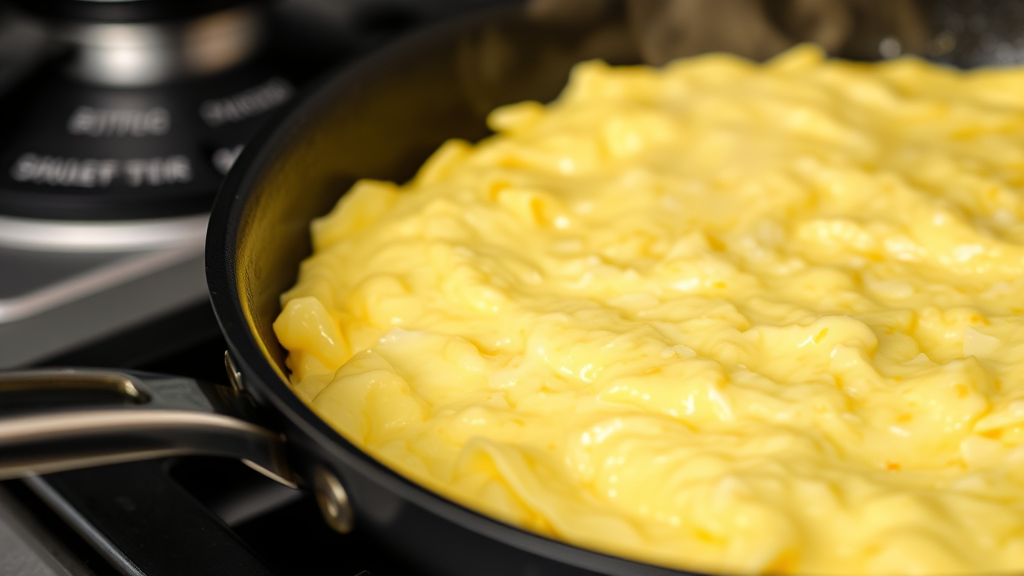
The way you prepare eggs for your dog is crucial for both safety and nutritional value. Plain scrambled eggs, cooked without any additives, represent one of the safest preparation methods for dogs. Unlike raw eggs, which can pose risks of salmonella and other bacterial infections, thoroughly cooked scrambled eggs eliminate these concerns while maintaining most of their nutritional benefits.
When preparing scrambled eggs for your dog, avoid using butter, oil, salt, pepper, onions, garlic, or any other seasonings that could be harmful to dogs. These additives can cause digestive upset or, in the case of onions and garlic, can be toxic to dogs. Instead, use a non-stick pan or a small amount of water to prevent sticking while cooking the eggs thoroughly.
The cooking process should ensure that both the egg whites and yolks are completely cooked through. Runny or undercooked eggs should be avoided as they may contain harmful bacteria. The American Veterinary Medical Association recommends cooking all animal proteins thoroughly to prevent foodborne illness in pets.
Some dog owners wonder about other egg parts, such as shells. While can dogs eat egg shells is a valid question, it’s generally recommended to stick with the cooked egg itself rather than including shells, unless specifically advised by a veterinarian for calcium supplementation purposes.
Portion Guidelines and Feeding Frequency
Determining the appropriate portion size and frequency for feeding scrambled eggs to your dog depends on several factors, including your dog’s size, age, activity level, and overall health status. As with any treat or supplement to your dog’s regular diet, moderation is key to preventing digestive upset and maintaining balanced nutrition.
For small dogs weighing under 20 pounds, half of a scrambled egg once or twice per week is typically sufficient. Medium-sized dogs (20-50 pounds) can usually handle one whole scrambled egg per serving, while larger dogs (over 50 pounds) may be able to enjoy one to two eggs depending on their individual tolerance and dietary needs.
The question of how many eggs can a dog eat in a week is important for maintaining proper nutrition balance. Most veterinarians recommend limiting egg consumption to 2-3 times per week at most, ensuring that eggs don’t comprise more than 10% of your dog’s total daily caloric intake.
It’s essential to introduce eggs gradually into your dog’s diet, starting with small portions to monitor for any adverse reactions. Some dogs may experience digestive sensitivity when first trying eggs, so beginning with a small amount allows you to assess your pet’s tolerance. According to PetMD, gradual introduction of new foods is always the safest approach for dogs.
Potential Risks and Concerns
While scrambled eggs can be a nutritious treat for most dogs, there are several potential risks and concerns that responsible pet owners should be aware of. Understanding these risks helps ensure that you’re making informed decisions about your dog’s diet and can recognize any warning signs that may indicate eggs aren’t suitable for your particular pet.
One of the primary concerns is the high fat content in eggs, particularly in the yolk. Dogs with pancreatitis, obesity, or other digestive sensitivities may not tolerate the fat content well. The sudden introduction of high-fat foods can trigger pancreatitis episodes in susceptible dogs, leading to serious health complications that require immediate veterinary attention.
Allergic reactions, while relatively rare, can occur in some dogs. Symptoms of egg allergies may include skin irritation, digestive upset, excessive scratching, or more severe reactions. If you notice any unusual symptoms after feeding your dog scrambled eggs, discontinue the eggs immediately and consult with your veterinarian.
Another consideration is the cholesterol content in eggs. While dietary cholesterol doesn’t affect dogs the same way it affects humans, dogs with pre-existing heart conditions or other health issues may need to avoid high-cholesterol foods. Always consult with your veterinarian before introducing eggs if your dog has any diagnosed health conditions.
The FDA’s food safety guidelines emphasize proper food handling and storage to prevent contamination. This is particularly important with eggs, which can harbor harmful bacteria if not handled and cooked properly.

Special Dietary Considerations
Certain dogs may have specific dietary needs or health conditions that affect whether scrambled eggs are appropriate for their diet. Puppies, senior dogs, pregnant or nursing females, and dogs with medical conditions all have unique nutritional requirements that should be considered before adding eggs to their diet.
Puppies have rapidly growing bodies and higher protein requirements than adult dogs. While eggs can provide excellent protein for growing puppies, they should only be introduced after the puppy is fully weaned and eating solid food. The high protein content can be beneficial, but portion sizes should be adjusted appropriately for their smaller size and developing digestive systems.
Senior dogs may benefit from the easily digestible protein in eggs, especially if they’re experiencing muscle loss or have decreased appetite. However, older dogs are also more likely to have health conditions like kidney disease or heart problems that might require dietary restrictions. Always consult with a veterinarian before adding new foods to a senior dog’s diet.
Dogs with specific dietary restrictions or food sensitivities may need alternatives to eggs. Some dogs do better with other protein sources, and it’s worth exploring options like how to boil chicken for dogs or considering whether can dogs eat rice as complementary foods that might be more suitable for sensitive stomachs.
For dogs recovering from illness or digestive upset, bland diets are often recommended. In such cases, you might want to know what to feed a dog with diarrhea rather than introducing potentially rich foods like eggs during recovery periods.
Healthy Alternatives and Complementary Foods
While scrambled eggs can be an excellent treat for many dogs, it’s important to have a variety of healthy options in your pet’s diet. Diversifying treats and supplements ensures balanced nutrition and prevents your dog from becoming bored with their food options.
Lean proteins like properly prepared chicken, turkey, or fish can provide similar nutritional benefits to eggs. These alternatives may be better suited for dogs with fat sensitivities or those who don’t tolerate eggs well. When preparing these proteins, the same rules apply as with eggs: cook thoroughly and avoid seasonings or additives that could be harmful to dogs.
For dogs who enjoy eggs but need lower-fat options, egg whites alone can be a good alternative. Egg whites contain most of the protein benefits without the higher fat content of whole eggs. However, they lack some of the vitamins and minerals found in the yolk, so this should be considered when making dietary decisions.
Some pet owners wonder about combining eggs with other foods. Questions like can dogs eat cheese often arise when considering breakfast combinations. While small amounts of certain cheeses may be acceptable for some dogs, it’s generally better to keep eggs plain and simple when serving them as a treat.
The Humane Society provides comprehensive guidelines on safe and unsafe foods for pets, which can help you make informed decisions about treats and dietary additions. It’s also worth noting that some foods commonly paired with eggs in human meals, such as those discussed in can dogs eat chicken bones, should be avoided entirely due to safety concerns.
Other considerations include whether are egg shells good for dogs as a calcium supplement, though this should only be done under veterinary guidance and with proper preparation to ensure safety and appropriate dosing.
Frequently Asked Questions
Can I feed my dog scrambled eggs every day?
No, scrambled eggs should not be fed to dogs daily. While nutritious, eggs are high in fat and cholesterol and should be limited to 2-3 times per week at most. Daily consumption could lead to digestive upset, weight gain, or nutritional imbalances. Treats should never comprise more than 10% of your dog’s total daily caloric intake.
Are raw eggs better than scrambled eggs for dogs?
Scrambled eggs are safer than raw eggs for dogs. Raw eggs carry the risk of salmonella and other bacterial infections, and they contain avidin, which can interfere with biotin absorption. Cooking eggs eliminates these risks while preserving most nutritional benefits, making scrambled eggs the preferred option for canine consumption.
What should I do if my dog has an allergic reaction to eggs?
If you suspect your dog is having an allergic reaction to eggs, stop feeding them eggs immediately and contact your veterinarian. Signs of allergic reactions may include vomiting, diarrhea, skin irritation, excessive scratching, swelling, or difficulty breathing. Severe reactions require immediate emergency veterinary care.
Can puppies eat scrambled eggs?
Puppies can eat scrambled eggs, but only after they’re fully weaned and eating solid food, typically around 8-12 weeks of age. Start with very small portions and ensure the eggs are thoroughly cooked and plain, without any seasonings or additives. Always introduce new foods gradually and monitor for any adverse reactions.
How should I prepare scrambled eggs for my dog?
Prepare scrambled eggs for dogs by cooking them thoroughly in a non-stick pan without any oil, butter, salt, pepper, or other seasonings. The eggs should be completely cooked through with no runny parts. Allow them to cool to room temperature before serving, and always serve in appropriate portion sizes for your dog’s weight.
Can dogs with pancreatitis eat scrambled eggs?
Dogs with pancreatitis should generally avoid scrambled eggs due to their high fat content, which can trigger pancreatitis episodes. If your dog has a history of pancreatitis or is currently managing the condition, consult with your veterinarian before introducing any new foods, including eggs, into their diet.
Are egg yolks or egg whites better for dogs?
Both egg yolks and whites offer nutritional benefits for dogs. Egg whites are lower in fat and calories but higher in protein, while yolks contain more vitamins, minerals, and essential fatty acids but also more fat and cholesterol. For most healthy dogs, whole eggs provide the best nutritional balance, but dogs with fat sensitivities may do better with just egg whites.





