
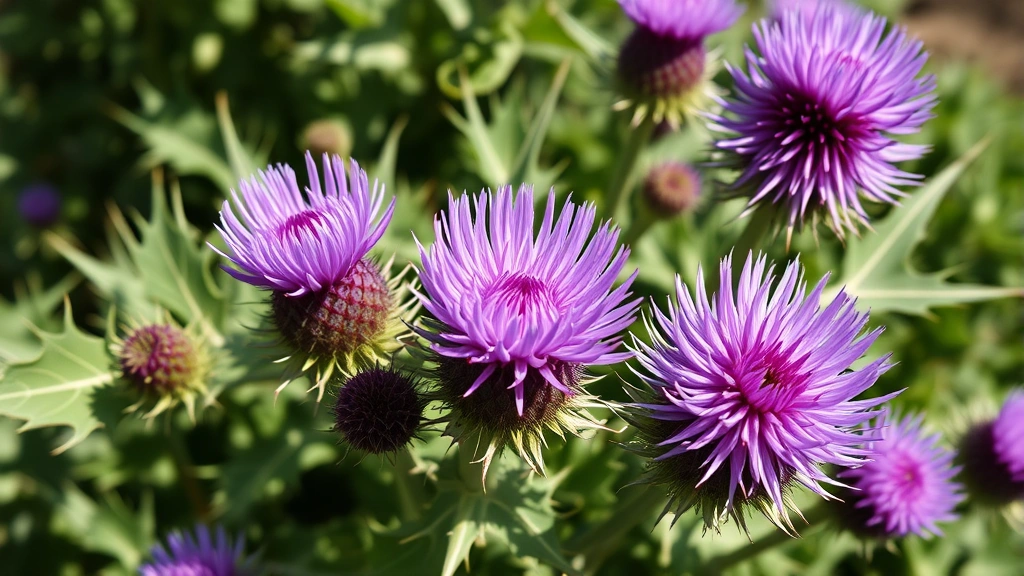
If you’ve been scrolling through pet supplement aisles or chatting with your vet about liver health, you’ve probably heard about milk thistle for dogs. This spiky purple plant has been used in traditional medicine for centuries, and it’s making a serious comeback in the pet wellness world. But here’s the thing—just because something’s natural doesn’t mean it’s a free-for-all. Let’s dig into what milk thistle actually does for your furry friend, whether it’s worth your money, and how much you should actually be giving.
Table of Contents
- What Exactly Is Milk Thistle, Anyway?
- Benefit #1: Liver Support & Detoxification
- Benefit #2: Anti-Inflammatory Properties
- Benefit #3: Digestive Health & Gut Support
- Benefit #4: Antioxidant Power
- Benefit #5: Support for Drug-Induced Liver Damage
- Milk Thistle Dosage for Dogs: Getting It Right
- How to Give Milk Thistle to Your Dog
- Potential Side Effects & Safety Concerns
- Choosing the Right Milk Thistle Product
- When Should You Consider Milk Thistle for Your Dog?
- Combining Milk Thistle with Other Supplements
- Real Talk: What the Research Actually Shows
- Frequently Asked Questions
- The Bottom Line on Milk Thistle for Dogs
What Exactly Is Milk Thistle, Anyway?
Milk thistle (Silybum marianum) is a plant native to the Mediterranean that looks like it belongs in a fairy tale—all spiky leaves and gorgeous purple flowers. The magic happens in the seeds, which contain a compound called silymarin. This is the active ingredient that gets all the attention from veterinarians and supplement companies.
The plant got its name because the leaves have white veins that look like milk dripped across them. Medieval monks were obsessed with it, and they weren’t wrong to be. For hundreds of years, people have used milk thistle to support liver function, and now we’re applying that same knowledge to our four-legged companions.
Benefit #1: Liver Support & Detoxification
The big one. The reason everyone’s talking about milk thistle for dogs is because of its liver-supporting superpowers. Your dog’s liver is basically their internal cleanup crew—it filters out toxins, metabolizes medications, and keeps everything running smoothly. When your pup gets older, has been on long-term medications, or has liver disease, that organ needs some backup.
Silymarin works by promoting liver cell regeneration and protecting existing cells from damage. Studies suggest it can help restore liver function in dogs dealing with hepatic disease. If your dog has been diagnosed with liver issues, a virtual vet consultation for diet questions is a smart first step before adding supplements.
This isn’t a cure-all, but it’s like giving your dog’s liver a personal trainer. It helps the organ do what it’s supposed to do, just better.
Benefit #2: Anti-Inflammatory Properties
Dogs dealing with inflammatory conditions—think arthritis, inflammatory bowel disease, or chronic pancreatitis—might benefit from milk thistle’s anti-inflammatory action. Silymarin has been shown to reduce inflammatory markers in the body, which can help ease discomfort and improve quality of life.
If your senior dog is limping around or your pup has digestive issues, milk thistle could be a complementary option. It won’t replace prescribed treatments, but it works alongside them to keep inflammation in check. This is especially useful for dogs that can’t tolerate NSAIDs or need additional support beyond their current medication regimen.
Benefit #3: Digestive Health & Gut Support
Here’s something people don’t talk about enough: the liver and digestive system are basically best friends. When your dog’s liver is happy, digestion tends to improve. Milk thistle supports bile production, which is essential for breaking down fats and keeping everything moving smoothly through the gut.
Dogs with food sensitivities or those prone to digestive upset might see improvement with milk thistle supplementation. If your pup has had reactions to certain foods, checking out online vet advice for food reactions can help you identify triggers while milk thistle supports recovery.
Benefit #4: Antioxidant Power
Your dog’s body produces free radicals every single day—it’s just part of normal metabolism. But when there are too many free radicals hanging around, they damage cells and accelerate aging. Silymarin acts as an antioxidant, neutralizing these troublemakers before they cause problems.
This is especially important for aging dogs or those dealing with chronic conditions. Think of antioxidants as your dog’s personal bodyguards, fighting off cellular damage at the microscopic level. Combined with a healthy diet of quality healthy pet treats and proper nutrition, milk thistle can be part of a comprehensive anti-aging strategy.
Benefit #5: Support for Drug-Induced Liver Damage
Some medications—particularly chemotherapy drugs, antibiotics, and anti-seizure medications—can stress the liver over time. If your dog is on long-term pharmaceutical treatment, milk thistle can help protect liver cells from medication-related damage.
This doesn’t mean you should stop giving your dog their prescribed medications. It means milk thistle works as a supportive supplement alongside necessary treatments. Your vet might recommend it specifically for this purpose, especially if your dog needs extended medication therapy.
Milk Thistle Dosage for Dogs: Getting It Right
Here’s where things get tricky, because dosing isn’t one-size-fits-all. The amount of milk thistle your dog needs depends on their weight, age, health status, and the specific product you’re using.
General Guidelines:

- Small dogs (under 25 lbs): 50-150 mg daily
- Medium dogs (25-50 lbs): 150-300 mg daily
- Large dogs (over 50 lbs): 300-500 mg daily
Most vets recommend starting at the lower end of the range and adjusting based on your dog’s response. Milk thistle is pretty safe, but more isn’t always better. The extract form (standardized to 70-80% silymarin) is more potent than whole seed, so you’ll need less of it.
Always check the product label, because different manufacturers have different concentrations. Some products are designed for dogs specifically, which makes dosing easier. If you’re unsure about the right amount for your individual pup, a virtual vet consultation for diet questions can provide personalized guidance.
How to Give Milk Thistle to Your Dog
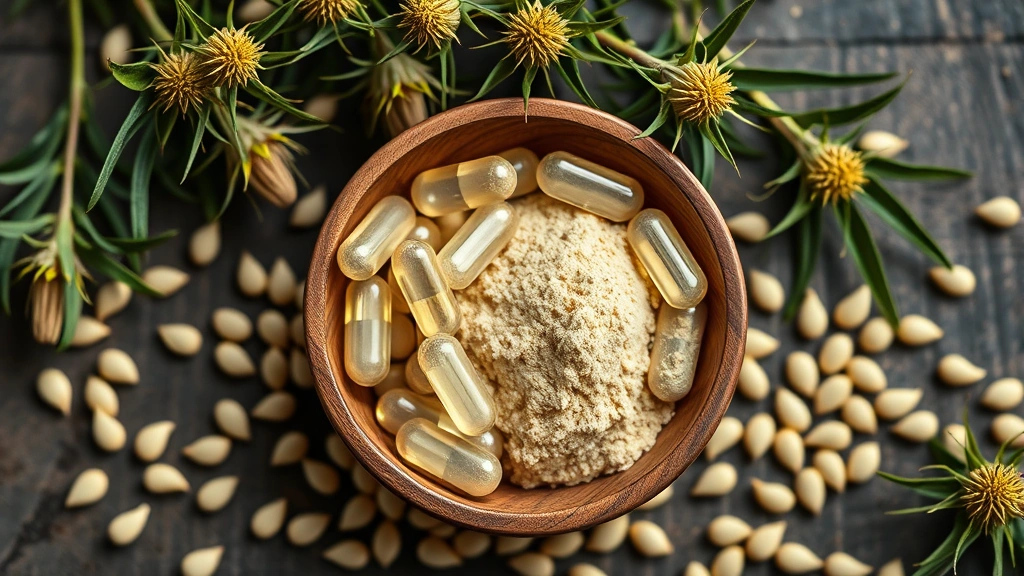
Milk thistle comes in several forms: capsules, powders, liquid extracts, and tablets. Some dogs will happily take a capsule hidden in peanut butter or cheese. Others need you to open the capsule and mix the powder with their food.
The liquid extract is easiest to dose precisely, especially for small dogs or puppies. You just squirt it onto their food or directly into their mouth. Capsules work great for dogs that are good at swallowing pills.
Pro tip: Give milk thistle with a small amount of fat (like fish oil or a meal with some healthy fat) to improve absorption. The compound is fat-soluble, so it absorbs better when there’s fat present.
Potential Side Effects & Safety Concerns
Milk thistle is generally considered very safe for dogs. It’s been used for centuries and has minimal side effects. That said, some dogs might experience mild digestive upset, loose stools, or a slight decrease in appetite when first starting supplementation.
These side effects usually resolve within a few days as the body adjusts. If they persist, reduce the dose or discontinue use and talk to your vet.
Important caution: If your dog is on blood thinners, immunosuppressants, or certain other medications, check with your veterinarian before starting milk thistle. It can potentially interact with some drugs, though serious interactions are rare.
Dogs with known allergies to plants in the Asteraceae family (ragweed, chrysanthemums, daisies) should avoid milk thistle, as there’s a small risk of cross-reactivity.
Choosing the Right Milk Thistle Product
Not all supplements are created equal. Look for products that are:
- Standardized: Should contain 70-80% silymarin
- Third-party tested: Brands like ConsumerLab or NSF have verified quality
- Specifically formulated for dogs: Easier dosing and better absorption
- Free from fillers: Check the ingredient list for unnecessary additives
Reputable brands will have transparent sourcing and manufacturing practices. If a product seems suspiciously cheap, it probably is. Your dog’s health is worth investing in quality supplements.
For more information about pet nutrition and safety, check out pet food safety resources to understand how to evaluate supplements critically.
When Should You Consider Milk Thistle for Your Dog?
Milk thistle isn’t necessary for every dog. A young, healthy pup with no liver concerns probably doesn’t need it. But consider it for:
- Senior dogs (over 7-8 years old)
- Dogs with diagnosed liver disease or elevated liver enzymes
- Dogs on long-term medications that stress the liver
- Dogs with chronic inflammatory conditions
- Dogs recovering from illness or surgery
- Dogs with a history of toxin exposure
If your dog falls into any of these categories, talk to your vet about whether milk thistle makes sense. They might also recommend it alongside other supplements or dietary changes.
Combining Milk Thistle with Other Supplements
Milk thistle plays well with other liver-supporting supplements like SAMe, N-acetylcysteine (NAC), and omega-3 fatty acids. In fact, many vets recommend a multi-pronged approach to liver health rather than relying on one supplement alone.
If your dog is already taking supplements for joint health (like glucosamine) or anxiety (like those discussed in our can you give dogs melatonin guide), milk thistle can coexist without issues.
Just don’t go overboard. Too many supplements can overwhelm your dog’s system and make it hard to know what’s actually helping. Work with your vet to create a focused supplement plan that addresses your dog’s specific needs.
Real Talk: What the Research Actually Shows
While milk thistle has been used traditionally for centuries, the scientific evidence in dogs is still developing. Most studies have been conducted in humans or in vitro. The research that does exist in dogs is promising but limited.
That doesn’t mean it doesn’t work—it just means we need more large-scale studies to fully understand its effectiveness. Veterinarians often recommend it based on traditional use, safety profile, and anecdotal reports from pet owners and clinical experience.
This is actually pretty common in veterinary medicine. We use many supplements and treatments that have solid traditional backing but limited clinical trial data. It’s not a red flag; it’s just how evidence-based medicine works.
Frequently Asked Questions
Can puppies take milk thistle?
Generally, puppies don’t need milk thistle unless they have a specific health condition. Their young livers are usually functioning perfectly fine. If your puppy has liver disease or another condition requiring milk thistle, your vet will recommend an appropriate dose based on their age and weight.
How long does it take for milk thistle to work?
You might see improvements in energy levels or digestion within a few weeks, but liver function changes can take 6-8 weeks to become noticeable. Some benefits, like antioxidant protection, are happening at the cellular level and aren’t visible but are still occurring. Patience is key.
Is milk thistle safe for dogs with kidney disease?
Milk thistle is primarily liver-focused, so it’s generally safe for dogs with kidney disease. However, always consult your vet before adding any supplement to a dog with kidney issues, as some supplements can affect kidney function or interact with kidney medications.
Can I give my dog milk thistle long-term?
Yes, milk thistle is safe for long-term use in dogs. Many dogs take it daily for months or years without issues. Regular vet check-ups and occasional liver function tests (if your dog has liver disease) will help monitor whether the supplement is doing its job.
What’s the difference between milk thistle seed and milk thistle extract?
Milk thistle extract is concentrated and standardized to contain specific amounts of silymarin, making dosing more precise and consistent. Whole seed contains silymarin but in lower concentrations and less predictable amounts. Extract is generally preferred for therapeutic purposes.
Will milk thistle interact with my dog’s medications?
Milk thistle can potentially interact with blood thinners, immunosuppressants, and some other medications. Always inform your vet about any supplements you’re giving, and don’t start milk thistle without checking first if your dog is on prescription medications.
The Bottom Line on Milk Thistle for Dogs
Milk thistle for dogs is a safe, well-tolerated supplement with real potential benefits, especially for senior dogs, those with liver concerns, or pups on long-term medications. It’s not a miracle cure, but it’s a solid addition to a comprehensive health plan when used appropriately.
The key is working with your veterinarian to determine if your dog actually needs it, getting the dosage right, and choosing a quality product. Start with a lower dose, monitor your dog’s response, and adjust as needed. Most dogs tolerate it beautifully with minimal side effects.
If your dog has specific health concerns or dietary questions, don’t hesitate to reach out for professional guidance. Your vet is your best resource for personalized recommendations that fit your individual dog’s needs. Milk thistle might be just the supportive supplement your pup needs to thrive in their golden years.





