
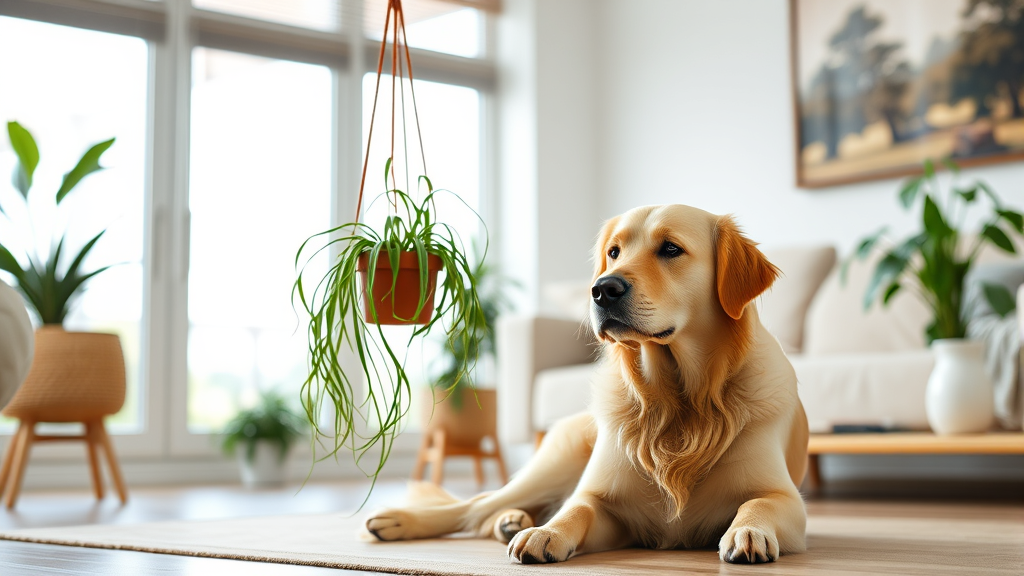
As a devoted dog owner, you’ve likely spent countless hours creating a safe environment for your furry companion. From puppy-proofing your home to carefully selecting toys and treats, every decision revolves around your pup’s wellbeing. One area that often raises questions is houseplants – particularly the popular and seemingly innocent spider plant that graces many windowsills and hanging baskets.
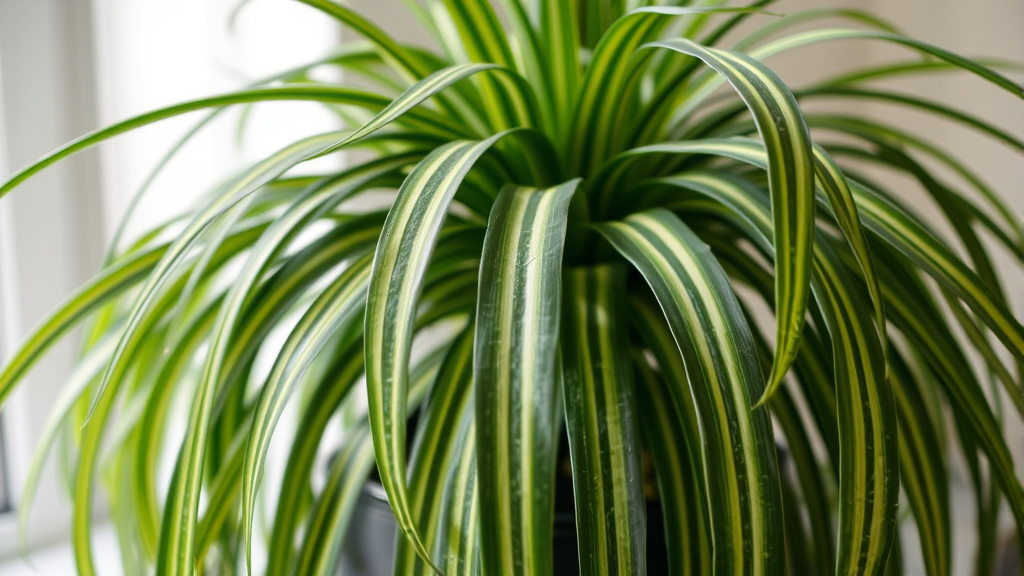
Spider plants (Chlorophytum comosum) are beloved by plant enthusiasts for their easy care requirements and attractive cascading foliage. However, when you share your home with a curious canine who might view these green beauties as an interesting snack, it’s crucial to understand whether spider plants pose any risks to your four-legged family member.
Spider Plant Safety for Dogs
The good news for dog owners is that spider plants are generally considered non-toxic to dogs according to the ASPCA’s comprehensive plant database. This means that if your curious pup takes a nibble of a spider plant leaf, it’s unlikely to cause serious harm or require emergency veterinary intervention.
However, “non-toxic” doesn’t necessarily mean “completely harmless.” While spider plants won’t poison your dog, consuming large quantities of any plant material can still cause digestive upset. Dogs’ digestive systems aren’t designed to process large amounts of plant matter, and even safe plants can cause mild gastrointestinal disturbances when consumed in excess.
The spider plant’s appeal to dogs often stems from its long, dangling leaves that move enticingly in the breeze. This natural movement can trigger your dog’s prey drive, making the plant seem like an interesting toy rather than a potential snack. Understanding this behavior is key to preventing unwanted plant consumption.
Understanding Plant Toxicity in Dogs
Plant toxicity in dogs operates on a spectrum, and it’s essential to understand the difference between mildly irritating plants and genuinely dangerous ones. Unlike plants such as lilies or hostas, which contain compounds that can cause serious health problems, spider plants lack these harmful substances.
The American Veterinary Medical Association categorizes plants based on their potential to cause harm. Spider plants fall into the category of plants that may cause mild digestive upset but don’t contain toxins that affect vital organs or bodily functions.
When evaluating plant safety, veterinarians consider several factors including the specific compounds present in the plant, the amount consumed, and the size of the dog. A small Chihuahua eating the same amount of plant material as a large Golden Retriever will likely experience more pronounced effects due to the difference in body weight and metabolism.
It’s worth noting that individual dogs may have varying sensitivities to plant materials. Some dogs can consume small amounts of spider plant without any noticeable effects, while others might experience mild stomach upset from even minimal consumption.
Symptoms to Watch For
Even though spider plants are non-toxic, responsible pet owners should still monitor their dogs for any signs of digestive upset after plant consumption. The most common symptoms associated with eating spider plants include mild nausea, temporary loss of appetite, and loose stools.
Unlike the severe symptoms associated with consuming truly toxic foods like onions, spider plant consumption typically results in minor, self-resolving issues. However, it’s important to distinguish between normal mild upset and symptoms that warrant veterinary attention.
Watch for vomiting that persists beyond 24 hours, severe diarrhea, signs of dehydration, or unusual lethargy. While these symptoms are unlikely from spider plant consumption alone, they could indicate that your dog has consumed something else harmful or has an underlying health condition.
The timing of symptoms is also important to note. Digestive upset from plant consumption typically occurs within 2-6 hours of ingestion. If symptoms appear much later or seem disproportionately severe for the amount consumed, consider whether your dog might have eaten something else problematic.

Pet-Safe Plant Alternatives
For dog owners who want to enjoy houseplants without any worry, there are numerous pet-safe alternatives that can provide the same aesthetic appeal as spider plants. The Humane Society maintains a comprehensive list of pet-safe plants that can help guide your selections.
Boston ferns make excellent hanging plants and are completely safe for dogs. They provide the same cascading effect as spider plants and thrive in similar indoor conditions. Parlor palms offer a tropical feel and are another safe option for homes with curious canines.
Herbs can serve double duty as both decorative plants and useful cooking ingredients. Basil, cilantro, and parsley are all safe for dogs and can add fresh scents to your home. Just like understanding lavender safety, researching each plant ensures you make informed decisions.
When selecting pet-safe plants, consider your dog’s personality and behavior patterns. If your pup is an enthusiastic digger, avoid plants in floor-level pots. For dogs who like to chew, hanging plants or high shelves might be the safest placement option.
Prevention and Safety Strategies
Prevention remains the best approach to keeping your dog safe around houseplants, regardless of their toxicity level. Strategic placement of plants can eliminate most opportunities for unwanted consumption while still allowing you to enjoy your green companions.
Hanging baskets work particularly well for spider plants, as their natural trailing growth habit is showcased beautifully when suspended. This placement also puts the plant well out of reach of most dogs. Wall-mounted planters and high shelves provide additional safe placement options.
Training plays a crucial role in plant safety. Teaching your dog a reliable “leave it” command can prevent plant consumption and has applications far beyond houseplant safety. This command becomes especially valuable when walking outdoors where dogs might encounter truly dangerous plants or substances.
Consider creating designated plant areas in your home where dogs aren’t allowed. Baby gates can effectively block access to plant rooms or corners, allowing you to display your collection without constant supervision concerns.
Just as you might research eucalyptus safety or essential oil safety, make plant research a habit before bringing new greenery into your home.
What to Do if Your Dog Eats Plants
Despite your best prevention efforts, dogs can be remarkably resourceful when it comes to accessing things they shouldn’t. If you discover your dog has consumed spider plant material, remain calm and assess the situation objectively.
First, determine approximately how much plant material was consumed. A few nibbled leaves are very different from an entire plant being demolished. Remove any remaining plant material from your dog’s reach to prevent further consumption.
Contact your veterinarian or the ASPCA Animal Poison Control Center if you’re unsure about the safety of any plant your dog has consumed. They can provide specific guidance based on your dog’s size, the amount consumed, and any symptoms present.
For spider plants specifically, monitor your dog for 24-48 hours and ensure they have access to fresh water. Mild digestive upset should resolve on its own, but contact your vet if symptoms persist or worsen.
Keep a record of what your dog ate and when, as this information can be valuable if veterinary consultation becomes necessary. Photos of the plant and notes about timing can help professionals provide the most accurate advice.
Unlike situations involving tomatoes or the question of whether small amounts of onion are harmful, spider plant consumption rarely requires emergency intervention.
Frequently Asked Questions
Are spider plants completely safe for dogs to eat?
Spider plants are considered non-toxic to dogs according to the ASPCA, meaning they don’t contain compounds that will poison your pet. However, eating large quantities can still cause mild digestive upset, so it’s best to prevent consumption when possible.
What should I do if my dog ate a spider plant leaf?
If your dog consumed a small amount of spider plant, monitor them for mild digestive symptoms like nausea or loose stools. Provide fresh water and contact your veterinarian if symptoms persist beyond 24 hours or seem severe for the amount consumed.
Can spider plants cause allergic reactions in dogs?
While rare, some dogs may have individual sensitivities to spider plants that could cause mild allergic reactions. Signs might include excessive drooling, pawing at the mouth, or mild skin irritation. These reactions are uncommon and typically mild.
Why is my dog attracted to my spider plant?
Dogs are often attracted to spider plants because of their long, dangling leaves that move in air currents. This movement can trigger a dog’s natural prey drive, making the plant seem like an interesting toy rather than a snack.
Are there any parts of spider plants that are more dangerous than others?
All parts of spider plants are considered equally non-toxic to dogs. The leaves, stems, and small plantlets that develop on mature plants pose similar minimal risk levels.
How can I keep my dog away from my spider plants?
The most effective strategies include placing plants in hanging baskets or on high shelves, training your dog with a reliable “leave it” command, and using baby gates to restrict access to plant areas. Strategic placement is usually the most practical solution.
Should I remove all spider plants from my home if I have a dog?
Removal isn’t necessary since spider plants are non-toxic, but it depends on your comfort level and your dog’s behavior. If your dog consistently tries to eat plants despite training efforts, you might prefer to choose alternative locations or pet-safe plants that you’re more comfortable having around your pet.





