

If your pup turns their nose up at dry kibble and gives you the stink eye every mealtime, moist and meaty dog food might be the game-changer your furry friend has been waiting for. Let’s be real—some dogs would rather eat a shoe than another bowl of crunchy bits, and that’s where wet and semi-moist formulas come in clutching their pearls. These foods pack serious flavor, superior moisture content, and the kind of meaty goodness that makes tails wag before the bowl even hits the ground.
Table of Contents
- Why Dogs Go Crazy for Moist and Meaty Formulas
- Nutritional Benefits of Wet Dog Food Options
- Top Moist and Meaty Dog Food Brands for 2024
- Understanding Moisture Content and Meat Percentages
- Best Moist Formulas for Picky Eaters
- Transitioning Your Dog to Moist Food
- Cost Comparison: Wet vs. Dry Dog Food
- Health Considerations and Vet Recommendations
- Storage and Food Safety Tips
- Reading Labels Like a Pro
- Frequently Asked Questions
- Final Thoughts: Making the Right Choice for Your Pup
Why Dogs Go Crazy for Moist and Meaty Formulas
There’s actual science behind why your dog loses their mind over moist dog food. Dogs are descended from wolves, carnivores who ate fresh prey with naturally high water content—not dehydrated kibble. When you serve moist and meaty dog food, you’re tapping into their ancestral instincts. Plus, the aroma? *Chef’s kiss.* Moisture releases volatile compounds that make food smell absolutely irresistible to canine noses.
The texture also matters big time. Wet food is easier to chew and digest, especially for senior dogs with dental issues or puppies still figuring out their chompers. And if your pup is a notorious water-avoider (we all know one), the moisture content in these foods helps with hydration—a sneaky nutritional win.
Nutritional Benefits of Wet Dog Food Options
Here’s where moist and meaty dog food gets serious about nutrition. Quality wet formulas contain higher protein percentages because water isn’t taking up space that protein could occupy. You’re getting more actual meat per bite, which means better muscle maintenance and that shiny coat your Instagram followers will envy.
These foods also preserve heat-sensitive nutrients better than some kibble manufacturing processes. Vitamins like B-complex and amino acids remain more bioavailable, meaning your dog’s body can actually use what they’re eating. It’s not just about filling their belly—it’s about feeding them food their body recognizes and processes efficiently.
If your dog has food allergies in pets, many premium wet food brands offer limited-ingredient options that are way easier to customize than kibble.

Top Moist and Meaty Dog Food Brands for 2024
Let’s talk about the heavy hitters in the wet food game. Primal Raw Frozen offers freeze-dried raw options that tick all the boxes for meat lovers—high protein, minimal processing, and ingredients you can actually pronounce. Stella & Chewy’s brings that premium feel with grass-fed beef and organic options that won’t make your wallet weep too badly.
For budget-conscious pet parents, Purina Pro Plan formulas deliver solid nutrition without requiring a second mortgage. The Farmer’s Dog fresh-delivered meals are pricier but feel like home-cooked goodness, and Open Farm scores points for ethical sourcing and transparent ingredient lists.
Don’t sleep on Wellness CORE either—their grain-free, high-protein wet formulas are absolute bangers for dogs needing that extra meaty punch. Each brand brings something different to the table, so your job is matching the right formula to your specific pup’s needs.
Understanding Moisture Content and Meat Percentages
When comparing moist and meaty dog food options, you need to understand what you’re actually looking at. Wet food typically contains 70-85% moisture, while semi-moist sits around 25-35%. This matters because moisture affects caloric density—a cup of wet food has fewer calories than a cup of kibble, so you’ll be feeding larger portions.
The meat percentage is where things get interesting. Look for formulas where meat is the first ingredient (not meat by-products or meal). Premium brands list specific meats—”beef” not “meat,” “chicken” not “poultry.” This transparency tells you exactly what protein source your dog is getting, which matters if they have sensitivities.

Pro tip: Don’t get fooled by marketing fluff. A formula can claim to be “meaty” while still containing more grain fillers than actual meat. Always check that ingredient list like you’re reading the terms and conditions on a sketchy website.
Best Moist Formulas for Picky Eaters
Got a canine food critic on your hands? Some dogs are absolutely insufferable about their meals, and honestly, that’s where moist and meaty dog food becomes your secret weapon. The strong aromas and tender textures appeal to even the most stubborn eaters.
Merrick Grain-Free wet formulas come in flavors like Texas Beef Stew and Chicken Paw Pie—basically dog comfort food. Taste of the Wild offers exotic protein options like bison and venison that can reignite interest in mealtime. If your pup is bored with chicken and beef, switching protein sources often works magic.
Temperature matters too—some dogs prefer their food slightly warmed. A quick 10-second microwave zap can release more aroma and make the food more appealing. It’s the canine equivalent of serving soup warm instead of cold.
Transitioning Your Dog to Moist Food
Don’t just swap kibble for wet food overnight unless you enjoy surprise digestive fireworks. Your dog’s gut bacteria need time to adjust to new foods. Start by mixing 25% wet food with 75% of their current diet, then gradually increase the wet food ratio over 7-10 days.
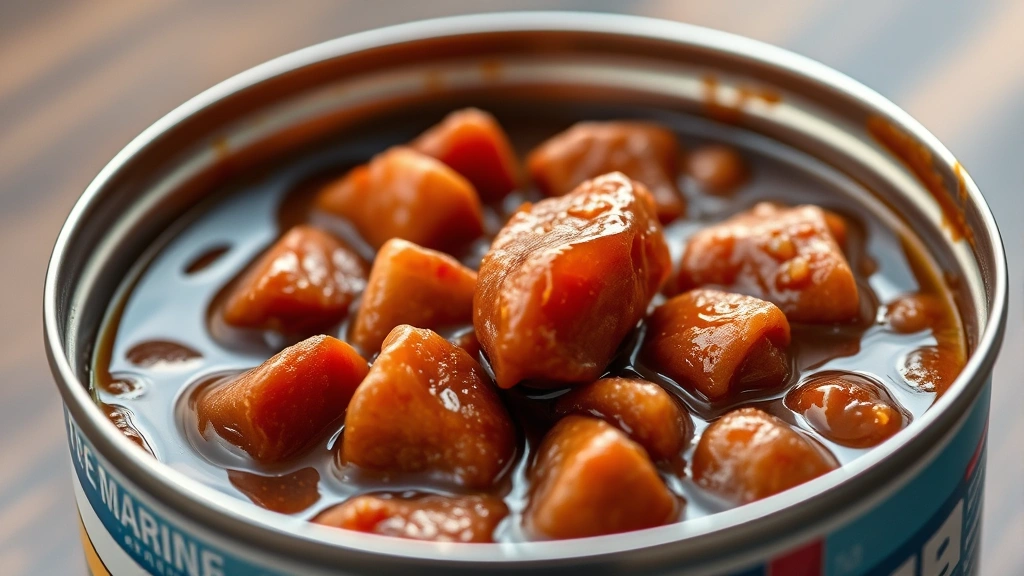
Watch for any signs of digestive upset—loose stools, vomiting, or excessive gas means you’re moving too fast. Every dog’s system is different, and some need a slower transition than others. This isn’t a race to the finish line; it’s about setting your pup up for success.
Also check out our guide on what not to feed your dog to make sure you’re avoiding any ingredients that could cause problems during the transition.
Cost Comparison: Wet vs. Dry Dog Food
Let’s address the elephant in the room—wet food costs more per pound than kibble. A can of premium wet food might run $2-5, while kibble averages $1-3 per pound. However, the math isn’t as simple as it sounds.
Because moist and meaty dog food is more nutrient-dense and has higher bioavailability, your dog actually needs less volume to meet their nutritional needs. Plus, reduced waste means fewer digestive issues and vet visits. When you factor in potential savings on healthcare, the gap narrows considerably.
Consider mixing strategies too—using wet food as a topper on kibble stretches your budget while delivering that palatability boost. You get the best of both worlds without spending like you’re feeding a small army.
Health Considerations and Vet Recommendations
Before switching to moist and meaty dog food, chat with your vet, especially if your dog has existing health conditions. While wet food is generally excellent, some dogs with specific medical needs require prescription formulas.
Senior dogs with dental disease absolutely benefit from soft, moist textures. Puppies growing at lightning speed thrive on the higher protein content. Dogs recovering from illness often regain appetite faster with wet food’s superior palatability.
According to the AAFCO (Association of American Feed Control Officials), all commercial pet foods must meet minimum nutritional standards, but your vet can recommend specific brands that align with your dog’s health profile. This is especially important if your pup needs vet approved human foods for pets as supplements.
Storage and Food Safety Tips
Proper storage keeps your moist and meaty dog food fresh and safe. Opened cans should be refrigerated and used within 3-4 days. If you buy in bulk, freeze portions in ice cube trays or small containers for convenient thawing.
Always check expiration dates—wet food spoils faster than kibble. Store unopened cans in a cool, dry place away from direct sunlight. Never leave wet food sitting in the bowl for more than 2 hours (less in warm weather), as bacteria multiply faster in moist environments.

Check out our comprehensive guide on pet food safety for detailed storage protocols and contamination prevention strategies.
Reading Labels Like a Pro
Ingredient lists are ordered by weight, so the first five ingredients tell the real story. For moist and meaty dog food, you want specific meat sources listed first—beef, chicken, turkey, or fish. Avoid vague terms like “meat meal” or “animal by-products.”
Check the guaranteed analysis for crude protein percentage. Quality wet formulas contain at least 8-10% protein on an as-fed basis (this accounts for moisture). Look for named fat sources like chicken fat or fish oil, not generic “animal fat.”
Fiber content matters too, especially for dogs with digestive issues. Most wet foods have lower fiber than kibble, which is fine for healthy dogs but might need adjustment for those with specific GI needs. The AAFCO statement should confirm the food is “complete and balanced” for your dog’s life stage.
Frequently Asked Questions
Is moist and meaty dog food better than kibble?
Not necessarily “better,” but different. Wet food offers superior palatability, higher moisture content, and better nutrient bioavailability. Kibble provides convenience, longer shelf life, and lower cost. The best choice depends on your dog’s individual needs, preferences, and your lifestyle. Many vets recommend a mixed approach.

Can I feed my dog only wet food?
Absolutely, as long as it’s a complete and balanced formula meeting AAFCO standards. Some dogs thrive exclusively on wet food. However, mixing wet and dry food often provides balanced nutrition and helps with dental health (kibble provides some mechanical cleaning action). Consult your vet about what works best for your pup.
Why is my dog suddenly refusing wet food?
Dogs can get bored with flavors, or taste preferences change. Try rotating between different protein sources and brands. Temperature also matters—some dogs prefer warmed food. If refusal is sudden and accompanied by other symptoms, contact your vet to rule out health issues.
How much moist and meaty dog food should I feed daily?
Feeding amounts depend on your dog’s weight, age, activity level, and specific formula. Check the label for feeding guidelines based on your dog’s weight. Start there, then adjust based on body condition. Your vet can provide personalized recommendations if you’re unsure.
Are there grain-free options for wet dog food?
Yes, tons. Many premium brands offer grain-free moist and meaty dog food formulas using potatoes, peas, or legumes as carbohydrate sources. However, recent studies suggest grain-free diets might increase certain health risks, so discuss options with your vet before committing.
How do I know if wet food is causing digestive issues?
Watch for loose stools, excessive gas, vomiting, or changes in appetite. These could indicate the food isn’t right for your dog or you’re transitioning too quickly. Keep a food diary noting any symptoms. If issues persist beyond the transition period, try a different formula or consult your vet.

Final Thoughts: Making the Right Choice for Your Pup
Choosing moist and meaty dog food comes down to understanding your individual dog’s needs, preferences, and your budget constraints. There’s no universal “best” option—only the best option for your specific furry family member.
Start by consulting your vet, then experiment with quality brands that fit your budget. Pay attention to how your dog responds—their energy levels, coat quality, and digestive health will tell you whether you’ve found a winner. Don’t be afraid to adjust as your dog ages or their needs change.
Remember, the best dog food is the one your dog will actually eat and that keeps them healthy and thriving. Whether that’s premium raw, fresh-delivered meals, or budget-friendly canned options, you’re doing right by your pup by prioritizing nutrition and quality ingredients. Now go forth and feed that sweet face the meaty goodness they deserve.
For more information on keeping your dog healthy through nutrition, check out our articles on healthy pet treats to complement your moist food strategy.





