

Look, if you’ve got a dog, you’ve probably noticed that mosquitoes think your pup is basically an all-you-can-eat buffet. And honestly? That’s a problem. Not just because those little bloodsuckers are annoying—though they absolutely are—but because mosquitoes can transmit heartworm, West Nile virus, and other nasty stuff to your furry best friend. The good news? There are solid, proven solutions for keeping mosquitoes away from dogs, and we’re breaking down the five best ones right here.
Table of Contents
- Why Mosquitoes Love Your Dog (And Why You Should Care)
- Solution #1: Topical Mosquito Repellents for Canines
- Solution #2: Oral Heartworm Prevention (The MVP of Dog Protection)
- Solution #3: Natural Dog-Safe Insect Repellents
- Solution #4: Environmental Control Around Your Home
- Solution #5: Mosquito-Repelling Dog Collars and Wearables
- Combining Solutions for Maximum Protection
- What About Mosquito Repellents to Avoid?
- Seasonal Considerations for Mosquito Prevention
- Special Considerations for Puppies and Senior Dogs
- The Cost-Benefit Analysis
- Frequently Asked Questions
- Final Thoughts: Keeping Your Dog Safe From Mosquitoes
Why Mosquitoes Love Your Dog (And Why You Should Care)
Before we dive into solutions, let’s talk about why mosquitoes are basically obsessed with your pup. Dogs have higher body temperatures than humans, they exhale carbon dioxide, and they give off lactic acid through their skin—all of which are like a dinner bell to mosquitoes. Plus, dogs spend more time outdoors than most people, which puts them directly in the mosquito danger zone.
The real kicker? Mosquitoes can transmit heartworm disease, which is serious business. We’re talking potential heart damage, lung disease, and a long, expensive treatment process. So yeah, investing in a solid anti-inflammatory approach to pet wellness starts with keeping those mosquitoes at bay in the first place.
Solution #1: Topical Mosquito Repellents for Canines
Topical repellents are like the bouncer at the club for your dog’s skin. These products are applied directly to your dog’s coat and create a barrier that mosquitoes absolutely hate. The best ones contain ingredients like picaridin or permethrin (though always check with your vet about permethrin safety for your specific dog).
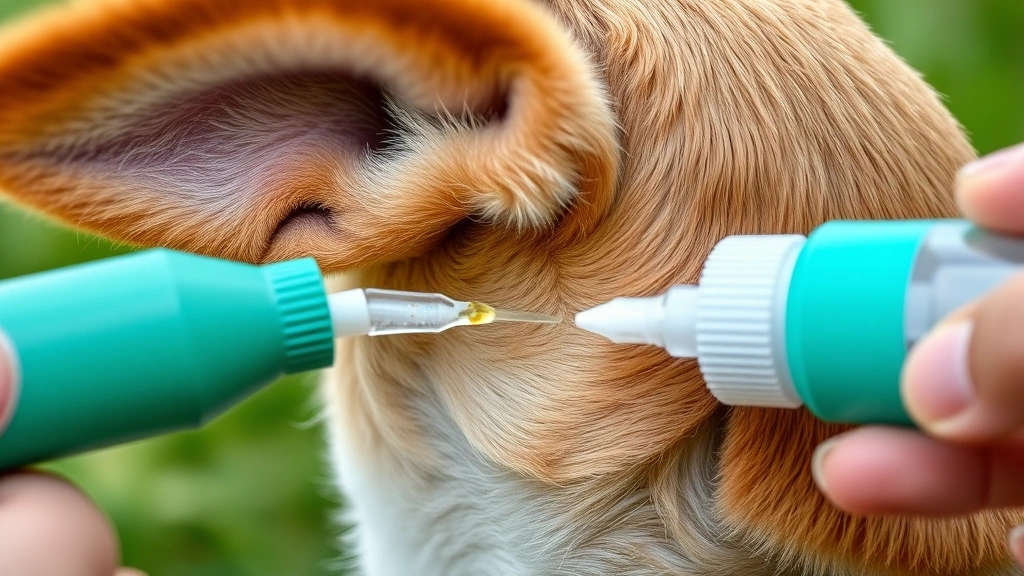
Brands like Simparica Trio and NexGard Plus actually do double duty—they repel mosquitoes AND prevent heartworm. Talk about efficient. You apply them monthly, and boom, your dog’s got protection. The application process is super easy: just part the fur at the back of the neck and squeeze the liquid onto the skin. Your dog can’t lick it off, and it starts working within hours.
Solution #2: Oral Heartworm Prevention (The MVP of Dog Protection)
Here’s the thing about oral heartworm preventatives: they’re not technically repelling mosquitoes, but they’re preventing the actual disease transmission if a mosquito does bite. It’s like having an insurance policy for your pup. Products like Heartgard Plus or Interceptor Plus contain ivermectin or milbemycin, which kill heartworm larvae before they can develop into adult worms.
Your vet will recommend the right dosage based on your dog’s weight, and you give it once a month. It’s foolproof because your dog can’t accidentally rub it off or wash it away. Plus, these also protect against intestinal parasites, so you’re getting major bang for your buck.
Solution #3: Natural Dog-Safe Insect Repellents
If you’re the “let’s keep it natural” type, there are some solid options here too. Cedarwood oil, lemongrass oil, and peppermint oil all have mosquito-repelling properties. However—and this is important—you can’t just slather essential oils directly on your dog. That’s a recipe for skin irritation or toxicity.
Instead, look for products specifically formulated for dogs that use these ingredients in safe concentrations. Brands like Wondercide make plant-based sprays that are actually effective. You can also incorporate herbs safe for pets into your dog’s diet, like garlic (in safe amounts) or brewer’s yeast, which some studies suggest can make a dog’s skin less appealing to mosquitoes.
The caveat? Natural repellents typically need more frequent reapplication than chemical ones, especially after your dog gets wet or sweaty. But if you’re willing to put in the extra effort, they work.
Solution #4: Environmental Control Around Your Home
You can’t repel mosquitoes from your dog if your yard is basically a mosquito breeding ground. Eliminate standing water—and we mean ALL of it. That includes bird baths, clogged gutters, flower pots, and even bottle caps. Mosquitoes breed in standing water, and it only takes a tiny amount.
Trim back tall grass and dense vegetation where mosquitoes like to hang out during the day. Consider installing a mosquito misting system if you’re really serious about this. Some people also use fans on their patio—mosquitoes are weak fliers, so a good breeze makes it hard for them to land on your dog.
You can also plant mosquito-repelling plants like citronella, marigolds, and lavender around your yard. Your dog gets protection, and your garden looks prettier. Win-win.
Solution #5: Mosquito-Repelling Dog Collars and Wearables
Ultrasonic collars claim to repel mosquitoes through sound waves. Honestly? The science on these is mixed. Some studies show minimal effectiveness, but some dog owners swear by them. They’re relatively inexpensive, so if you want to try one as an added layer of protection, it won’t break the bank.
More promising are collars infused with essential oils or repellent compounds. These work similarly to topical treatments but in a wearable format. Your dog wears the collar, and it creates a repellent zone around their head and neck area—the places mosquitoes love to bite.
Combining Solutions for Maximum Protection
Here’s the real secret: the best mosquito repellent strategy for dogs isn’t just one solution—it’s a combination. Use oral heartworm prevention as your baseline (because it’s non-negotiable for heartworm protection). Add a topical repellent during peak mosquito season. Clean up your yard to reduce the mosquito population. Maybe throw in a natural spray for extra protection when you’re heading to the dog park or hiking.
Think of it like layered security. One lock is good, but multiple locks are better. Your dog’s health is worth the extra effort.
What About Mosquito Repellents to Avoid?
Not all mosquito repellents are safe for dogs. DEET products designed for humans? Skip those. They can be toxic to dogs if ingested or absorbed in high concentrations. Same with certain essential oils like tea tree oil or eucalyptus oil—they’re too strong for your pup’s system.
Also avoid any product that claims to be “all-natural” but doesn’t specify ingredients or safety for dogs. Just because something is natural doesn’t mean it’s safe for your furry friend. Always check with your vet before trying a new product, especially if your dog has sensitive skin or existing health conditions.
Seasonal Considerations for Mosquito Prevention
Mosquito season varies by location, but generally, you’re looking at warmer months. In southern climates, mosquitoes can be a year-round problem. In northern areas, you might only need serious protection from May through October.
Here’s what we recommend: Start your heartworm prevention in spring (or year-round if you live in a warm climate) and keep it going through fall. Ramp up topical treatments during peak mosquito season. Adjust your environmental controls based on what you’re seeing in your yard. If you’re noticing more mosquitoes, it’s time to double down on standing water elimination.
Special Considerations for Puppies and Senior Dogs
Puppies have more delicate skin, so be extra careful with topical treatments. Most products aren’t safe until puppies are at least 6-8 weeks old, and some require them to be older. Your vet will guide you on what’s appropriate for your puppy’s age and weight.
Senior dogs might have skin sensitivities or other health issues that affect which repellent options are best. Some older dogs don’t tolerate topical treatments well, so oral prevention might be your better bet. Again, your vet is your best resource here.

The Cost-Benefit Analysis
Let’s be real: heartworm treatment is expensive. We’re talking $1,000-$3,000 or more, depending on the severity. Heartworm prevention is usually $10-$30 per month. Do the math. Prevention is always cheaper than treatment, and it’s also way less stressful for your dog.
When you factor in the cost of prevention versus the potential cost of treating heartworm disease, plus the emotional toll of dealing with a seriously ill dog, investing in good mosquito repellent for dogs becomes a no-brainer.
Frequently Asked Questions
Is it safe to use human mosquito repellent on dogs?
No, absolutely not. Human mosquito repellents, especially those containing DEET, can be toxic to dogs. Stick with products specifically formulated for canines. Your vet can recommend safe options for your dog’s age, weight, and health status.
How often do I need to reapply mosquito repellent on my dog?
It depends on the product. Topical treatments usually last 30 days. Natural sprays might need reapplication every few hours or after your dog gets wet. Oral heartworm prevention is typically once a month. Always follow the product instructions and your vet’s recommendations.
Can mosquito repellent prevent heartworm disease?
Repellents reduce the chance of mosquito bites, but they’re not 100% effective. That’s why heartworm prevention medication is so important—it actually kills heartworm larvae if a mosquito does bite your dog. Use both for maximum protection.
Are natural mosquito repellents effective for dogs?
Some are, but they’re generally less effective and require more frequent reapplication than chemical options. Products made with cedarwood, lemongrass, and peppermint can help, but they work best as part of a layered approach combined with other prevention methods.
What’s the best mosquito repellent for dogs with sensitive skin?
Oral heartworm prevention is usually the safest option for dogs with sensitive skin since it doesn’t involve topical application. If you want a topical option, talk to your vet about hypoallergenic or fragrance-free formulas. Always do a patch test first.
Final Thoughts: Keeping Your Dog Safe From Mosquitoes
Mosquito repellent for dogs isn’t just about comfort—it’s about health and safety. Heartworm disease is serious, and prevention is always easier than treatment. Whether you go with prescription topicals, oral prevention, natural options, or a combination of all three, the key is consistency and talking to your vet about what’s best for your specific dog.
Your pup depends on you to keep them safe, and that includes protecting them from tiny flying vampires that want to give them diseases. You’ve got this. Start with a conversation with your vet, pick a prevention method that works for your lifestyle and budget, and stick with it. Your dog will thank you by staying healthy and happy for years to come.
And remember, maintaining healthy skin and coat through proper nutrition also helps your dog’s natural defenses against parasites and disease. Prevention is a whole-dog approach, and mosquito protection is just one piece of the puzzle.





