
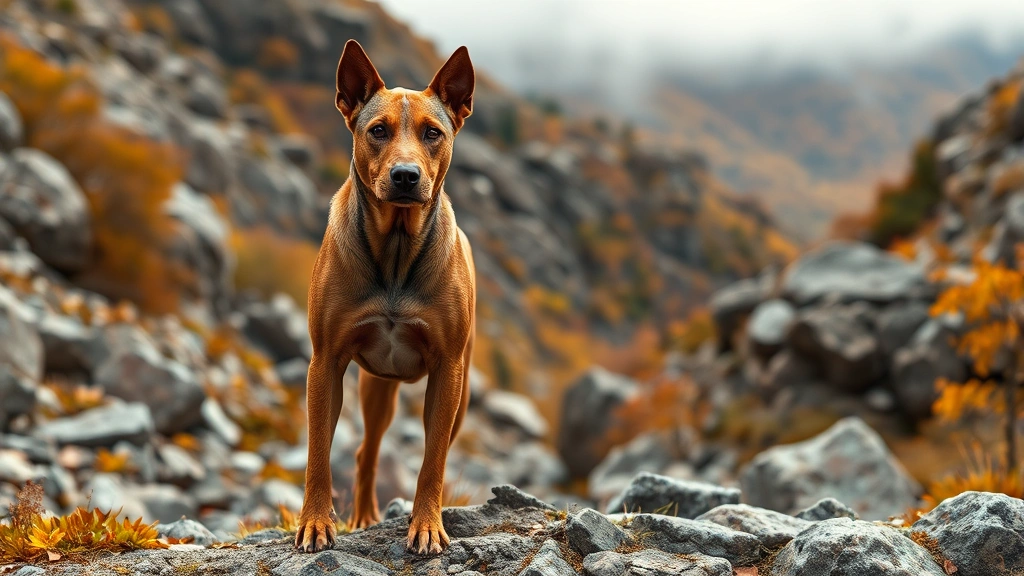
The mountain cur dog is one of America’s most underrated hunting companions, a scrappy, intelligent breed that’s been working alongside rural families for centuries. If you’re considering bringing one of these tough little hunters into your home, you’ve got questions—and we’ve got answers that’ll help you understand what makes this breed tick.
Table of Contents
- What Exactly is a Mountain Cur Dog?
- Mountain Cur Temperament: The Personality Behind the Pedigree
- Physical Characteristics and Breed Standards
- Training Your Mountain Cur: Channeling That Hunting Drive
- Exercise Requirements: These Dogs Need to Move
- Health Considerations for Mountain Cur Ownership
- Nutrition and Diet: Fueling Your Working Dog
- Cost of Ownership: What You’ll Actually Spend
- Mountain Cur vs. Other Hunting Breeds
- Finding and Selecting a Mountain Cur Puppy
- Grooming and Maintenance
- Is a Mountain Cur Right for You?
- Frequently Asked Questions
- Conclusion: The Mountain Cur Legacy
What Exactly is a Mountain Cur Dog?
A mountain cur dog isn’t just another mixed breed hanging around the backwoods. This is a legitimate, purpose-bred hunting dog that originated in the Appalachian Mountains. These dogs were developed by pioneers who needed reliable hunting partners that could handle tough terrain, variable weather, and small game like squirrels, raccoons, and the occasional mountain lion. Mountain curs are medium-sized dogs, typically weighing between 30-60 pounds, with muscular builds and alert expressions that scream “I’m ready to work.”
What sets the mountain cur apart from other hunting breeds is their incredible versatility. Unlike some specialized hunting dogs, a mountain cur can switch between hunting different prey, treeing game, and even serving as a loyal family protector. They’re not registered with the AKC (American Kennel Club), which keeps them relatively rare and authentic to their working heritage.
Mountain Cur Temperament: The Personality Behind the Pedigree
Here’s the thing about mountain cur temperament—these dogs are independent thinkers. They were bred to make decisions in the field without constant human direction, which means they’re smart, confident, and sometimes stubborn as all get-out. If you’re expecting a dog that follows every command without question, a mountain cur might drive you up the wall.
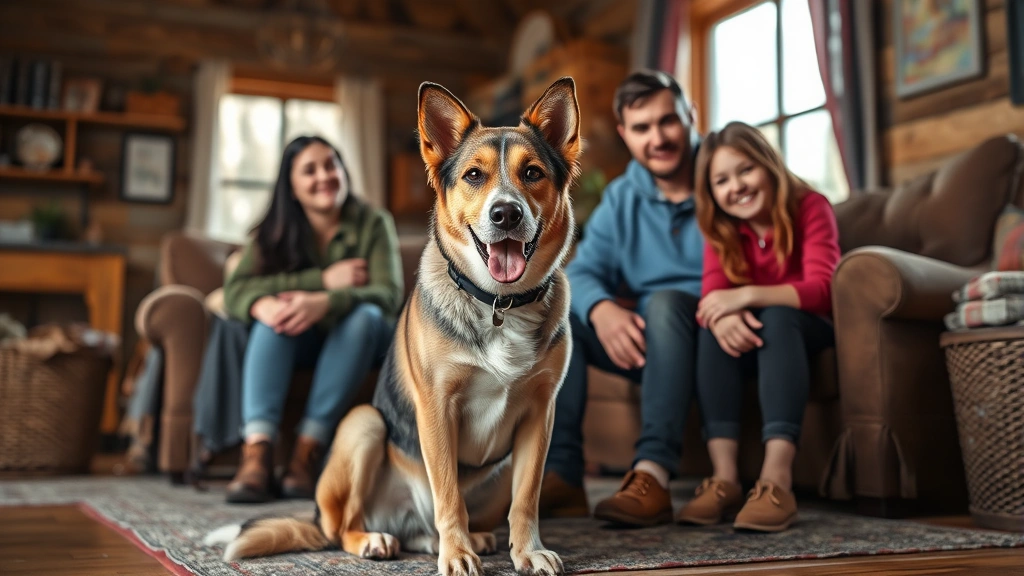
That said, mountain curs are incredibly loyal to their families. They form strong bonds with their people and are naturally protective without being aggressive. They’re excellent with kids who understand how to interact with dogs, and they’ll generally tolerate other pets if socialized early. These dogs have a high prey drive, though—so that rabbit hopping through your yard? Yeah, they’re going to notice it.
Physical Characteristics and Breed Standards
Mountain cur dogs come in several color variations, including brindle, black, yellow, and combinations thereof. Their coats are short and dense, designed to shed water and withstand brush during hunts. You’ll notice their ears are medium-sized and often have a slight curl, their tails are typically long and whip-like, and their overall build is lean but muscular.
The breed standard emphasizes functionality over flashy appearance. These aren’t show dogs in the traditional sense; they’re working animals. A mountain cur’s value lies in its ability to hunt, track, and perform in the field. Their eyes are typically dark and intelligent, reflecting the breed’s keen hunting instincts and awareness.
Training Your Mountain Cur: Channeling That Hunting Drive
Training a mountain cur requires understanding what motivates them. These dogs respond exceptionally well to positive reinforcement, particularly food rewards and praise. They’re intelligent enough to learn commands quickly, but their independent nature means they’ll question authority if it doesn’t make sense to them.
Start socialization early—expose your mountain cur puppy to different environments, people, and other animals. This prevents them from becoming overly territorial or aggressive. Hunting instinct training is natural for this breed; many mountain cur owners find their dogs instinctively understand treeing and hunting behaviors without extensive formal training.
Obedience training is crucial, especially recall training. A mountain cur with a strong prey drive and poor recall is a recipe for disaster. Use high-value rewards during training sessions, keep them short and engaging, and always end on a positive note.
Exercise Requirements: These Dogs Need to Move
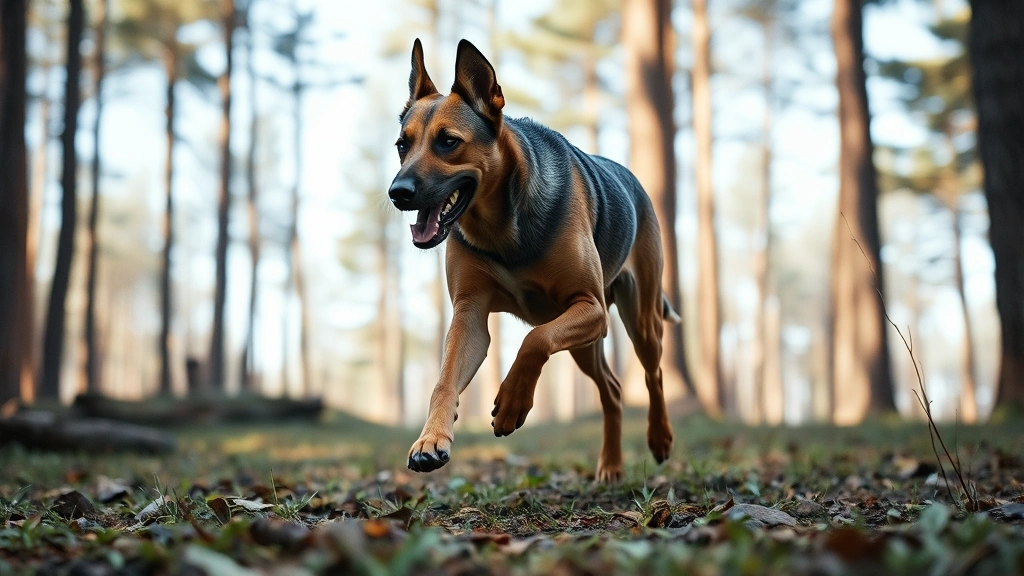
A mountain cur dog isn’t suited for apartment living or sedentary owners. These are working dogs that need substantial daily exercise. We’re talking at least an hour of vigorous activity daily—hunting, running, hiking, or intense play sessions. Without adequate exercise, they’ll become destructive, develop behavioral problems, and generally make your life miserable.
The ideal situation is a rural property where they can roam, hunt, and explore. If you’re in an urban setting, you’ll need to commit to regular trips to dog parks, hiking trails, or hunting areas. Mental stimulation is equally important as physical exercise; puzzle toys, scent work, and training sessions keep their minds engaged.
Health Considerations for Mountain Cur Ownership
Mountain curs are generally hardy, healthy dogs with few breed-specific health issues. This is partly because they were developed through natural selection for working ability rather than appearance-based breeding. However, like all dogs, they can experience hip dysplasia, ear infections (due to their ear shape), and occasional eye issues.
Regular veterinary check-ups are essential. Keep their ears clean and dry, especially if they spend time in water during hunting. Maintain a healthy diet—check out our guide on pet food safety to ensure you’re feeding quality nutrition. Mountain curs typically live 12-16 years when properly cared for, making them long-term companions.
Parasite prevention is critical, particularly if your mountain cur spends time outdoors hunting. Consult with your veterinarian about appropriate flea, tick, and heartworm prevention for your region.
Nutrition and Diet: Fueling Your Working Dog
A working mountain cur has different nutritional needs than a couch potato. These dogs require high-quality protein to support muscle development and maintain energy levels. Look for dog foods with meat as the primary ingredient and appropriate fat content for active dogs.
Portion sizes depend on activity level. A hunting mountain cur during season might need more calories than one during off-season. Our article on healthy pet treats offers great supplementary options. Many mountain cur owners feed raw diets or high-protein kibble, but consult your vet about what works best for your individual dog.
Hydration is crucial, especially for working dogs. Always provide fresh, clean water, and bring extra water on hunting trips or extended outdoor activities.
Cost of Ownership: What You’ll Actually Spend
Mountain cur puppies typically cost $200-$500 from reputable breeders, making them significantly cheaper than many registered breeds. However, don’t mistake low puppy cost for low ownership cost. These are working dogs that need substantial investment in training, exercise, and healthcare.
Budget for quality food, veterinary care, hunting equipment if you plan to hunt, and potentially professional training. If you’re curious about breed cost comparisons, our guide to the costliest breed of dog puts things in perspective.
Mountain Cur vs. Other Hunting Breeds
How does a mountain cur compare to similar hunting breeds? Unlike Beagles, mountain curs are larger and more versatile. Compared to Coonhounds, they’re more adaptable to non-hunting family situations. Versus English Pointers or Setters, mountain curs are tougher, hardier, and better suited to rough terrain.
The mountain cur’s real advantage is their all-purpose nature. They hunt, they protect, they bond with family, and they don’t require the specialized training some other hunting breeds demand. They’re the Swiss Army knife of hunting dogs.
Finding and Selecting a Mountain Cur Puppy
Finding a quality mountain cur requires research. Look for breeders who prioritize working ability and health over appearance. Ask about parent dogs’ hunting records and temperaments. Reputable breeders will ask you questions about your living situation and hunting plans.
Avoid backyard breeders who don’t know their dogs’ lineage or working history. Mountain cur registries like the United Kennel Club (UKC) maintain records of registered dogs and can help connect you with legitimate breeders. Visit the AKC website for breed information resources, and check PetMD for health guidelines.
Grooming and Maintenance
Mountain curs are low-maintenance in the grooming department. Their short coats shed moderately year-round and heavily during seasonal changes. Weekly brushing reduces shedding and keeps their coat healthy. Occasional baths are fine, but don’t overdo it—you’ll strip natural oils from their coat.
Nail trimming every 4-6 weeks is necessary, especially if they’re not spending time on hard surfaces. Ear cleaning should be part of your regular routine, given their ear shape and outdoor activities. Dental care is often overlooked but crucial for long-term health.
Is a Mountain Cur Right for You?
A mountain cur dog is perfect if you’re an active person or family with outdoor interests, hunting experience or willingness to learn, and adequate space for a working dog. They’re terrible if you want a low-energy companion, live in an apartment without access to exercise areas, or can’t handle an independent-minded dog.
These aren’t dogs for everyone, but for the right person, they’re absolutely incredible. They’ll hunt with you, protect your family, and provide unwavering loyalty. They’ll also test your patience, challenge your authority, and occasionally do exactly what they want instead of what you want.
Frequently Asked Questions
Are mountain curs good family dogs?
Yes, mountain curs make excellent family dogs when socialized early and given adequate exercise. They’re loyal, protective, and generally good with children. However, they’re not ideal for families seeking a low-energy, easy-to-manage pet.
How much exercise does a mountain cur need daily?
Mountain curs need at least one hour of vigorous daily exercise. Working dogs during hunting season may need several hours. Without adequate exercise, they become destructive and develop behavioral problems.
Do mountain curs get along with other dogs?
Mountain curs can coexist peacefully with other dogs if socialized early. However, their prey drive means they may chase smaller animals. Introductions should be gradual and supervised.
What’s the lifespan of a mountain cur?
Mountain curs typically live 12-16 years with proper care. Their hardy nature and lack of exaggerated breed characteristics contribute to their longevity.
Can mountain curs live in apartments?
Mountain curs are not suitable for apartment living. They’re working dogs that need space to roam and extensive daily exercise. They thrive in rural settings or homes with large yards.
Are mountain curs aggressive?
Mountain curs aren’t inherently aggressive, but they are protective and have high prey drives. Proper socialization, training, and exercise prevent aggression issues. They’re naturally wary of strangers but not typically aggressive without provocation.
Conclusion: The Mountain Cur Legacy
The mountain cur dog represents a unique piece of American hunting heritage. These tough, intelligent, versatile working dogs have earned their place in rural communities and are increasingly appreciated by hunters and outdoor enthusiasts nationwide. They’re not the flashiest breed, they won’t win beauty pageants, and they’ll definitely challenge you as an owner—but they’ll also give you loyalty, companionship, and partnership that few other breeds can match.
If you’re ready for a dog that works hard, plays harder, and loves fiercely, the mountain cur might be your perfect match. Just remember: these are working dogs first, pets second. Give them a job, give them exercise, give them purpose, and they’ll repay you with a devotion that’s absolutely unmatched.
For more information on transitioning your new mountain cur to a proper diet, check out our pet diet transition advice guide.





