
If you’ve noticed mucus in dog poop, you’re not alone—and yes, it’s definitely worth paying attention to. That slimy coating on your pup’s stool isn’t just gross; it’s your dog’s digestive system trying to tell you something. While the occasional mucus-coated poop might not be a red flag, consistent slime production could indicate anything from dietary issues to parasites. Let’s dig into what’s really going on in your dog’s gut and how to fix it.
Table of Contents
- What Does Mucus in Dog Stool Actually Mean?
- Cause #1: Dietary Sensitivities and Food Allergies
- Cause #2: Parasites and Intestinal Infections
- Cause #3: Inflammatory Bowel Disease (IBD)
- Cause #4: Stress and Anxiety
- Cause #5: Bacterial Overgrowth and Dysbiosis
- How to Identify If It’s Serious
- Proven Solutions: The Step-by-Step Fix
- When to Schedule a Vet Visit
- Prevention: Keep That Poop Clean
- The Role of Probiotics and Supplements
- Frequently Asked Questions
- Final Thoughts: Trust Your Gut Instinct
What Does Mucus in Dog Stool Actually Mean?
Your dog’s intestines naturally produce mucus to lubricate the digestive tract and protect the gut lining. It’s like the body’s built-in WD-40 for bowel movements. However, when you start seeing visible, excessive mucus coating your dog’s poop, that’s the intestines essentially raising their hand and saying, “Hey, something’s off down here.” This excess production is your dog’s way of responding to inflammation, irritation, or other digestive distress. Think of it as a protective mechanism—the gut is trying to soothe itself, but it’s overdoing it.
Cause #1: Dietary Sensitivities and Food Allergies
One of the most common culprits behind dog stool mucus is diet. Dogs with sensitive stomachs often react to certain ingredients by ramping up mucus production. Common trigger foods include chicken, beef, dairy, wheat, and corn. If you recently switched your dog’s food or introduced new treats, mucus might appear within days. The best approach is to check your dog’s food ingredients and consider an elimination diet. Many owners find success switching to limited-ingredient diets or high-quality, grain-free options. You can also explore human foods for pets with sensitive stomachs as temporary dietary adjustments while you identify the problem.
Cause #2: Parasites and Intestinal Infections
Parasites love the intestinal lining, and when they set up shop, mucus production goes into overdrive. Giardia, roundworms, and hookworms are notorious for causing slimy, mucus-laden stools. If your dog has access to contaminated water, spends time with other dogs, or eats raw meat, parasite risk increases significantly. The telltale signs include persistent mucus, diarrhea, weight loss, and lethargy. A vet can diagnose parasites through stool samples and prescribe appropriate deworming medication. This isn’t something to ignore—parasites can seriously compromise your dog’s health if left untreated.
Cause #3: Inflammatory Bowel Disease (IBD)
Some dogs develop chronic inflammation in their digestive tract, known as inflammatory bowel disease or IBD. This condition causes the intestinal lining to become irritated and inflamed, triggering excessive mucus production as a protective response. Dogs with IBD often experience chronic diarrhea, weight loss, and visible mucus in stool. IBD typically requires long-term management involving prescription diets, supplements like probiotics, and sometimes medication. If your dog has persistent mucus in stool lasting more than a week or two, IBD might be worth investigating with your vet.
Cause #4: Stress and Anxiety
Your dog’s gut is directly connected to their emotional state. High stress, anxiety, or major life changes (new home, new pet, schedule changes) can trigger mucus production. Some dogs literally have nervous stomachs. If your dog recently experienced a stressful event and now has mucus in their poop, stress might be the culprit. The solution involves reducing stressors, maintaining routine, and possibly using calming supplements like L-theanine or CBD (where legal). In severe cases, your vet might recommend anti-anxiety medication.
Cause #5: Bacterial Overgrowth and Dysbiosis
Your dog’s gut contains billions of beneficial bacteria that maintain digestive health. When this balance gets disrupted—often due to antibiotics, poor diet, or stress—harmful bacteria can overgrow. This dysbiosis irritates the intestinal lining, causing mucus production. Probiotics are your best friend here. Look for dog-specific probiotic supplements containing multiple bacterial strains. You might also consider adding fermented foods or bone broth to your dog’s diet. If you’re unsure about the right approach, check out convalescence foods from the kitchen for gut-healing options.
How to Identify If It’s Serious
Not all mucus in dog poop requires emergency action, but certain signs demand immediate vet attention. If your dog has blood in stool alongside mucus, shows signs of severe pain, refuses to eat, or has explosive diarrhea, get them to a vet ASAP. Similarly, if the mucus persists for more than a week despite diet changes, or if your dog is a puppy (more vulnerable to serious conditions), professional evaluation is essential. When to call the vet about food issues provides a helpful guide for determining urgency.
Proven Solutions: The Step-by-Step Fix
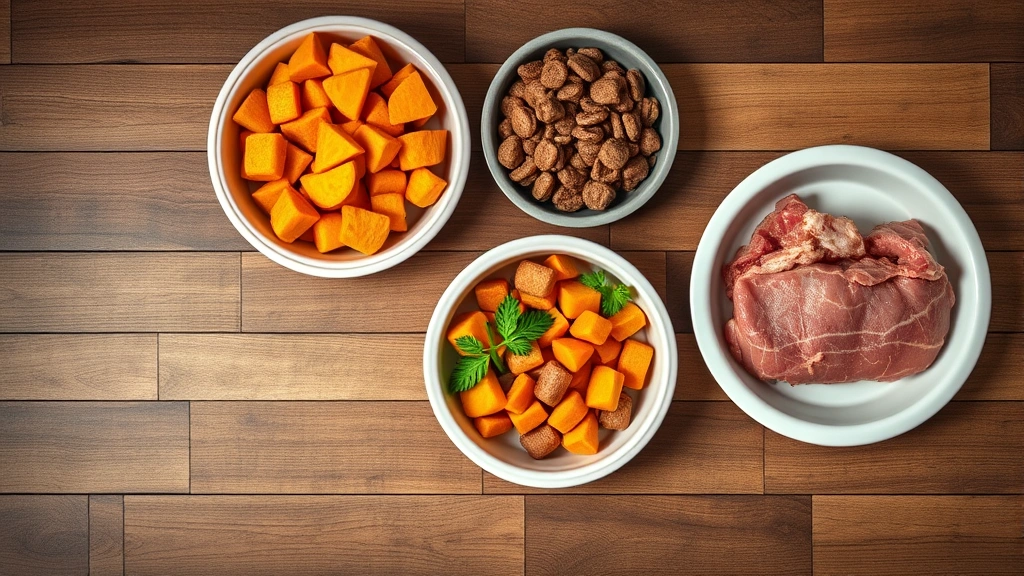
Start with the basics: eliminate obvious dietary culprits and ensure your dog is eating high-quality food. Add a probiotic supplement designed for dogs—these are game-changers for gut health. Increase fiber intake through pumpkin puree or sweet potato (both are gut-friendly and help firm up stools). Make sure your dog has constant access to fresh water and gets adequate exercise, which aids digestion. If you suspect food is the issue, review what not to feed your dog to identify potential problematic ingredients. For dietary adjustments, safe vegetables for dogs offers excellent alternatives to introduce gradually.
When to Schedule a Vet Visit
If home remedies don’t work within 7-10 days, or if your dog shows any concerning symptoms, schedule a vet appointment. Your vet can perform stool tests to rule out parasites, assess your dog’s overall health, and recommend targeted treatments. According to the American Kennel Club, persistent digestive issues warrant professional evaluation. Your vet might also recommend specialized diets or prescription medications depending on the underlying cause.
Prevention: Keep That Poop Clean
Prevention is always easier than treatment. Feed high-quality, species-appropriate food, keep your dog’s vaccinations current, maintain good hygiene (wash hands after handling poop), and minimize stress. Avoid sudden diet changes—transition new foods over 7-10 days. Regular exercise and mental stimulation support overall digestive health. Keep your dog away from contaminated water sources and unknown food items during walks. These simple habits significantly reduce the likelihood of mucus-related issues.
The Role of Probiotics and Supplements
Probiotics are beneficial bacteria that restore gut balance and reduce inflammation. For dogs with mucus in stool, probiotics are often transformative. Look for products with multiple bacterial strains (Lactobacillus and Bifidobacterium are key players) and prebiotics like inulin that feed the good bacteria. Digestive enzymes can also help break down food more efficiently, reducing intestinal irritation. Bone broth provides collagen and amino acids that heal the gut lining. Consider these supplements as part of a comprehensive approach to digestive health.
Frequently Asked Questions
Is mucus in dog poop always a sign of illness?
Not necessarily. Small amounts of mucus can be normal, especially after dietary changes or stress. However, visible, persistent mucus coating the stool warrants investigation. If it’s accompanied by other symptoms like diarrhea, lethargy, or weight loss, definitely consult your vet.
Can I treat mucus in dog poop at home?
Minor cases often respond to dietary adjustments, probiotics, and increased fiber. However, if the mucus persists beyond a week or your dog shows concerning symptoms, professional veterinary care is necessary. Home remedies work best as preventive measures or for mild cases.
How long does it take to see improvement?
With dietary changes and probiotics, most dogs show improvement within 3-7 days. However, some conditions like IBD require longer-term management. Parasites typically resolve within 1-2 weeks after appropriate treatment.
Should I be worried about my puppy having mucus in poop?
Puppies are more vulnerable to serious conditions, so any persistent mucus warrants vet evaluation. Parasites are extremely common in puppies and can quickly become serious. Don’t wait with puppies—get them checked promptly.
Can stress really cause mucus in dog poop?
Absolutely. The gut-brain connection is powerful in dogs. Major life changes, loud noises, separation anxiety, or environmental stress can trigger digestive issues including mucus production. Addressing the underlying stress often resolves the symptom.
Final Thoughts: Trust Your Gut Instinct
Noticing mucus in dog poop is your opportunity to catch potential health issues early. While it’s usually not an emergency, it’s definitely not something to ignore. Start with simple interventions like dietary assessment and probiotics, monitor your dog closely, and don’t hesitate to involve your vet if things don’t improve. Your dog’s digestive health directly impacts their overall wellness, energy levels, and quality of life. By addressing mucus issues promptly and thoughtfully, you’re investing in your pup’s long-term health. Remember: your dog can’t tell you what’s wrong, but their poop sure can.





