
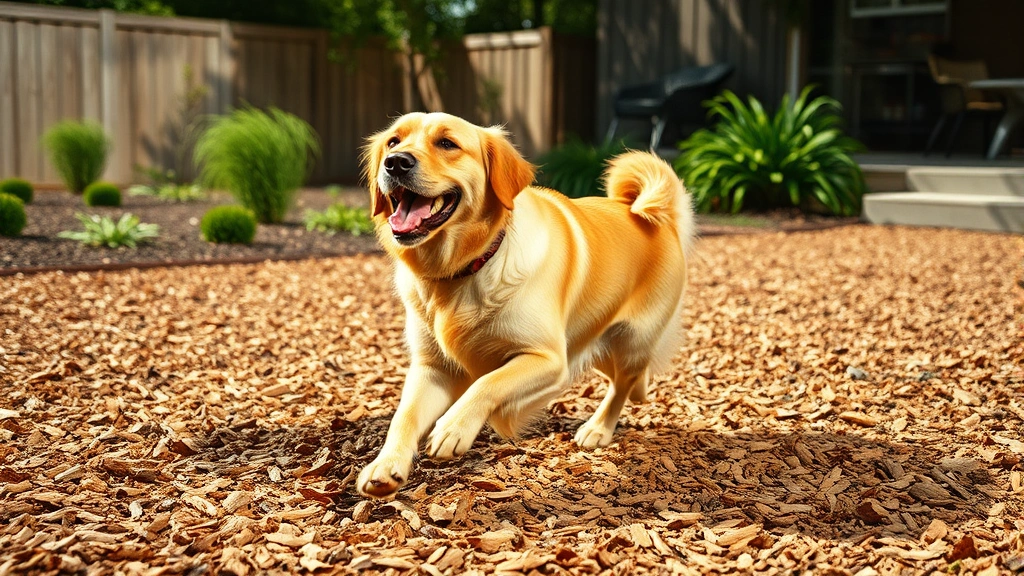
When it comes to keeping your furry friend safe, choosing the right mulch dog owners should consider is just as important as picking the perfect dog bed. Your backyard is your pup’s playground, and the last thing you want is for Fido to munch on something toxic while you’re sipping your morning coffee. Let’s dig into what makes certain mulches dangerous and which ones are actually safe for your four-legged landscaper.
Table of Contents
- Why Mulch Matters for Dog Safety
- The Danger Zone: Toxic Mulches to Avoid
- Pine Mulch: The Controversial Choice
- Best Pet-Safe Mulch Option #1: Hardwood Mulch
- Best Pet-Safe Mulch Option #2: Bark Mulch
- Best Pet-Safe Mulch Option #3: Straw or Hay
- Best Pet-Safe Mulch Option #4: Shredded Newspaper or Cardboard
- Best Pet-Safe Mulch Option #5: Mulch Alternatives—River Rocks and Pea Gravel
- Signs Your Dog Has Eaten Toxic Mulch
- Practical Tips for Mulch Dog Owners
- Combining Mulch Safety with Overall Yard Safety
- What the Experts Say
- Frequently Asked Questions
- The Bottom Line on Mulch Dog Safety
Why Mulch Matters for Dog Safety
Here’s the thing: dogs are basically furry toddlers who think everything in the yard is either a toy or a snack. Mulch comes in dozens of varieties, and some of them are absolutely terrible for your pup’s health. Certain types can cause digestive issues, toxicity, or even blockages that require expensive vet visits. The good news? There are plenty of dog-safe mulch options that let you maintain a beautiful yard without turning it into a minefield of hazards.
The Danger Zone: Toxic Mulches to Avoid
Before we talk about what’s good, let’s discuss what’s absolutely terrible. Cocoa mulch is the biggest offender here—it’s made from cocoa bean shells and contains theobromine, the same compound that makes chocolate toxic to dogs. Even small amounts can cause serious problems. Cedar and redwood mulches release oils and aromatic compounds that can irritate your dog’s respiratory system and skin. These aren’t just unpleasant; they can lead to real health complications. If you’ve got toxic vegetables for dogs concerns, mulch toxicity should be right up there on your worry list.
Pine Mulch: The Controversial Choice
Pine mulch is where things get murky. Some vets say it’s fine, others warn against it. The issue is that pine can cause mild respiratory irritation in some dogs, especially those with existing respiratory conditions or allergies. If your pup has sensitive lungs or asthma-like symptoms, skip it. For healthy dogs, small amounts probably won’t cause major issues, but there are better options available that don’t come with any question marks.
Best Pet-Safe Mulch Option #1: Hardwood Mulch
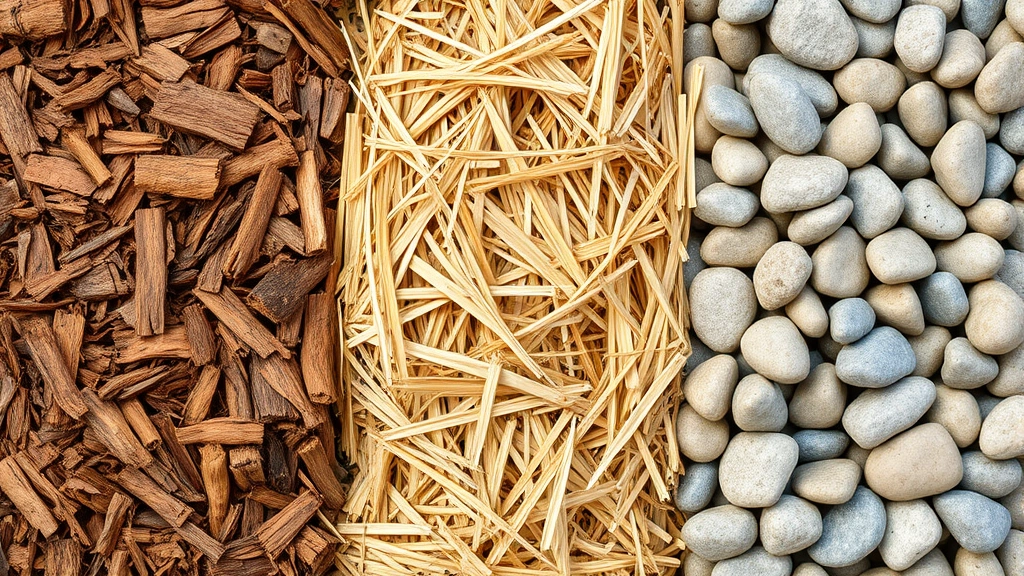
Hardwood mulch from trees like oak, maple, and ash is generally considered safe for dogs. It’s less aromatic than softwoods, breaks down slowly, and doesn’t contain the problematic oils found in cedar or redwood. Your dog might still try to eat it (because dogs are weird), but it won’t cause toxicity. The main downside is it’s not as effective at pest control as some other options, but your dog’s safety trumps bug prevention any day.
Best Pet-Safe Mulch Option #2: Bark Mulch
Bark mulch, especially from hardwoods, is another solid choice for dog owners. It’s larger and chunkier than fine mulch, which makes it less likely your dog will consume large quantities. Plus, it looks great and breaks down slowly, meaning fewer replacements and less money out of your pocket. Just make sure it’s from a reputable source and hasn’t been treated with any chemicals or dyes.
Best Pet-Safe Mulch Option #3: Straw or Hay
If you’re looking for something completely natural and non-toxic, straw or hay is about as safe as it gets. Your dog might nibble on it without any consequences whatsoever. The downside? It breaks down quickly, doesn’t suppress weeds as effectively, and needs frequent replacement. But if you’ve got a pup who’s a notorious mulch muncher, this might be your peace-of-mind option.
Best Pet-Safe Mulch Option #4: Shredded Newspaper or Cardboard
This is the budget-friendly, eco-conscious option. Shredded newspaper and cardboard are completely non-toxic and biodegradable. They won’t win any beauty contests for your landscaping, but they work as a functional ground cover. The catch? They decompose quickly and need constant replacement, especially in wet climates. It’s more of a temporary solution than a long-term mulch strategy.
Best Pet-Safe Mulch Option #5: Mulch Alternatives—River Rocks and Pea Gravel
If you want to skip organic mulch entirely, river rocks and pea gravel are safe alternatives. They don’t decompose, they last forever, and they won’t poison your pup. However, some dogs might still try to eat them, which can cause intestinal blockages. They also get hot in the sun and can burn your dog’s paws during summer. Not ideal for all situations, but worth considering if you live in a dry climate and have a dog that doesn’t eat random objects.
Signs Your Dog Has Eaten Toxic Mulch
If your dog has access to questionable mulch, watch for these warning signs: vomiting, diarrhea, lethargy, loss of appetite, tremors, or increased heart rate. Chocolate-based mulch poisoning can cause serious symptoms within 6-12 hours. If you notice any of these, don’t wait—contact your vet immediately or use emergency food poisoning telehealth services if your regular vet isn’t available. Time matters with toxicity cases.
Practical Tips for Mulch Dog Owners
First, train your dog not to eat mulch. Seriously. Use positive reinforcement when they ignore it and redirect them when they start digging. Second, choose your mulch wisely from the start—prevention is always cheaper than treatment. Third, supervise outdoor time, especially with puppies and curious breeds. Fourth, if you’re unsure about any mulch product, ask your vet directly. They know your dog’s health history and can give you personalized advice. Finally, keep your yard well-maintained so your pup isn’t tempted to create their own entertainment by destroying the landscaping.
Combining Mulch Safety with Overall Yard Safety
Mulch is just one piece of the yard safety puzzle. Make sure you’re also checking for xylitol poisoning in dogs risks from sugar-free products, securing any toxic plants, and ensuring your fence is escape-proof. A comprehensive approach to yard safety means fewer emergency vet visits and more peaceful afternoons watching your pup enjoy the outdoors.
What the Experts Say
According to the American Kennel Club, pet owners should avoid cocoa mulch and aromatic woods at all costs. PetMD recommends hardwood mulch or bark as the safest options for dog-friendly yards. The American Animal Hospital Association also emphasizes that prevention through proper mulch selection is far more effective than treating poisoning cases.
Frequently Asked Questions
Is all mulch bad for dogs?
No, not all mulch is bad for dogs. Hardwood mulch, bark mulch, straw, and hay are generally safe options. Avoid cocoa mulch, cedar, and redwood at all costs. Always research before purchasing.
Can dogs eat pine mulch?
Pine mulch is controversial. While it’s not toxic, it can cause respiratory irritation in some dogs, especially those with existing lung issues. There are safer alternatives available if you want to eliminate any risk.
What should I do if my dog eats cocoa mulch?
Contact your vet or emergency veterinary clinic immediately. Cocoa mulch contains theobromine, which is toxic to dogs. The sooner you seek treatment, the better the outcome. Don’t wait to see if symptoms develop.
How can I stop my dog from eating mulch?
Train your dog using positive reinforcement to ignore mulch. Redirect them when they start digging, provide appropriate chew toys, and supervise outdoor time. Consider using dog-safe alternatives like straw or river rocks if your pup is a persistent offender.
Are there mulch alternatives besides traditional mulch?
Yes! River rocks, pea gravel, straw, hay, and shredded newspaper are all alternatives. Each has pros and cons, so choose based on your climate, budget, and your dog’s behavior.
The Bottom Line on Mulch Dog Safety
Your dog’s safety should always come first when designing your outdoor space. The good news is that choosing pet-safe mulch doesn’t mean sacrificing a beautiful yard. Hardwood mulch and bark options look great, work effectively, and keep your pup safe. Skip the cocoa, cedar, and redwood, and you’re already ahead of the game. If you’ve got a particularly ambitious mulch eater, straw or river rocks might be your best bet. And remember, when in doubt, ask your vet. They’re your best resource for making decisions tailored to your specific dog’s health and habits. Your furry friend will thank you for creating a safe space where they can play, dig, and be their weird, wonderful selves without any toxic surprises lurking in the landscape.





