
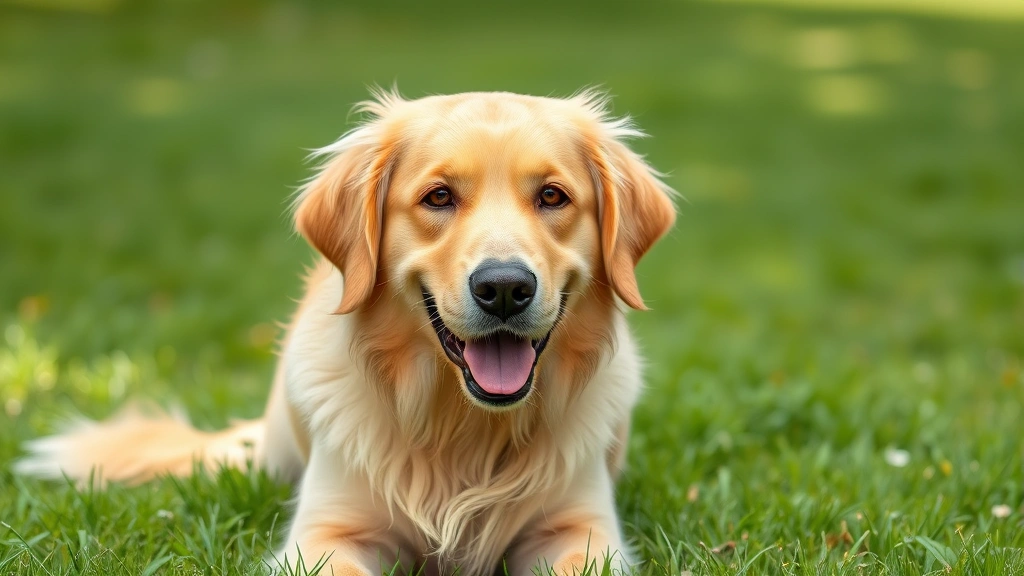
So your dog has diarrhea but is acting fine—tail wagging, energy levels normal, appetite intact. Weird, right? You’d think if something was wrong down there, your pup would be moping around like they just got a bath. But here’s the thing: dogs are weird creatures, and sometimes their digestive systems throw a curveball while the rest of their body acts like nothing happened. Let’s dig into what might be going on and when you should actually worry.
Table of Contents
- Why Is My Dog Having Loose Stools But Acting Normal?
- Dietary Indiscretion: The “Oops” Factor
- Food Sensitivities and Allergies: The Slow Burn
- Parasites: The Invisible Troublemakers
- Sudden Diet Changes: The Transition Trap
- Stress and Anxiety: The Emotional Connection
- Intestinal Inflammation: The Ongoing Issue
- Bacterial Overgrowth: The Imbalance
- When Should You Actually Call the Vet?
- Home Care: What You Can Do Right Now
- Prevention: Stop It Before It Starts
- The Bottom Line
- Frequently Asked Questions
Why Is My Dog Having Loose Stools But Acting Normal?
The disconnect between loose stools and seemingly perfect health can be genuinely confusing for pet parents. When my dog has diarrhea but is acting fine, it usually means the issue is mild, localized to the digestive tract, or temporary. Dogs are surprisingly resilient creatures—they don’t always advertise when something’s slightly off. A dog acting fine with diarrhea might have an upset stomach that’ll resolve itself in 24-48 hours, or they might have a food sensitivity that doesn’t cause systemic illness symptoms.
The key here is understanding that diarrhea is a symptom, not a diagnosis. It’s your dog’s body’s way of saying, “Hey, we need to clear this out,” but it doesn’t necessarily mean your pup is suffering or in danger. That said, you shouldn’t ignore it completely—observation is your best friend right now.
Dietary Indiscretion: The “Oops” Factor
Let’s be real: dogs eat things they shouldn’t. Garbage, table scraps, that mysterious brown thing they found in the yard—your dog’s digestive system occasionally rebels against these adventures. This is probably the most common reason my dog has diarrhea but is acting fine because the offending item usually passes through within a day or two.
If your pup got into something questionable and now has loose stools, monitor them closely. Make sure they’re still drinking water and eating normally (or offer bland options). Check out our guide on harmful foods for dogs to see if they consumed anything toxic. Most dietary indiscretions resolve themselves, but persistent vomiting, lethargy, or signs of pain warrant a vet visit.
Food Sensitivities and Allergies: The Slow Burn
Sometimes a dog acting fine with diarrhea is actually dealing with a food sensitivity or allergy that hasn’t escalated to full-blown illness yet. These conditions often cause loose stools as the primary symptom, especially in the early stages. Common culprits include grains, chicken, beef, or dairy.
The difference between a sensitivity and an allergy matters: sensitivities cause digestive upset, while allergies trigger immune responses (itching, skin issues, ear infections). Both can cause diarrhea, but a dog with a sensitivity might act completely normal otherwise. If you suspect food allergies in pets, consider switching to a limited-ingredient diet or consulting your vet about an elimination diet. Keep a food diary to spot patterns—does the diarrhea happen after certain meals?
Parasites: The Invisible Troublemakers
Here’s a fun fact: your dog can have parasites and act totally fine. Giardia, roundworms, hookworms, and whipworms are sneaky little jerks that cause diarrhea while your pup bounces around like nothing’s wrong. This is especially common in puppies, rescue dogs, or dogs with outdoor access.
Parasites are a serious concern because they can eventually cause malnutrition and other complications if left untreated. If your dog’s diarrhea persists beyond 48 hours, appears watery, or contains blood or mucus, get a fecal exam done. Your vet can identify parasites under a microscope and prescribe the appropriate treatment. This is one situation where “acting fine” doesn’t mean “actually fine.”
Sudden Diet Changes: The Transition Trap
Did you recently switch your dog’s food? Even a gradual transition can sometimes cause temporary loose stools because your dog’s digestive system needs time to adjust to new ingredients and bacterial colonies in the gut. This is super common and usually not serious.
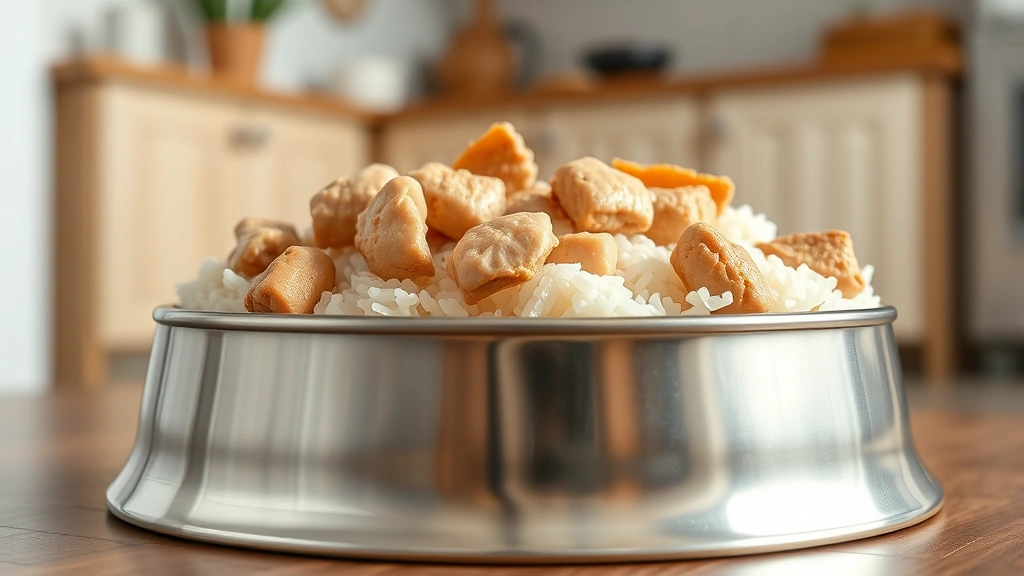
If you’re making a diet change, do it gradually over 7-10 days, mixing increasing amounts of new food with decreasing amounts of old food. If you’ve already made the switch and your dog has diarrhea but is acting fine, you might just need to give their system time to adapt. However, if it persists beyond a few days, revert to the previous food and consult your vet. Check out our bland diet recipes for sick pets for temporary feeding options.
Stress and Anxiety: The Emotional Connection
Your dog’s gut is connected to their emotions more than you might think. Changes in routine, new environments, loud noises, or separation anxiety can trigger loose stools. Some dogs literally get the runs when stressed, even though they’re acting relatively normal otherwise.
If your dog recently experienced a stressful event—new house, new pet, traveling, fireworks—stress-related diarrhea might be the culprit. The good news? It usually resolves once the stress passes. In the meantime, maintain a consistent routine, provide a safe space, and consider calming supplements if your vet recommends them.
Intestinal Inflammation: The Ongoing Issue
Inflammatory bowel disease (IBD) in dogs can cause chronic diarrhea while your pup acts completely normal. This condition involves inflammation in the digestive tract and requires ongoing management. Dogs with IBD might have loose stools for weeks or months but maintain normal energy and appetite.
IBD isn’t curable but is manageable with prescription diets, medications, and probiotics. If your dog’s diarrhea is persistent (lasting more than a week), this could be worth investigating with your vet. They might recommend dietary changes or medications to reduce inflammation.
Bacterial Overgrowth: The Imbalance
Your dog’s gut is home to billions of bacteria—most of them helpful. But sometimes, bad bacteria overgrow and cause diarrhea while your dog acts fine because they’re not systemically ill. Small intestinal bacterial overgrowth (SIBO) is a real condition that vets diagnose and treat.
Probiotics and dietary adjustments can help restore gut balance. Some dogs benefit from convalescence foods from the kitchen that support digestive health, like plain pumpkin or bone broth. Your vet might recommend specific probiotic supplements designed for dogs.
When Should You Actually Call the Vet?
So your dog has diarrhea but is acting fine—do you need to call the vet? Here’s the honest answer: it depends. If your dog is eating, drinking, playing, and the diarrhea is mild and infrequent, you can monitor at home for 24-48 hours. But contact your vet if:
- Diarrhea lasts longer than 48 hours
- Your dog vomits or shows signs of pain
- Stools contain blood, mucus, or look black/tarry
- Your dog becomes lethargic or loses appetite
- Your puppy or senior dog has diarrhea (they’re more vulnerable)
- Your dog ate something potentially toxic (check pet poison hotline resources)
When in doubt, call. Your vet would rather hear from you unnecessarily than have you miss something serious.
Home Care: What You Can Do Right Now
While you’re monitoring your dog’s situation, there are several things you can do to support their digestive health:
- Hydration: Make sure fresh water is always available. Diarrhea causes fluid loss.
- Rest: Let your dog take it easy. Vigorous exercise can worsen diarrhea.
- Bland food: Offer plain chicken and rice, or pumpkin, to help firm up stools.
- Probiotics: Dog-specific probiotics can help restore gut bacteria balance.
- Avoid treats: Skip the usual snacks until things normalize.
- Monitor output: Note frequency, consistency, and any other changes.
Prevention: Stop It Before It Starts
The best way to deal with diarrhea is to prevent it in the first place. Keep your dog on a consistent diet, provide clean water, prevent access to garbage and toxic substances, maintain regular vet checkups, keep parasites at bay with preventative medications, and manage stress through routine and exercise.
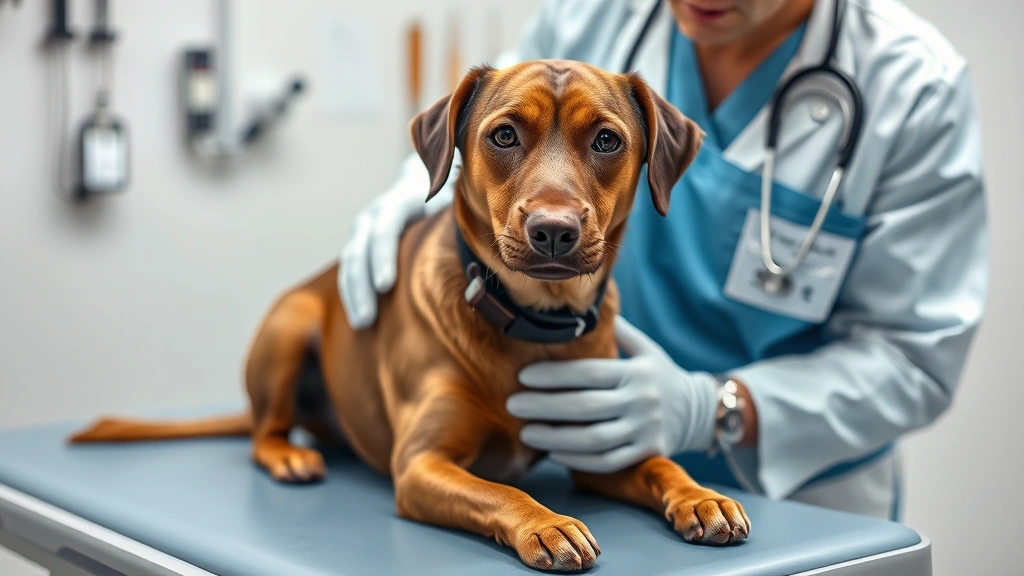
Regular vet visits are crucial because your vet can catch issues early—like parasites or food sensitivities—before they become serious problems. Annual checkups and fecal exams are your best defense.
The Bottom Line
When my dog has diarrhea but is acting fine, it’s usually not an emergency, but it also shouldn’t be completely ignored. Most cases resolve within 24-48 hours with home care and monitoring. However, persistence, severity, or accompanying symptoms warrant a vet visit. Trust your instincts—you know your dog best. If something feels off, it probably is, even if your pup is acting like everything’s normal. And remember, your vet is always your best resource for peace of mind and proper diagnosis.
Frequently Asked Questions
Is it normal for a dog to have diarrhea but act fine?
Yes, it’s actually quite common. Dogs can have mild digestive upset from dietary indiscretion, food sensitivities, or temporary stress without showing systemic illness signs. As long as they’re eating, drinking, and maintaining normal energy levels, mild diarrhea is often not immediately concerning. However, monitor closely and contact your vet if it persists beyond 48 hours or worsens.
How long can diarrhea last in dogs?
Acute diarrhea (sudden onset) typically lasts 24-48 hours and often resolves on its own. If diarrhea persists beyond a week, it’s considered chronic and warrants veterinary evaluation. Chronic diarrhea can indicate parasites, food sensitivities, IBD, or other underlying conditions requiring diagnosis and treatment.
Can I treat my dog’s diarrhea at home?
For mild, acute diarrhea in an otherwise healthy dog, home care can help: maintain hydration, offer bland food (chicken and rice), use dog-specific probiotics, and ensure rest. However, don’t delay veterinary care if symptoms persist, worsen, or your dog shows other signs of illness. Home care is supportive, not curative for serious conditions.
What should I feed a dog with diarrhea?
Bland, easily digestible foods are best: plain boiled chicken, white rice, plain pumpkin, or sweet potato. Avoid fatty foods, dairy, and high-fiber treats. Some dogs benefit from prescription digestive diets. Consider our guide on bland diet recipes for sick pets for more detailed options and preparation methods.
When is dog diarrhea an emergency?
Seek emergency care if your dog shows: severe lethargy, repeated vomiting, bloody or black stools, abdominal pain, signs of dehydration, or if you know they ate something toxic. Puppies, senior dogs, and dogs with pre-existing conditions should be evaluated sooner rather than later. When in doubt, contact your vet.
Can parasites cause diarrhea without other symptoms?
Absolutely. Parasites like giardia can cause diarrhea while your dog acts completely normal otherwise. This is why regular fecal exams are important, especially for puppies and dogs with outdoor access. Parasites won’t resolve on their own and require veterinary treatment.





