

As pet parents, we often find ourselves sharing healthy snacks with our furry companions, and apples are frequently at the top of the list. These crisp, nutritious fruits offer numerous benefits for both humans and dogs. However, when it comes to apple cores – the central part containing seeds and the tough fibrous material – the safety equation becomes more complex. Understanding what parts of an apple are safe for your dog is crucial for responsible pet ownership.
The question of whether dogs can safely consume apple cores has sparked considerable debate among pet owners and veterinarians alike. While the flesh of apples provides valuable nutrients and can be a healthy treat, the core presents several potential hazards that every dog owner should understand. From toxic compounds in apple seeds to choking risks from the tough core material, there are important safety considerations that could affect your pet’s well-being.
Understanding Apple Anatomy and Components
To properly assess the safety of apple cores for dogs, it’s essential to understand the different components that make up this popular fruit. An apple consists of several distinct parts, each with varying levels of safety for canine consumption. The outer skin, while sometimes treated with pesticides, is generally safe when properly washed. The flesh contains the majority of beneficial nutrients and poses minimal risk to dogs when served in appropriate portions.
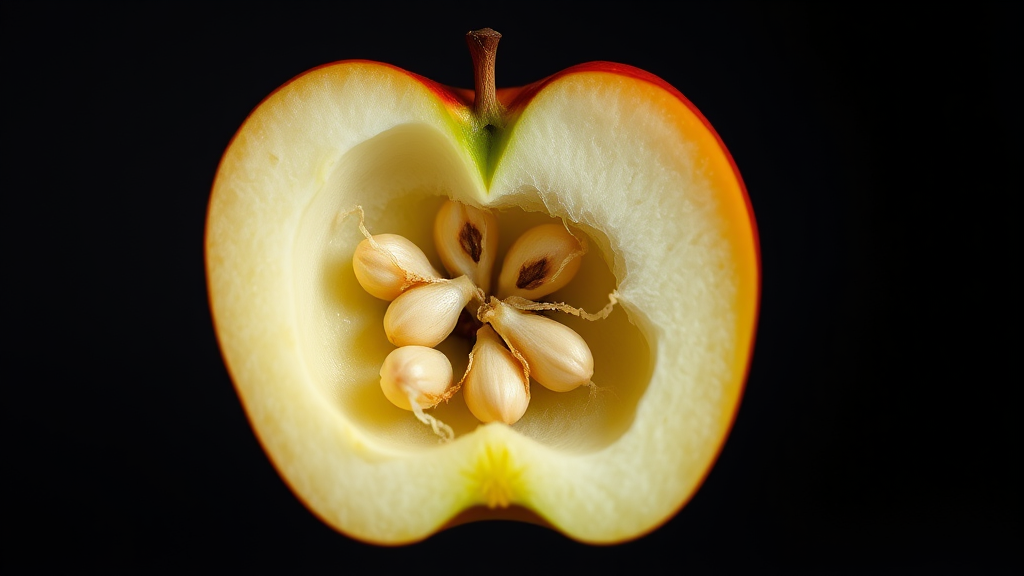
The apple core, however, is a different story entirely. This central portion includes the seed chamber, fibrous material, and the apple seeds themselves. The American Kennel Club emphasizes the importance of removing cores before offering apples to dogs. The fibrous nature of the core material can be difficult for dogs to digest and may cause intestinal discomfort or blockages, particularly in smaller breeds.
Apple seeds contain compounds that release hydrogen cyanide when digested, creating a potential toxicity concern. While a few seeds are unlikely to cause immediate harm to larger dogs, the accumulation of these compounds over time or consumption of multiple seeds at once could pose serious health risks. The tough, woody stem area of the core also presents additional choking hazards for dogs of all sizes.
The Hidden Dangers: Cyanide and Apple Seeds
The most significant concern regarding apple cores centers around the cyanogenic glycosides found in apple seeds. These naturally occurring compounds serve as a defense mechanism for the apple tree, deterring animals from consuming the seeds and potentially damaging the plant’s reproductive material. When these seeds are chewed or digested, they release hydrogen cyanide, a highly toxic substance that can interfere with cellular respiration.
According to research from the National Center for Biotechnology Information, the amount of cyanogenic glycosides in apple seeds varies depending on the apple variety, growing conditions, and seed maturity. While the concentration is relatively low compared to other fruit seeds, the cumulative effect of regular consumption can be concerning, especially for smaller dogs with lower body weights.
The symptoms of cyanide poisoning in dogs can include difficulty breathing, bright red gums, dilated pupils, shock, and in severe cases, coma or death. However, it’s important to note that a dog would need to consume a significant number of apple seeds to experience acute toxicity. The ASPCA Animal Poison Control Center reports that while apple seeds contain cyanide precursors, cases of actual cyanide poisoning from apple consumption are relatively rare in dogs.
Physical Risks: Choking and Digestive Blockages
Beyond the chemical concerns, apple cores present significant physical risks to dogs. The fibrous, tough nature of the core material can easily become lodged in a dog’s throat, particularly in smaller breeds or dogs that tend to gulp their food without proper chewing. This choking hazard is often more immediate and dangerous than the potential cyanide toxicity from seeds.
Digestive blockages represent another serious concern when dogs consume apple cores. The indigestible fibrous material can accumulate in the stomach or intestines, potentially requiring surgical intervention to remove. The American Veterinary Medical Association notes that intestinal obstructions can be life-threatening and often require emergency veterinary care.
Symptoms of intestinal blockage in dogs include vomiting, loss of appetite, lethargy, difficulty defecating, and abdominal pain. These symptoms may not appear immediately after consumption, sometimes taking several hours or even days to manifest. The delayed onset can make it challenging for pet owners to connect the symptoms with apple core consumption, potentially delaying critical veterinary treatment.
How to Safely Share Apples with Your Dog
Despite the risks associated with apple cores, the flesh of apples can be a healthy and enjoyable treat for dogs when prepared properly. The key lies in thorough preparation and portion control. Always wash apples thoroughly to remove any pesticide residues, and consider choosing organic varieties when possible to minimize chemical exposure.
Remove the entire core, including all seeds and the tough fibrous material, before offering apple pieces to your dog. Cut the apple flesh into appropriate-sized pieces based on your dog’s size – smaller chunks for toy breeds and larger pieces for bigger dogs. This not only reduces choking risk but also makes the treat more manageable and enjoyable for your pet.
Moderation is crucial when introducing any new food to your dog’s diet. Start with small amounts to assess your dog’s tolerance and watch for any signs of digestive upset. Apple flesh should be considered a treat and should not exceed 10% of your dog’s daily caloric intake. Just as with other fruits like those discussed in our guides on apricots and dates, proper preparation and moderation are essential for safe consumption.

Nutritional Benefits of Apple Flesh for Dogs
When prepared safely, apple flesh offers numerous nutritional benefits for dogs. Apples are rich in dietary fiber, which can support healthy digestion and help maintain optimal weight. The natural sugars provide a quick energy source, while the high water content helps with hydration. Additionally, apples contain essential vitamins and minerals that can supplement your dog’s regular diet.
Vitamin C, though not essential for dogs since they produce it naturally, can still provide antioxidant benefits and support immune function. The vitamin A content supports eye health and immune system function, while potassium helps maintain proper muscle and nerve function. The natural fiber in apples can also help clean your dog’s teeth and freshen their breath, providing a dental health benefit similar to specially formulated dental chews.
Research published by the National Institutes of Health suggests that the antioxidants found in apple flesh, including quercetin and catechin, may provide anti-inflammatory benefits. These compounds could potentially support joint health and overall wellness in aging dogs, though more research is needed to fully understand these benefits in canine populations.
What to Do if Your Dog Eats an Apple Core
If your dog manages to consume an apple core despite your best prevention efforts, don’t panic, but do take the situation seriously. The immediate risk depends on several factors, including your dog’s size, the number of cores consumed, and whether the seeds were chewed or swallowed whole. Monitor your dog closely for signs of distress, including difficulty breathing, excessive drooling, or attempts to vomit.
Contact your veterinarian immediately if you notice any concerning symptoms or if your dog consumed multiple apple cores. Provide details about when the consumption occurred, the approximate size and number of cores eaten, and your dog’s current condition. Your veterinarian may recommend inducing vomiting if the consumption was recent, or they may prefer to monitor your dog’s condition and provide supportive care.
Keep activated charcoal on hand as recommended by many veterinarians, but never administer it without professional guidance. The Pet Poison Helpline provides 24/7 consultation services for pet poisoning emergencies and can help you determine the appropriate course of action based on your specific situation.
Safe Fruit Alternatives for Dogs
While apple flesh can be a healthy treat when properly prepared, many other fruits offer similar nutritional benefits with fewer preparation requirements. Blueberries, for example, are packed with antioxidants and can be served whole to most dogs without any safety concerns. Bananas provide potassium and natural sweetness, though they should be given in moderation due to their higher sugar content.
When exploring fruit options for your dog, it’s important to research each variety thoroughly. Some fruits that are safe for humans can be toxic to dogs, while others require specific preparation methods. For instance, our comprehensive guides on figs, persimmons, and papaya provide detailed information about the safety and preparation of these alternative fruits.
Stone fruits like peaches and plums require careful preparation similar to apples, as their pits contain cyanogenic compounds and pose choking hazards. Understanding the specific requirements and risks associated with each fruit type helps ensure that you’re making the safest choices for your canine companion while still providing variety and nutritional benefits in their treat selection.
Frequently Asked Questions
Can dogs eat apple cores safely?
No, dogs should not eat apple cores. Apple cores contain seeds with cyanogenic glycosides that release cyanide when digested, and the fibrous core material poses choking and intestinal blockage risks. Always remove the entire core, including seeds, before giving apple pieces to your dog.
How many apple seeds are toxic to dogs?
While there’s no specific number that guarantees toxicity, even a few apple seeds can be concerning, especially for smaller dogs. The cyanide content varies by apple variety and seed size. It’s best to avoid giving your dog any apple seeds rather than trying to determine a “safe” amount.
What should I do if my dog ate an apple core?
Monitor your dog closely for signs of distress such as difficulty breathing, vomiting, or lethargy. Contact your veterinarian immediately, especially if your dog consumed multiple cores or shows any concerning symptoms. Provide details about the timing and amount consumed when calling for professional advice.
Are apple peels safe for dogs?
Apple peels are generally safe for dogs when the apple is thoroughly washed to remove pesticides and other chemicals. However, some dogs may have difficulty digesting the peels, which could cause mild digestive upset. Start with small amounts to test your dog’s tolerance.
How much apple can I give my dog as a treat?
Apple treats should not exceed 10% of your dog’s daily caloric intake. For most dogs, a few small pieces of apple flesh (core removed) several times per week is appropriate. Adjust portions based on your dog’s size, with smaller pieces for toy breeds and larger portions for bigger dogs.
Can puppies eat apple pieces?
Puppies can eat small pieces of apple flesh (without core or seeds) once they’re eating solid food, typically after 6-8 weeks of age. However, introduce new foods gradually and in very small amounts. Puppies have more sensitive digestive systems, so monitor them closely for any adverse reactions.
What are the signs of cyanide poisoning in dogs?
Signs of cyanide poisoning include difficulty breathing, bright red gums, dilated pupils, excessive drooling, vomiting, weakness, and shock. In severe cases, dogs may experience seizures or loss of consciousness. If you suspect cyanide poisoning, seek emergency veterinary care immediately as this condition can be life-threatening.





