

As a dog owner, you’ve likely found yourself in the kitchen preparing dinner when your furry companion gives you those irresistible puppy dog eyes, hoping for a taste of whatever you’re cooking. When chicken is on the menu, you might wonder if it’s safe to share those leftover bones with your four-legged friend. This question is more complex than it might initially seem, and the answer could mean the difference between a happy, healthy dog and a potentially life-threatening emergency.
The topic of whether dogs can safely consume chicken bones has sparked considerable debate among pet owners and veterinary professionals. While dogs’ wild ancestors certainly consumed bones as part of their natural diet, our domesticated companions face different risks and considerations. Understanding the facts about chicken bones and dog safety is crucial for every responsible pet owner who wants to keep their beloved companion healthy and safe.
The Critical Difference: Cooked vs. Raw Chicken Bones
The most important distinction every dog owner must understand is the difference between cooked and raw chicken bones. This difference literally separates safe feeding practices from potentially fatal mistakes. When chicken bones are cooked, whether they’re baked, grilled, fried, or boiled, the heat fundamentally changes their structure and composition.
Cooking transforms chicken bones from relatively soft, pliable structures into brittle, sharp hazards. The heat removes moisture and breaks down the collagen that gives bones their flexibility. This process creates bones that splinter easily into razor-sharp fragments that can cause severe internal injuries. The American Veterinary Medical Association strongly advises against giving dogs any cooked bones, including chicken bones.
Raw chicken bones, conversely, maintain their natural flexibility and are less likely to splinter. However, this doesn’t automatically make them safe for all dogs. The size of the bone, the size of your dog, and your pet’s eating habits all play crucial roles in determining safety. Many veterinarians and canine nutritionists acknowledge that raw chicken bones can be part of a dog’s diet when properly selected and supervised, though opinions vary within the professional community.
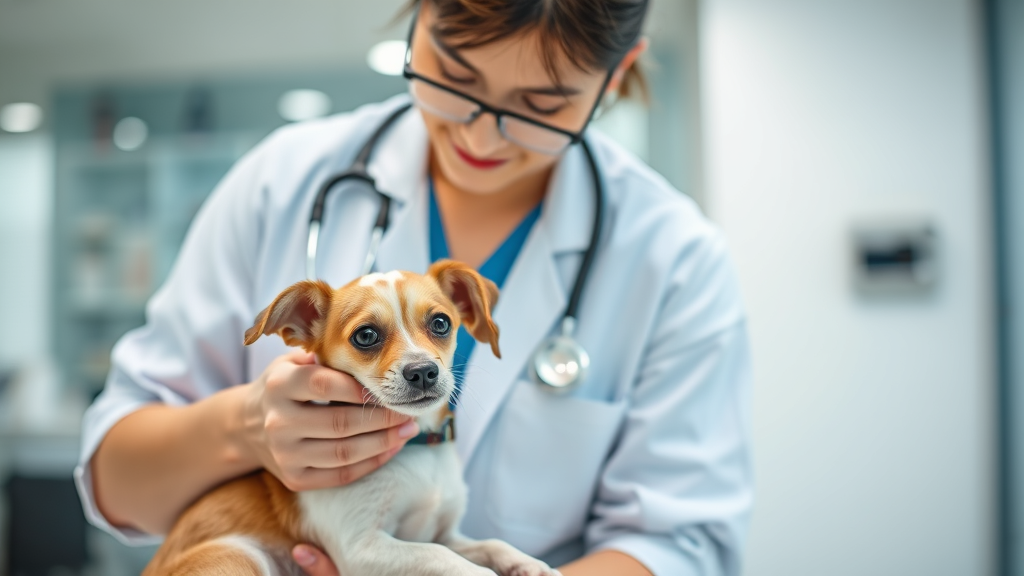
Why Cooked Chicken Bones Are Dangerous
Cooked chicken bones present multiple serious health risks that every dog owner should understand. The primary danger lies in their tendency to splinter into sharp, jagged pieces that can cause choking, intestinal blockages, or puncture wounds throughout the digestive tract. These injuries can occur anywhere from the mouth and throat down to the intestines and rectum.
When dogs chew on cooked chicken bones, the brittle material breaks apart unpredictably. Small, sharp fragments can become lodged in the throat, causing immediate choking hazards. Larger pieces may pass through the throat but become stuck in the esophagus, stomach, or intestines, requiring emergency surgical intervention. The sharp edges of splintered bones can also puncture the digestive tract, leading to internal bleeding, infection, and potentially fatal peritonitis.
Emergency veterinary clinics report that bone-related injuries are among the most common and serious cases they treat. The Pet Poison Helpline emphasizes that cooked bones of any kind should never be given to dogs. The financial cost of treating these injuries can range from hundreds to thousands of dollars, not to mention the emotional trauma of watching your pet suffer.
Another significant risk involves bacterial contamination. Cooked chicken bones often retain harmful bacteria like Salmonella or Campylobacter, especially if they haven’t been properly stored or have been left out at room temperature. These pathogens can cause severe gastrointestinal illness in dogs, leading to vomiting, diarrhea, dehydration, and systemic infection.
Raw Chicken Bones: Safer but Not Risk-Free
While raw chicken bones are significantly safer than their cooked counterparts, they’re not without risks. Many proponents of raw feeding argue that dogs have evolved to consume raw bones and that they provide valuable nutrients, including calcium, phosphorus, and other minerals. Raw bones also offer dental benefits, helping to clean teeth and strengthen jaw muscles through natural chewing action.
However, several factors must be considered before offering raw chicken bones to your dog. The size and type of bone matter enormously. Smaller bones like wing tips or neck bones may be appropriate for small dogs, while larger breeds might safely handle drumsticks or thigh bones. The key is ensuring the bone is appropriately sized – too small, and it becomes a choking hazard; too large, and it may cause tooth damage.
Your dog’s eating style also plays a crucial role. Dogs that gulp their food without proper chewing are poor candidates for any type of bone feeding. These dogs may swallow large pieces that can cause blockages even with raw bones. Patient chewers who take time to properly gnaw and break down their food are better suited for supervised bone consumption.
Bacterial contamination remains a concern with raw chicken bones, though the risk is different than with cooked bones. Raw chicken can harbor Salmonella, E. coli, and other pathogens that may cause illness in both dogs and humans. Proper handling, sourcing from reputable suppliers, and immediate consumption help minimize these risks. The Centers for Disease Control and Prevention provides guidelines for safe handling of raw poultry that apply to both human and pet consumption.
Emergency Signs: When Your Dog Has Eaten Chicken Bones
If your dog has consumed chicken bones, especially cooked ones, immediate action may be necessary. Recognizing the warning signs of bone-related complications can save your pet’s life. The symptoms may appear immediately or develop over several hours to days, making vigilant observation crucial.
Immediate signs of distress include excessive drooling, pawing at the mouth, difficulty swallowing, or visible choking. Dogs may also exhibit signs of throat discomfort by extending their neck, making retching sounds, or appearing unable to close their mouth properly. These symptoms suggest that bone fragments may be lodged in the mouth, throat, or esophagus and require immediate veterinary attention.
Gastrointestinal symptoms that may develop later include vomiting, especially if blood is present, loss of appetite, lethargy, or difficulty defecating. Straining to defecate or producing small amounts of bloody stool may indicate that bone fragments are causing irritation or blockage in the intestinal tract. Abdominal pain, evidenced by a hunched posture, reluctance to move, or sensitivity when the belly is touched, is another serious warning sign.
If you suspect your dog has consumed chicken bones, contact your veterinarian immediately, even if symptoms aren’t yet apparent. Time is critical in bone-related emergencies, and early intervention often leads to better outcomes. Your veterinarian may recommend inducing vomiting if the consumption was recent, but this should only be done under professional guidance as vomiting can sometimes worsen the situation by causing bone fragments to become lodged in the throat. For more information about emergency procedures, learn about how to induce vomiting in dogs safely.
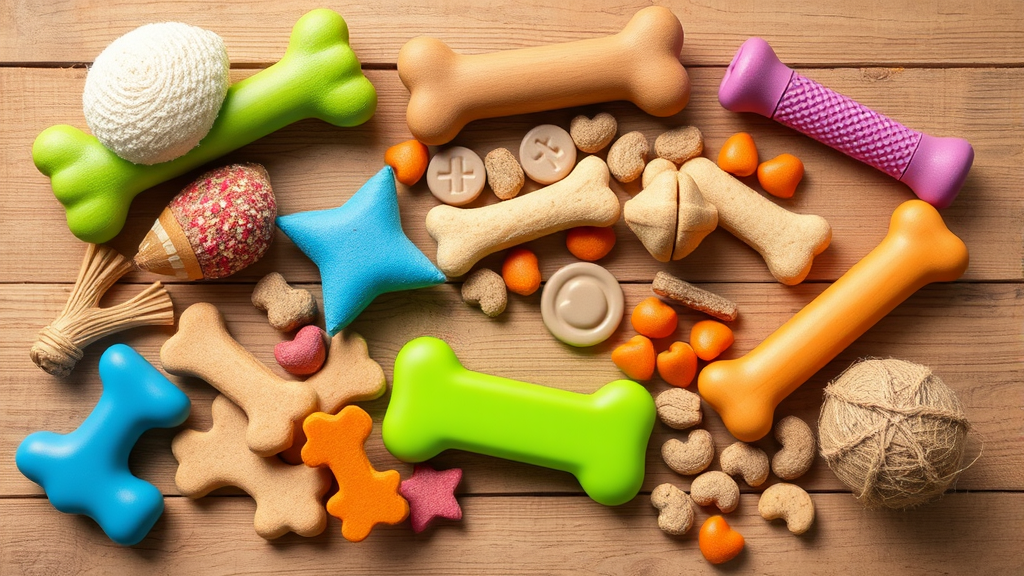
Safe Alternatives to Chicken Bones
Fortunately, numerous safe alternatives can satisfy your dog’s natural desire to chew while providing nutritional benefits without the risks associated with chicken bones. Understanding these options helps ensure your pet enjoys safe, appropriate treats that support their health and well-being.
Commercial dog bones and chews specifically designed for canine consumption offer the safest option. These products undergo rigorous testing and are manufactured to specific safety standards. Look for products approved by veterinary organizations and avoid items that are too hard, as these can cause tooth fractures. Natural options like bully sticks, antler chews, and properly sized rawhides can provide long-lasting entertainment.
Raw meaty bones from other sources may be safer alternatives for dogs accustomed to raw feeding. Raw beef ribs, lamb necks, or appropriately sized raw beef bones can provide similar benefits to raw chicken bones with potentially lower risks. However, the same size and supervision considerations apply. Always source these bones from reputable suppliers and ensure proper storage and handling.
For dogs that enjoy chicken flavor, consider safer chicken-based alternatives. Freeze-dried chicken treats, dehydrated chicken jerky made specifically for dogs, or properly prepared chicken meat without bones can satisfy their cravings safely. Many pet stores offer chicken-flavored chews and bones that provide the taste dogs love without the associated risks. You might also consider learning how to boil chicken for dogs to provide safe, boneless chicken meals.
Prevention and Safety Measures
Prevention remains the best strategy for avoiding chicken bone-related emergencies. Implementing proper safety measures in your home and establishing clear feeding guidelines can significantly reduce the risk of accidental bone consumption. These preventive steps require consistency and awareness from all family members.
Proper disposal of chicken bones is crucial. Never leave chicken bones where your dog can access them, including trash cans without secure lids. Dogs are remarkably resourceful when it comes to finding food, and many bone-related emergencies occur when pets raid garbage or find discarded bones. Use dog-proof trash containers and dispose of bones immediately after meals.
Educate all family members and guests about the dangers of feeding dogs chicken bones. Children, in particular, may not understand the risks and might share their food with pets. Establish clear household rules about what foods are appropriate for your dog and ensure everyone understands the importance of these guidelines.
When preparing chicken meals, maintain awareness of bone location and disposal. Clean up cooking areas thoroughly, checking for dropped bones or fragments. If you choose to feed your dog other safe foods, consider options like can dogs eat scrambled eggs for protein-rich alternatives.
If you decide to feed raw bones despite the risks, implement strict safety protocols. Always supervise bone consumption, remove bones when they become small enough to swallow whole, and ensure bones are fresh and properly sourced. Never leave a dog unattended with any type of bone.
What Veterinarians Want You to Know
Veterinary professionals consistently emphasize that the risks associated with chicken bones far outweigh any potential benefits. Most veterinarians strongly advise against feeding any chicken bones to dogs, citing the frequency and severity of related injuries they treat. The American Veterinary Medical Association and other professional organizations maintain clear positions against feeding cooked bones of any kind to pets.
Emergency veterinarians report that bone-related injuries are among the most preventable yet serious cases they encounter. These professionals have witnessed the devastating effects of bone consumption, from simple throat irritation to life-threatening intestinal perforations requiring emergency surgery. The unpredictability of how individual dogs will react to bones makes the practice particularly concerning to veterinary professionals.
Many veterinarians acknowledge that while dogs in the wild consume bones as part of their natural diet, domestic dogs face different circumstances. Domesticated dogs often eat more quickly and with less caution than their wild counterparts, increasing the risk of complications. Additionally, the bones available to wild dogs are typically fresh kills, while domestic dogs may encounter bones that have been stored, cooked, or contaminated.
For pet owners interested in providing bones for their dogs, many veterinarians recommend consulting with a veterinary nutritionist who can provide guidance based on the individual dog’s size, health status, and eating habits. This professional guidance can help determine whether bone feeding is appropriate and, if so, what types and sizes of bones might be safest. The American College of Veterinary Nutrition provides resources for finding qualified veterinary nutritionists.
It’s worth noting that different types of bones pose varying levels of risk. While this article focuses on chicken bones, similar concerns apply to other poultry bones and many other types of cooked bones. For information about other bone safety concerns, you might want to read about can dogs have ham bones or explore general information about can dogs eat bones.
Frequently Asked Questions
Can dogs eat any chicken bones safely?
Raw chicken bones are generally considered safer than cooked bones, but they still carry risks. Cooked chicken bones should never be given to dogs as they splinter easily and can cause serious injuries. If you’re considering raw bones, consult with your veterinarian first and ensure proper supervision. The safest approach is to avoid all chicken bones and choose commercial dog chews designed specifically for pets.
What should I do if my dog accidentally ate a cooked chicken bone?
Contact your veterinarian immediately, even if your dog appears fine initially. Do not induce vomiting unless specifically instructed by a veterinary professional, as this can sometimes cause bone fragments to lodge in the throat. Monitor your dog closely for signs of distress including vomiting, difficulty swallowing, lethargy, or abdominal pain. Time is critical in these situations, so don’t wait for symptoms to develop before seeking professional advice.
Are chicken wing bones safer than drumstick bones?
No cooked chicken bones are safe, regardless of their size or location on the bird. Wing bones, drumstick bones, and thigh bones all become brittle and dangerous when cooked. The size difference doesn’t eliminate the splintering risk that makes all cooked chicken bones hazardous. Even small wing bones can cause choking, throat injuries, or intestinal problems.
How long after eating chicken bones will symptoms appear in dogs?
Symptoms can appear immediately or may take several hours to days to develop. Immediate symptoms typically involve choking or throat discomfort, while gastrointestinal symptoms like vomiting, loss of appetite, or difficulty defecating may develop 6-72 hours after consumption. This delayed onset makes it crucial to contact your veterinarian as soon as you discover your dog has eaten chicken bones, rather than waiting for symptoms to appear.
Can puppies have chicken bones if they’re raw?
Puppies should not be given any chicken bones, even raw ones. Their smaller size makes them more susceptible to choking and blockages, and their developing digestive systems may not handle bones well. Puppies also tend to be less careful eaters than adult dogs, increasing the risk of swallowing inappropriately sized pieces. Focus on age-appropriate puppy food and treats specifically designed for developing dogs.
What are the best alternatives to chicken bones for dogs who love to chew?
Safe alternatives include commercial dog bones designed for your dog’s size, bully sticks, antler chews, rope toys, and frozen Kong toys filled with dog-safe treats. Raw carrots, sweet potato chews, and specially designed dental chews can also satisfy the urge to chew while promoting dental health. Always supervise your dog with any chew toy and remove items when they become small enough to swallow whole.
Is it true that raw feeding advocates say chicken bones are safe?
Some raw feeding advocates do support giving dogs raw chicken bones under specific conditions, including proper sizing, supervision, and ensuring the bones are fresh and appropriately sourced. However, this remains a controversial topic even among veterinary professionals. Many veterinarians still advise against any bone feeding due to the unpredictable risks involved. If you’re interested in raw feeding, consult with a veterinary nutritionist who can provide guidance specific to your dog’s needs and circumstances.





