

As responsible dog owners, we constantly question what foods are safe to share with our furry companions. When it comes to leafy green vegetables, many pet parents wonder about the safety and benefits of various options. Collard greens, a nutritious staple in many human diets, often raise questions about their suitability for canine consumption.
The good news is that collard greens can indeed be a healthy addition to your dog’s diet when prepared and served correctly. These nutrient-dense vegetables offer several health benefits for dogs, but like all human foods, they require proper preparation and moderation to ensure your pet’s safety and well-being.
Nutritional Benefits of Collard Greens for Dogs
Collard greens are packed with essential vitamins and minerals that can contribute positively to your dog’s overall health. These dark leafy greens contain high levels of vitamin K, which plays a crucial role in blood clotting and bone health. Additionally, they’re rich in vitamin A, supporting your dog’s vision, immune system, and skin health.
The vitamin C content in collard greens acts as a powerful antioxidant, helping to boost your dog’s immune system and protect against cellular damage. According to the USDA National Agricultural Library, collard greens also provide significant amounts of calcium, iron, and folate, which support bone development, oxygen transport, and cellular function respectively.
These vegetables are also an excellent source of dietary fiber, which can aid in digestion and help maintain healthy bowel movements. The low calorie content makes collard greens an ideal treat for dogs who need to maintain or lose weight, while still providing essential nutrients.
Safety Considerations and Potential Risks
While collard greens are generally safe for dogs, there are several important considerations to keep in mind. Raw collard greens contain compounds called goitrogens, which can interfere with thyroid function if consumed in large quantities over time. This is particularly concerning for dogs with existing thyroid conditions.
The American Veterinary Medical Association emphasizes the importance of moderation when introducing any new food to your dog’s diet. Collard greens should never replace a balanced commercial dog food but rather serve as an occasional supplement or treat.
Some dogs may experience digestive upset when first introduced to collard greens, including gas, diarrhea, or stomach discomfort. This is often due to the high fiber content and the dog’s digestive system adjusting to the new food. It’s essential to introduce collard greens gradually and monitor your dog’s response.
Similar to other leafy greens, if you’re wondering about is spinach good for dogs, you’ll find that many of the same principles apply regarding moderation and proper preparation.
How to Properly Prepare Collard Greens for Dogs
Proper preparation is crucial when serving collard greens to your dog. Always start by thoroughly washing the leaves to remove any dirt, pesticides, or other contaminants. Organic collard greens are preferable to minimize exposure to harmful chemicals.
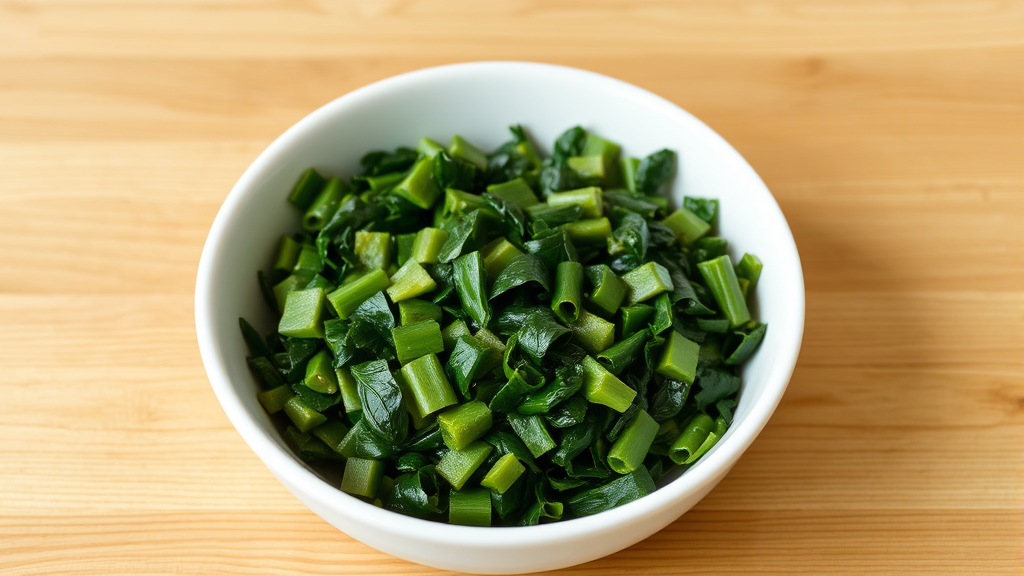
The safest way to serve collard greens to dogs is by cooking them. Steaming or lightly boiling the greens helps break down the goitrogens and makes them easier to digest. Avoid using any seasonings, oils, butter, or salt during cooking, as these additives can be harmful to dogs.
Remove the tough stems and ribs from the collard green leaves, as these can be difficult for dogs to chew and digest properly. Chop the cooked leaves into small, manageable pieces appropriate for your dog’s size to prevent choking hazards.
Never serve collard greens that have been cooked with onions, garlic, or other seasonings, as these ingredients are toxic to dogs. According to ASPCA guidelines, plain, simply prepared vegetables are always the safest option for canine consumption.
Serving Size Guidelines and Frequency
The appropriate serving size of collard greens depends on your dog’s size, weight, and overall health status. As a general rule, vegetables should make up no more than 10% of your dog’s total daily caloric intake. For small dogs (under 20 pounds), a tablespoon of chopped, cooked collard greens is sufficient. Medium dogs (20-60 pounds) can have up to 2-3 tablespoons, while large dogs (over 60 pounds) may safely consume up to 1/4 cup.
Frequency is equally important as portion size. Collard greens should be offered as an occasional treat rather than a daily addition to your dog’s diet. Serving them 2-3 times per week at most allows your dog to benefit from the nutrients without risking digestive upset or thyroid interference.
Just as with other vegetables like can dogs eat broccoli, it’s important to start with very small amounts and gradually increase if your dog tolerates them well. Always consult with your veterinarian before making significant changes to your dog’s diet, especially if your pet has any underlying health conditions.

Alternative Safe Vegetables for Dogs
If you’re looking to diversify your dog’s vegetable intake, there are many safe alternatives to collard greens. Are carrots good for dogs is a common question, and the answer is yes – carrots are excellent sources of beta-carotene and fiber.
Other cruciferous vegetables like can dogs eat cauliflower and can dogs eat brussel sprouts offer similar nutritional benefits to collard greens when properly prepared. These vegetables should also be cooked and served in moderation.
Squash family vegetables are another excellent option. Both can dogs eat zucchini and can dogs eat squash provide valuable nutrients and are generally well-tolerated by most dogs.
For dogs who enjoy variety, can dogs eat peppers explores another colorful vegetable option. Bell peppers, in particular, are safe and nutritious when seeds and stems are removed.
The American Kennel Club provides extensive resources on safe foods for dogs, helping pet owners make informed decisions about their dog’s nutrition.
Signs to Watch For After Feeding
After introducing collard greens to your dog’s diet, it’s important to monitor them closely for any adverse reactions. Normal digestive adjustments might include mild gas or slightly softer stools for the first day or two, which typically resolve as your dog’s system adapts.
However, watch for more concerning signs such as persistent vomiting, severe diarrhea, loss of appetite, or lethargy. These symptoms could indicate that collard greens don’t agree with your particular dog, or that they’ve consumed too large a portion.
Some dogs may show signs of allergic reactions, though this is relatively rare with collard greens. Symptoms of food allergies can include itching, skin irritation, or respiratory issues. If you notice any of these signs, discontinue feeding collard greens immediately and consult your veterinarian.
Long-term overconsumption of collard greens might lead to thyroid-related symptoms due to goitrogen content. According to National Center for Biotechnology Information research, signs of thyroid dysfunction in dogs can include weight changes, lethargy, or changes in coat quality.
Keep a food diary when introducing new foods to help identify any patterns or correlations between what your dog eats and how they feel. This information can be valuable for your veterinarian if any issues arise.
Frequently Asked Questions
Can puppies eat collard greens?
Puppies can eat small amounts of properly prepared collard greens, but their digestive systems are more sensitive than adult dogs. Wait until puppies are at least 12 weeks old and have been successfully weaned before introducing any vegetables. Start with tiny portions and watch carefully for any digestive upset. The Humane Society recommends focusing primarily on high-quality puppy food for growing dogs.
Are raw collard greens safe for dogs?
Raw collard greens are not recommended for dogs due to their high goitrogen content and potential difficulty in digestion. Cooking breaks down these compounds and makes the greens safer and more digestible. Always steam or lightly boil collard greens before serving them to your dog, and never add any seasonings or oils.
How often can I give my dog collard greens?
Collard greens should be given as an occasional treat, no more than 2-3 times per week. They should never make up more than 10% of your dog’s daily caloric intake. Regular overconsumption can lead to digestive issues or potential thyroid problems due to goitrogen content.
What should I do if my dog ate too many collard greens?
If your dog consumed a large amount of collard greens, monitor them closely for signs of digestive upset such as vomiting, diarrhea, or abdominal discomfort. Provide fresh water and withhold food for a few hours if vomiting occurs. Contact your veterinarian if symptoms persist beyond 24 hours or if your dog shows signs of severe distress.
Can dogs with kidney problems eat collard greens?
Dogs with kidney disease should avoid collard greens due to their high potassium content, which can be problematic for compromised kidney function. Additionally, the calcium and phosphorus in collard greens may need to be restricted in kidney disease diets. Always consult with your veterinarian before offering any new foods to dogs with medical conditions.
Are collard green stems safe for dogs?
Collard green stems and ribs should be removed before serving to dogs. These parts are tough, fibrous, and difficult to digest, potentially causing choking hazards or intestinal blockage. Stick to the leafy portions only, and always chop them into appropriate sizes for your dog.
Can I feed my dog frozen collard greens?
Frozen collard greens can be used, but they should still be cooked before serving to your dog. Thaw them completely, then steam or boil as you would fresh collard greens. Avoid frozen varieties that contain added seasonings, sauces, or other ingredients that could be harmful to dogs. Check the ingredient list carefully before purchasing frozen vegetables for your pet.





