

When my dog won’t eat, it’s enough to send any pet parent into full panic mode. One day Fido’s chowing down like it’s his last meal, the next day he’s staring at his bowl like it personally insulted him. Sound familiar? You’re not alone—loss of appetite in dogs is one of the most common concerns vets hear about, and honestly, it can mean anything from “I’m being a picky brat” to “something’s seriously wrong.” Let’s dig into what might be going on and how to get your furry friend back to scarfing down meals like a normal dog.
Table of Contents
- Understanding Why Your Dog Has Lost Their Appetite
- Check for Medical Issues First
- Solution #1: Switch Up the Food Quality
- Solution #2: Add Appetizing Toppers and Mix-Ins
- Solution #3: Establish a Consistent Feeding Schedule
- Solution #4: Reduce Stress and Environmental Factors
- Solution #5: Try Appetite-Stimulating Techniques
- When to Worry: Red Flags You Can’t Ignore
- Prevention: Keeping Your Dog’s Appetite Healthy
- Frequently Asked Questions
- Conclusion: Getting Your Dog Back to Normal
Understanding Why Your Dog Has Lost Their Appetite
Before you start playing detective, understand that dogs don’t just randomly decide to boycott food for fun (well, most of them don’t). There are legitimate reasons your pup might be turning their nose up at dinner. The causes range from minor to serious, which is why paying attention to other symptoms matters big time. Your dog could be dealing with dental problems, digestive issues, stress, medication side effects, or something more concerning. The key is figuring out which category your situation falls into.
Check for Medical Issues First
Here’s the truth: if my dog won’t eat and you’re genuinely worried, a vet visit should be your first stop, not your last resort. Serious conditions like pancreatitis, kidney disease, infections, or gastrointestinal blockages can all cause appetite loss. According to the American Kennel Club, sudden changes in eating habits warrant professional evaluation. Your vet can run bloodwork, check for parasites, and examine your dog’s mouth for dental disease. Don’t skip this step—it’s the foundation for everything else.
Solution #1: Switch Up the Food Quality
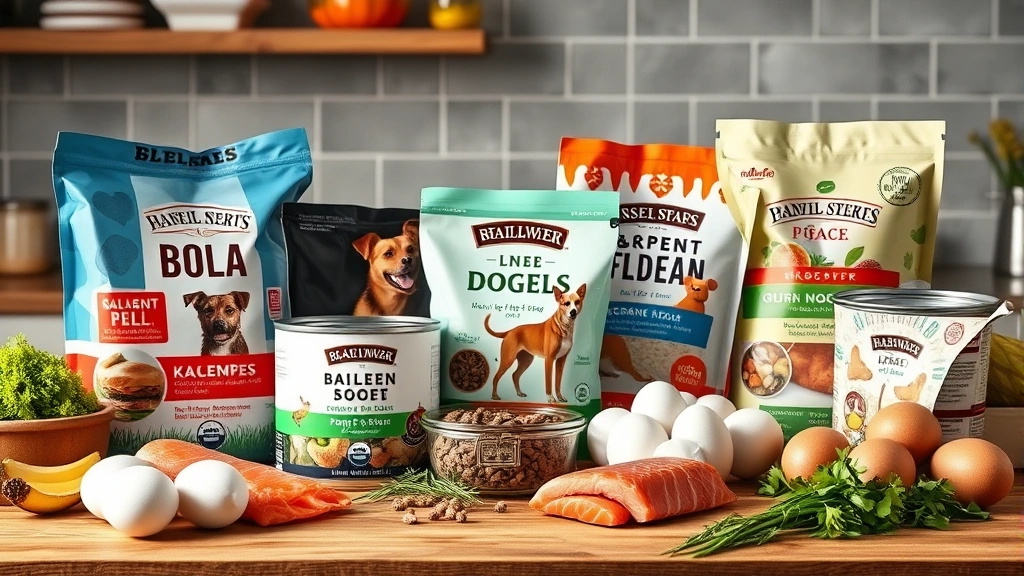
Sometimes dogs won’t eat because their current food is, frankly, boring or low-quality. Think about it: would you eat the same flavorless meal every single day without complaint? Your dog might be trying to tell you something. Consider upgrading to higher-quality options. If you’re currently feeding budget brands, check out Is Pedigree Good Dog Food to understand where your current choice stands. Alternatively, explore premium brands like Is Victor Dog Food Good or Is Fromm Dog Food Good for better nutrition profiles. Many dogs respond better to foods with higher protein content and real meat as the first ingredient. You might also consider fresh food options like Merrick Fresh Dog Food, which appeals to picky eaters.
Solution #2: Add Appetizing Toppers and Mix-Ins
When your dog won’t eat their regular kibble, sometimes a little flavor boost does the trick. This isn’t about spoiling them rotten—it’s about making their food actually appealing. Try mixing in small amounts of wet food, bone broth (low sodium), or even plain cooked proteins. Scrambled eggs are great for dogs and can be a game-changer for picky eaters. Another excellent option is salmon for dogs, which is not only nutritious but also incredibly aromatic and appetizing. The key is adding just enough to make the meal interesting without creating a picky eater who expects gourmet treatment every meal. Start small and gradually reduce the toppers as their appetite improves.
Solution #3: Establish a Consistent Feeding Schedule
Dogs thrive on routine, and mealtime is no exception. If you’ve been leaving food out all day or feeding at random times, try implementing a structured schedule. Feed your dog at the same times each day—typically morning and evening for adult dogs—and remove uneaten food after 15-20 minutes. This teaches their body to expect food at specific times and actually builds appetite. It also helps you monitor whether they’re truly not eating or just being selective. Many dogs who seem to have lost appetite actually just need the psychological trigger that comes with routine.
Solution #4: Reduce Stress and Environmental Factors
Anxiety and stress can absolutely tank a dog’s appetite. Major life changes like moving, new pets, loud noises, or even changes in your routine can cause your pup to lose interest in food. If my dog won’t eat coincides with something stressful, that might be your culprit. Create a calm feeding environment away from chaos and distractions. Some dogs also eat better in quieter spaces or with less pressure. Avoid hovering over them while they eat or expressing concern—dogs pick up on that energy. Keep mealtimes low-key and positive. If stress seems to be the issue, consider whether environmental changes or additional support (like calming supplements or training) might help.
Solution #5: Try Appetite-Stimulating Techniques
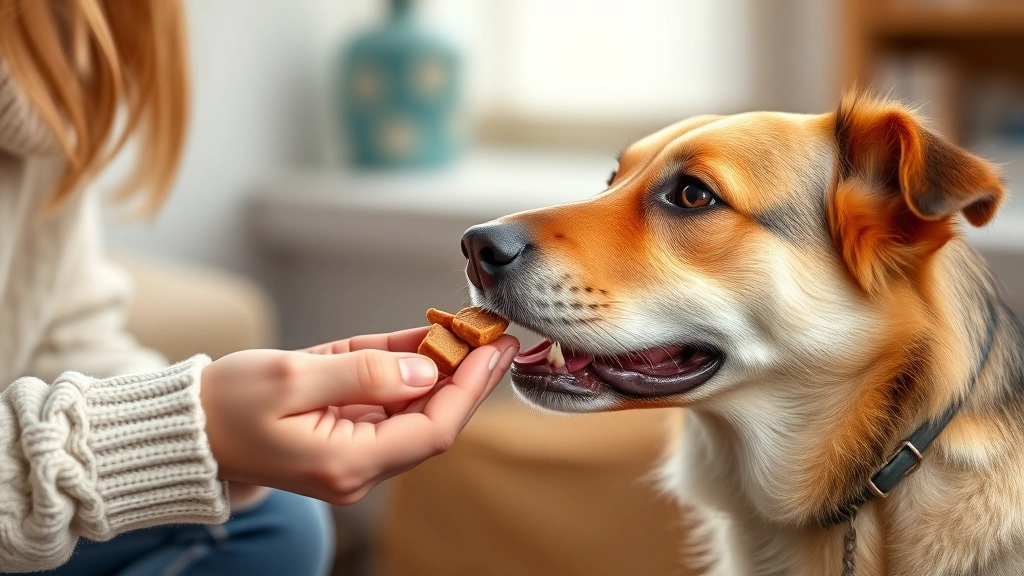
Sometimes you need to get creative. Hand-feeding a few pieces can remind your dog that eating is fun. Puzzle feeders and food games can make mealtime engaging rather than boring. Some dogs respond better to slightly warmed food, which enhances aroma and palatability. You could also try feeding smaller, more frequent meals instead of one large meal—some dogs prefer this approach. According to PetMD, certain supplements and appetite stimulants are available from vets if other methods aren’t working. These should only be used under professional guidance, but they’re worth discussing if your dog continues refusing food.
When to Worry: Red Flags You Can’t Ignore
Not all appetite loss is created equal. If your dog won’t eat for more than 24 hours, shows signs of pain, vomiting, diarrhea, lethargy, or weight loss, get to a vet immediately. These symptoms suggest something more serious than pickiness. Also watch for excessive drooling, bad breath, or difficulty chewing—these often indicate dental problems. Puppies and senior dogs are especially vulnerable to serious conditions, so err on the side of caution with these age groups. Your gut instinct matters here: if something feels wrong, it probably is.
Prevention: Keeping Your Dog’s Appetite Healthy
Once you’ve solved the current crisis, focus on prevention. Maintain regular vet checkups, keep your dog at a healthy weight, provide quality nutrition, and minimize stress. Dental care is huge—brush your dog’s teeth regularly and have professional cleanings as recommended. Keep your dog’s environment stable and enriching. Exercise helps regulate appetite naturally. And remember, occasional pickiness is normal dog behavior, but persistent appetite loss always warrants investigation.
Frequently Asked Questions
How long can a dog go without eating?
Healthy adult dogs can typically survive 3-5 days without food, but this doesn’t mean you should wait that long to seek help. Prolonged appetite loss indicates a problem that needs addressing sooner rather than later. Puppies and senior dogs have less reserve and need attention much faster.
Is it normal for dogs to be picky eaters?
Some pickiness is normal, especially in certain breeds, but sudden changes in appetite are not. If your dog has always been a good eater and suddenly won’t touch food, that’s a red flag worth investigating with your vet.
Can stress really cause a dog to stop eating?
Absolutely. Dogs are sensitive creatures, and anxiety, fear, or major life changes can suppress appetite. Once the stressor is removed or managed, appetite usually returns.
Should I try different dog foods if my dog won’t eat?
Maybe, but do it thoughtfully. Switching foods too frequently can actually cause digestive upset. If you want to change brands, do it gradually over 7-10 days. If your current food is low-quality, upgrading makes sense. Otherwise, focus on other solutions first.
Can medications cause appetite loss in dogs?
Yes, many medications list appetite suppression as a side effect. If your dog started new medication and stopped eating, mention this to your vet—they might adjust the dose or timing.
Conclusion: Getting Your Dog Back to Normal
When my dog won’t eat, it’s stressful, but you have options. Start with a vet visit to rule out medical issues, then work through the solutions systematically. Upgrade food quality, add appetizing toppers, establish routine, reduce stress, and try engagement techniques. Most dogs respond to at least one of these approaches. Remember that patience matters—sometimes it takes a few days for changes to take effect. Your dog isn’t trying to drive you crazy; they’re trying to communicate something. Listen, investigate, and act. In most cases, a little detective work and the right adjustments will have your pup back to enthusiastically diving into their bowl before you know it.





