
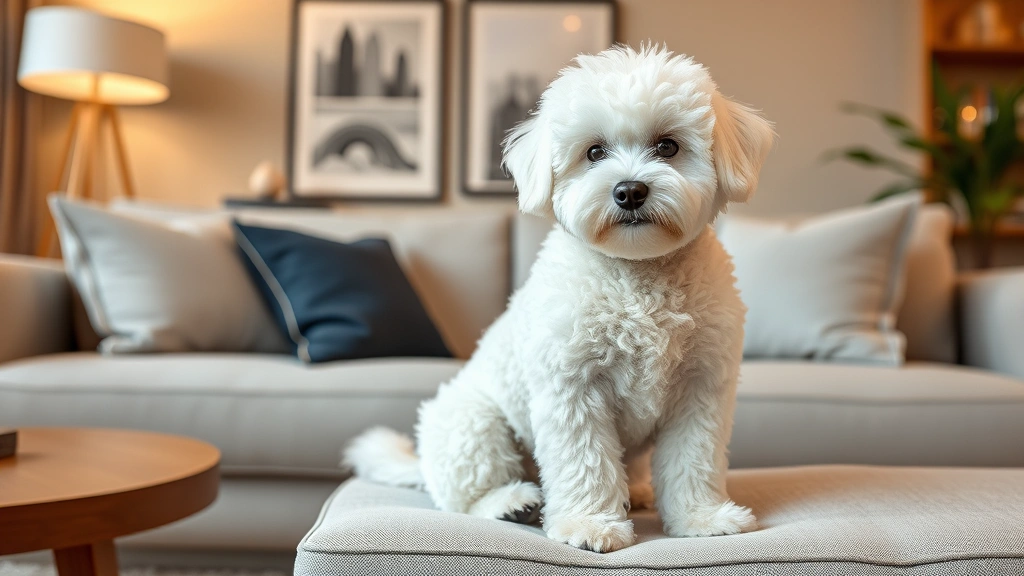
If you’ve ever dreamed of owning a dog but woke up sneezing at the thought, non moulting dogs might just be your ticket to pet parenthood paradise. Let’s be real—dog hair everywhere is basically a lifestyle choice for most dog owners, but not for you. Whether you’re battling allergies or simply can’t stand vacuuming fur tumbleweeds off your couch, low-shedding and hypoallergenic dog breeds exist, and they’re absolutely worth knowing about.
Table of Contents
- What Makes Non Moulting Dogs Different?
- Poodles: The Aristocrats of Non-Shedding
- Bichon Frises: Fluffy Clouds with Attitude
- Portuguese Water Dogs: Athletic Water Lovers
- Schnauzers: The Bearded Guardians
- Maltese: Tiny Elegance
- Soft Coated Wheaten Terriers: Golden Personalities
- Lhasa Apsos: Small But Mighty
- Irish Water Spaniels: Curly-Haired Athletes
- Afghan Hounds: Glamorous Elegance
- Tibetan Terriers: Fluffy Companions
- Grooming and Care for Non-Shedding Breeds
- Health Considerations for Low-Shedding Breeds
- Cost Considerations: Is It Worth the Investment?
- Training and Temperament Variations
- Frequently Asked Questions
- Summary: Finding Your Perfect Non-Shedding Match
What Makes Non Moulting Dogs Different?
Before we dive into our fabulous list of low-shedding dog breeds, let’s clarify something important: there’s no such thing as a 100% hypoallergenic dog. Plot twist, right? The allergens come from dog saliva, urine, and skin cells—not just fur. However, non moulting dogs shed significantly less hair, which means fewer allergens floating around your home and less time spent lint-rolling everything you own.
These breeds typically have hair instead of fur, grow continuously, and require regular grooming to prevent matting. Think of it as trading seasonal shedding nightmares for scheduled grooming appointments. Most people consider that a fair deal.
Poodles: The Aristocrats of Non-Shedding
Poodles come in three sizes—Standard, Miniature, and Toy—so there’s literally a poodle for every living situation. These curly-haired geniuses are among the smartest dog breeds around, which means they’re easier to train but also more likely to judge your life choices. Their continuously growing coat requires professional grooming every 4-6 weeks, but the payoff is minimal shedding and maximum personality.
Standard Poodles weigh 45-70 pounds and are perfect for active families. Miniatures (10-15 pounds) fit nicely in apartments, while Toys are basically portable teddy bears. All of them will steal your heart and possibly your snacks when you’re not looking.
Bichon Frises: Fluffy Clouds with Attitude
These little white fluffballs look like they belong in a fancy dog show—and honestly, they do. Bichon Frises are non-moulting dogs that weigh just 12-18 pounds but pack an enormous personality into that compact frame. They’re cheerful, playful, and absolutely obsessed with being the center of attention.
Their curly, powder-puff coat requires regular brushing and professional grooming every 4-8 weeks. Yes, grooming is an investment, but so is buying a new couch every year because your shedding dog destroyed the last one. The math checks out.
Portuguese Water Dogs: Athletic Water Lovers
If you’re active and want a dog that can keep up with your adventures, Portuguese Water Dogs are your answer. These medium-sized athletes (35-60 pounds) were originally bred to help fishermen in Portugal, so they’re comfortable both on land and in water. They’re loyal, intelligent, and have endless energy reserves that’ll make you question your own fitness level.
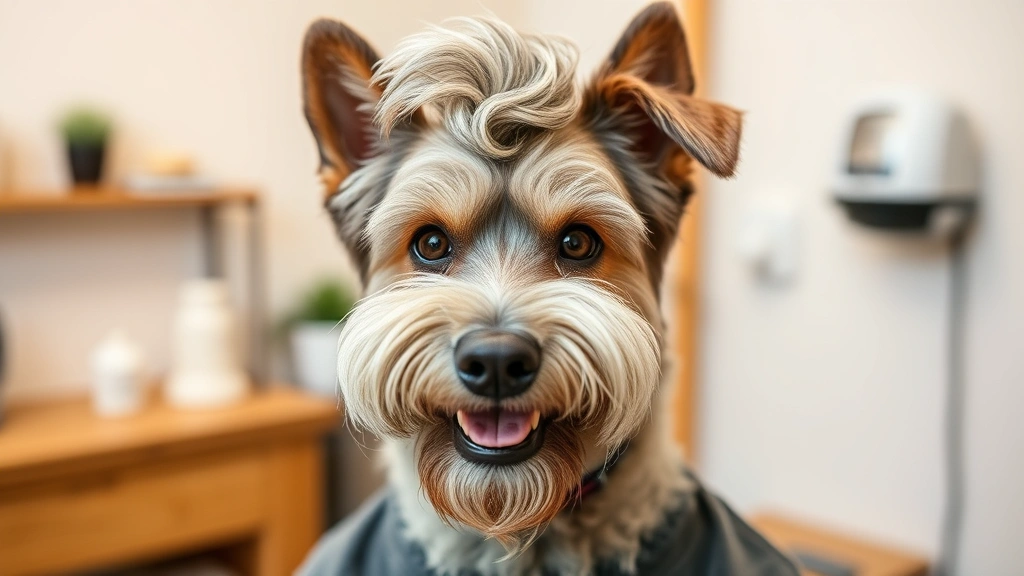
Their wavy or curly coat sheds minimally and requires regular grooming. They’re perfect for families with active lifestyles and don’t mind a bit of mud-wrestling or beach time. Just be prepared for a dog that might try to “herd” your kids into the pool.
Schnauzers: The Bearded Guardians
Schnauzers come in three sizes—Miniature, Standard, and Giant—and all of them rock impressive facial hair that makes them look perpetually wise and slightly suspicious. These low-shedding dog breeds are alert, intelligent, and make excellent watchdogs without being overly aggressive.
Their wiry, double coat sheds minimally and requires professional grooming every 6-8 weeks, plus regular hand-stripping for show-quality coats (though pet grooming is less intensive). Schnauzers are excellent with families and can adapt to various living situations, though they appreciate having a job to do.
Maltese: Tiny Elegance
Weighing just 4-7 pounds, Maltese dogs are basically living stuffed animals with surprising attitudes. These ancient lap dogs have silky, white coats that grow continuously and shed minimally. They’re perfect for people who want a companion dog that won’t trigger allergies or require a massive yard.
Maltese dogs need daily brushing and professional grooming every 4-6 weeks to keep their coats healthy and mat-free. They’re gentle, affectionate, and absolutely convinced they’re much larger dogs trapped in tiny bodies. Training requires patience and positive reinforcement—they’re sensitive souls.
Soft Coated Wheaten Terriers: Golden Personalities
These medium-sized dogs (30-40 pounds) have gorgeous golden-wheat colored coats that continuously grow and shed minimally. Soft Coated Wheaten Terriers are playful, affectionate, and have enough personality to entertain a room full of people.
They’re excellent family dogs that get along well with children and other pets, though their terrier heritage means they might chase small animals. Their coat requires regular brushing and professional grooming every 6-8 weeks. These dogs are perfect for families seeking non-moulting dogs with big hearts and bigger personalities.

Lhasa Apsos: Small But Mighty
Don’t let their small size (9-15 pounds) fool you—Lhasa Apsos have enormous personalities and were originally bred as guard dogs in Tibetan monasteries. These independent, intelligent dogs are affectionate with family but can be aloof with strangers. Their long, flowing coat sheds minimally and requires daily brushing plus professional grooming every 4-6 weeks.
Lhasa Apsos are perfect for people who want a small dog with a big attitude. They’re not as eager-to-please as some breeds, which means training requires consistency and patience. But if you appreciate a dog with personality and independence, you’ll love them.
Irish Water Spaniels: Curly-Haired Athletes
These medium to large dogs (45-68 pounds) have distinctive curly coats in rich brown shades and minimal shedding. Irish Water Spaniels are intelligent, athletic, and absolutely love water (hence the name). They’re excellent swimmers and perfect for active families near lakes, rivers, or beaches.
Their coat requires regular brushing and professional grooming every 6-8 weeks. These dogs are loyal family companions that enjoy having a job to do, whether that’s retrieving, agility training, or simply being the best water buddy ever. Lab and Husky Mix Dogs might appeal to similar active families, though Irish Water Spaniels require less shedding management.
Afghan Hounds: Glamorous Elegance
Afghan Hounds are basically the supermodels of the dog world. These large, elegant dogs (50-60 pounds) have long, silky coats that continuously grow and shed minimally. They’re independent, aloof, and absolutely stunning—they know it, and they’ll remind you regularly.
Their coat requires extensive daily brushing and professional grooming every 4-6 weeks to prevent matting and maintain that gorgeous appearance. Afghan Hounds are perfect for people who appreciate high-maintenance beauty and don’t mind investing time in grooming. They’re not the most obedient dogs, but they’re certainly the most glamorous.
Tibetan Terriers: Fluffy Companions
These medium-sized dogs (18-30 pounds) have long, fluffy coats that grow continuously and shed minimally. Tibetan Terriers are friendly, intelligent, and make excellent companions for families and individuals. They’re less intense than some terrier breeds and more adaptable to various living situations.
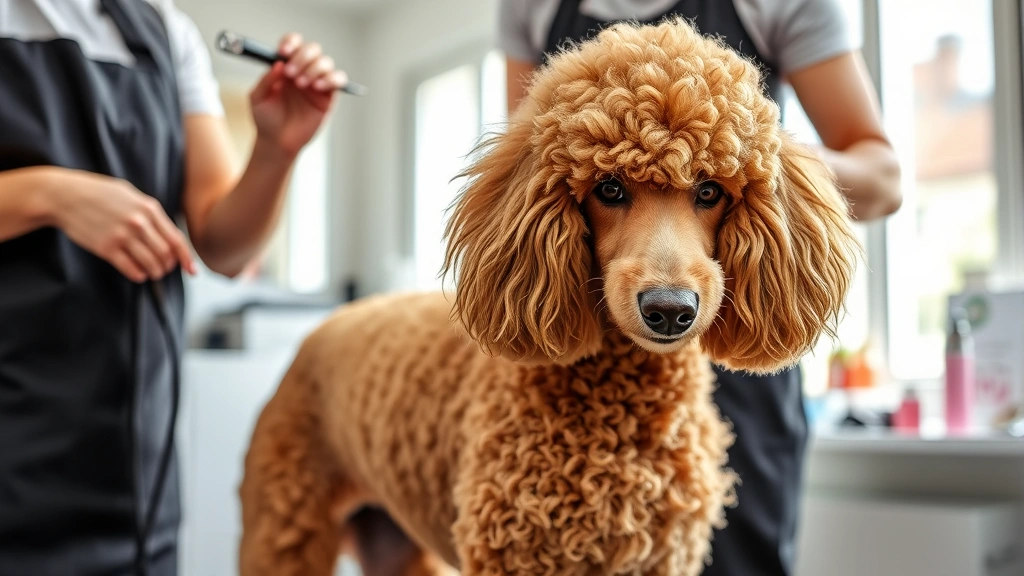
Their coat requires regular brushing and professional grooming every 6-8 weeks. Tibetan Terriers are loyal, affectionate, and enjoy being part of family activities. They’re excellent for people seeking non-moulting dogs that are friendly without being overly demanding or hyperactive.
Grooming and Care for Non-Shedding Breeds
Here’s the real talk: non-moulting dogs require more grooming than shedding breeds. You can’t avoid this reality. Regular brushing prevents matting and keeps coats healthy. Professional grooming every 4-8 weeks is essential, which costs money and requires planning ahead. Mobile Dog Clippers offer convenient grooming services if scheduling appointments is challenging.
Between professional grooming sessions, invest in quality brushes and learn basic grooming techniques. Daily or near-daily brushing prevents mats and keeps your dog comfortable. Some owners choose shorter “puppy cuts” that require less maintenance than longer coats. It’s a valid strategy if grooming feels overwhelming.
Additionally, maintain regular bathing schedules and use appropriate shampoos. Medicated Dog Shampoo can help with skin sensitivity in some breeds. Ear cleaning is important for breeds with floppy ears, and nail trimming should happen regularly.
Health Considerations for Low-Shedding Breeds
Non-moulting dogs aren’t inherently healthier or less healthy than shedding breeds—they just have different health considerations. Many low-shedding breeds are prone to ear infections due to their ear structure or coat density. Regular ear checks and cleaning prevent infections.
Skin issues can develop if grooming is neglected, as mats trap moisture and bacteria against the skin. Dental health is equally important for all dog breeds, so regular brushing and veterinary check-ups are essential. Choose reputable breeders who health-test their breeding dogs to minimize genetic health issues.
Cost Considerations: Is It Worth the Investment?
Let’s be honest about costs. Professional grooming for non-shedding breeds typically runs $50-$150+ per session, depending on breed size and coat condition. That’s $600-$1,800+ annually just for grooming. Add in quality food (check Is Pedigree Good Dog Food for nutrition guidance), veterinary care, and other supplies.
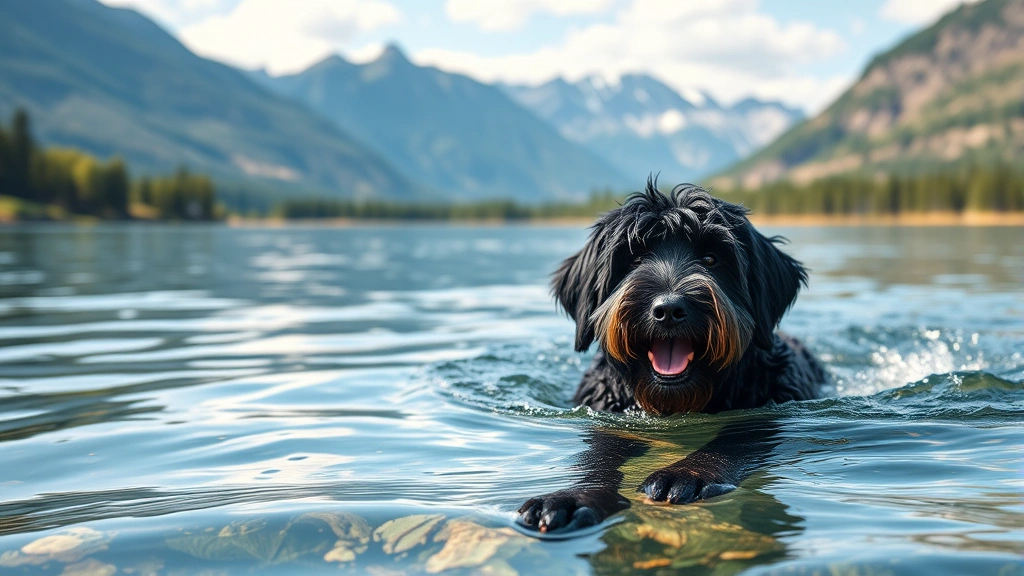
However, consider the alternative: constantly vacuuming, lint-rolling furniture, replacing furniture destroyed by shedding damage, and managing allergy symptoms. Many allergy sufferers find the investment in non-moulting dogs worthwhile for their quality of life improvement. Plus, you’re supporting professional groomers and keeping your home cleaner—it’s practically a win-win situation.
Training and Temperament Variations
Non-moulting dogs aren’t automatically easier or harder to train than shedding breeds. Poodles and Schnauzers are highly intelligent and eager to please, making them relatively easy to train. Afghan Hounds and some terrier breeds have independent streaks that require consistent, patient training approaches.
Temperament varies significantly among non-shedding breeds. Portuguese Water Dogs are athletic and need jobs to do. Maltese dogs are content as lap dogs. Bichon Frises are social butterflies. Choose a breed that matches your lifestyle and personality, not just your allergies. A dog that doesn’t shed but drives you crazy isn’t a good match.
Frequently Asked Questions
Are non-moulting dogs truly hypoallergenic?
No breed is 100% hypoallergenic. Allergens come from saliva, urine, and skin cells, not just fur. However, non-moulting dogs shed less hair and dander, reducing overall allergen levels in your home. Many allergy sufferers find they can coexist comfortably with low-shedding breeds.
How often do non-moulting dogs need grooming?
Most non-shedding breeds require professional grooming every 4-8 weeks, depending on the breed and coat length preferences. Between appointments, daily or near-daily brushing prevents matting and keeps coats healthy. This is a significant time commitment compared to shedding breeds.
Can I groom my non-shedding dog at home?
Yes, but it requires learning proper techniques and investing in quality grooming tools. Many owners do basic maintenance at home (brushing, bathing) and use professional groomers for full grooming sessions. Some breeds, like Poodles, are easier for home grooming than others like Afghan Hounds.
Are non-moulting dogs good for families with children?
Many non-shedding breeds are excellent with children, including Bichon Frises, Portuguese Water Dogs, and Soft Coated Wheaten Terriers. However, individual temperament varies. Always research breed characteristics and meet individual dogs before deciding they’re right for your family.

What’s the average lifespan of non-moulting dogs?
Non-shedding breeds typically live 10-18 years, depending on the breed and individual health factors. Smaller breeds like Maltese and Toy Poodles often live longer than larger breeds. Responsible breeding and good veterinary care support longer, healthier lives.
Do non-moulting dogs require special diets?
Non-shedding breeds don’t inherently require special diets, but quality nutrition supports healthy coats and skin. Some breeds are prone to specific health issues that benefit from targeted nutrition. Consult your veterinarian about appropriate food choices for your specific dog.
Summary: Finding Your Perfect Non-Shedding Match
Non-moulting dogs offer genuine relief for allergy sufferers and people who prefer cleaner homes. From tiny Maltese to large Afghan Hounds, options exist for virtually every lifestyle and preference. The key is understanding that low-shedding comes with grooming requirements and costs that differ from traditional shedding breeds.
Choose a breed that matches your activity level, living situation, and grooming commitment. Research individual breeders carefully and meet dogs before committing. Consider your allergies specifically—spend time with the breed before bringing one home to ensure you’ll actually be compatible.
Non-moulting dogs aren’t miracle solutions, but they’re fantastic options for people who want canine companionship without the fur tumbleweeds. With proper care, grooming, and training, these breeds become beloved family members that enhance your life without triggering your allergies. That’s pretty much a win in our book.





