
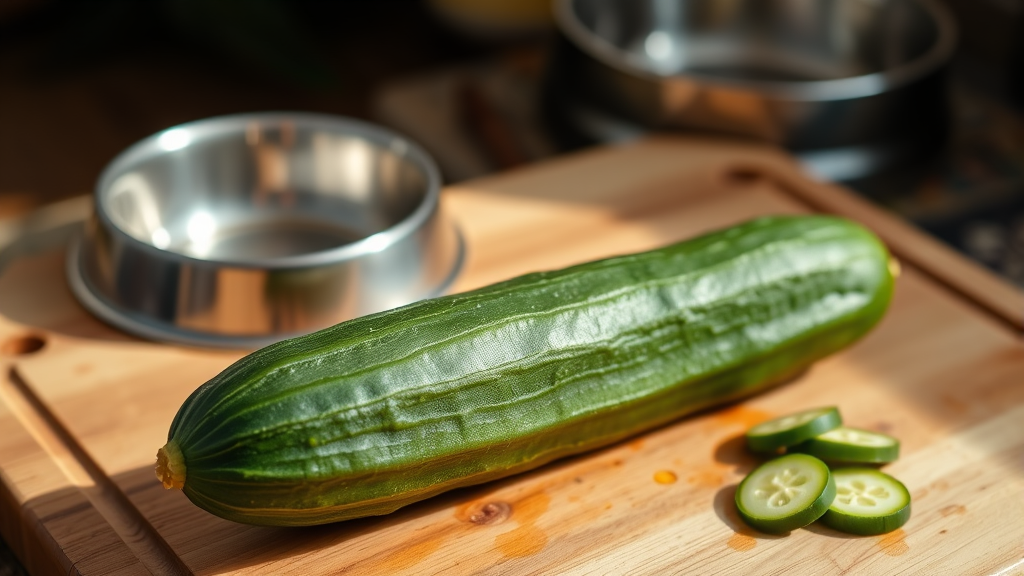
Many dog owners enjoy sharing healthy snacks with their furry companions, and cucumbers often make the list of safe vegetables for dogs. However, when it comes to cucumber skin specifically, pet parents may wonder whether this outer layer is as safe as the flesh inside. Understanding what parts of various foods are safe for dogs is crucial for maintaining their health and preventing digestive issues.
Cucumber skin contains different nutrients and compounds compared to the inner flesh, which raises important questions about its safety and digestibility for dogs. While the crisp, refreshing flesh of cucumbers is generally well-tolerated by most dogs, the skin presents unique considerations that every responsible pet owner should understand before offering this green vegetable as a treat.
Understanding Cucumber Skin Composition
Cucumber skin is the protective outer layer of this popular vegetable, containing a unique blend of nutrients and compounds that differ from the inner flesh. The skin is rich in fiber, particularly insoluble fiber, which can aid in digestive health when consumed in appropriate amounts. It also contains higher concentrations of certain vitamins and minerals compared to the cucumber’s interior.
The waxy coating on cucumber skin, known as the cuticle, serves as a natural barrier against moisture loss and environmental contaminants. This protective layer is completely natural and generally safe for consumption, though it may sometimes retain pesticide residues if the cucumber wasn’t grown organically. The skin’s texture is notably firmer and more fibrous than the soft, water-rich flesh inside.
Understanding the composition of cucumber skin helps pet owners make informed decisions about whether to include it in their dog’s diet. The USDA Agricultural Research Service provides detailed nutritional information about various vegetables, including cucumbers, which can help guide feeding decisions for pets.
Is Cucumber Skin Safe for Dogs?
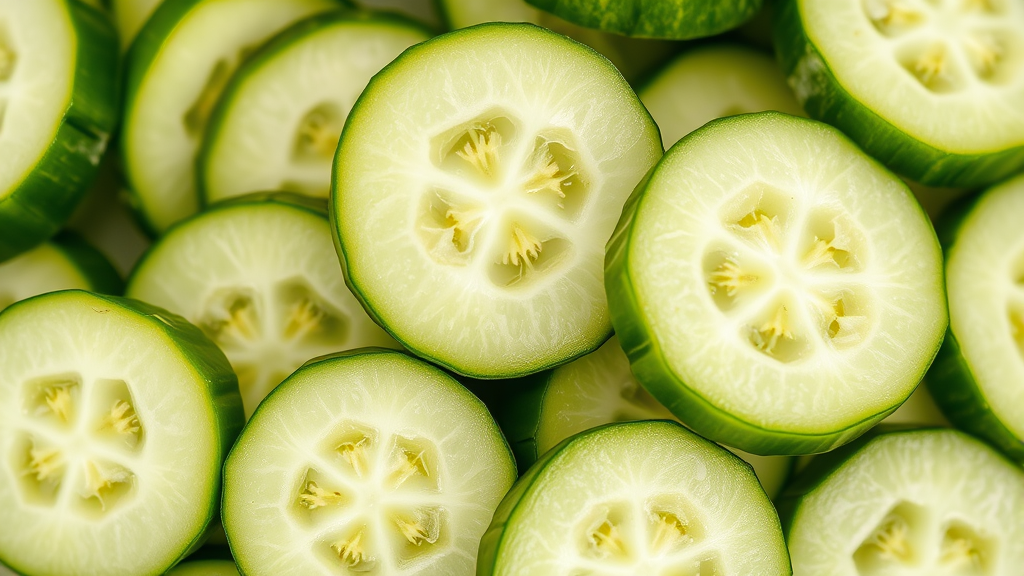
The good news for dog owners is that cucumber skin is generally safe for dogs to consume when properly prepared. Unlike some fruit and vegetable skins that can be toxic or difficult to digest, cucumber skin poses minimal risk to most healthy dogs. The skin is non-toxic and contains beneficial nutrients that can complement a dog’s regular diet.
However, the safety of cucumber skin largely depends on how it’s prepared and served. Raw cucumber skin that hasn’t been thoroughly washed may contain harmful bacteria, pesticides, or other contaminants that could cause digestive upset or more serious health issues. Additionally, some dogs may have difficulty digesting the fibrous nature of the skin, particularly if they have sensitive stomachs or existing digestive conditions.
When considering whether dogs can eat cucumbers with their skin on, it’s important to start with small amounts and observe your pet’s reaction. Most dogs can safely enjoy cucumber skin as an occasional treat, but individual tolerance levels may vary significantly based on factors such as age, size, and overall health status.
Nutritional Benefits of Cucumber Skin
Cucumber skin offers several nutritional advantages that can benefit dogs when included as part of a balanced diet. The skin contains higher levels of vitamin K compared to the flesh, which plays a crucial role in blood clotting and bone health. It’s also a good source of vitamin C, an antioxidant that supports immune function and helps protect cells from damage.
The fiber content in cucumber skin can promote healthy digestion and help regulate bowel movements in dogs. This insoluble fiber adds bulk to the stool and can be particularly beneficial for dogs experiencing mild constipation. Additionally, the skin contains potassium, which supports proper muscle and nerve function, and small amounts of magnesium, important for bone health and energy metabolism.
Antioxidants present in cucumber skin, including beta-carotene and flavonoids, may help reduce inflammation and support overall health. These compounds work together to combat free radicals in the body, potentially reducing the risk of chronic diseases. The American Veterinary Medical Association emphasizes the importance of antioxidants in maintaining pet health and longevity.
Proper Preparation and Serving Methods
Proper preparation is essential when offering cucumber skin to dogs to ensure safety and maximize nutritional benefits. Always start by thoroughly washing the cucumber under running water, using a vegetable brush to remove any dirt, bacteria, or pesticide residues that may be present on the surface. Organic cucumbers are preferable when possible, as they’re less likely to contain harmful chemical residues.
After washing, cut the cucumber into appropriate sizes based on your dog’s size and chewing ability. For small dogs, thin slices or small cubes work best, while larger dogs can handle bigger pieces. Remove any damaged or soft spots on the skin, as these areas may harbor bacteria or mold that could cause digestive upset.
Consider peeling cucumbers in strips, leaving some skin on while removing portions to reduce the overall fiber content for dogs with sensitive stomachs. This approach allows your pet to enjoy the nutritional benefits of the skin while minimizing the risk of digestive issues. Just as with feeding cucumber to dogs, moderation is key when including the skin.

Potential Risks and Precautions
While cucumber skin is generally safe for dogs, there are several potential risks that pet owners should be aware of before incorporating it into their dog’s diet. The most common issue is digestive upset, which can manifest as diarrhea, vomiting, or excessive gas, particularly in dogs with sensitive stomachs or those not accustomed to high-fiber foods.
Choking hazards can occur if cucumber pieces with skin are too large or if dogs attempt to swallow them whole without proper chewing. This risk is especially significant for small dogs or those that tend to gulp their food quickly. Always supervise your dog when introducing new foods and ensure pieces are appropriately sized for safe consumption.
Pesticide exposure is another concern, particularly with conventionally grown cucumbers. Even after washing, some chemical residues may remain on the skin, potentially causing adverse reactions in sensitive dogs. The Environmental Protection Agency provides guidelines on pesticide safety that can help inform decisions about feeding fruits and vegetables to pets.
Dogs with existing kidney problems should consume cucumber skin in very limited quantities, if at all, due to its potassium content. Similarly, dogs on restricted diets or those with food allergies should have any new foods, including cucumber skin, approved by their veterinarian before consumption.
Serving Size and Frequency Guidelines
Determining the appropriate serving size and frequency for cucumber skin depends on several factors, including your dog’s size, age, activity level, and overall health status. As a general rule, treats and snacks, including cucumber skin, should not exceed 10% of a dog’s daily caloric intake to maintain proper nutritional balance.
For small dogs weighing under 20 pounds, one or two thin slices of cucumber with skin per day is typically sufficient. Medium-sized dogs (20-50 pounds) can safely enjoy 2-4 slices, while large dogs over 50 pounds may have 4-6 slices as an occasional treat. These portions should be spread throughout the day rather than given all at once to prevent digestive upset.
Frequency recommendations suggest offering cucumber skin no more than 2-3 times per week to prevent over-consumption of fiber and maintain dietary variety. This moderate approach allows dogs to enjoy the nutritional benefits while minimizing the risk of digestive issues or nutritional imbalances that could result from excessive consumption.
Similar to guidelines for other vegetables like zucchini and squash, it’s important to introduce cucumber skin gradually and monitor your dog’s response before establishing a regular feeding routine.
Safe Vegetable Alternatives
While cucumber skin can be a healthy treat for many dogs, it’s beneficial to offer variety in your pet’s diet with other safe vegetable options. Carrots are an excellent alternative that provides beta-carotene and satisfying crunch, while being easier to digest than cucumber skin for some dogs.
Broccoli offers similar nutritional benefits to cucumber skin, including fiber and vitamins, though it should be served in smaller quantities due to its potential to cause gas. Green beans are another fiber-rich option that most dogs tolerate well and can be served fresh or lightly steamed.
For dogs that enjoy the hydrating properties of cucumbers but struggle with the skin, consider cauliflower as an alternative source of vitamins and minerals. Sweet potato slices provide natural sweetness along with beneficial nutrients, though they should be served cooked and in moderation due to their higher calorie content.
When exploring vegetable treats, it’s important to understand which parts are safe to consume. For instance, while cucumber skin is generally safe, watermelon peel presents different considerations and should be approached with more caution.
The American Kennel Club provides comprehensive guides on safe foods for dogs, helping pet owners make informed decisions about vegetable treats and their preparation methods.
Frequently Asked Questions
Can puppies eat cucumber skin?
Puppies can eat cucumber skin in very small amounts once they’re weaned and eating solid foods, typically around 8-12 weeks of age. However, their digestive systems are more sensitive than adult dogs, so introduce cucumber skin gradually and in tiny portions. Always consult with your veterinarian before adding new foods to a puppy’s diet, as their nutritional needs are very specific during growth periods.
Should I remove the wax coating from cucumber skin before feeding it to my dog?
The natural wax coating on cucumber skin is generally safe for dogs and doesn’t need to be removed. However, if you’re concerned about any artificial wax or pesticide residues, thoroughly washing the cucumber under running water with a vegetable brush will remove most surface contaminants. Choosing organic cucumbers can further reduce exposure to unwanted chemicals.
How do I know if my dog is having trouble digesting cucumber skin?
Signs that your dog may be having difficulty digesting cucumber skin include loose stools, diarrhea, vomiting, excessive gas, or visible pieces of undigested skin in their stool. If you notice any of these symptoms, discontinue feeding cucumber skin and consult your veterinarian if symptoms persist or worsen.
Can dogs with diabetes eat cucumber skin?
Dogs with diabetes can typically eat cucumber skin in moderation, as cucumbers are low in sugar and calories. However, any dietary changes for diabetic dogs should be discussed with a veterinarian first, as even small additions can affect blood sugar management and insulin requirements. The fiber in cucumber skin may actually help with glucose regulation when consumed appropriately.
Is organic cucumber skin better for dogs than conventional?
Organic cucumber skin is generally preferable for dogs as it’s less likely to contain pesticide residues, synthetic fertilizers, or other chemical contaminants. While thoroughly washing conventional cucumbers can remove many surface residues, organic options provide additional peace of mind, especially for dogs with sensitive systems or compromised immune function.
Can I give my dog cucumber skin daily?
While cucumber skin isn’t toxic, daily feeding isn’t recommended. Offering cucumber skin 2-3 times per week is more appropriate to prevent digestive upset and ensure dietary variety. Daily consumption of any single treat can lead to nutritional imbalances and may cause digestive issues due to the high fiber content in the skin.
What should I do if my dog eats too much cucumber skin?
If your dog consumes excessive amounts of cucumber skin, monitor them closely for signs of digestive upset such as vomiting, diarrhea, or discomfort. Ensure they have access to fresh water and consider withholding food for 12-24 hours if mild symptoms occur. Contact your veterinarian if symptoms are severe or persist beyond 24 hours, or if your dog shows signs of intestinal blockage such as repeated vomiting or inability to defecate.





