
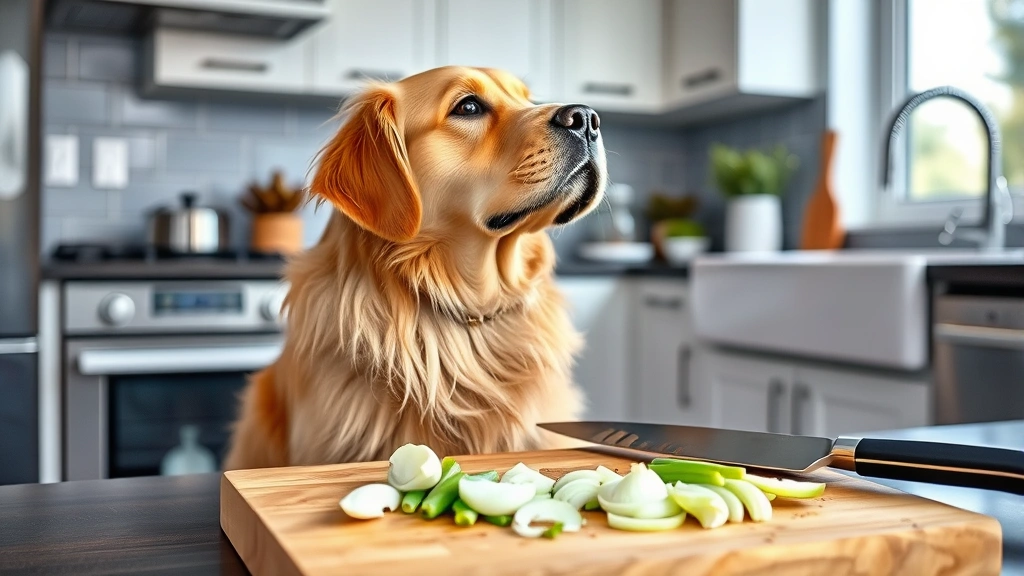
Here’s the truth: onions and dogs don’t mix, and if you’re a pet parent who loves cooking, this is one food safety fact you absolutely need to know. Whether you’re chopping onions for dinner or your pup is eyeing that pizza slice, understanding why onions are toxic to dogs could literally save your furry best friend’s life.
Table of Contents
- Why Are Onions Toxic to Dogs?
- All Forms of Onions Are Dangerous
- How Much Onion Is Toxic to Dogs?
- Recognizing Onion Toxicity Symptoms in Your Dog
- Garlic and Other Allium Family Members
- What to Do If Your Dog Ate Onions
- Safe Food Alternatives for Your Dog
- Preventing Accidental Onion Ingestion
- Understanding Food Labels and Hidden Onions
- When to Seek Emergency Veterinary Care
- Frequently Asked Questions
- Summary: Keeping Your Dog Safe From Onions
Why Are Onions Toxic to Dogs?
Onions contain compounds called thiosulfates that damage dogs’ red blood cells in a process called hemolysis. Think of it like this: thiosulfates attack the protective coating of your dog’s red blood cells, causing them to break down faster than the body can replace them. This leads to a condition called hemolytic anemia, where your pup simply doesn’t have enough healthy red blood cells to carry oxygen throughout their body.
The problem gets worse because dogs metabolize these compounds differently than humans do. While you can safely enjoy a nice caramelized onion on your burger, your dog’s digestive system treats onions as a poison. All parts of the onion are dangerous—the flesh, the layers, the juice, and even the powder found in seasoning mixes.

All Forms of Onions Are Dangerous
This is where many dog owners get confused. They think raw onions are the problem, but cooked onions are just as toxic (sometimes even more concentrated). Here’s what you need to avoid:
Raw onions: The whole vegetable, sliced, diced, or whole.
Cooked onions: Boiled, roasted, grilled, or caramelized—the cooking process doesn’t destroy thiosulfates.
Onion powder: Found in seasoning blends, garlic powder mixes, and many commercial foods.
Onion juice: Even the liquid from cooked onions is dangerous.
Dehydrated onions: These are actually more concentrated and MORE toxic than fresh onions.

If you’re wondering whether that pizza with onions or those seasoned table scraps are safe, the answer is a hard no. Related to this concern, you might also want to check whether ham is bad for dogs, since many human foods we assume are okay actually aren’t.
How Much Onion Is Toxic to Dogs?
The toxic dose of onions for dogs depends on your pup’s weight, but here’s the scary part: it doesn’t take much. Generally, onion toxicity occurs at doses of 0.5% of your dog’s body weight. For a 20-pound dog, that’s only about 1.6 ounces of onion. A single medium onion weighs about 5-6 ounces, so even a small portion can be dangerous.

The effects are dose-dependent, meaning more onion equals worse symptoms. A tiny taste might cause mild issues, while eating a whole onion could be life-threatening. There’s no truly “safe” amount, which is why veterinarians recommend complete avoidance.
Recognizing Onion Toxicity Symptoms in Your Dog
Symptoms of onion poisoning don’t always appear immediately. Sometimes it takes 24-72 hours for signs to show up, which is why monitoring your dog after any accidental ingestion is crucial. Watch for:
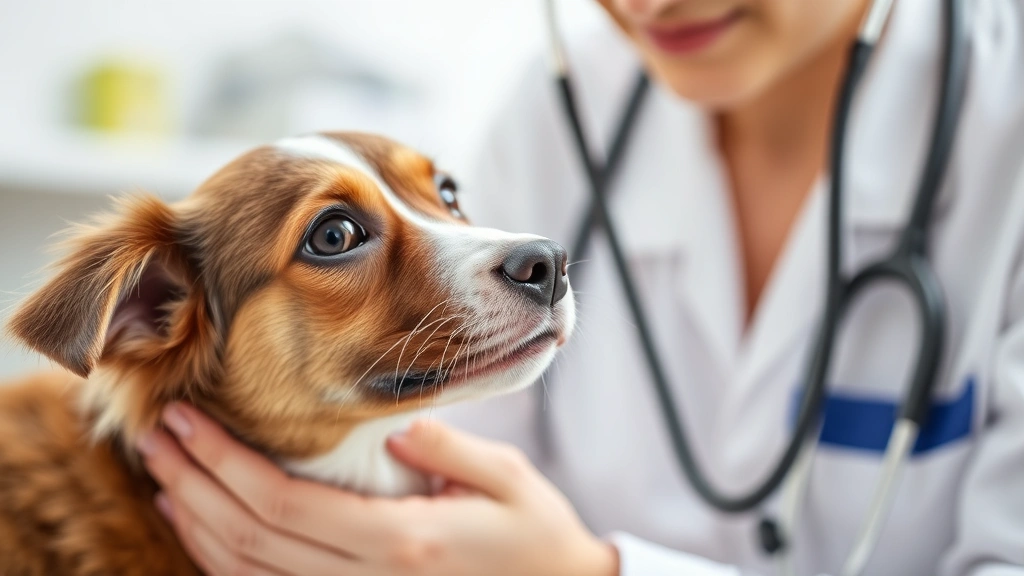
Early signs: Vomiting, diarrhea, lack of appetite, weakness, lethargy, and abdominal pain. Your dog might seem off their game—less playful, more tired than usual.
Advanced signs: Pale gums, difficulty breathing, dark-colored urine, jaundice (yellowing of the skin and eyes), rapid heart rate, and collapse. These are emergency symptoms requiring immediate veterinary care.
The tricky part is that these symptoms overlap with many other conditions, so if your dog ate onions and starts showing any of these signs, don’t wait to see if it gets better. Call your vet immediately. If it’s after hours, head to an emergency veterinary clinic.

Garlic and Other Allium Family Members
While we’re discussing dangerous vegetables, let’s talk about garlic’s cousins. Onions belong to the allium family, and so do garlic, leeks, chives, and shallots. Every single one of these contains thiosulfates and is toxic to dogs. Garlic is particularly dangerous because it’s more potent than onions—a small amount of garlic can cause serious harm.
This is why checking ingredient lists matters. Many dog treats, homemade dog food recipes, and human foods contain garlic powder or onion powder as flavoring. Always read labels carefully, and if you’re making homemade dog food, consult with a veterinary nutritionist to ensure it’s safe.

What to Do If Your Dog Ate Onions
If your dog has eaten onions, here’s your action plan:
Step 1: Stay calm but act fast. Panic won’t help, but quick action might.
Step 2: Call your veterinarian or poison control immediately. The ASPCA Animal Poison Control Center is available 24/7 at (888) 426-4435. Have your dog’s weight and the amount of onion consumed ready to report.
Step 3: Don’t induce vomiting without professional guidance. Sometimes vomiting can cause additional harm depending on timing and circumstances.
Step 4: Bring your dog to the vet for evaluation. They may recommend bloodwork to check red blood cell counts and kidney function.

Treatment typically involves supportive care—IV fluids, blood transfusions if needed, and monitoring. Early intervention dramatically improves outcomes, so never assume a small amount will be fine.
Safe Food Alternatives for Your Dog
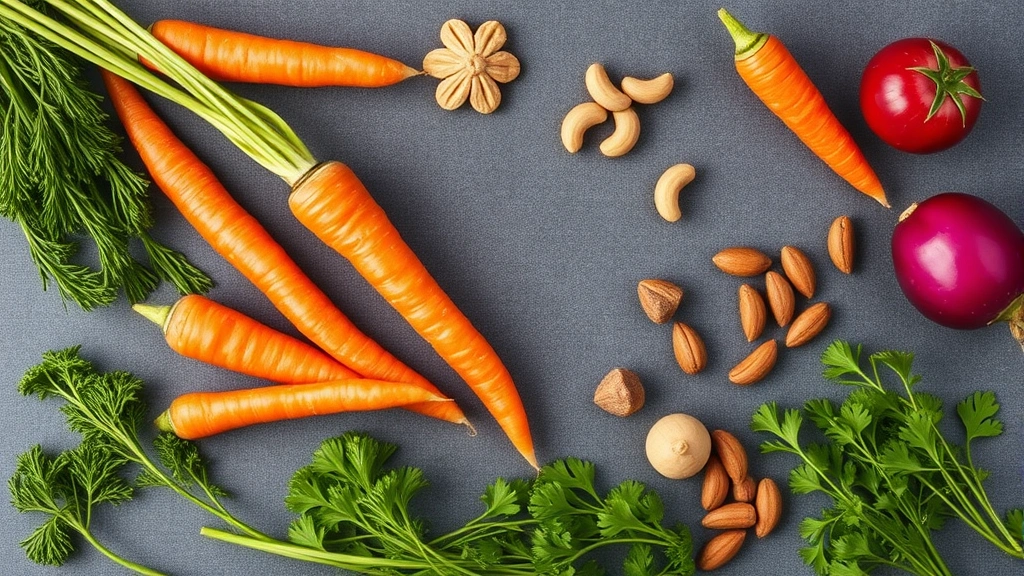
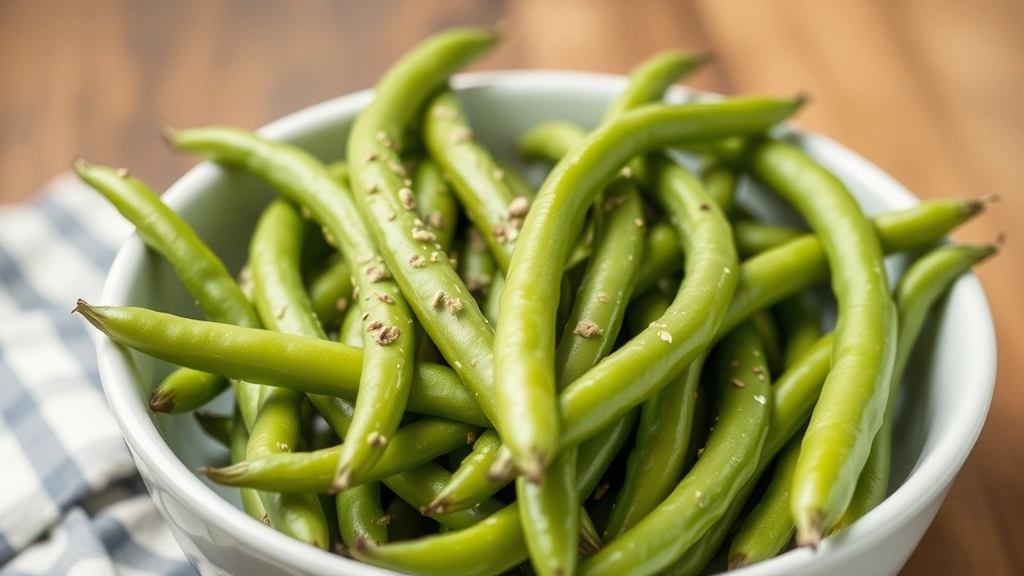
Just because onions are off the menu doesn’t mean your dog can’t enjoy people food. There are tons of safe options that won’t put your pup at risk. Carrots, green beans, sweet potatoes, and apples (without seeds) are all dog-safe. If you’re curious about other foods, you might want to explore whether salt is good for dogs or check out safe options like scrambled eggs for dogs.
For protein-based treats, lamb meat is good for dogs when served plain and unseasoned. You can also offer plain cooked chicken, turkey, or beef. The key is avoiding any seasoning, especially garlic and onion powders.
If you’re preparing meals that include ingredients like ginger for dogs, make sure you’re using pet-safe preparations. And when you’re deciding on carbs, rice is good for dogs everyday in appropriate portions as part of a balanced diet.
Preventing Accidental Onion Ingestion
The best medicine is prevention. Here’s how to keep onions away from your curious canine:
Kitchen safety: Keep onions in a secure location your dog can’t access. Don’t leave chopped onions unattended on counters, and be careful with scraps in the trash. Many dogs are trash bandits, so use a secure garbage can with a lid.
Dining room vigilance: Never leave plates with onion-containing foods within reach. That innocent-looking piece of pizza or plate of food scraps could be dangerous.
Recipe awareness: Before sharing any human food, verify it doesn’t contain onions, garlic, or onion powder. This includes soups, stews, casseroles, and sauces.
Guest education: Tell visitors not to feed your dog table scraps. They might not know about onion toxicity and could accidentally poison your pup with good intentions.
Understanding Food Labels and Hidden Onions
Onions hide in surprising places. Many commercial dog foods, treats, and human foods contain onion powder as a flavoring agent. Always check ingredient lists, especially for:
Seasoning blends, beef or chicken broths, canned soups, baby food (yes, some contain onions), restaurant foods, and processed meats. When in doubt, assume it contains onions unless the label explicitly states otherwise.
This is why feeding your dog a balanced, commercial dog food from a reputable manufacturer is often safer than homemade options—they’re formulated to avoid toxic ingredients. However, if you prefer homemade diets, work with a veterinary nutritionist.
When to Seek Emergency Veterinary Care
Don’t wait and see. Seek immediate veterinary care if your dog:

Ate a significant amount of onions, shows any symptoms of poisoning, has a history of eating onions previously, or is a small breed or senior dog (they’re more vulnerable). Emergency clinics exist for situations exactly like this, and it’s better to get checked out unnecessarily than to miss a critical window for treatment.
Frequently Asked Questions
Can dogs eat cooked onions?
No. Cooked onions are just as toxic as raw onions. The cooking process doesn’t break down the thiosulfates that damage red blood cells. In fact, cooking can concentrate these compounds, making cooked onions potentially more dangerous.

What if my dog ate a small piece of onion?
Monitor your dog closely for 72 hours and watch for symptoms like vomiting, diarrhea, weakness, or pale gums. Call your vet or poison control immediately. Even small amounts can be dangerous, and early intervention is critical. Don’t assume it will be fine just because it was a tiny piece.
Is onion powder as dangerous as fresh onions?
Yes, actually more so. Onion powder is dehydrated and concentrated, making it more potent than fresh onions. A teaspoon of onion powder contains the equivalent toxins of multiple fresh onions. This is why seasoning blends are particularly dangerous.

Can dogs have onion-flavored foods?
No. Anything flavored with onion or containing onion powder is toxic. This includes many human foods, some commercial dog treats, and certain dog foods from less reputable manufacturers. Always verify ingredients.
What’s the difference between onions and garlic toxicity?
Both are toxic due to thiosulfates, but garlic is more potent. Garlic is toxic at lower doses than onions, making it even more dangerous. Both should be completely avoided.
How long does onion poisoning last?
Recovery depends on the amount ingested and how quickly treatment begins. Mild cases might resolve in days with supportive care, while severe cases can take weeks or require blood transfusions. Some dogs experience long-term complications if damage is extensive.
Summary: Keeping Your Dog Safe From Onions
Onions and dogs are a dangerous combination that every pet owner needs to understand. These common kitchen vegetables contain thiosulfates that damage your dog’s red blood cells, potentially causing life-threatening anemia. Whether raw, cooked, or powdered, onions are toxic in any form.
The good news? Prevention is straightforward. Keep onions and allium family members (garlic, leeks, chives, shallots) completely away from your dog. Check ingredient lists, educate visitors, and secure your trash. If your dog does eat onions, call your vet or poison control immediately—don’t wait for symptoms to appear.
Your dog depends on you to keep them safe from household hazards they can’t understand. By knowing about onions and dogs, you’re already ahead of the game. Stay vigilant, keep toxic foods out of reach, and enjoy plenty of safe alternatives with your furry friend.





