

Let’s face it—outdoor dog kennels are a game-changer for pet parents who want their furry friends to enjoy fresh air without turning the backyard into a demolition zone. Whether you’ve got a hyperactive Golden Retriever or a calm LGD dog that needs secure outdoor space, finding the right kennel setup can mean the difference between a happy pup and a stressed-out owner.
Table of Contents
- What Are Outdoor Dog Kennels and Why Do You Need Them?
- Size Matters: Choosing the Right Dimensions for Your Pup
- Material Quality: What Separates the Good From the Garbage
- Shade and Weather Protection Features
- Installation and Anchoring: Keep Your Dog IN, Predators OUT
- Maintenance and Cleaning Considerations
- Temperature Control and Seasonal Adjustments
- Top Features That Make Kennels Worth the Investment
- Budget-Friendly vs. Premium Options
- Compatibility With Your Home Setup
- Best Practices for Using Outdoor Dog Kennels
- Frequently Asked Questions
- Conclusion: Finding Your Perfect Outdoor Dog Kennel Setup
What Are Outdoor Dog Kennels and Why Do You Need Them?
Outdoor dog kennels are enclosed structures designed to give your canine companion safe outdoor time while keeping them contained. They’re not just glorified cages—think of them as your dog’s personal backyard oasis. These structures range from simple chain-link runs to elaborate multi-room setups with shade covers and drainage systems. A quality kennel provides security, prevents escape artists from bolting, and keeps neighborhood dogs and wildlife from wandering into your yard uninvited.
The beauty of outdoor dog kennels is that they offer a middle ground between complete freedom and indoor confinement. Your pup gets sunshine, fresh air, and mental stimulation without you having to worry about them chasing the neighbor’s cat or digging a tunnel to freedom.
Size Matters: Choosing the Right Dimensions for Your Pup
Here’s where most people mess up—they buy kennels that are way too small. A kennel should give your dog enough room to stand, turn around, and stretch out comfortably. For large breed dogs, we’re talking minimum 10×10 feet, though bigger is always better. Small breeds can get by with 6×8, but honestly, why skimp on your pet’s comfort?
Think about your dog’s size and energy level. A high-energy Border Collie needs more space than a laid-back Basset Hound. If you’ve got multiple dogs, add square footage accordingly—at least 50 square feet per dog is a solid rule of thumb. Pro tip: measure twice, buy once. Your dog will thank you with fewer escape attempts.
Material Quality: What Separates the Good From the Garbage
Not all outdoor dog kennels are created equal. Cheap galvanized steel might save you a few bucks now but will rust faster than you can say “vet bills.” Look for powder-coated or hot-dipped galvanized materials that can handle years of UV exposure and weather beating.
Chain-link remains the industry standard for good reason—it’s durable, affordable, and lets your pup see their surroundings. However, some dogs can chew through lower-quality chain-link like it’s licorice. If you’ve got a determined chewer, consider welded wire or reinforced mesh. The frame should be heavy-gauge steel, not flimsy aluminum that bends if you sneeze on it.
Shade and Weather Protection Features
Nothing says “bad pet parent” like leaving your dog in a sun-baked kennel during summer. Quality outdoor dog kennels come with shade cloth or solid roof panels that block 80-90% of UV rays. Some premium models include waterproof covers for rainy days, which is clutch if you live in a climate that can’t decide what season it is.
Proper ventilation is equally important—you want airflow, not a sauna. Look for kennels with elevated floors that allow water drainage and air circulation underneath. This prevents puddles, reduces odor, and keeps your pup from standing in mud. If the kennel doesn’t come with a cover, budget for aftermarket shade cloth or a sturdy tarp system.
Installation and Anchoring: Keep Your Dog IN, Predators OUT
A properly installed kennel is a secure kennel. Most outdoor dog kennels require anchoring to prevent escape attempts or tipping. Concrete footings are the gold standard—dig holes, set anchor bolts, and cement them in place. This sounds like work because it is, but it’s non-negotiable if you’ve got an escape artist.
Check that all corners are secure and there are no gaps where a determined dog could squeeze through. Some kennels come with dig-proof floors (usually hardware cloth buried a few inches deep), which is worth the extra investment if your pup is a gopher wannabe. The gate should have a double-latch system—one latch is just asking for trouble.
Maintenance and Cleaning Considerations
Here’s what nobody tells you: outdoor dog kennels require regular maintenance. Weekly cleaning prevents bacterial growth, odor buildup, and health issues. Look for designs with removable floors or wide-open layouts that make hosing out easy. Elevated floors are your friend here—they drain quickly and prevent your dog from lounging in filth.
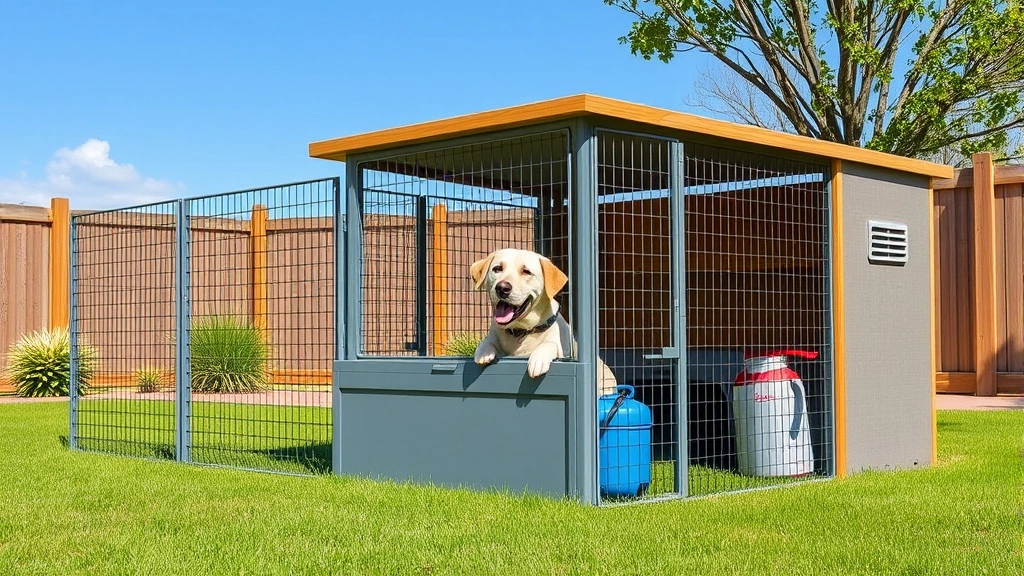
Rust prevention is an ongoing battle in humid climates. Inspect regularly for rust spots, peeling paint, or corroded welds. A quality kennel shouldn’t need constant repairs, but seasonal maintenance (especially before winter) keeps it in tip-top shape. Budget for occasional touch-ups with rust-preventative spray.
Temperature Control and Seasonal Adjustments
Outdoor dog kennels need to accommodate temperature swings. In hot climates, ensure adequate shade and consider adding a misting system or providing frozen water bowls. In cold regions, insulated dog houses within the kennel are essential—your pup shouldn’t be shivering while you’re sipping hot cocoa inside.
Some kennels come with removable panels or adjustable covers that let you customize protection seasonally. This flexibility is clutch if you live somewhere with dramatic weather changes. Never leave a dog in an outdoor kennel during extreme heat or cold without proper shelter and climate control.
Top Features That Make Kennels Worth the Investment
The best outdoor dog kennels include features like large dog doors that connect to indoor spaces, allowing your pup to transition freely between inside and outside. Built-in feeders and water stations eliminate the need for constant trips outside. Some premium models include separate run areas and shelter zones, giving your dog options.
Look for models with tool-free assembly (unless you enjoy spending Saturday afternoons with an Allen wrench), welded corners that resist bending, and lockable gates that prevent accidental openings. Removable panels are a game-changer for cleaning and reconfiguring the space as your dog’s needs change.
Budget-Friendly vs. Premium Options
You don’t need to sell a kidney for a quality kennel. Budget options ($300-600) work fine for small dogs and temporary setups, but expect to replace them in 3-5 years. Mid-range kennels ($600-1,500) offer solid durability and decent features for most dog owners. Premium options ($1,500+) include custom sizing, superior materials, and integrated shelter systems that last 10+ years.
Think of it as an investment in your dog’s safety and your peace of mind. A cheap kennel that collapses or rusts out quickly isn’t a bargain—it’s a liability. Compare warranties carefully; reputable manufacturers back their products with 5-10 year guarantees.
Compatibility With Your Home Setup
Consider how the kennel fits into your existing yard layout. Does it need to connect to a large dog door for seamless indoor-outdoor access? Will it clash with your landscaping, or can you integrate it naturally? Some kennels come in different colors or styles that look less industrial than traditional chain-link.
Measure your yard carefully, accounting for gates, fences, and utility lines. You might need to remove landscaping or adjust existing structures. If you’re renting, check with your landlord before installing permanent concrete footings. Some portable kennel options work better for temporary setups.
Best Practices for Using Outdoor Dog Kennels
Never use a kennel as punishment or long-term confinement. These are outdoor spaces for supervised time, not all-day lockups. Most dogs shouldn’t spend more than 4-6 hours in a kennel without human interaction or access to indoor space. Always provide fresh water, shade, and shelter regardless of season.
Rotate your dog’s time—outdoor kennel time shouldn’t replace walks, playtime, or training. Use it for supervised yard time while you’re gardening, working from home, or keeping an eye on things. Check on your pup regularly, especially during extreme weather. A kennel is a tool for safety and enrichment, not a substitute for responsible pet ownership.
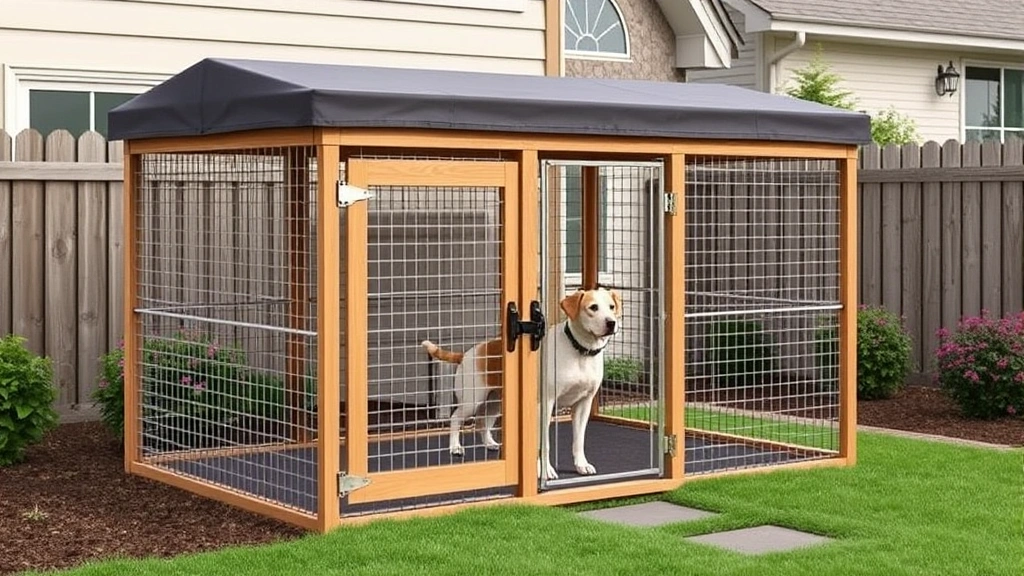
Frequently Asked Questions
Are outdoor dog kennels cruel?
Not at all—when used properly. Outdoor dog kennels provide safe outdoor time and mental stimulation. The key is moderation and proper care. Your dog shouldn’t live in a kennel 24/7, but a few hours of supervised outdoor time is healthy and enriching. Think of it like a playpen for kids—useful when used appropriately, problematic when abused.
Can I leave my dog in an outdoor kennel overnight?
Depends on the climate and your dog’s age. Adult dogs with proper shelter can handle cool nights, but never leave dogs in extreme heat or cold. Puppies and senior dogs are more vulnerable to temperature changes. Always provide insulated shelter, fresh water, and monitor weather conditions. In hot climates, overnight outdoor kennels aren’t recommended without climate control.
What size kennel do I need for a large breed?
Minimum 10×10 feet for a single large dog, though 10×20 is better. Kangal dogs and other giant breeds benefit from even larger setups. The rule is: bigger is always better. Your dog should have room to run, play, and stretch without feeling cramped.
How often should I clean the kennel?
Weekly cleaning is standard, but daily spot-cleaning of poop and soiled bedding is essential. In hot, humid climates, more frequent cleaning prevents bacterial growth and odor. A well-designed kennel with proper drainage makes cleaning easier and faster.
Can outdoor dog kennels prevent escape?
Quality kennels with proper installation and anchoring are highly effective at preventing escapes. However, determined dogs can sometimes find ways out. Ensure no gaps, use dig-proof flooring if needed, and consider the height—most dogs can’t clear a 6-foot fence. Double-latch gates add extra security.
What’s the difference between a kennel and a run?
A kennel typically includes shelter (a dog house), while a run is just an enclosed outdoor space. Many outdoor dog kennels combine both elements. Runs are good for active outdoor time, while full kennels with shelter are better for extended periods or unpredictable weather.
Conclusion: Finding Your Perfect Outdoor Dog Kennel Setup
Outdoor dog kennels are an excellent investment for responsible pet owners who want to provide safe outdoor enrichment. Whether you choose a budget-friendly option or a premium setup, the key is selecting something durable, appropriately sized, and properly maintained. Your dog deserves a space that’s secure, comfortable, and weather-protected.
Don’t cheap out on this purchase—your pup’s safety is worth it. Look for quality materials, proper ventilation, shade protection, and easy maintenance. Remember that a kennel is a tool for supervised outdoor time and enrichment, not a replacement for walks, training, and human interaction. With the right setup and responsible usage, outdoor dog kennels give your furry friend the best of both worlds: outdoor freedom and complete safety.
Ready to upgrade your backyard? Start by measuring your space, assessing your dog’s needs, and comparing options in your budget range. Your dog will be enjoying fresh air and sunshine in no time.





