

As pet owners, we often find ourselves questioning whether certain human foods are safe for our canine companions. One fruit that frequently sparks curiosity is the lemon – that bright, citrusy staple found in most kitchens. While lemons offer numerous health benefits for humans, the question remains: can dogs enjoy lemons safely?
The relationship between dogs and citrus fruits is complex and requires careful consideration. Unlike some human foods that are clearly toxic to dogs, lemons exist in a gray area that demands a nuanced understanding. This comprehensive guide will explore the safety aspects, potential risks, and everything you need to know about dogs and lemons.
Understanding Lemon Toxicity in Dogs
The short answer to whether dogs can eat lemons is no – lemons are not safe for dogs and should be avoided entirely. According to the American Society for the Prevention of Cruelty to Animals (ASPCA), lemons contain compounds that can be toxic to dogs when consumed in sufficient quantities.
Unlike humans who can process citric acid effectively, dogs have different metabolic pathways that make them more susceptible to the negative effects of citrus fruits. The toxicity level varies depending on the size of the dog, the amount consumed, and which part of the lemon was ingested. The peel, seeds, and pith contain higher concentrations of toxic compounds compared to the flesh.
While a small accidental lick of lemon juice might not cause severe harm to a large dog, it’s important to understand that even small amounts can cause digestive upset. For smaller dogs or puppies, even minimal exposure can lead to more serious complications. This is why it’s crucial to understand can dogs eat lemons and the associated risks.
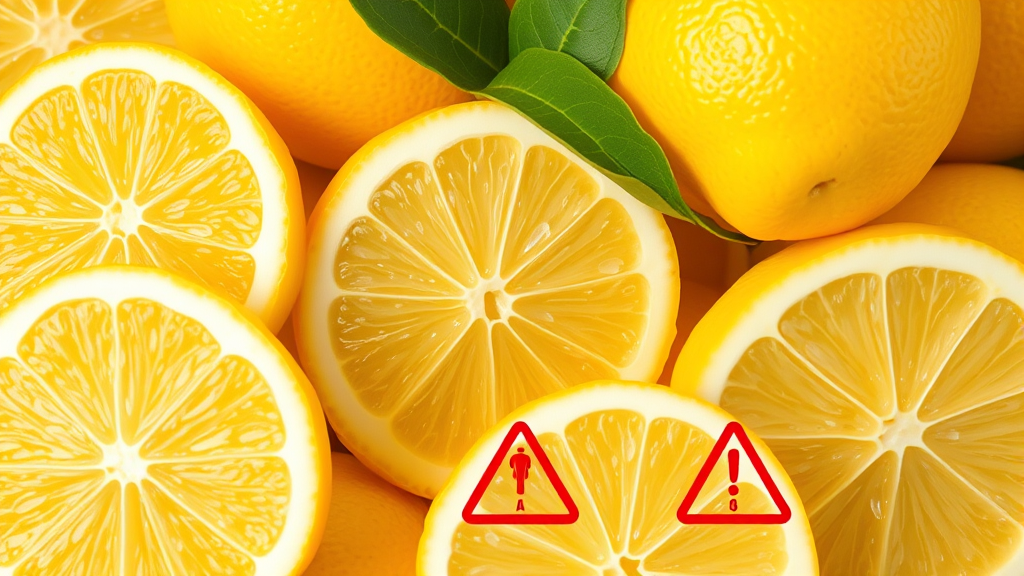
Chemical Compounds That Affect Dogs
Lemons contain several compounds that make them unsuitable for canine consumption. The primary concern lies in the essential oils found throughout the fruit, particularly in the peel and leaves. These oils contain compounds called psoralens and limonene, which can cause photosensitivity and digestive issues in dogs.
Citric acid, while not as dangerous as other compounds, can still cause stomach irritation and upset in dogs. The National Center for Biotechnology Information has documented cases where excessive citric acid consumption in animals led to gastrointestinal distress and electrolyte imbalances.
The concentration of these compounds is highest in the peel and white pith of the lemon. This is why dogs who chew on whole lemons or lemon peels are at higher risk for toxicity than those who might accidentally consume a small amount of lemon juice. Essential oils can be absorbed through the skin and mucous membranes, making even external contact potentially problematic for sensitive dogs.
Symptoms of Lemon Exposure
Recognizing the signs of lemon toxicity in dogs is crucial for prompt treatment. Symptoms can range from mild gastrointestinal upset to more severe neurological effects, depending on the amount consumed and the individual dog’s sensitivity. The American Veterinary Medical Association lists several warning signs pet owners should watch for.
Mild symptoms typically include vomiting, diarrhea, drooling, and loss of appetite. These usually appear within a few hours of consumption and may resolve on their own if only small amounts were ingested. However, more severe symptoms can include lethargy, difficulty walking, tremors, and in extreme cases, collapse or seizures.
Skin-related symptoms may also occur, particularly if the dog came into contact with lemon essential oils. These can include redness, itching, or photosensitivity reactions when exposed to sunlight. Similar reactions can occur with other citrus fruits, which is why it’s important to understand whether can dogs eat grapefruit and other citrus varieties.
If you notice any of these symptoms after suspected lemon exposure, it’s important to contact your veterinarian immediately. Early intervention can prevent more serious complications and ensure your dog receives appropriate treatment.

Safe Citrus Alternatives for Dogs
While lemons are off-limits, dog owners often wonder about other citrus fruits. The general rule is that most citrus fruits should be avoided, though some may be less toxic than others. Understanding the safety profile of various citrus fruits helps pet owners make informed decisions about their dog’s diet.
Oranges, for example, contain similar compounds to lemons but in lower concentrations. While still not recommended, small amounts of orange flesh (without peel, seeds, or pith) are less likely to cause severe reactions. However, questions like can dogs eat mandarin oranges or can dogs have mandarin oranges still require caution.
For pet owners looking for safe, vitamin C-rich alternatives, consider dog-friendly fruits like blueberries, strawberries, or apple slices (without seeds). These provide nutritional benefits without the risks associated with citrus fruits. The American Kennel Club provides comprehensive lists of safe and unsafe fruits for dogs.
When considering any new food for your dog, it’s always best to consult with your veterinarian first. They can provide personalized advice based on your dog’s size, health status, and dietary needs.
What to Do If Your Dog Eats Lemon
If your dog has consumed lemon, quick and appropriate action is essential. The first step is to assess the situation: determine how much was consumed, which parts of the lemon were eaten, and when the consumption occurred. This information will be crucial when speaking with your veterinarian or pet poison control.
Remove any remaining lemon pieces from your dog’s reach and check their mouth for any remaining fruit. Do not attempt to induce vomiting unless specifically instructed by a veterinary professional, as this can sometimes cause more harm than good. The decision to induce vomiting in dogs should always be made by qualified professionals.
Contact your veterinarian or the ASPCA Animal Poison Control Center immediately. They can provide specific guidance based on your dog’s size, the amount consumed, and current symptoms. Keep your dog calm and monitor them closely for any developing symptoms.
Provide your veterinarian with as much detail as possible, including your dog’s weight, the estimated amount of lemon consumed, the time of consumption, and any symptoms you’ve observed. This information helps them determine the appropriate treatment protocol.
Prevention and Safety Tips
Prevention is always better than treatment when it comes to protecting your dog from potential toxins. Creating a safe environment involves understanding which foods pose risks and taking steps to keep them away from curious canines. This knowledge extends beyond lemons to other potentially harmful foods like understanding why can’t dogs have chocolate.
Store citrus fruits in closed cabinets or high shelves where dogs cannot access them. Be particularly careful during cooking or food preparation when fruits might be left on counters. Train family members, especially children, about which foods are unsafe for dogs and the importance of not sharing human food with pets.
Consider the outdoor environment as well. If you have citrus trees in your yard, regularly clean up fallen fruit and monitor your dog during outdoor time. Some dogs are naturally curious and may investigate or chew on anything they find, making supervision crucial.
Educate yourself about other foods that pose similar risks. Questions like can dog eat orange or can dogs have clementines are common, and having comprehensive knowledge helps you make quick decisions in various situations.
The FDA’s Center for Veterinary Medicine provides additional resources for pet food safety that can help you create a comprehensive safety plan for your home.
Frequently Asked Questions
Can a small amount of lemon juice hurt my dog?
Even small amounts of lemon juice can cause digestive upset in dogs, including vomiting and diarrhea. While it may not be life-threatening for larger dogs, it’s still not recommended. Smaller dogs and puppies are at higher risk for more severe reactions even from minimal exposure. If your dog accidentally consumes lemon juice, monitor them closely and contact your veterinarian if any symptoms develop.
Are lemon peels more dangerous than lemon flesh?
Yes, lemon peels are significantly more dangerous than the flesh. The peel contains the highest concentration of essential oils, including limonene and psoralens, which are the primary toxic compounds. The white pith under the peel is also highly concentrated with these substances. Dogs who chew on lemon peels are at much higher risk for toxicity than those who might consume only small amounts of flesh.
What should I do if my dog ate a whole lemon?
If your dog consumed a whole lemon, contact your veterinarian or pet poison control immediately. This is considered a significant exposure that requires professional medical attention. Do not wait for symptoms to appear, and don’t attempt to treat the situation at home. Provide your veterinarian with details about your dog’s size, when the consumption occurred, and any symptoms you observe. Know what to do if dog eats chocolate as emergency protocols are similar for various toxic food exposures.
Can lemon essential oils harm my dog?
Yes, lemon essential oils can be harmful to dogs both through ingestion and skin contact. These concentrated oils contain high levels of compounds that dogs cannot process effectively. Diffusing lemon essential oils in areas where dogs spend time can cause respiratory irritation, and direct contact can lead to skin reactions. Always use pet-safe cleaning products and avoid essential oil diffusers in areas accessible to your pets.
Are there any citrus fruits that are safe for dogs?
While no citrus fruits are considered completely safe for dogs, some may be less toxic than others. However, veterinarians generally recommend avoiding all citrus fruits to prevent any risk of adverse reactions. If you’re looking for vitamin C sources for your dog, consider dog-safe alternatives like blueberries, strawberries, or specially formulated dog supplements recommended by your veterinarian.
How long do symptoms of lemon toxicity last in dogs?
The duration of symptoms depends on the amount consumed, the dog’s size, and how quickly treatment is provided. Mild gastrointestinal symptoms may resolve within 24-48 hours with appropriate supportive care. More severe cases involving neurological symptoms or significant toxicity may require several days of treatment and monitoring. Early intervention typically leads to better outcomes and shorter recovery times.
Can puppies be more sensitive to lemon toxicity?
Yes, puppies are generally more sensitive to lemon toxicity due to their smaller size, developing immune systems, and less efficient metabolic processes. What might cause mild symptoms in an adult dog could result in severe reactions in a puppy. Additionally, puppies are more likely to explore and chew on things they shouldn’t, making prevention even more critical. If a puppy consumes any amount of lemon, seek veterinary attention immediately regardless of the quantity.





