
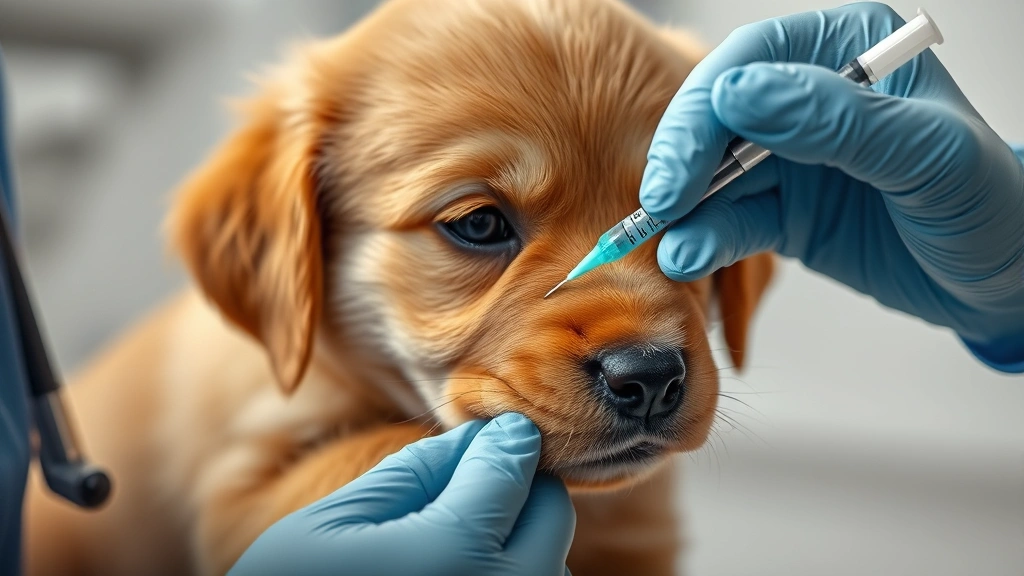
Parvo immunization dogs is literally the difference between a healthy, bouncing puppy and one fighting for their life in a vet’s ICU. I’m not being dramatic here—canine parvovirus is absolutely brutal, and it kills puppies with terrifying speed. But here’s the good news: it’s almost entirely preventable with proper vaccination. Let’s talk about how to protect your furry best friend from this nasty virus.
Table of Contents
- What Exactly Is Canine Parvovirus Anyway?
- Understanding the Parvo Vaccine Schedule for Puppies
- Why Multiple Shots? The Maternal Antibody Problem
- The Two Types of Parvovirus Vaccines Explained
- Combination Vaccines: Parvo Plus Other Protection
- Potential Side Effects: What’s Normal and What’s Not
- Protecting Unvaccinated Puppies Before Full Immunization
- Adult Dogs and Booster Shots: Keeping Immunity Strong
- Dietary Support During and After Vaccination
- Special Situations: Rescue Dogs and Unknown Vaccination Histories
- When NOT to Vaccinate: Medical Contraindications
- Frequently Asked Questions
- Summary: Protecting Your Puppy From Parvo
What Exactly Is Canine Parvovirus Anyway?
Canine parvovirus (CPV) is a highly contagious viral disease that attacks a dog’s gastrointestinal system and sometimes their heart. It spreads through direct contact with infected dogs or contaminated feces, and this stuff is tough—it can survive on surfaces for months. Puppies under 16 weeks are most vulnerable because their immune systems are basically babies themselves. The virus causes severe vomiting, bloody diarrhea, and dehydration that can kill a puppy within 48-72 hours if left untreated. That’s why parvo immunization dogs through vaccination is non-negotiable.
Understanding the Parvo Vaccine Schedule for Puppies
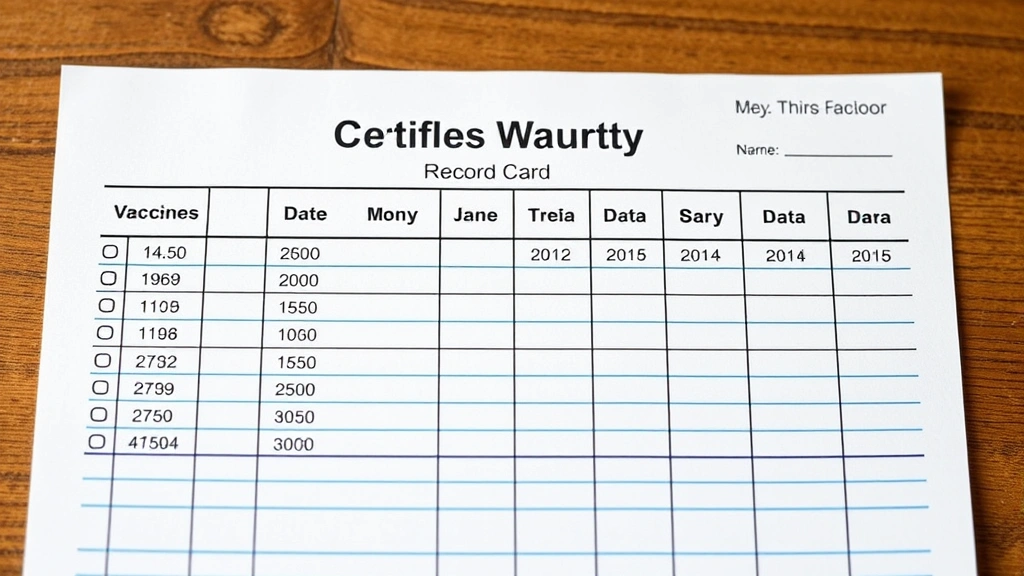
Here’s where parvo immunization dogs gets specific: puppies need a series of shots, not just one and done. Most vets recommend starting the parvovirus vaccine at 6-8 weeks of age, then boosters every 3-4 weeks until the puppy is 16 weeks old. So that’s typically three to four shots spread out over about two months. After that initial series, your dog gets a booster at one year, then every three years after that (though some vets recommend every year—talk to yours about their protocol). According to the American Kennel Club (AKC), this schedule is the gold standard for protecting puppies during their most vulnerable window.
Why Multiple Shots? The Maternal Antibody Problem
You might wonder why puppies need so many parvo immunization dogs shots. The culprit? Maternal antibodies. When puppies nurse from their mother, they get protective antibodies through her milk. These are amazing for the first few weeks, but they also interfere with the vaccine’s effectiveness. So your vet has to time the shots to hit that sweet spot when maternal antibodies fade but before the puppy loses protection. It’s like a game of immunological Goldilocks—not too early, not too late, juuust right. This is why skipping doses or spacing them wrong can leave your puppy vulnerable.
The Two Types of Parvovirus Vaccines Explained
When discussing parvo immunization dogs, you’ll encounter two main vaccine types: modified live virus (MLV) and inactivated (killed) virus vaccines. MLV vaccines use a weakened form of the virus to stimulate immunity—they’re potent and provide quick protection. Inactivated vaccines use killed virus and are gentler but sometimes require more frequent boosters. Most puppies do great with MLV vaccines, but if your pup has health issues, your vet might recommend the inactivated version instead. Either way, you’re getting solid protection against this killer virus.
Combination Vaccines: Parvo Plus Other Protection
Here’s a practical reality: vets rarely give a parvo-only vaccine. Instead, parvo immunization dogs typically happens through combination vaccines like DHPP (Distemper, Hepatitis, Parvo, Parainfluenza) or DAPP. These combo shots protect against multiple diseases in one injection, which means fewer needles and less trauma for your puppy. It’s efficient, and honestly, it’s the standard of care. Your puppy gets protected against four serious diseases with one shot—that’s a win in my book.
Potential Side Effects: What’s Normal and What’s Not
Let’s be real—some puppies feel a little rough after parvo immunization dogs shots. Common mild side effects include soreness at the injection site, slight fever, or temporary lethargy. Most puppies bounce back within 24 hours. You might notice your pup is more lethargic than usual, and that’s typically fine. However, serious reactions like facial swelling, difficulty breathing, or persistent vomiting warrant an immediate vet visit. Severe allergic reactions are rare but possible, so keep your vet’s number handy on vaccination day.
Protecting Unvaccinated Puppies Before Full Immunization
Here’s the scary part: puppies aren’t fully protected until they complete their vaccination series at 16 weeks. Until then, you need to be paranoid about exposure. Keep your puppy away from dog parks, pet stores, and areas where unknown dogs frequent. Don’t let them touch other dogs’ poop or contaminated surfaces. Wash your hands and change your clothes after visiting other dogs’ homes. I know it sounds extreme, but parvovirus is serious business. This temporary isolation period is essential for keeping your puppy safe during their vulnerable window.
Adult Dogs and Booster Shots: Keeping Immunity Strong
Once your puppy completes their initial series, parvo immunization dogs continues with regular boosters. Your adult dog needs a parvovirus booster at one year of age, then every three years according to most guidelines (though some vets recommend annual boosters—check with yours). Keeping up with these boosters is crucial because immunity does wane over time. A quick booster shot is infinitely cheaper and easier than treating a case of parvo, which can cost $1,000-$5,000 in veterinary care. Plus, PetMD notes that even with treatment, parvovirus has a mortality rate of 5-10% in treated dogs—prevention is absolutely the way to go.

Dietary Support During and After Vaccination
Your puppy’s nutrition plays a supporting role in immune response. While you’re managing parvo immunization dogs through vaccines, make sure your pup is eating quality food. If you’re wondering about specific brands, Natural Balance and Fromm are both solid choices that support immune function. Some puppies experience mild diarrhea after vaccination, so stick with their regular food and avoid switching brands right after shots. Good nutrition supports their immune system’s response to the vaccine.
Special Situations: Rescue Dogs and Unknown Vaccination Histories
If you’ve adopted a rescue dog with an unknown vaccination history, parvo immunization dogs becomes trickier. Your vet might recommend starting a fresh vaccination series or doing titer testing to check for existing immunity. Don’t assume the dog is protected just because they’re older—many shelter dogs have incomplete vaccination records. It’s worth the peace of mind and the cost of titer tests to know your dog’s actual immunity status. Better safe than sorry when it comes to this nasty virus.
When NOT to Vaccinate: Medical Contraindications
While parvo immunization dogs is essential, there are rare situations where vaccination should be delayed. If your puppy is actively sick with fever, vomiting, or severe diarrhea, your vet will likely postpone vaccination until they’re healthy. Immunocompromised puppies or those with certain genetic conditions might need alternative protocols. Always discuss your individual puppy’s health with your vet—they’ll customize the vaccination plan if needed. Never skip vaccination without professional guidance, but do communicate any health concerns.
Frequently Asked Questions
Can my puppy get parvo even after vaccination?
It’s extremely rare, but technically possible. Vaccinated dogs have excellent protection, but no vaccine is 100% effective. If a vaccinated dog does contract parvo, their symptoms are usually much milder and they’re more likely to recover. This is why completing the full vaccination series is so important—it builds strong immunity.
How much does parvo vaccination cost?
Parvo vaccines are typically inexpensive, usually $15-$30 per shot as part of a combination vaccine. Compare that to the $1,000-$5,000 cost of treating parvo, and vaccination is an absolute bargain. Most pet insurance plans cover preventive care, so check your policy.
Is there any risk of my dog getting parvo from the vaccine itself?
No. Modern vaccines use either weakened or killed virus, not live infectious virus. They cannot cause parvo. The vaccine trains your dog’s immune system to recognize and fight the real virus without causing disease.
What should I do if my vaccinated dog shows parvo symptoms?
Contact your vet immediately. While rare, vaccinated dogs can still contract parvo, though symptoms are usually milder. Early treatment dramatically improves survival rates. Don’t wait—parvo moves fast.
Can adult dogs skip booster shots if they were vaccinated as puppies?
No. Immunity wanes over time, which is why boosters are necessary. Skipping boosters leaves your dog vulnerable to infection, especially as they age. Keep those appointments!
Does my indoor dog still need parvo vaccination?
Absolutely. Parvovirus can be tracked in on shoes, clothing, and hands. You could unknowingly bring it home. Plus, accidents happen—gates get left open, leashes break. Vaccination protects your dog regardless of lifestyle.
Summary: Protecting Your Puppy From Parvo
Parvo immunization dogs through vaccination is one of the most important health decisions you’ll make as a dog owner. The virus is deadly, but it’s also completely preventable with a simple, affordable vaccine series. Start your puppy on the proper vaccination schedule at 6-8 weeks, complete the full series by 16 weeks, and maintain regular boosters throughout their life. Keep unvaccinated puppies away from potential exposure during their vulnerable window. Watch for any unusual reactions after vaccination, but don’t let fear of side effects prevent you from vaccinating—serious reactions are rare, and the disease is far worse. Talk to your vet about the best vaccination protocol for your individual puppy, especially if they have any health concerns. In the end, a few needle sticks and a small financial investment now can save your puppy’s life and spare you the heartbreak of watching them battle this brutal virus. Your future self will thank you for being proactive.





