

Peanut butter for dogs is one of those treats that makes tails wag faster than a metronome at a rock concert. But before you go slathering it on everything, we need to talk about what makes it safe, what doesn’t, and which brands won’t send your pup to the vet faster than you can say “xylitol poisoning.”
Table of Contents
- Is Peanut Butter Safe for Dogs?
- The Xylitol Nightmare: What Every Dog Owner Must Know
- Best Peanut Butter Brands for Dogs
- Nutritional Benefits of Peanut Butter for Dogs
- How to Safely Give Peanut Butter to Your Dog
- Peanut Butter for Dog Training & Enrichment
- Homemade Peanut Butter Dog Treats
- Signs Your Dog Has Eaten Dangerous Peanut Butter
- Peanut Butter Alternatives for Dogs
- Common Peanut Butter Myths Debunked
- Frequently Asked Questions
- Final Thoughts: Peanut Butter for Dogs Done Right
Is Peanut Butter Safe for Dogs?
The short answer? Yes, most peanut butter is safe for dogs in moderation. Dogs love the stuff because it’s fatty, protein-packed, and tastes like heaven in a jar. However, not all peanut butter is created equal, and some brands contain ingredients that are genuinely dangerous. Plain, unsalted peanut butter without added sweeteners is the golden standard. Your vet will likely give you the thumbs up for occasional peanut butter treats, but there’s a catch—and it’s a big one we’ll dive into shortly.
The Xylitol Nightmare: What Every Dog Owner Must Know
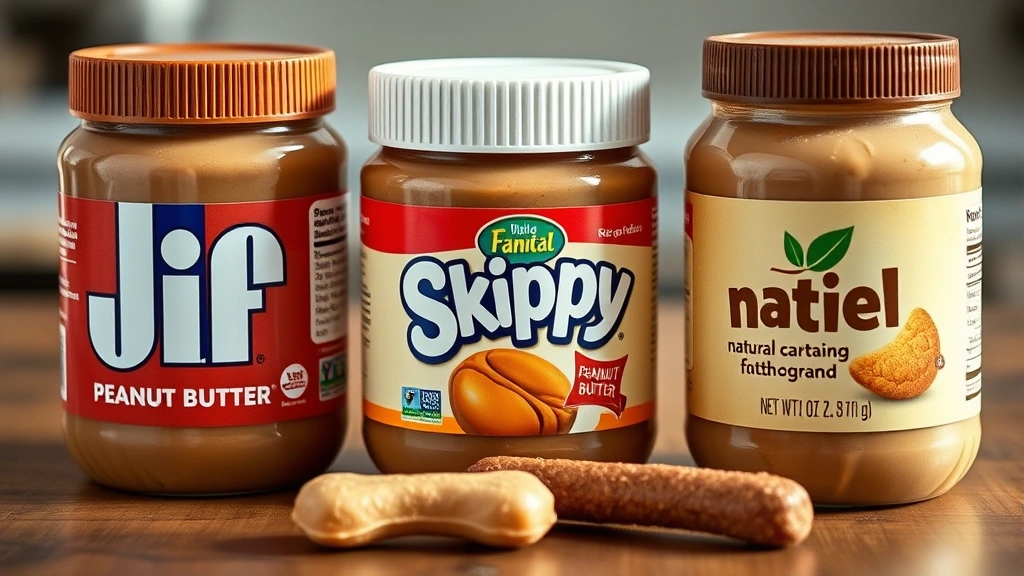
Here’s where things get serious. Some peanut butter brands use xylitol, an artificial sweetener that’s toxic to dogs. We’re talking potentially fatal toxic. Even small amounts can cause rapid insulin release, leading to severe hypoglycemia, liver damage, and death. Brands like Skippy, Jif, and Peter Pan’s regular varieties are generally safe, but always—and we mean always—check the ingredient list. If you see xylitol listed anywhere, keep that jar away from your furry friend like it’s a bottle of antifreeze.
According to the Association of American Feed Control Officials, pet food safety standards require clear labeling, but individual treat ingredients aren’t always as strictly regulated. This is why reading labels matters more than your dog’s ability to beg.
Best Peanut Butter Brands for Dogs
Not all peanut butter is created equal when it comes to your canine companion. Here are the safest options:
Jif Creamy & Extra Crunchy: No xylitol, widely available, and most dogs go absolutely bonkers for it. Just stick with the classic versions.
Skippy: Another safe choice without xylitol in their traditional lines. Creamy works better for Kong stuffing than crunchy.
Adams: Natural peanut butter with minimal ingredients. Great for dogs with sensitive stomachs, though you’ll need to stir the oil back in.
Barrington Naturals: Specifically marketed for dogs, made without xylitol, salt, or sugar. Premium pricing but peace of mind included.
Buddy Biscuits Peanut Butter Treats: Pre-portioned and vet-approved, these eliminate the guesswork entirely.
Nutritional Benefits of Peanut Butter for Dogs
When given responsibly, peanut butter packs some legitimate nutritional punch. It’s loaded with protein, healthy fats, vitamin E, and magnesium. These nutrients support coat health, brain function, and overall wellness. A tablespoon or two occasionally won’t hurt your dog’s diet—it might even help. Think of it as a supplement that tastes like a reward rather than medicine.
The fat content does mean it’s calorie-dense, so moderation is key. For a 50-pound dog, a tablespoon is plenty. For a 10-pound Chihuahua, a teaspoon is the max. Overfeeding leads to obesity, and obesity in dogs leads to joint problems, diabetes, and shortened lifespans.
How to Safely Give Peanut Butter to Your Dog
The safest approach is treating peanut butter like the special occasion snack it should be. Here are the golden rules:
Portion Control: Stick to the 10% rule—treats should make up no more than 10% of your dog’s daily caloric intake. If your dog eats 1,000 calories daily, peanut butter should contribute only 100 calories max.
Check the Label Twice: Seriously. Read it like you’re defusing a bomb. Xylitol, sugar, salt, and palm oil are the enemies.
Introduce Slowly: Even safe peanut butter can cause digestive upset if introduced too quickly. Start with a tiny amount and monitor for diarrhea or vomiting.
Avoid the Roof-of-Mouth Stick: While hilarious to watch, that sticky situation can be uncomfortable for your dog and potentially dangerous if they aspirate.
Peanut Butter for Dog Training & Enrichment
Beyond just being a treat, peanut butter for dogs serves practical purposes in training and mental stimulation. Stuff it in a Kong, freeze it, and you’ve got an enrichment toy that keeps your dog occupied for hours. This is especially valuable for anxious dogs or those dealing with separation anxiety. The effort required to lick it out provides mental engagement and reduces destructive behavior.
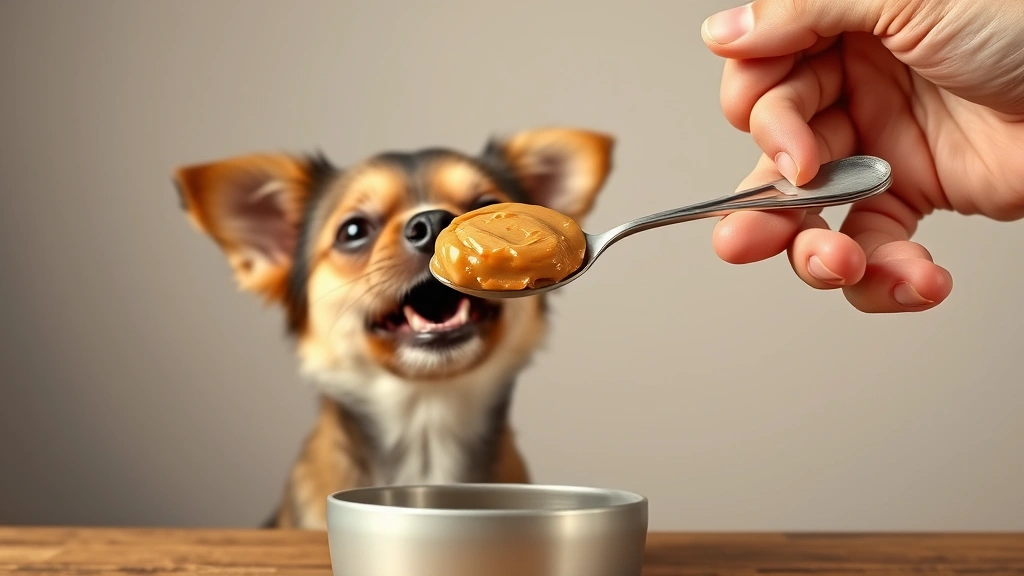
For training, a tiny dab on your finger works as a high-value reward for stubborn learners. Some trainers swear by it for teaching “sit” or “stay” to dogs who otherwise couldn’t care less about kibble.
Homemade Peanut Butter Dog Treats
If you want total control over ingredients, making your own treats is surprisingly simple. Mix natural peanut butter with oat flour, add a mashed banana, roll into balls, and bake at 350°F for 10 minutes. Your dog gets a healthy snack, and you get the satisfaction of being a good pet parent. No xylitol, no mystery ingredients, no worries.
You can also combine peanut butter with pumpkin puree (which aids digestion), sweet potato, or plain yogurt for variety. Just keep the peanut butter as the minor ingredient, not the main event.
Signs Your Dog Has Eaten Dangerous Peanut Butter
If your dog accidentally consumed peanut butter with xylitol, symptoms appear quickly—sometimes within 30 minutes. Watch for vomiting, lethargy, loss of coordination, seizures, or collapse. If you suspect xylitol poisoning, contact your vet or ASPCA Animal Poison Control immediately. This is a genuine emergency, not something to wait out.
Peanut Butter Alternatives for Dogs
If you want to give treats similar to peanut butter but with different nutritional profiles, consider sunflower seed butter (similar taste, no choking hazard for some dogs), tahini (sesame seed paste, more mineral-rich), or almond butter (though some dogs are sensitive). Always check these for xylitol too. You might also explore plain yogurt for a protein boost or tofu-based treats for variety.
Common Peanut Butter Myths Debunked
“Peanut butter is toxic to all dogs.” False. Only xylitol-containing varieties are dangerous. “Natural peanut butter is always safer.” Not necessarily—some natural brands still contain problematic ingredients. Check labels regardless. “A little bit never hurt anyone.” True, but “a little bit” is the operative phrase. Regular, excessive consumption leads to obesity and pancreatitis.
According to PetMD, pancreatitis in dogs often correlates with high-fat diet incidents, making moderation genuinely important.
Frequently Asked Questions
Can puppies eat peanut butter?
Yes, but in even smaller amounts than adult dogs. Their digestive systems are still developing, so introduce it gradually and in tiny portions. Avoid it entirely until they’re at least 8 weeks old.
Is peanut butter good for dogs with allergies?
Sometimes. Peanut allergies in dogs are less common than chicken or beef allergies, but they exist. If your dog has food sensitivities, introduce peanut butter cautiously and monitor for itching, vomiting, or diarrhea. When in doubt, ask your vet before offering new foods.
How much peanut butter can a dog eat daily?
For most dogs, one tablespoon daily maximum is safe. Smaller dogs should stick to a teaspoon. Remember, this counts toward their daily caloric intake, so adjust meals accordingly to prevent weight gain.
Can dogs eat peanut butter with honey?
Yes, honey is safe for dogs and adds nutritional value. However, honey is high in sugar, so this combination should be an occasional treat, not a regular thing. Watch for signs of pancreatitis or weight gain.
What’s the difference between natural and conventional peanut butter for dogs?
Natural peanut butter has fewer additives and no hydrogenated oils, making it slightly healthier. However, both types are safe as long as they contain no xylitol. Natural varieties often separate (oil on top), requiring stirring, which some owners find inconvenient.
Is creamy or crunchy better for dogs?
Creamy is generally safer because chunky pieces pose a minor choking risk, though most dogs handle crunchy fine. For Kong stuffing or elderly dogs with dental issues, creamy is the smarter choice.
Final Thoughts: Peanut Butter for Dogs Done Right
Peanut butter for dogs can absolutely be part of a healthy, happy life—if you’re smart about it. Read those labels, avoid xylitol like it’s your enemy (because it is), and keep portions reasonable. Your dog’s love for this creamy treat is real, but your responsibility to keep them safe is more important than their momentary joy. Use peanut butter as an occasional reward, a training tool, or a Kong filler, and you’ll have a thriving pup who gets to enjoy one of life’s simple pleasures. Just make sure it’s the right peanut butter, in the right amount, at the right time. Your dog will thank you—probably by licking your face until you’re covered in peanut butter residue.





