
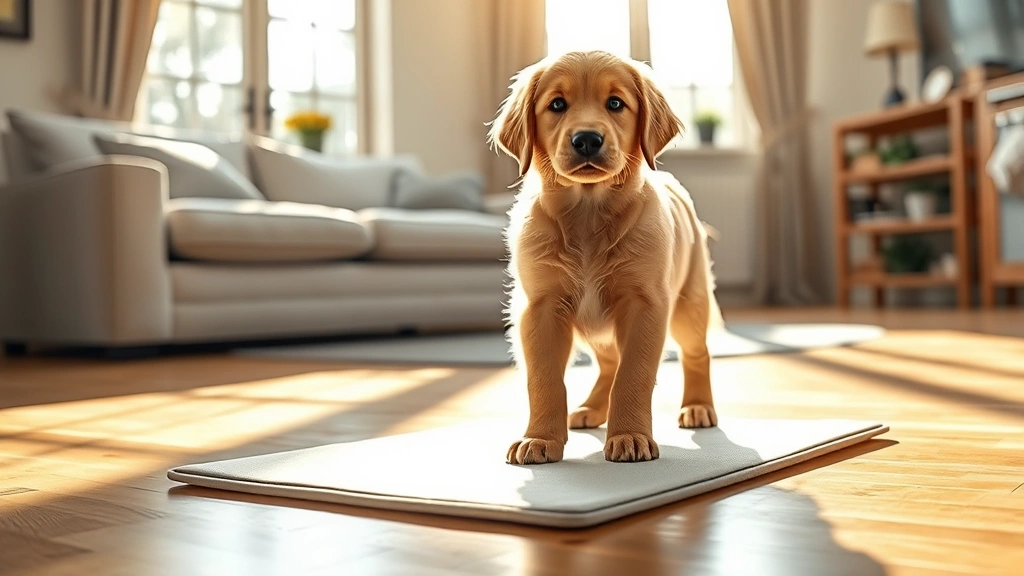
Let’s be real—pee pads for dogs are basically the unsung heroes of puppy parenthood. Whether you’ve got a new furry friend who hasn’t quite mastered the whole “outside bathroom” concept, or you’re dealing with an aging pup whose bladder control has taken a nosedive, these absorbent mats are lifesavers. We’re talking about keeping your hardwood floors pristine, your carpets unstained, and your sanity intact. In this guide, we’ll break down everything you need to know about choosing the right puppy training pads and explore some of the best options on the market.
Table of Contents
- What Are Pee Pads and Why Do Dogs Need Them?
- Types of Dog Pee Pads: Finding Your Perfect Match
- The Top 10 Best Pee Pads for Dogs on the Market
- How to Train Your Dog to Use Pee Pads Effectively
- Pee Pads vs. Crate Training: Which Approach Works Best?
- Managing Odor: Keeping Your Home Fresh
- Choosing the Right Size and Quantity for Your Dog
- Environmental and Health Considerations
- Pro Tips for Pee Pad Success
- Transitioning Away From Pee Pads
- Budget Considerations: Disposable vs. Reusable
- Common Mistakes to Avoid
- The Connection Between Pee Pads and Overall Dog Training
- When to Consult a Veterinarian
- Frequently Asked Questions
- Final Thoughts: Making the Right Choice for Your Pup
What Are Pee Pads and Why Do Dogs Need Them?
Pee pads for dogs are absorbent mats designed to catch accidents before they destroy your home. Think of them as a temporary bathroom solution while your pup learns where the actual toilet is—their designated outdoor spot. These pads work especially well for apartment dwellers, senior dogs with incontinence issues, and puppies still navigating the treacherous journey from crate to potty training success.
The magic happens in the layers. Most quality puppy training pads feature a waterproof backing (so your floors don’t become a soggy mess), an absorbent middle layer, and sometimes a top layer treated with enzymes that attract dogs to use the pad. It’s basically psychology meets practicality.
Types of Dog Pee Pads: Finding Your Perfect Match
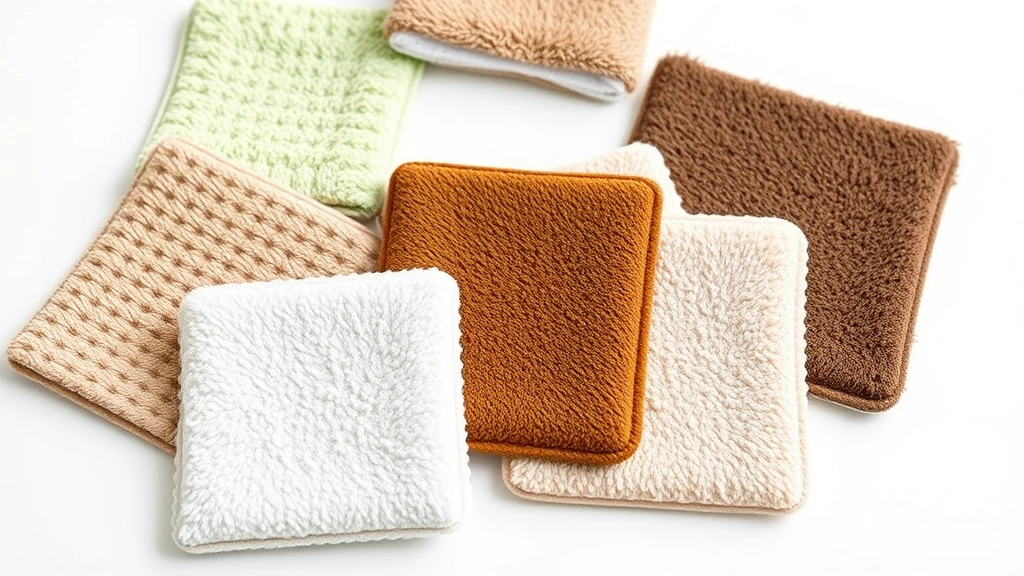
Not all pee pads for dogs are created equal. You’ve got disposable options, reusable cloth pads, and everything in between. Disposable pads are convenient—use ’em once and toss ’em. Reusable pads? They’re better for your wallet and the environment, though they require washing (and let’s be honest, that’s a chore involving some truly unpleasant laundry).
Then there’s the size factor. Standard pads measure around 22×22 inches, but if you’ve got a large breed or a particularly prolific piddler, you might want to go bigger. Some companies offer extra-large puppy training pads that cover more ground—literally.
The Top 10 Best Pee Pads for Dogs on the Market
Here are the cream of the crop when it comes to keeping your floors dry:
1. Rocco & Roxie Professional Strength Pee Pads – These disposable pads feature a five-layer system with activated charcoal to neutralize odors. They’re thicker than most competitors, making them less likely to leak through.
2. AmazonBasics Dog Pee Pads – Budget-friendly without sacrificing quality. The absorbent core locks in moisture, and they come in bulk, so you’re set for months.
3. Wee-Wee Pads by Four Paws – The OG of the industry. These pads have been around forever because they actually work. They’re treated with a scent attractant that encourages dogs to use them.
4. DoggieLawn Real Grass Pee Pads – For the eco-conscious dog parent, these pads feature real grass. Your pup gets the authentic outdoor experience without leaving your apartment. They’re delivered fresh and can be composted afterward.
5. Frisco Washable Pee Pads – Reusable and machine-washable, these are perfect if you’re committed to reducing waste. The waterproof backing prevents leaks onto your furniture.
6. Simple Solution Pee Pads – Featuring a five-layer design with odor control, these pads are reliable and widely available. They’re particularly good for senior dogs dealing with incontinence issues.
7. Puppy Pads by Medline – Originally designed for human medical use, these pads are incredibly absorbent. They’re pricier but worth it if your dog has serious accidents.
8. Laylo Dog Pee Pads – These ultra-absorbent pads feature a leak-proof backing and are treated with an attractant enzyme. They’re thicker than most, making them ideal for heavy wetters.
9. Pet Parents Washable Pee Pads – Made from bamboo fiber, these reusable pads are soft, absorbent, and eco-friendly. They’re also hypoallergenic, great for pups with sensitive skin.
10. Bamboo Pee Pads by Bamboo Pet Mats – Another sustainable option featuring genuine bamboo material. They’re antimicrobial and naturally odor-resistant.
How to Train Your Dog to Use Pee Pads Effectively
Buying the best puppy training pads is only half the battle. You’ve got to actually teach your dog to use them. Start by placing the pad in a consistent location—preferably away from their sleeping area, since dogs naturally avoid pottying where they sleep. When your pup has an accident on the pad, praise them enthusiastically. Positive reinforcement works wonders.
If accidents happen off the pad, don’t punish. Instead, clean it thoroughly with an enzymatic cleaner (not ammonia-based products, which smell like urine to dogs). Then redirect your pup to the pad. Consistency is key. Take your dog to the pad after meals, after naps, before bedtime, and whenever they show signs of needing to go (sniffing, circling, whining).
Pee Pads vs. Crate Training: Which Approach Works Best?
This is the eternal debate among dog trainers. Crate training teaches dogs to hold it longer and builds bladder control. Pee pads for dogs provide a designated bathroom spot indoors. Many experts recommend combining both methods: use a crate during the day to encourage holding it, then let your pup out to the pee pad at designated times.
For apartment dwellers without immediate outdoor access, pee pads are non-negotiable. For people with yards, crate training might be more effective long-term. The truth? Every dog is different. Some pups take to pads immediately; others need weeks of patience.
Managing Odor: Keeping Your Home Fresh
The biggest complaint about pee pads for dogs isn’t the accidents—it’s the smell. Even the best puppy training pads can get funky if not managed properly. Change pads frequently. Don’t wait until they’re completely soaked. Invest in enzymatic cleaners for accidents that happen outside the pad.
Some dog owners sprinkle baking soda on pads before use or place activated charcoal underneath. Others use odor-eliminating sprays designed specifically for pet accidents. Pro tip: if you’re using reusable pads, wash them with white vinegar to neutralize odors naturally.
Choosing the Right Size and Quantity for Your Dog
Puppy training pads come in standard and extra-large sizes. A toy breed might only need a 22×22 inch pad, but a Golden Retriever? You might want to go larger or use multiple pads. Consider your dog’s size, age, and how frequently they need to go.
As for quantity, stock up. There’s nothing worse than running out of pads at 2 AM when your pup decides to have an accident. Many online retailers offer bulk packs at discounted prices. If you’ve got a large dog or multiple pups, you might go through 5-10 pads daily during the training phase.
If you’re managing multiple dogs, you might also consider setting up a large dog door to give your pups more outdoor access, reducing reliance on pads long-term.
Environmental and Health Considerations
Disposable pee pads for dogs generate significant waste. If you’re environmentally conscious, reusable options like bamboo or washable pads are worth the extra effort. They’re also better for dogs with allergies or sensitivities to the chemicals in disposable pads.
Some pads are treated with antimicrobial agents to prevent bacterial growth. While this sounds great, it can irritate sensitive paws. Always check ingredient lists, especially if your dog has a history of skin issues. Natural, hypoallergenic options are available if needed.
Speaking of health, senior dogs dealing with incontinence often benefit from high-absorbency pads. According to the American Kennel Club, incontinence in older dogs is common and not a behavioral issue. Using quality pee pads removes stress from both dog and owner during this life stage.
Pro Tips for Pee Pad Success
Here’s what seasoned dog trainers won’t tell you: location matters more than you think. Place pads near doors or windows if possible—dogs naturally gravitate toward these spots. Rotate pad locations gradually as your pup gets older and transitions to outdoor-only potty breaks.
Use pads strategically during car rides too. If you’re worried about accidents during travel, laying down a pad in the backseat provides peace of mind. Just remember—never leave your dog unattended in a car, regardless of pad placement. Check out our guide on whether it’s illegal to leave your dog in the car for more information.
For dogs with severe anxiety or medical issues requiring frequent bathroom breaks, consider keeping pads in multiple rooms. This prevents accidents from happening simply because your pup couldn’t reach the designated pad in time.
Transitioning Away From Pee Pads
Eventually, most dogs graduate from pads to full outdoor potty training. Start by gradually moving the pad closer to the door. Once your pup consistently uses it at the threshold, move it outside. After a week of successful outdoor use, remove the pad entirely. Some dogs transition in weeks; others need months. Patience wins.
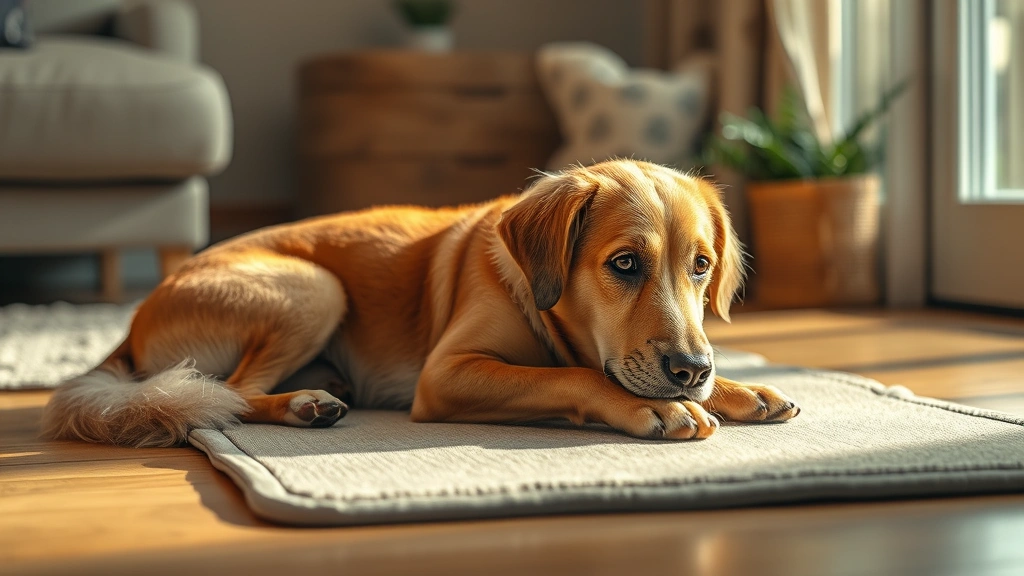
Senior dogs or those with medical conditions might never fully transition away from pads, and that’s perfectly okay. The goal is a happy, comfortable dog and a clean home—not arbitrary timelines.
Budget Considerations: Disposable vs. Reusable
Let’s talk money. Disposable pads cost roughly $0.25-0.75 per pad, depending on brand and bulk purchasing. If you’re going through 5 pads daily for 6 months, that’s $225-450 in disposable pads. Reusable options cost more upfront ($15-30 per pad) but last years with proper care, making them cheaper long-term.
Factor in your lifestyle. If you travel frequently or have limited laundry facilities, disposables make sense. If you’re home regularly and committed to sustainability, reusables are the way to go. Some dog parents use both—disposables for travel and reusables at home.
Common Mistakes to Avoid
Don’t punish accidents. Ever. It creates fear and confusion, making potty training harder. Don’t use ammonia-based cleaners on accidents—they smell like urine to dogs and encourage repeat offenses. And don’t assume your dog is being stubborn if training takes longer than expected. Every pup has their own timeline.
Also, avoid placing pads right next to your dog’s food and water bowls. Dogs instinctively avoid pottying near their eating area, so this placement sets them up for failure. Give them space between dining and bathroom zones.
If you’re dealing with behavioral issues beyond basic potty training, consider consulting PetMD for expert guidance. Sometimes accidents indicate underlying health issues that need veterinary attention.
The Connection Between Pee Pads and Overall Dog Training
Using pee pads for dogs isn’t just about preventing accidents—it’s part of a holistic training approach. Dogs that understand they have a designated potty spot are easier to housetrain overall. They learn boundaries, routines, and that certain behaviors earn praise.
Combine pad training with other tools like lick mats for dogs to keep your pup mentally stimulated while they’re learning. A bored dog is more likely to have accidents, so enrichment matters.
When to Consult a Veterinarian
If your adult dog suddenly starts having accidents despite being housetrained, see a vet. This could indicate urinary tract infections, diabetes, kidney disease, or other medical issues. Incontinence isn’t always behavioral—sometimes it’s medical.
Puppies under 12 weeks old have limited bladder control and will have accidents regardless of training. This is normal. But if your older puppy or adult dog is having frequent accidents, a vet visit is warranted. According to UC Davis School of Veterinary Medicine, many potty training issues have medical roots.
Frequently Asked Questions
How long should I use pee pads for dogs?
Duration varies by dog. Puppies typically need pads for 3-6 months. Senior dogs or those with medical conditions might need them indefinitely. The goal is independence, but comfort matters more than arbitrary timelines.
Are pee pads bad for dogs?
Quality pee pads aren’t inherently bad, but they can confuse dogs about where potty training is acceptable. Some dogs think any soft surface is a bathroom. Use pads as a training tool, not a permanent solution for most dogs.
Can I use regular puppy pads for senior dogs with incontinence?
Yes, but look for extra-absorbent options. Senior dogs often need higher-capacity pads. Reusable pads designed for incontinence might be more comfortable for their sensitive skin.
What’s the best way to dispose of used pee pads?
Disposable pads go in the trash. Some are compostable—check packaging. Never flush them; they’ll clog your plumbing. For reusable pads, wash in hot water with enzymatic detergent.
Do pee pads with scent attractants actually work?
Yes, for many dogs. The attractant encourages use of the pad. However, some dogs ignore it entirely. If your pup isn’t responding to scent-treated pads, try unscented options or experiment with different brands.
Can I use pee pads for dogs with mobility issues?
Absolutely. For dogs with arthritis or paralysis, pee pads eliminate the need for frequent outdoor trips. Place them in easily accessible locations throughout your home.
Final Thoughts: Making the Right Choice for Your Pup
Pee pads for dogs aren’t a one-size-fits-all solution, but they’re an invaluable tool for most dog owners at some point. Whether you’re navigating the chaotic early days of puppyhood, managing a senior dog’s incontinence, or living in an apartment without immediate outdoor access, the right pad can transform your experience.
Focus on quality, consistency, and patience. The best puppy training pads are those your dog actually uses, combined with a training approach that works for your lifestyle. Disposable or reusable, standard or extra-large, scented or plain—there’s an option for every situation.
Remember, accidents happen. They’re not failures; they’re part of the process. Stay positive, keep those pads stocked, and celebrate every successful use. Your pup is learning, and with the right tools and mindset, you’ll both get through this phase successfully. Your floors—and your sanity—will thank you.





