
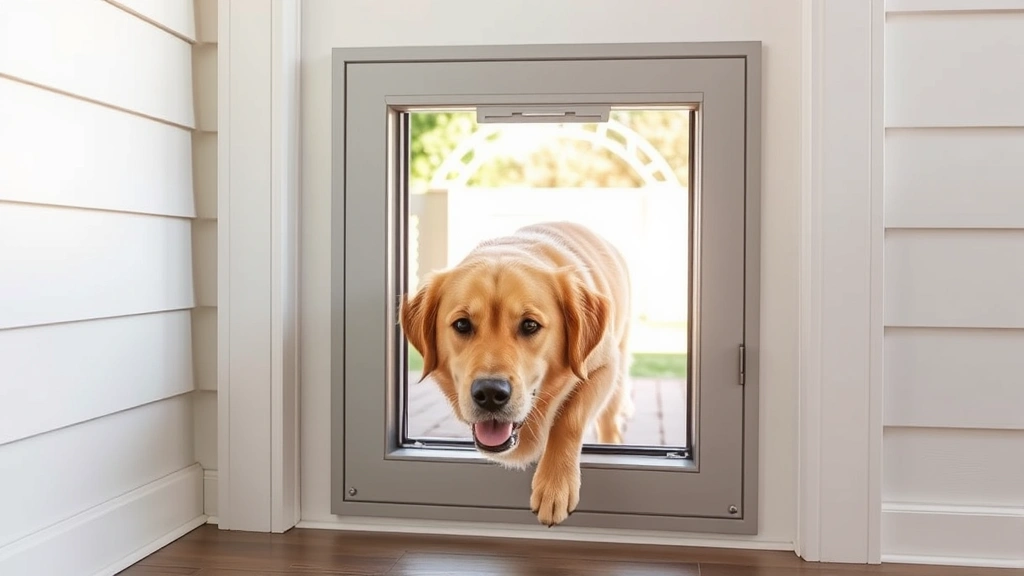
A PetSafe dog door is basically the golden ticket to freedom for your furry friend—and a sanity saver for you. Whether your pup is a tiny Chihuahua or a massive Great Dane, these automatic pet doors let your dog come and go as they please without you having to be their personal doorman 24/7. In this comprehensive guide, we’ll break down everything you need to know about PetSafe dog doors, from the different types available to installation tips and honest reviews.
Table of Contents
- What Exactly Is a PetSafe Dog Door?
- Types of PetSafe Dog Doors Available in 2024
- Installation: It’s Easier Than You Think
- Size Matters: Finding the Right Fit
- Energy Efficiency and Home Security
- Battery Life and Maintenance
- Real-World Performance: What Users Actually Say
- Training Your Dog to Use the Door
- Cost Breakdown: What You’ll Actually Spend
- Comparing PetSafe to Competitors
- Common Mistakes to Avoid
- The Bottom Line: Is a PetSafe Dog Door Right for You?
- Frequently Asked Questions
- Final Thoughts
What Exactly Is a PetSafe Dog Door?
Let’s start with the basics. A PetSafe dog door is an electronic or manual pet door system designed to give your dog independent access to the outdoors (or between rooms). The brand PetSafe has been a leader in pet door technology for decades, offering everything from simple flap doors to sophisticated microchip-activated models. Think of it as giving your dog the keys to their own kingdom—minus the responsibility of actually using them wisely.
The beauty of a automatic pet door system is that it eliminates the constant back-and-forth of letting your dog outside. Your pup can potty when nature calls, get their exercise, and enjoy fresh air on their own schedule. Plus, you get to reclaim those brain cells you’ve been using to remember whether Fido went out five minutes ago or thirty minutes ago.
Types of PetSafe Dog Doors Available in 2024
PetSafe offers several different styles, each with its own advantages. Let’s break down the main categories:
Manual Flap Doors: These are the OG pet doors—your dog pushes through a flexible flap, and gravity does the rest. They’re affordable, require no batteries, and work for most dog sizes. The downside? They don’t discriminate, so neighborhood cats, raccoons, or that one weird possum might also use your door.
Microchip-Activated Doors: This is where things get fancy. Your dog wears a collar with a microchip or you use their existing microchip implant. Only your pet can open the door. It’s like having a VIP club, but for your dog. These models are pricier but eliminate the unwanted wildlife visits.
Selective Pet Doors: These use a special collar key that activates the door. Similar benefits to microchip models but with a separate collar component.
Sliding Glass Door Inserts: Perfect for apartments or homes without a dedicated exterior wall. These fit directly into sliding glass door tracks and are surprisingly sleek.
Installation: It’s Easier Than You Think
Here’s the good news—installing a PetSafe dog door isn’t rocket science. Most models come with comprehensive instructions, and the process typically takes 1-3 hours depending on your door type and your handiness level.
For wall-mounted doors, you’ll need to cut a hole in your exterior wall or door. Yes, this sounds intimidating, but PetSafe includes templates to make it foolproof. You’ll need a jigsaw or reciprocating saw, which you can rent if you don’t own one. For glass door inserts, it’s literally just sliding them into the track—no tools required.
Pro tip: If you’re not a DIY person, hiring a handyman to install it costs $100-$300, which is totally worth your peace of mind. Check your local listings or ask neighbors for recommendations. Many pet stores also offer installation services.
Size Matters: Finding the Right Fit
PetSafe makes doors for dogs of all sizes, from tiny toy breeds to giant breeds that weigh as much as a small human. Measure your dog’s height and width (with some breathing room) before purchasing. The wrong size is basically useless—too small and your dog won’t fit, too large and you’re creating an energy-efficiency nightmare and a security issue.
The brand offers small, medium, large, and extra-large models. When in doubt, go slightly larger rather than smaller. Your dog needs to be able to pass through comfortably without scraping their sides.
Energy Efficiency and Home Security
One legitimate concern with any pet door is heat loss in winter and cool air escaping in summer. PetSafe addresses this with insulated flaps and magnetic closures on many models. The microchip-activated doors are particularly efficient because they only open when your specific pet approaches.
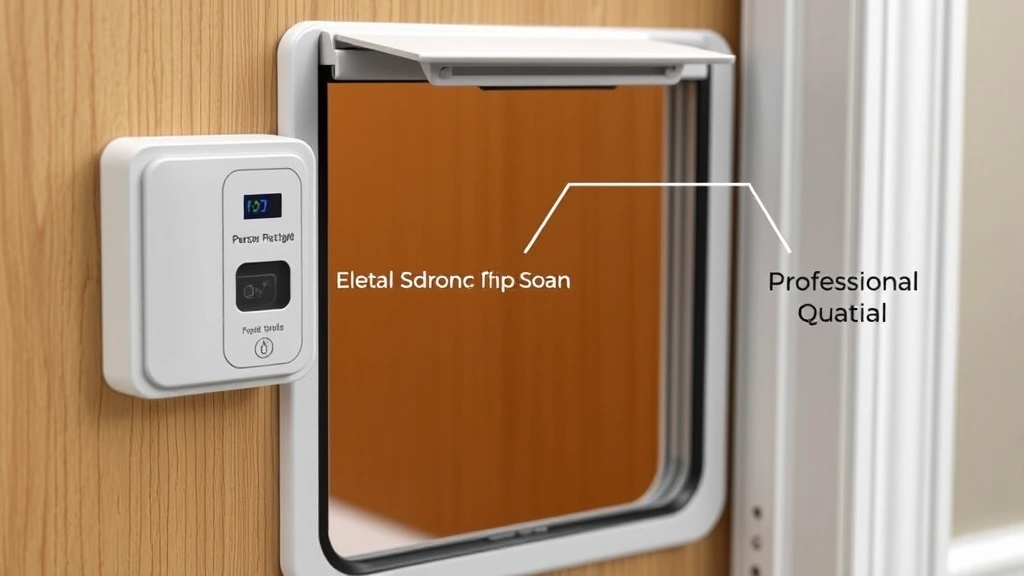
From a security standpoint, a microchip dog door is your best bet. It prevents intruders from easily accessing your home and keeps unwanted animals out. Manual flap doors are convenient but less secure—though in reality, if a burglar wants in, they’re not using your dog door anyway.
Battery Life and Maintenance
Most electronic PetSafe models run on 4 AA batteries and last 12-18 months depending on usage. Some premium models offer solar panel options, which is perfect if your door gets good sunlight. Check battery levels regularly—you don’t want your pup locked out because the batteries died.
Maintenance is minimal. Clean the flap occasionally with a damp cloth, check for debris, and ensure the magnetic seals are working properly. In winter, ice buildup can be an issue, so keep the door area clear of snow and ice.
Real-World Performance: What Users Actually Say
Based on thousands of reviews across 2024, here’s what real PetSafe dog door owners are saying:
What People Love: The microchip models are game-changers for pet owners tired of wildlife invasions. Users consistently praise how much freedom it gives their dogs and how it eliminates constant door-opening. Installation is generally easier than expected. The build quality is solid—most doors last 5+ years.
Common Complaints: Some users report the flap can be noisy in wind. Occasionally, the microchip sensors can be finicky—though this is rare. A few people mention their dogs initially hesitate to use the door, requiring a training period. Battery replacements are an ongoing cost.
Training Your Dog to Use the Door
Not all dogs immediately understand that they can push through the flap. Here’s how to train them:
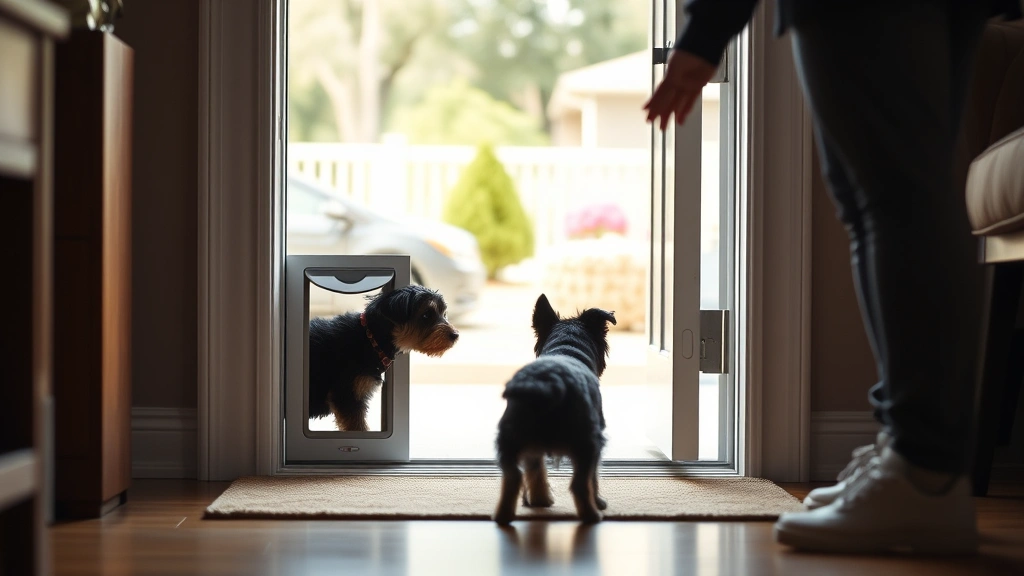
Start with the door propped open so there’s no resistance. Let your dog walk through freely while you praise them enthusiastically. Gradually lower the flap an inch at a time over several days. Use treats on the other side to encourage them to push through. Most dogs catch on within a week, though some stubborn breeds might take longer.
Be patient. Some dogs are naturally cautious about new things. Forcing them through will backfire. Let them explore at their own pace.
Cost Breakdown: What You’ll Actually Spend
Manual flap doors start around $50-$150. Selective pet doors run $150-$300. Microchip-activated models are the priciest at $300-$800+ depending on features. Installation, if you hire someone, adds another $100-$300.
Is it worth it? For most dog owners, absolutely. Think about how much time you’ll save not being a human door service. For low-energy dog breeds that don’t need constant outdoor access, a manual door is fine. For active dogs, the investment pays for itself in convenience and reduced wear-and-tear on your sanity.
Comparing PetSafe to Competitors
PetSafe isn’t the only player in the pet door game. The American Kennel Club recommends researching multiple brands. Other popular options include Ideal Pet Products, Hale Pet Door, and High Tech Pet. PetSafe generally offers the best balance of price, reliability, and availability. Their customer service is responsive, and replacement parts are easy to find.
Common Mistakes to Avoid
Don’t cheap out on installation—a poorly installed door defeats the purpose. Don’t ignore battery maintenance—dead batteries strand your dog. Don’t buy the wrong size thinking your dog will adapt—they won’t. Don’t assume your dog will use it immediately—training is essential. And for heaven’s sake, don’t forget to account for your local climate when choosing insulation features.
If you’re still exploring pet care options, you might also want to check out resources on low energy dog breeds to understand your pet’s specific needs, or learn about mobile dog clippers for grooming convenience.
The Bottom Line: Is a PetSafe Dog Door Right for You?
A PetSafe dog door is an excellent investment if you have a dog that needs regular outdoor access and you’re tired of being their personal door service. The microchip models are worth the extra cost if you live in an area with wildlife or other pets. Manual doors work fine for rural areas or homes without wildlife concerns. Installation is manageable for most people, and the long-term convenience factor is undeniable.
Consider your dog’s age, size, and temperament. Puppies and very old dogs might not be good candidates. Anxious dogs might need extra training time. But for most healthy, adult dogs, a PetSafe dog door is a life-changing upgrade that gives them independence and gives you peace of mind.
Frequently Asked Questions
How long do PetSafe dog doors last?
With proper maintenance, most PetSafe dog doors last 5-10 years. The mechanical components are durable, though the flap material may need replacement after several years of heavy use.
Can I install a PetSafe dog door in a sliding glass door?
Yes! PetSafe offers sliding glass door inserts that fit directly into the track. No cutting required, and they’re easy to install in minutes.
Will a PetSafe dog door work in cold climates?
Absolutely. Choose an insulated model with a magnetic seal. The insulation minimizes heat loss, and many users report their doors function well even in harsh winters. Just keep the area clear of ice and snow.
What if my dog refuses to use the door?
Be patient with training. Start with the flap propped open and gradually lower it. Use high-value treats as motivation. Most dogs learn within 1-2 weeks. If your dog remains resistant after a month, consult a dog trainer.
Are microchip dog doors worth the extra cost?
If you have wildlife concerns or other pets in your neighborhood, absolutely yes. The ability to restrict access to only your dog is invaluable. For rural areas without these concerns, a manual door is sufficient.
Do I need to replace batteries often?
Most electronic models use 4 AA batteries lasting 12-18 months. Keep spare batteries on hand and check levels every few months. Some solar-powered models reduce battery dependency.
Can multiple dogs use the same PetSafe dog door?
Manual and selective doors accommodate multiple dogs easily. For microchip models, you can program multiple microchips, so yes, all your dogs can use the same door.
Will a PetSafe dog door affect my home’s resale value?
Not negatively. Most buyers see it as a convenience feature. If you’re concerned, you can remove it and patch the hole before selling. Check out our blog home for more home improvement tips.
Final Thoughts
Investing in a PetSafe dog door is investing in your dog’s freedom and your own sanity. Whether you choose a simple manual flap or a high-tech microchip model, you’re making your life easier and your dog’s life more enjoyable. The technology is proven, the installation is manageable, and the peace of mind is priceless. Your dog will thank you (probably by ignoring you and enjoying their newfound independence), and you’ll thank yourself every time you’re not interrupted by a demanding pup at the door.





