
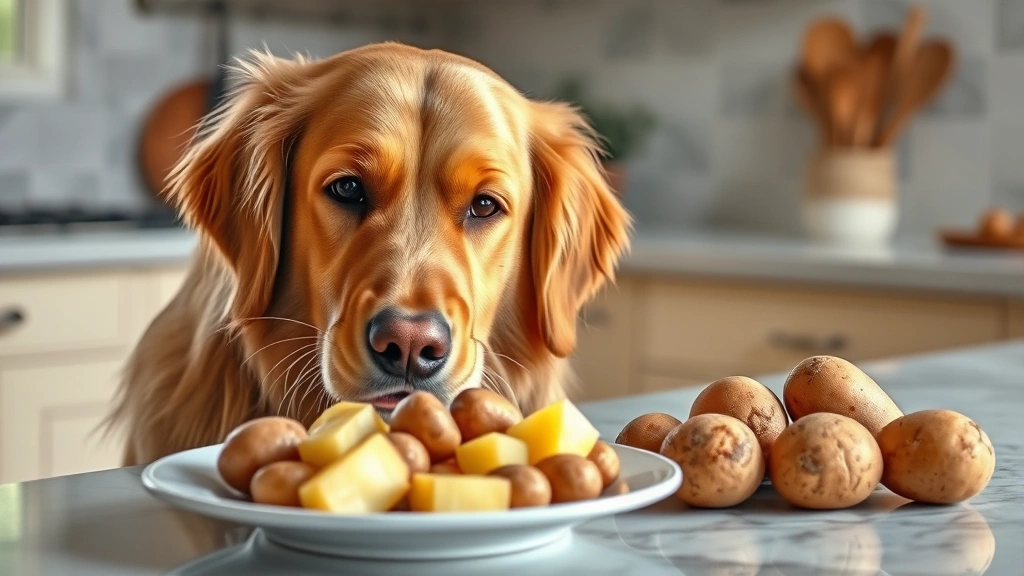
A potato dog isn’t actually a breed—it’s what happens when your furry friend decides that your dinner plate looks way more interesting than their kibble. Whether your pup has sneaked a french fry or you’re wondering if potatoes are safe for dogs, this guide covers everything you need to know about keeping your canine companion healthy and happy around this starchy vegetable.
Table of Contents
- What Exactly Is a Potato Dog?
- Raw Potatoes: The Main Danger Zone
- Cooked Potatoes: The Safer Option
- Sweet Potatoes: The Healthier Alternative
- Portion Control for Your Potato Dog
- Digestive Issues: When Potatoes Cause Problems
- Potato Products to Avoid
- Complementary Foods for Your Dog’s Diet
- What to Do If Your Dog Ate Raw Potatoes
- Training Your Potato Dog to Avoid Temptation
- Frequently Asked Questions
- Conclusion: Keeping Your Potato Dog Safe
What Exactly Is a Potato Dog?
The term “potato dog” typically refers to any dog that has consumed potatoes or potato-based foods. It’s become a humorous way pet owners describe their mischievous mutts who’ve raided the kitchen or stolen a bite of mashed potatoes from grandma’s plate. But beyond the funny name, there’s real nutritional science to understand here.
Potatoes themselves aren’t inherently toxic to dogs, but they require careful preparation and portion control. Raw potatoes and green potatoes contain solanine, a compound that can be harmful to dogs in large quantities. Cooked, plain potatoes without seasoning are generally safe in moderation as an occasional treat.
Raw Potatoes: The Main Danger Zone
Here’s where things get serious with your potato dog situation. Raw potatoes contain solanine, a naturally occurring alkaloid that acts as a pesticide in the plant. When dogs consume raw potatoes, especially green ones (which have higher solanine levels), they risk experiencing gastrointestinal distress and potential toxicity.
Signs that your dog has eaten raw potatoes include vomiting, diarrhea, lethargy, and abdominal pain. The good news? Your dog would need to consume a significant amount of raw potato to experience serious toxicity. A single raw potato slice probably won’t cause major problems, but it’s not something you should encourage.
Green potatoes are particularly problematic because they’ve been exposed to sunlight, which increases solanine production. If you’re storing potatoes at home, keep them in a cool, dark place away from curious noses.
Cooked Potatoes: The Safer Option
When potatoes are cooked, the heat significantly reduces solanine levels, making them much safer for your potato dog. Boiled or baked plain potatoes can actually be a decent occasional treat. However, the operative word here is “plain.”
Loaded baked potatoes with butter, sour cream, chives, or bacon are absolutely off-limits. These additions can cause digestive upset or, in the case of onions and garlic, actual toxicity. Mashed potatoes prepared with milk, butter, or salt are also problematic for most dogs, especially those with sensitive stomachs.
If you want to share a bit of cooked potato with your pup, keep it simple: plain, unseasoned, and in small quantities. Think of it as an occasional treat, not a dietary staple.
Sweet Potatoes: The Healthier Alternative
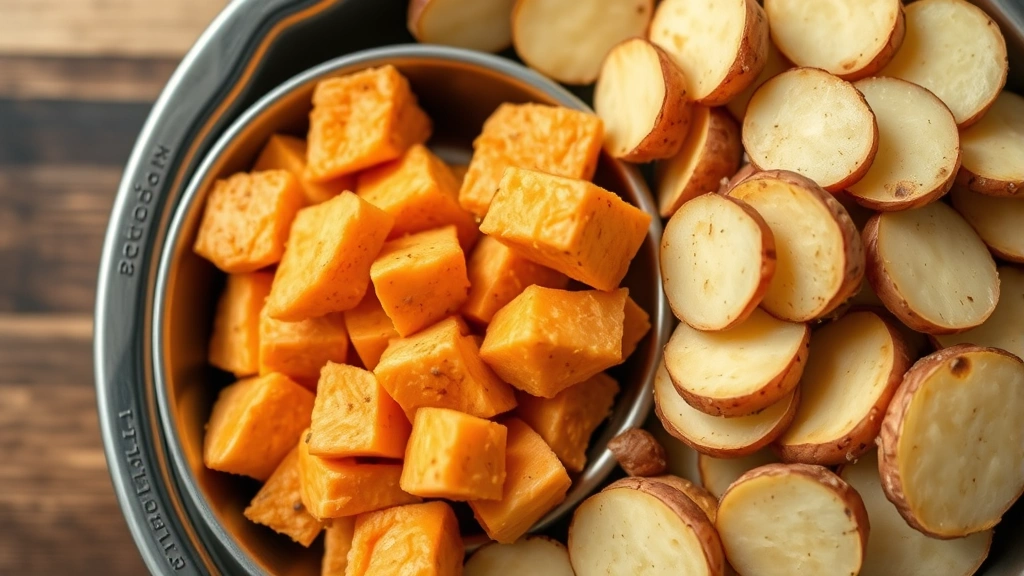
If you’re looking for a potato-based treat that’s genuinely nutritious for your dog, sweet potatoes are a much better choice. Unlike regular potatoes, sweet potatoes are packed with vitamins A, C, and B6, plus beneficial fiber and potassium.
Sweet potatoes are naturally lower in solanine and can be cooked and served plain to your potato dog without worry. Many commercial dog foods actually include sweet potatoes as a primary ingredient because they’re nutrient-dense and generally well-tolerated by dogs of all sizes.
You can serve cooked, plain sweet potatoes as a treat or even mix small amounts into your dog’s regular meals. Just avoid sweet potato fries, chips, or anything with added sugar or salt.
Portion Control for Your Potato Dog
Even safe foods can cause problems if overfed. Potatoes are relatively high in carbohydrates, and excessive carb intake can contribute to weight gain and digestive issues in dogs. The general rule is that treats (including potato treats) should make up no more than 10% of your dog’s daily caloric intake.
For a medium-sized dog, this means a small piece of cooked potato—roughly the size of a dice cube—is an appropriate portion. Large breed dogs might tolerate slightly more, but moderation is key. If you’re unsure about your specific dog’s needs, consult your veterinarian or check out our guide on large breed dog food for more detailed nutritional guidance.
Watch your potato dog’s weight and energy levels. If you notice any weight gain or digestive changes after introducing potatoes, scale back or eliminate them entirely.
Digestive Issues: When Potatoes Cause Problems
Some dogs have sensitive digestive systems that react poorly to potatoes, even when cooked. If your potato dog experiences diarrhea, vomiting, or constipation after eating potatoes, that’s your cue to avoid them going forward.
Every dog is unique, and what works for one pup might not work for another. If your dog has a history of diarrhea or digestive sensitivity, it’s best to skip potatoes altogether and stick with proven safe treats like carrots, apples (without seeds), or green beans.
Additionally, if your dog has diabetes or is overweight, potatoes should be avoided entirely due to their carbohydrate content. Always consult your vet before introducing new foods if your dog has any underlying health conditions.
Potato Products to Avoid
Your potato dog needs protection from more than just raw potatoes. Here’s a list of potato-based products that are absolute no-nos:
French Fries: High in salt and fat, these can cause pancreatitis and weight gain.
Potato Chips: Loaded with salt, seasonings, and often toxic ingredients like onion powder.
Hash Browns: Usually fried in oil and contain added salt and seasonings.
Instant Mashed Potatoes: Often contain additives, garlic, or onion powder.
Potato Skins: Can contain high concentrations of solanine, especially if green.
Potato Starch: While not toxic, it offers minimal nutritional value and is often used as filler in low-quality dog foods.
When evaluating commercial dog foods, check the ingredient list. Look for quality protein sources first, not potato starch. Our review of quality dog food options can help you identify brands that prioritize real nutrition over cheap fillers.
Complementary Foods for Your Dog’s Diet
If you’re looking to add variety to your dog’s diet beyond potatoes, consider these safe alternatives. Rice can be a good dietary addition when served plain and in moderation, providing easily digestible carbohydrates.
Other safe treat options include:
Vegetables: Carrots, green beans, pumpkin, and zucchini are all dog-friendly and nutritious.
Fruits: Apples (without seeds), blueberries, and watermelon are safe in small amounts.
Proteins: Plain cooked chicken, turkey, and beef are excellent treats.
Dairy: Plain yogurt and cheese in small amounts, though avoid if your dog is lactose intolerant.
The key is variety and moderation. Your dog’s primary nutrition should come from a balanced, high-quality commercial dog food or a veterinarian-approved homemade diet.
What to Do If Your Dog Ate Raw Potatoes
Panic isn’t necessary if your potato dog snuck a raw potato. Most dogs won’t experience serious problems from a small amount. However, monitor for symptoms over the next 24-48 hours:
If your dog ate a small amount and shows no symptoms, they’re likely fine. If they ate a large quantity or show any of the above symptoms, contact your veterinarian immediately. Bring information about how much potato was consumed and when, as this helps your vet determine the best course of action.
Your vet might recommend monitoring at home, induced vomiting, activated charcoal, or other treatments depending on the amount consumed and your dog’s symptoms.
Training Your Potato Dog to Avoid Temptation
Prevention is always better than treatment. If you have a potato dog that’s prone to stealing food, establish some ground rules:
Keep potatoes stored securely: Store in a cabinet or pantry your dog can’t access. Keep raw potatoes in a cool, dark place away from curious noses.
Never feed from the table: This teaches your dog that human food is available, encouraging begging and theft.
Use a crate or gate: Keep your dog in a separate area while you’re eating or preparing meals.
Provide appropriate alternatives: Give your dog their own treats during meal times so they feel included without getting human food.
Train the “leave it” command: This is invaluable for preventing your potato dog from eating dangerous items.
Frequently Asked Questions
Can dogs eat potato chips?
No, dogs should not eat potato chips. They’re high in salt, fat, and often contain seasonings like onion powder or garlic powder, which are toxic to dogs. Even a few chips can upset your dog’s stomach, and regular consumption can lead to pancreatitis or obesity.
Are potatoes good for dogs with sensitive stomachs?
Generally, no. Dogs with sensitive stomachs often react poorly to potatoes, even when cooked. Stick with easily digestible options like plain boiled chicken, rice, or pumpkin. Always consult your vet before introducing new foods to a dog with digestive issues.
How much cooked potato can I give my dog?
A small piece—roughly the size of a dice cube for medium dogs—is appropriate as an occasional treat. Remember that treats should comprise no more than 10% of your dog’s daily caloric intake. When in doubt, less is more.
What’s the difference between regular and sweet potatoes for dogs?
Sweet potatoes are nutritionally superior, containing more vitamins and fiber while being lower in solanine. Regular potatoes are higher in carbohydrates and solanine, especially when raw. Sweet potatoes are the better choice if you’re offering potato-based treats.
Is potato starch safe for dogs?
Potato starch isn’t toxic, but it offers minimal nutritional value. It’s often used as a cheap filler in low-quality dog foods. Look for foods with real protein sources first, not starch-based fillers.
What are symptoms of potato poisoning in dogs?
Symptoms include vomiting, diarrhea, lethargy, abdominal pain, and loss of appetite. In severe cases, dogs might experience tremors or seizures. Contact your vet immediately if your potato dog shows any of these signs after eating raw potatoes.
Conclusion: Keeping Your Potato Dog Safe
A potato dog doesn’t have to be a health concern if you understand the risks and take preventative measures. The bottom line is simple: raw potatoes are risky, plain cooked potatoes are okay in tiny amounts, and sweet potatoes are the best option if you want to offer potato-based treats.
Your dog’s primary nutrition should come from high-quality commercial dog food or a veterinarian-approved diet. Treats, including potatoes, should be occasional and limited to small portions. By following these guidelines and staying vigilant about what your pup has access to, you can keep your potato dog healthy, happy, and free from digestive disasters.
When in doubt, consult your veterinarian. They know your individual dog’s health history and can provide personalized recommendations about what treats are appropriate. Your dog’s safety and well-being are always worth the extra conversation.





