

As a responsible dog owner, you’ve likely found yourself questioning whether various household items are safe for your four-legged companion. When it comes to citrus fruits, particularly orange peels, many pet parents are left wondering about the potential risks and benefits. While oranges themselves can be a refreshing treat for dogs in moderation, the question of whether orange peels are safe requires a more nuanced answer.
Understanding what your dog can and cannot safely consume is crucial for their health and wellbeing. Orange peels, while natural, contain compounds that can affect your dog differently than the fruit’s flesh. This comprehensive guide will explore everything you need to know about orange peels and your furry friend’s safety, helping you make informed decisions about what treats to share with your beloved pet.
Orange Peel Safety for Dogs
Orange peels are not safe for dogs to consume and should be avoided entirely. Unlike can dogs eat oranges in small quantities, the peels contain concentrated levels of essential oils and compounds that can be harmful to your pet. The outer skin of oranges contains limonene and linalool, which are toxic to dogs and can cause various health issues ranging from mild gastrointestinal upset to more serious complications.
The ASPCA Animal Poison Control Center lists citrus peels as potentially toxic to dogs. These natural compounds serve as the plant’s defense mechanism against insects and other threats, but they can overwhelm a dog’s digestive system and cause adverse reactions. Even small amounts of orange peel can trigger symptoms in sensitive dogs, making it important to keep all citrus peels away from your pet.
The concentration of these toxic compounds is significantly higher in the peel compared to the fruit’s flesh. While a small piece of orange flesh might be tolerated by most dogs, the same cannot be said for the peel. The waxy coating on many commercially grown oranges may also contain additional chemicals and preservatives that can be harmful to your dog’s health.
Toxic Compounds in Orange Peels
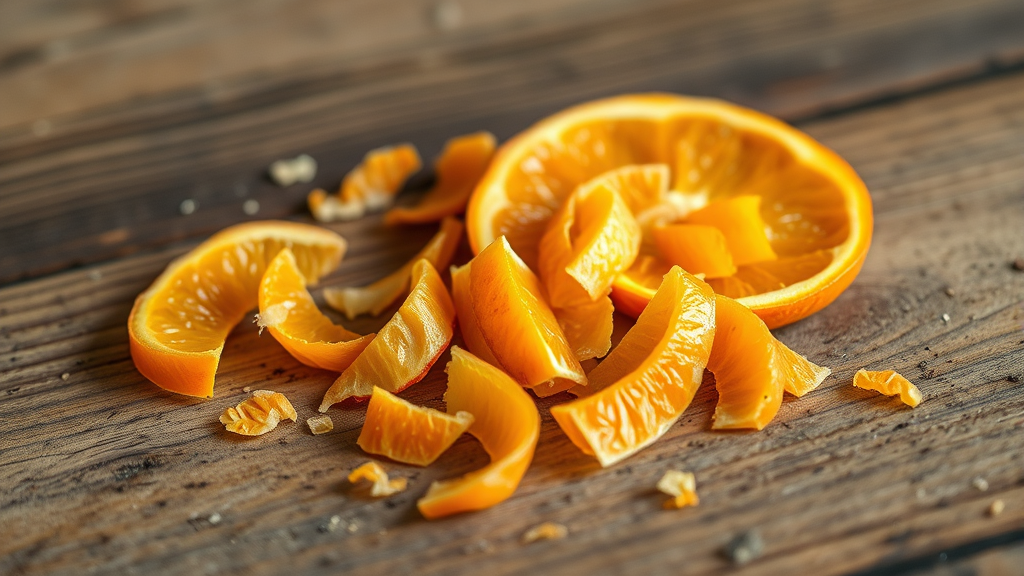
Orange peels contain several compounds that make them unsuitable for canine consumption. The primary concern is the presence of essential oils, particularly limonene and linalool, which are concentrated in the peel’s oil glands. These compounds give citrus fruits their distinctive smell and serve as natural pesticides, but they can be toxic to dogs when ingested.
Limonene, the most abundant compound in orange peels, can cause central nervous system depression in dogs. Even small amounts can lead to symptoms such as drooling, vomiting, and diarrhea. In severe cases, it can cause difficulty breathing and coordination problems. The compound is poorly metabolized by dogs, allowing it to accumulate in their system and potentially cause prolonged effects.
Linalool, another essential oil found in orange peels, can cause similar symptoms and may also lead to liver damage with repeated exposure. The Pet Poison Helpline warns that these essential oils can be particularly dangerous for small dogs or those with existing health conditions. The acidic nature of orange peels can also irritate your dog’s digestive tract, leading to additional discomfort and potential complications.
Psoralen, a compound found in citrus peels, can cause photosensitivity reactions in some dogs. This means that after consuming orange peels, your dog may become more sensitive to sunlight, potentially developing skin irritation or burns with sun exposure. This reaction is more common in dogs with light-colored fur or sensitive skin.
Digestive Concerns and Choking Hazards
Beyond the toxic compounds, orange peels present significant digestive and physical hazards for dogs. The tough, fibrous texture of orange peels makes them difficult for dogs to digest properly. Unlike humans, dogs have shorter digestive tracts and different enzymes, making it challenging for them to break down the complex fibers found in citrus peels.
When dogs consume orange peels, the indigestible material can cause intestinal blockages, particularly in smaller dogs. These blockages can be life-threatening and may require surgical intervention to remove. The irregular shape and tough texture of orange peels make them especially prone to getting lodged in the digestive tract, creating a medical emergency that requires immediate veterinary attention.
Similar concerns apply to other citrus fruits, which is why pet owners should also be cautious about can dogs eat lemons and their peels. The acidic nature of orange peels can also cause gastric irritation, leading to inflammation of the stomach lining and potentially causing ulcers with repeated exposure. This can result in chronic digestive issues and ongoing discomfort for your pet.
Choking is another serious risk associated with orange peels. The size and texture of peel pieces can easily become lodged in a dog’s throat, especially in smaller breeds. Even if the peel doesn’t cause choking, large pieces can cause esophageal irritation as they pass through to the stomach, leading to difficulty swallowing and potential injury to the throat lining.
Symptoms of Orange Peel Toxicity
Recognizing the signs of orange peel toxicity is crucial for every dog owner. Symptoms can appear within minutes to hours after ingestion and may vary in severity depending on the amount consumed and your dog’s size and sensitivity. Early recognition and prompt treatment are essential for the best possible outcome.
Gastrointestinal symptoms are typically the first to appear and may include vomiting, diarrhea, excessive drooling, and loss of appetite. Your dog may also show signs of abdominal pain, such as hunching over, whimpering, or reluctance to move. These symptoms occur as the dog’s digestive system attempts to process the toxic compounds and indigestible material.
Neurological symptoms may develop as the essential oils affect your dog’s central nervous system. These can include lethargy, weakness, difficulty coordinating movements, and in severe cases, tremors or seizures. Some dogs may also experience respiratory distress, including difficulty breathing or rapid breathing, particularly if they have consumed large amounts of orange peel.
According to the American Veterinary Medical Association, behavioral changes such as restlessness, anxiety, or depression may also indicate toxicity. Skin reactions, including redness, itching, or photosensitivity, may occur in some dogs, especially with repeated exposure to citrus compounds.
Safe Citrus Alternatives for Dogs
While orange peels should be avoided, there are safe ways to incorporate citrus flavors into your dog’s diet if desired. Small pieces of peeled orange flesh can be offered as an occasional treat for most dogs, though it’s important to remove all seeds and peel completely. However, even the flesh should be given in moderation due to its natural sugar content and acidity.
When considering citrus options, it’s worth noting that can dogs eat mandarin oranges follows similar guidelines – the flesh in small amounts may be acceptable, but the peels should always be avoided. The same precautions apply to other citrus varieties, as they contain similar toxic compounds in their peels.
For dogs who enjoy citrus flavors, consider safer alternatives such as small pieces of apple (without seeds), blueberries, or watermelon flesh. These fruits provide similar refreshing qualities without the risks associated with citrus peels. Always introduce new foods gradually and in small amounts to monitor your dog’s reaction.
If you’re looking for natural breath fresheners or digestive aids for your dog, consult with your veterinarian about safe options. There are many commercial dog treats and supplements designed specifically for canine digestive health that don’t carry the risks associated with citrus peels. The American Kennel Club provides excellent guidance on safe fruits and vegetables for dogs.
What to Do If Your Dog Eats Orange Peels
If your dog has consumed orange peels, immediate action is important to minimize potential harm. First, remain calm and assess the situation – determine how much your dog consumed and when the ingestion occurred. Remove any remaining orange peels from your dog’s reach to prevent further consumption.
Contact your veterinarian or pet poison control hotline immediately, even if your dog isn’t showing symptoms yet. The ASPCA Animal Poison Control Center operates 24/7 and can provide specific guidance based on your dog’s size, the amount consumed, and current symptoms. Have information ready about your dog’s weight, age, and any current medications.
Do not induce vomiting unless specifically instructed by a veterinary professional, as this can sometimes cause more harm than good. Monitor your dog closely for any symptoms of toxicity, including vomiting, diarrhea, lethargy, or difficulty breathing. Keep your dog comfortable and limit their activity while waiting for professional guidance.
If your dog is showing severe symptoms such as difficulty breathing, seizures, or loss of consciousness, seek emergency veterinary care immediately. Time is critical in cases of severe toxicity, and prompt treatment can make the difference between a full recovery and serious complications. Just as with concerns about can dogs eat lemon peels, professional veterinary guidance is always the safest approach.
Prevention and Safe Practices
Prevention is always the best approach when it comes to keeping your dog safe from orange peel toxicity. Start by establishing clear boundaries about what foods are off-limits and ensure all family members understand these rules. Store citrus fruits in secure locations where your dog cannot access them, such as closed pantries or high counters.
When preparing citrus fruits, dispose of peels immediately in a secure trash container with a tight-fitting lid. Many dogs are attracted to the strong scent of citrus peels and may attempt to retrieve them from open garbage cans. Consider using a dog-proof trash can or keeping the kitchen trash in a closed cabinet during food preparation.
Educate children in your household about which foods are safe for dogs and which should be avoided. Children often want to share their snacks with pets and may not understand the potential dangers of seemingly harmless items like fruit peels. Supervision during snack time can help prevent accidental feeding of inappropriate foods.
Be particularly cautious during holidays and gatherings when citrus fruits may be more prevalent in your home. Orange peels are often used in cooking and decorating, creating additional opportunities for accidental ingestion. Consider creating a designated safe space for your dog during these events, away from food preparation areas.
The same vigilance should apply to other citrus varieties – whether questioning can dogs have mandarin oranges or considering any citrus peel exposure. Consistency in prevention practices will help keep your furry friend safe from all citrus-related hazards.
Frequently Asked Questions
Can dogs eat orange peels in small amounts?
No, dogs should not eat orange peels in any amount. Even small quantities contain concentrated essential oils like limonene and linalool that are toxic to dogs. Unlike the flesh of oranges, which may be tolerated in tiny amounts by some dogs, the peels present significant health risks regardless of quantity consumed.
What should I do if my dog accidentally ate orange peels?
Contact your veterinarian or pet poison control immediately, even if your dog isn’t showing symptoms. Monitor your dog for signs of toxicity including vomiting, diarrhea, lethargy, or difficulty breathing. Do not induce vomiting unless specifically instructed by a veterinary professional, as this can sometimes cause additional harm.
Are some dogs more sensitive to orange peels than others?
Yes, sensitivity can vary based on size, age, and individual tolerance. Smaller dogs, puppies, senior dogs, and those with existing health conditions may be more susceptible to orange peel toxicity. Even dogs who have previously consumed small amounts without obvious symptoms can develop reactions, so it’s best to avoid exposure entirely.
How long do symptoms of orange peel toxicity last?
Symptoms can appear within minutes to hours after ingestion and may last 12-48 hours depending on the amount consumed and how quickly treatment is provided. Mild symptoms like gastrointestinal upset may resolve within a day, while more severe reactions could require several days of veterinary care and monitoring.
Are dried orange peels safer than fresh ones for dogs?
No, dried orange peels are not safer and may actually be more concentrated in toxic compounds. The drying process concentrates the essential oils, potentially making them even more harmful. Additionally, dried peels present the same choking and intestinal blockage risks as fresh peels, along with the added concern of increased toxin concentration.
Can orange peel toxicity cause long-term health problems?
While most dogs recover fully with prompt treatment, severe cases or repeated exposure could potentially cause lasting liver damage or digestive issues. The essential oils in orange peels can accumulate in a dog’s system, and chronic exposure may lead to ongoing health problems. This is why prevention and immediate treatment of any exposure are so important.
What other citrus peels should I avoid giving my dog?
All citrus peels should be avoided, including those from lemons, limes, grapefruits, and other citrus varieties. These all contain similar toxic compounds and present the same risks as orange peels. Even peels from can dogs eat grapefruit or other citrus fruits should be kept away from dogs. The same caution applies to other fruit peels like can dogs eat watermelon peel and can dogs eat cucumber skin, though these present different types of risks.





