

A prong collar for dogs is one of the most misunderstood training tools in the canine world, often villainized by people who’ve never actually used one. But here’s the thing – when used correctly, this tool can be a game-changer for dogs with serious pulling problems, aggression issues, or those stubborn pups who think they’re in charge of the walk (spoiler alert: they’re not).
Table of Contents
- What Exactly Is a Prong Collar?
- How Does a Prong Collar Actually Work?
- Prong Collar Sizing: Getting It Right Matters
- When Should You Use a Prong Collar?
- Training Techniques Using a Prong Collar
- Prong Collar vs. Other Training Tools
- Common Myths About Prong Collars
- Safety Guidelines You Can’t Ignore
- Professional Training: When to Call In the Experts
- Transitioning Away From the Prong Collar
- Is a Prong Collar Right for Your Dog?
- Real-World Results: Success Stories
- Frequently Asked Questions
- Final Thoughts: The Prong Collar Isn’t Evil, But It’s Not Magic Either
Before you start clutching your pearls, hear me out. This guide will break down everything you need to know about prong collars, how they work, when to use them, and most importantly, why proper training matters more than the tool itself.
What Exactly Is a Prong Collar?
Let’s start with the basics. A prong collar for dogs (also called a pinch collar) is a training device made of metal links with blunt prongs that face inward toward your dog’s neck. When your pup pulls, the collar tightens slightly, creating pressure around the neck – mimicking the correction a mother dog would give her puppies.
The key word here is “pressure,” not pain. A properly fitted prong collar distributes pressure evenly around the neck, rather than concentrating it in one spot like a regular leash. Think of it like the difference between someone poking you with one finger versus gently squeezing your arm – one hurts, the other just gets your attention.
How Does a Prong Collar Actually Work?
The mechanics are surprisingly simple. When your dog pulls forward, the collar tightens and creates a corrective sensation. This teaches your pup that pulling = discomfort, so they learn to walk beside you instead of dragging you like a sled dog.
The beauty of this tool is that it’s self-correcting. Your dog controls the pressure – if they stop pulling, the pressure stops immediately. It’s not like a choke chain that stays tight; it releases as soon as your dog eases up on the leash tension.
This immediate feedback loop is why many professional trainers swear by prong collars for dogs with serious behavioral issues. It’s clear communication: “Hey buddy, that behavior doesn’t work anymore.”
Prong Collar Sizing: Getting It Right Matters
Here’s where most people mess up. A poorly fitted prong collar for dogs is worse than useless – it can actually cause injury. You want it snug enough that it won’t slip over your dog’s head, but loose enough to fit two fingers between the collar and their neck.
Measure your dog’s neck circumference and add two inches. Most collars come in sizes ranging from small (8-10 inches) to large (24+ inches). Your vet or a professional trainer can help you get the perfect fit.
Pro tip: Never leave a prong collar on unsupervised. This is a training tool, not everyday wear. Once your dog learns proper leash manners, you can transition back to a regular collar.
When Should You Use a Prong Collar?
Not every dog needs one, and that’s the honest truth. A well-behaved pup on a regular collar? Leave it alone. But if you’ve got a medium outside dog breed that’s stronger than you are, or a dog with serious pulling problems, a prong collar might be exactly what you need.
Common scenarios where trainers recommend prong collars include:
- Dogs with excessive pulling on walks
- Reactive or aggressive dogs during training
- Large breed dogs that outpower their owners
- Dogs transitioning from other training methods
- Dogs with prey drive issues
The American Kennel Club (AKC) acknowledges that various training tools exist, and when used correctly, prong collars can be effective. The emphasis is on “correctly.”
Training Techniques Using a Prong Collar
Just strapping on a prong collar and hoping for the best? That’s not how this works. You need an actual training strategy.
Start with basic leash training. Hold the leash short (about 2-3 feet) and walk with purpose. When your dog pulls, give a quick, firm tug followed by immediate release. Pair this with a verbal cue like “heel” or “walk.” The goal is to teach them that staying beside you is rewarded with a loose leash and freedom.
For dogs with aggression issues, work with a professional trainer who specializes in behavior modification. This isn’t a DIY situation – improper use can make aggression worse.
Remember: the prong collar is a communication tool, not a punishment device. You’re teaching your dog what works and what doesn’t, not punishing them for being a dog.
Prong Collar vs. Other Training Tools
How does a prong collar for dogs stack up against other options? Let’s compare:
Prong Collar vs. Choke Chain: Prong collars distribute pressure evenly; choke chains concentrate it in one spot. Prong collars are safer when used correctly.

Prong Collar vs. Harness: Harnesses are great for low maintenance dogs that don’t have serious behavioral issues. But for a dog determined to pull, harnesses actually encourage pulling by redirecting that force. Prong collars address the behavior directly.
Prong Collar vs. Flat Collar: For most dogs, a flat collar works fine. But for powerful dogs or those with serious pulling problems, a prong collar offers better control and communication.
PetMD notes that choosing the right training collar depends on your dog’s individual needs and your training goals.
Common Myths About Prong Collars
Let’s address the elephant in the room: the myths.
Myth #1: Prong collars are cruel. Reality: When properly fitted and used, they’re no more cruel than a mother dog correcting her puppy. The pressure is distributed and self-correcting.
Myth #2: They damage the trachea. Reality: A properly fitted prong collar sits high on the neck, away from the trachea. Improper fit or misuse could cause issues, but that’s true of any collar.
Myth #3: They’re a quick fix. Reality: They’re a tool, not magic. Training still requires consistency, patience, and proper technique.
Myth #4: Once you use one, your dog will always need one. Reality: Many dogs transition to regular collars once they’ve learned proper leash manners.
Safety Guidelines You Can’t Ignore
Using a prong collar safely means following these non-negotiable rules:
- Always supervise your dog while wearing the collar
- Never leave it on unattended or overnight
- Check the fit regularly – dogs grow, collars wear out
- Never jerk the leash aggressively or out of anger
- Work with a professional trainer if you’re unsure
- Stop using it once your dog learns the behavior
- Never use it for punishment – only for training
Think of it like a seatbelt. Used correctly, it keeps your dog safe. Misused, it causes problems.
Professional Training: When to Call In the Experts
If your dog has serious behavioral issues – aggression, reactivity, or extreme pulling – don’t try to handle this alone. A certified professional dog trainer can assess your situation and determine if a prong collar is appropriate.
Look for trainers certified by organizations like the Certification Council for Professional Dog Trainers (CCPDT) or similar bodies. They’ll teach you proper technique and ensure you’re using the tool correctly.
Your vet can also provide recommendations for trainers in your area, and they can rule out any medical issues that might be causing the behavior.
Transitioning Away From the Prong Collar
Here’s the goal: eventually, your dog won’t need the prong collar anymore. Once they’ve learned that walking politely earns them a loose leash and freedom, you can transition back to a regular collar.
Do this gradually. Start by using the prong collar less frequently, then switching to a flat collar during calm walks. If your dog reverts to pulling, go back to the prong collar briefly and reinforce the training.
Some dogs – especially those with strong prey drive or reactivity issues – might need the prong collar long-term. That’s okay. The point is that they’re trained, safe, and you’re both enjoying your walks together.
Is a Prong Collar Right for Your Dog?
Ask yourself these questions:
- Does your dog pull excessively on walks?
- Are other training methods not working?
- Is your dog’s behavior a safety concern?
- Are you willing to learn proper technique?
- Can you commit to consistent training?
If you answered yes to most of these, a prong collar might be worth exploring. But it’s not a one-size-fits-all solution. Every dog is different, and what works for one might not work for another.
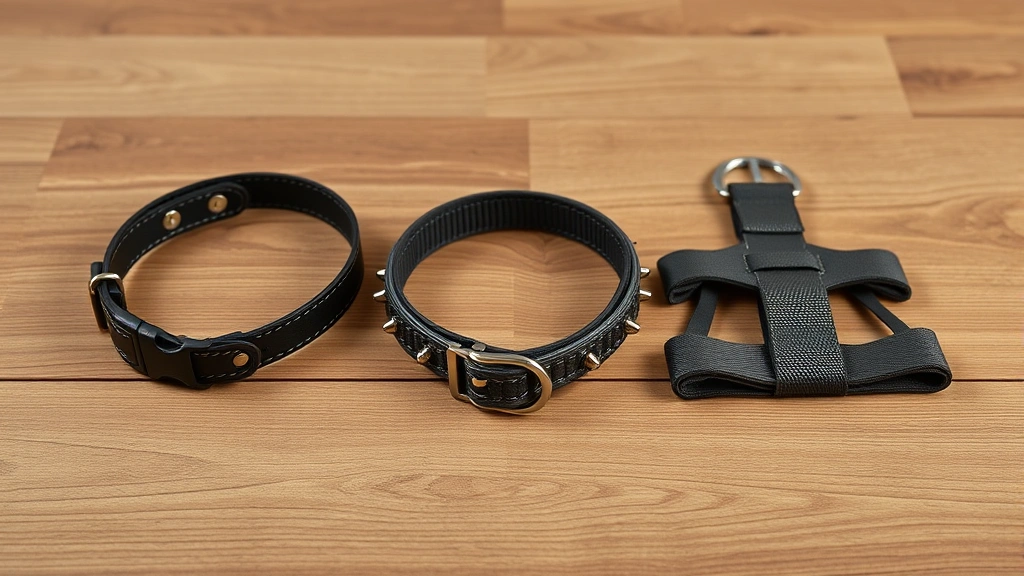
Consider factors like your dog’s age, temperament, size, and training history. A young puppy doesn’t need a prong collar – they need basic obedience training. A senior dog with arthritis might benefit more from a harness to reduce neck strain.
Real-World Results: Success Stories
Countless dog owners have found success with prong collars for dogs that were previously uncontrollable. Owners of large breeds like German Shepherds, Rottweilers, and Pit Bulls often report dramatic improvements in leash manners and overall behavior.
The key in every success story? Consistency, proper technique, and patience. No owner woke up one day, put on a prong collar, and suddenly had a perfectly trained dog. They worked at it, stayed committed, and saw results over weeks and months.
Even if you need to use a prong collar long-term, that’s a win. A dog on a prong collar that walks politely is better than an uncontrolled dog on any collar.
Frequently Asked Questions
Are prong collars illegal?
In most places, no. However, some countries and cities have banned them. Check your local regulations. Even where legal, many facilities (dog parks, trainers, groomers) may prohibit them, so always ask first.
At what age can I use a prong collar?
Most trainers recommend waiting until a dog is at least 6 months old, preferably older. Puppies are still developing, and their necks are delicate. Focus on basic obedience training first.
How long should I use a prong collar?
That depends on your dog. Some dogs learn in weeks; others take months. Use it as long as needed, then transition to a regular collar once the behavior is established. If your dog reverts, you can go back to it.
Can I use a prong collar for small dogs?
Yes, but they need properly sized collars. Small prong collars exist for breeds like Chihuahuas and Toy Poodles. However, smaller dogs often respond to gentler training methods, so explore those first.
What’s the difference between a prong collar and a spike collar?
Prong collars have blunt, inward-facing prongs that create pressure. Spike collars have sharp spikes that point outward. Spike collars are outdated and potentially dangerous – avoid them entirely.
Can I use a prong collar for jumping or other behaviors?
Prong collars are primarily for leash training and walking behavior. For jumping, biting, or other issues, you’ll need different training techniques. Consult a professional trainer.
How much does a prong collar cost?
Quality prong collars range from $20-$80 depending on size and brand. Invest in a good one – cheap collars can break or fit poorly. You might also consider military-grade dog accessories for durability.
Will a prong collar work for dogs with health issues?
If your dog has neck problems, tracheal issues, or other health concerns, check with your vet before using a prong collar. Some dogs simply aren’t candidates for this tool due to their medical status.
Final Thoughts: The Prong Collar Isn’t Evil, But It’s Not Magic Either
A prong collar for dogs is a legitimate training tool when used correctly by informed owners. It’s not cruel, it’s not a shortcut, and it’s not right for every dog. But for the right dog with the right owner using proper technique, it can be incredibly effective.
The key takeaway? Do your research, work with professionals if needed, prioritize your dog’s safety, and remember that the collar is just a tool. The real training happens in your consistency, patience, and commitment to teaching your dog better behavior.
Whether you use a prong collar or not, the goal is the same: a well-behaved, happy dog that you can enjoy taking out into the world. If a prong collar helps you achieve that, great. If other methods work better for your pup, that’s great too.
Your dog doesn’t care what’s around their neck. They care about clear communication, consistency, and the bond you share. Everything else is just details.





