
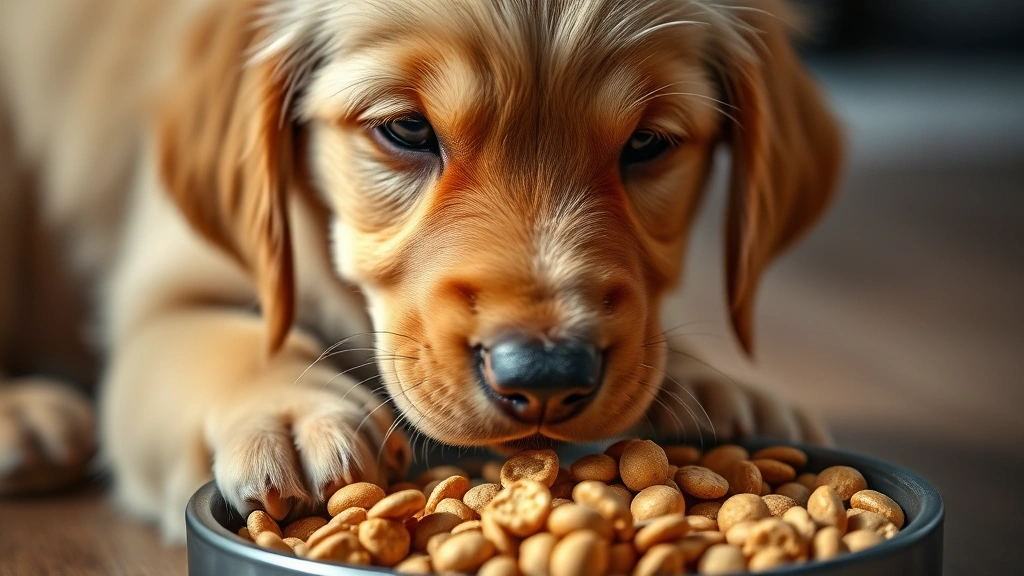
Puppy chow dog food has been a staple in American households for decades, and honestly, it’s the kind of brand that gets passed down through generations like a family heirloom—except this one goes in your dog’s bowl. Whether you’re a first-time puppy parent or a seasoned dog owner, understanding what’s actually in those bags and whether it’s right for your furry friend is crucial. Let’s dig into the nitty-gritty of this iconic brand and figure out if it deserves a permanent spot in your pantry.
Table of Contents
- What Exactly Is Puppy Chow Dog Food?
- Puppy Chow Nutrition: Breaking Down the Formula
- Large Breed Puppies: Special Considerations
- Ingredient Quality: The Real Talk
- Price Point: Why Puppy Chow Is Affordable
- Puppy Chow vs. Premium Alternatives
- Feeding Guidelines: Getting the Amounts Right
- Common Health Concerns and Puppy Chow
- Transitioning Your Puppy to Adult Food
- The Verdict: Is Puppy Chow Right for Your Pup?
- Frequently Asked Questions
What Exactly Is Puppy Chow Dog Food?
Puppy Chow, made by Nestlé Purina, is one of the most recognizable dog food brands on the planet. It’s been around since 1956, which means your grandparents probably fed it to their dogs. The brand specifically formulates its recipes for puppies, focusing on growth and development during those critical early months. But here’s the thing—just because something’s been around forever doesn’t automatically mean it’s the best choice for your pup. We need to look beyond the nostalgia and marketing.
Puppy Chow Nutrition: Breaking Down the Formula
When you crack open a bag of puppy chow dog food, you’re getting a complete and balanced diet designed for growing dogs. The formula typically includes chicken by-products, corn meal, and soybean meal as primary ingredients. Now, before you panic about the word “by-products,” let me explain—these are legitimate ingredients that include organs and other parts of the animal that are actually nutrient-dense. It’s not the sketchy stuff people imagine.

The protein content usually hovers around 22-24%, which is solid for puppies who need fuel for all that running around and growing. Fat content sits at about 12-14%, providing essential fatty acids for brain development and coat health. Puppy Chow also includes added vitamins and minerals, particularly calcium and phosphorus, which are critical for bone development in young dogs. However, the calcium-to-phosphorus ratio is something you’ll want to monitor, especially if you have a large breed dog food situation on your hands.
Large Breed Puppies: Special Considerations
Here’s where things get tricky. If you’ve got a German Shepherd, Great Dane, or Labrador puppy, you need to be extra careful about growth rates. Large breed puppies grow so fast that overfeeding—or feeding the wrong nutrient balance—can cause joint problems and developmental orthopedic disease. Puppy Chow makes a specific large breed formula, but you should also explore large breed dog food options from other manufacturers to compare.

The standard Puppy Chow formula might not have the optimized calcium and phosphorus ratios that large breed puppies truly need. We’re talking about a delicate balance that can affect your pup’s skeletal health for life. It’s worth doing your homework here, especially if you’re dealing with a giant breed.
Ingredient Quality: The Real Talk
Let’s be honest about the ingredient list. Puppy Chow isn’t using human-grade, organic, free-range chicken breast as its primary protein source. It’s using poultry by-products and corn meal as the foundation, which means you’re getting a budget-friendly option that’s been formulated to meet AAFCO standards. That’s not necessarily bad—it’s just not fancy.
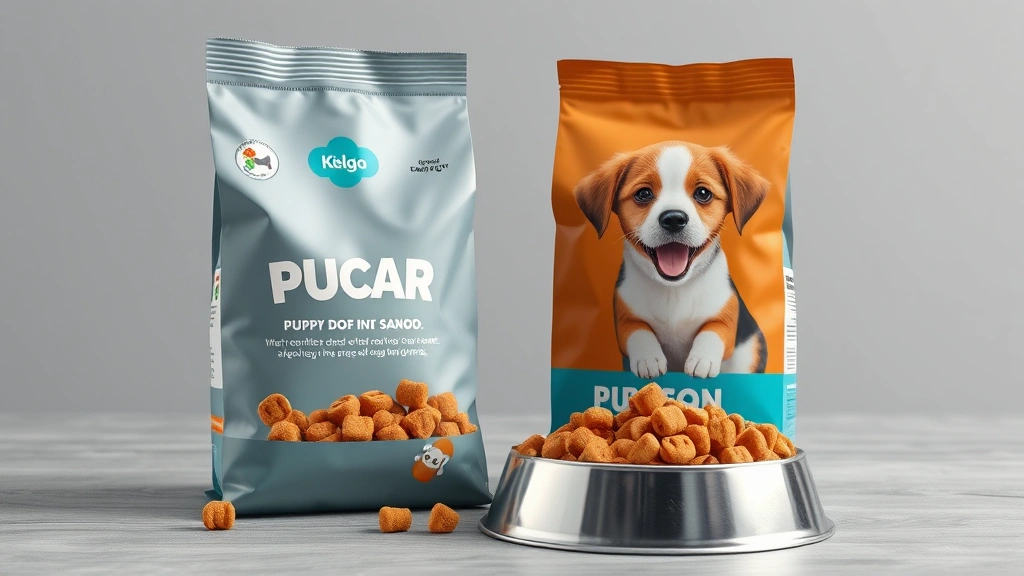
The inclusion of corn and soybean meal as primary ingredients means this food is heavy on grains and plant-based proteins. Some puppies handle this beautifully; others develop sensitivities. If your puppy has a sensitive stomach or you suspect allergies, you might want to explore limited ingredient dog food options that focus on single-protein sources and fewer fillers.
Price Point: Why Puppy Chow Is Affordable
One massive advantage of puppy chow dog food is the price tag. You can typically find it for $15-25 per 30-pound bag, which breaks down to pennies per serving. This affordability is a game-changer for families on a budget, and it’s honestly one reason the brand has maintained its market dominance for nearly 70 years. You’re not paying for premium ingredients or fancy packaging—you’re paying for a functional, complete diet that works for most puppies.

Puppy Chow vs. Premium Alternatives
When comparing puppy chow dog food to premium brands, you’re essentially choosing between economy and specialty. Premium brands like Merrick dog food offer higher-quality proteins, fewer fillers, and more natural ingredients. You’ll pay more—sometimes double or triple—but you might see benefits like shinier coats, better digestion, and fewer health issues down the road. Meanwhile, Purina One sits in the middle ground, offering better quality than basic Puppy Chow while staying more affordable than boutique brands.
The real question is: what’s your puppy’s individual needs? Some puppies thrive on Puppy Chow their entire lives. Others need something more specialized. There’s no one-size-fits-all answer here.

Feeding Guidelines: Getting the Amounts Right
Puppy Chow provides feeding guidelines based on your puppy’s age and expected adult weight. Generally, you’re looking at three to four meals per day for puppies under six months, then transitioning to two meals daily. The amounts vary dramatically—a toy breed puppy might need half a cup per meal, while a Great Dane puppy could need two cups or more.
Here’s the critical part: follow the guidelines on the bag, but watch your puppy’s body condition. You should be able to feel their ribs without pressing hard, and they should have a visible waist when viewed from above. Overfeeding is one of the biggest mistakes new puppy parents make, and it can lead to obesity and joint problems, especially in large breeds.

Common Health Concerns and Puppy Chow
Most puppies do fine on puppy chow dog food, but some owners report digestive issues, particularly loose stools or allergic reactions. The high grain content can trigger sensitivities in some dogs. Additionally, if your puppy develops joint issues later in life, it’s worth considering whether the calcium-to-phosphorus ratio during the growth phase played a role. For puppies prone to joint problems, joint supplements for dogs might be worth discussing with your vet.
Transitioning Your Puppy to Adult Food
Around 12 months (or 18-24 months for giant breeds), you’ll need to transition your puppy from Puppy Chow to an adult formula. Do this gradually over 7-10 days, mixing increasing amounts of the new food with the old. A sudden switch can cause digestive upset. Purina makes adult formulas that align with their puppy line, making the transition seamless, but this is also a good time to reconsider whether you want to stick with the brand or explore other options based on your dog’s health and your budget.
The Verdict: Is Puppy Chow Right for Your Pup?
Puppy Chow dog food is a legitimate, affordable option that meets nutritional standards and works for many puppies. It’s not premium, it’s not trendy, and it’s not going to win any awards for ingredient sourcing. But it’s reliable, accessible, and gets the job done for budget-conscious families. The real decision depends on your puppy’s individual needs, your budget, and your priorities. If your puppy thrives on it, there’s no reason to switch. If you’re seeing digestive issues, poor coat quality, or you have a large breed with growth concerns, it might be time to explore alternatives.
Frequently Asked Questions
Is Puppy Chow dog food safe for all dog breeds?
Puppy Chow is generally safe for all breeds, but large breed puppies might benefit from specialized formulas with optimized calcium and phosphorus ratios. Always consult your vet, especially for giant breeds prone to developmental orthopedic disease.

How long should puppies eat Puppy Chow?
Most puppies transition to adult food around 12 months, though giant breeds might stay on puppy formula until 18-24 months. Check the bag recommendations for your specific breed size.
Can adult dogs eat Puppy Chow?
Technically yes, but it’s not ideal. Puppy formulas have higher calories and different nutrient ratios designed for growth. Adult dogs eating puppy food long-term might become overweight.
What’s the difference between Puppy Chow and Purina Pro Plan?
Purina Pro Plan is a premium line with higher-quality proteins and fewer fillers, while Puppy Chow is the budget-friendly option. Pro Plan costs more but offers better ingredient quality and specialized formulas for specific health needs.
Does Puppy Chow cause allergies?
Some puppies develop sensitivities to the corn, soy, or poultry by-products in Puppy Chow. If your pup shows signs of allergies (itching, digestive issues), consult your vet about limited ingredient alternatives.
Is Puppy Chow grain-free?
No, standard Puppy Chow contains corn and soybean meal. Purina does make grain-free options under different product lines if that’s a concern for your puppy.
Summary: Puppy Chow dog food remains a solid, affordable choice for puppies across all breeds. It’s nutritionally complete, widely available, and trusted by millions of dog owners. However, it’s not a premium option, and individual puppies may have different needs. Consider your puppy’s breed size, health status, and your budget when making the decision. When in doubt, consult your veterinarian—they know your pup’s individual needs better than any review article ever could.





