
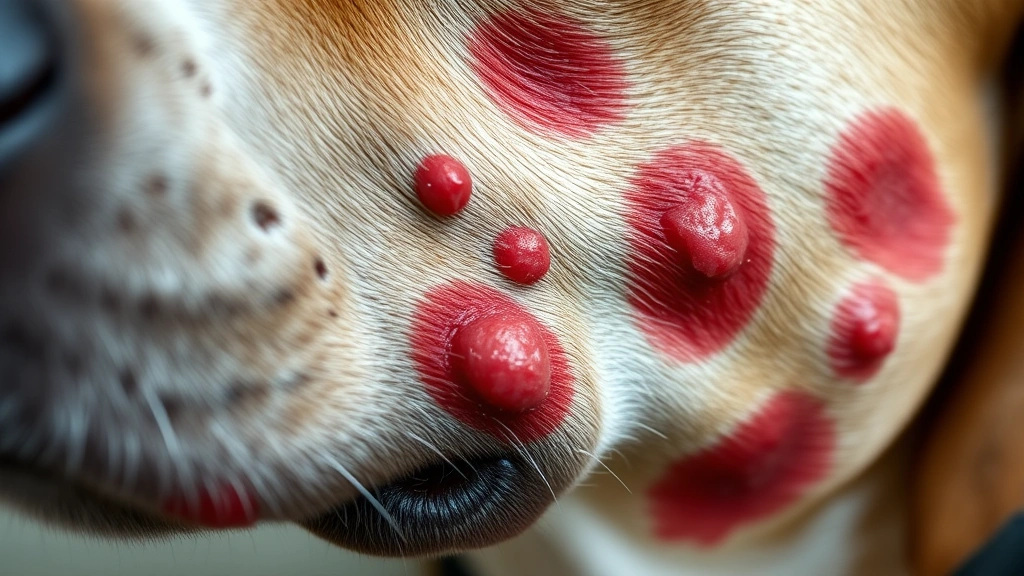
If your dog’s skin looks like it’s hosting a bacterial block party, you might be dealing with pyoderma in dogs—a common skin infection that makes your furry friend about as comfortable as wearing a wool sweater in July. This bacterial skin condition affects countless dogs annually, and the good news? It’s totally treatable once you know what you’re dealing with.
Table of Contents
- What Exactly Is Pyoderma in Dogs?
- Common Symptoms That’ll Make You Say “Uh Oh”
- Solution #1: Prescription Antibiotics (The Heavy Hitters)
- Solution #2: Medicated Shampoos and Topical Treatments
- Solution #3: Identifying and Treating Underlying Causes
- Solution #4: Nutritional Support and Immune Boosting
- Solution #5: Environmental Management and Prevention
- When Pyoderma Gets Serious: Deep vs. Surface Infections
- Natural Remedies and Supportive Care
- Working with Your Vet: Testing and Monitoring
- Frequently Asked Questions
- The Bottom Line on Pyoderma in Dogs
What Exactly Is Pyoderma in Dogs?
Pyoderma literally means “pus-forming skin disease,” which sounds way worse than it actually is. It’s a bacterial skin infection caused primarily by Staphylococcus pseudintermedius, though other bacteria can jump in on the action too. Think of it as your dog’s skin throwing a fit because something disrupted its natural balance. This condition ranges from surface-level annoyances to deep, uncomfortable infections that make your pup miserable.
The infection typically develops when bacteria breach your dog’s skin barrier through cuts, allergies, or other compromised areas. It’s like leaving the front door wide open for unwanted guests—except the guests are microscopic and really, really itchy.
Common Symptoms That’ll Make You Say “Uh Oh”
Your dog will usually broadcast their discomfort loud and clear. Watch for excessive scratching, licking, or chewing at their skin—basically any behavior that screams “I’m uncomfortable.” You might notice red, inflamed patches, pustules (those fun little pus-filled bumps), crusting, or even hair loss in affected areas. Some dogs develop a distinctive musty odor, and their skin might feel warm or hot to the touch.
In severe cases, your pup might develop mange-like symptoms or show systemic signs like lethargy or fever. Don’t ignore these red flags—your vet needs to see your dog sooner rather than later.
Solution #1: Prescription Antibiotics (The Heavy Hitters)
When bacteria decide to throw a party on your dog’s skin, antibiotics are your bouncer. Your vet will likely prescribe oral antibiotics like amoxicillin-clavulanic acid, cephalexin, or fluoroquinolones, depending on the severity and bacterial culture results. These medications work systemically, meaning they travel through your dog’s bloodstream to fight infection from the inside out.
The key here? Finish the entire course even if your dog looks better midway through. Stopping early is how antibiotic-resistant bacteria develop—basically creating super-bacteria that laugh at regular medications. Most dogs show improvement within 2-3 weeks, but treatment typically lasts 4-6 weeks minimum.
Solution #2: Medicated Shampoos and Topical Treatments
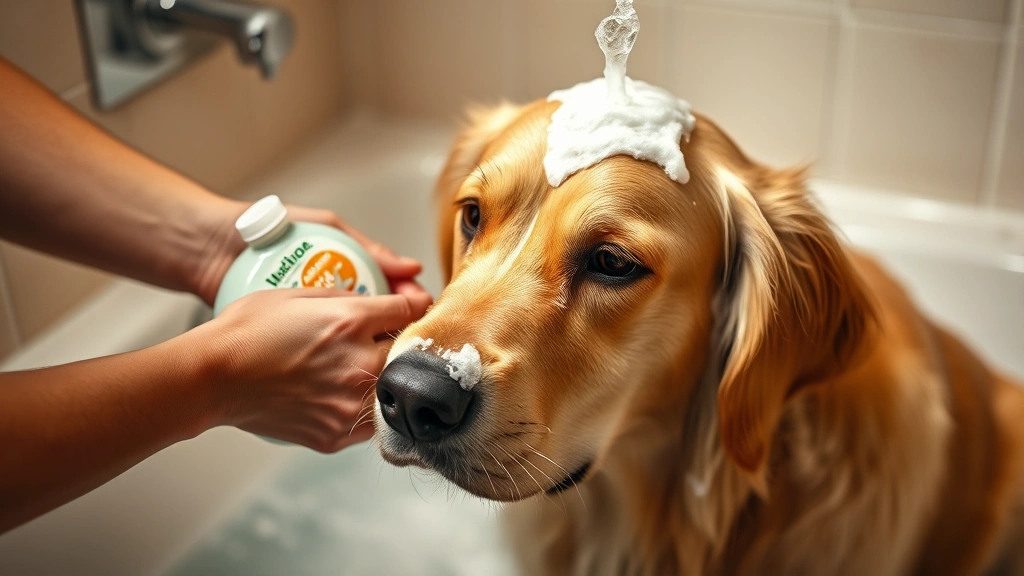
Think of medicated shampoos as your dog’s personal bacterial cleanup crew. Products containing chlorhexidine, miconazole, or benzoyl peroxide work directly on the skin’s surface, killing bacteria and helping flush out infected material. Bathing your dog 2-3 times weekly with these shampoos creates a hostile environment for bacterial growth while soothing inflamed skin.
For targeted treatment, your vet might recommend topical antibiotics like mupirocin ointment for localized infections. While Neosporin safety for dogs is debatable, prescription topical antibiotics are specifically formulated for your pup’s skin pH and are much more effective. Always apply these treatments to clean, dry skin for maximum effectiveness.
Solution #3: Identifying and Treating Underlying Causes
Here’s the thing about pyoderma—it rarely just appears out of nowhere. Usually, something else opened the door for bacterial infection. Allergies (food, environmental, or contact), parasites, hormonal imbalances, or even poor grooming habits can predispose your dog to pyoderma. If you don’t address the root cause, your dog will become a repeat offender, cycling through infections like they’re going out of style.
Work with your vet to identify triggers. If allergies are the culprit, you might need to adjust diet, use antihistamines, or implement environmental changes. If parasites like fleas are involved, establish a solid mange and parasite prevention routine. Treating the underlying condition prevents future infections and saves you money long-term.
Solution #4: Nutritional Support and Immune Boosting
Your dog’s skin is their largest organ, and it needs proper nutrition to function as a protective barrier. Omega-3 and omega-6 fatty acids are absolutely essential for skin health. These healthy fats reduce inflammation, support skin barrier function, and enhance immune response. You can provide these through quality dog food, fish oil supplements, or foods like salmon and flaxseed.
Probiotics are another game-changer. These beneficial bacteria support gut health, which directly impacts skin health and immune function. A healthy gut means better nutrient absorption and stronger immune response to fight off bacterial invaders. Additionally, ensure your dog gets adequate protein, vitamins A, E, and zinc—all crucial for skin repair and bacterial defense.
Solution #5: Environmental Management and Prevention
Prevention beats treatment every single time. Keep your dog’s living environment clean and dry—bacteria love warm, moist spots. Wash bedding regularly in hot water, ensure good air circulation, and keep your dog’s skin dry, especially in skin folds or after bathing. This is particularly important for breeds prone to skin issues.
Regular grooming removes dead skin and debris that bacteria love to colonize. Bathe your dog every 2-4 weeks with gentle, pH-balanced shampoo to maintain skin health without stripping natural oils. Trim nails regularly to prevent scratching damage that creates entry points for bacteria. If your dog spends time outdoors, check for cuts or scrapes regularly and clean them promptly with warm water.
When Pyoderma Gets Serious: Deep vs. Surface Infections
Not all pyoderma is created equal. Surface pyoderma affects only the outermost skin layers and typically responds quickly to treatment. Deep pyoderma, however, penetrates into deeper skin layers and can be stubborn as a mule. Deep infections require longer antibiotic courses (sometimes 8-12 weeks), more aggressive treatment, and careful monitoring.
Some dogs develop recurrent pyoderma, meaning infections keep coming back like unwanted relatives. This usually signals an underlying immune issue, chronic allergy, or hormonal problem that needs investigation. Your vet might recommend additional diagnostics like thyroid panels or allergy testing to get to the bottom of chronic cases.
Natural Remedies and Supportive Care
While antibiotics and medicated shampoos are the MVPs, certain natural remedies provide excellent supportive care. Epsom salt soaks for dogs can reduce inflammation and promote healing when used appropriately. Coconut oil has mild antibacterial properties and soothes inflamed skin—just use sparingly to avoid greasy buildup that traps bacteria.
Oatmeal baths are legendary for their soothing properties. Colloidal oatmeal (finely ground oat powder) reduces itching and inflammation without harsh chemicals. However, remember these are supportive measures, not replacements for veterinary treatment. They work best alongside prescribed medications, not instead of them.
Working with Your Vet: Testing and Monitoring
Your vet might perform a bacterial culture and sensitivity test to identify the specific bacteria and determine which antibiotics work best. This takes a few days but provides crucial information, especially for stubborn or recurrent infections. Cytology (microscopic skin examination) can also reveal the extent of infection and help guide treatment decisions.
Regular follow-up appointments matter. Your vet will monitor your dog’s progress, adjust treatment if needed, and ensure the infection is actually resolving rather than just appearing better. Some infections hide deeper than they seem, so professional oversight prevents incomplete treatment and future flare-ups.

Frequently Asked Questions
How long does it take to treat pyoderma in dogs?
Most cases show improvement within 2-3 weeks of starting treatment, but complete resolution typically takes 4-6 weeks for surface infections and 8-12 weeks for deep infections. Always complete the full course of antibiotics even if your dog looks better.
Can pyoderma in dogs spread to humans?
The bacteria causing pyoderma are typically species-specific and rarely transmit to humans. However, basic hygiene practices like handwashing after handling an infected dog are always smart. Immunocompromised individuals should consult their doctor about specific precautions.
Is pyoderma in dogs contagious to other dogs?
Pyoderma can spread between dogs through direct contact with infected skin or contaminated surfaces. Isolate your infected dog from others during treatment, and wash their bedding and toys separately to prevent transmission.
What’s the difference between pyoderma and other skin conditions like mange?
Pyoderma is a bacterial infection, while mange is typically parasitic. They require different treatments—antibiotics for pyoderma versus antiparasitic medications for mange. Your vet can distinguish between them through examination and testing.
Can diet affect pyoderma in dogs?
Absolutely. Poor nutrition compromises skin barrier function and immune response. High-quality protein, omega fatty acids, and essential vitamins support skin health. Additionally, food allergies can trigger pyoderma in susceptible dogs, so dietary adjustments sometimes prevent recurrence.
Should I bathe my dog more or less during pyoderma treatment?
Bathe more frequently (2-3 times weekly) with medicated shampoo to help clear infection, but use gentle products formulated for healing skin. Avoid over-bathing with regular shampoo, which strips protective oils. Your vet will recommend the ideal bathing schedule for your dog’s specific situation.
The Bottom Line on Pyoderma in Dogs
Pyoderma in dogs is frustrating but absolutely manageable with proper treatment and prevention. The combination of antibiotics, topical treatments, and identifying underlying causes creates a powerful treatment plan that gets your pup back to comfortable living. Don’t delay seeking veterinary care—early intervention prevents complications and reduces treatment duration.
Remember that your dog’s skin health directly impacts their overall wellbeing. By staying proactive about prevention, maintaining good grooming habits, and supporting their immune system through proper nutrition, you’ll minimize pyoderma risk significantly. Your dog will thank you with less scratching and more happy tail-wagging.
If your dog is showing signs of skin infection, schedule a vet appointment promptly. Your veterinarian can confirm pyoderma, prescribe appropriate treatment, and help identify any underlying issues preventing complete healing. With the right approach, your dog will be back to their comfortable, itch-free self before you know it.





