
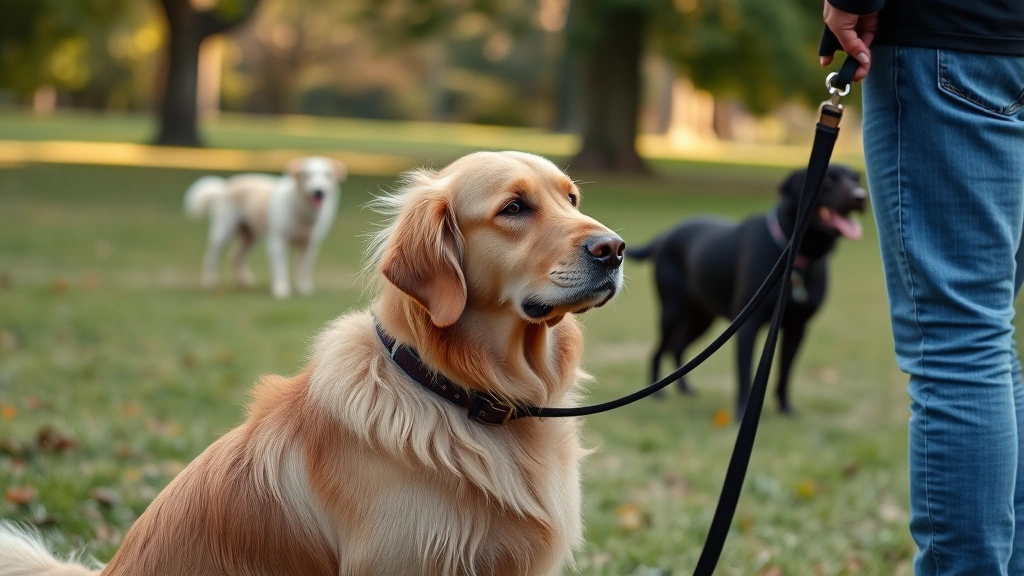
If your dog loses their mind every time a squirrel dares to exist within a five-mile radius, or if they turn into a furry tornado when another dog walks by, you’re dealing with reactive dog training territory. Reactivity in dogs is one of the most frustrating behavioral challenges pet owners face, but here’s the good news: it’s absolutely manageable with the right approach.
Table of Contents
- What Exactly Is a Reactive Dog?
- Method 1: Desensitization and Counter-Conditioning
- Method 2: The “Look at Me” or Focus Command
- Method 3: Increasing Distance and Managing Triggers
- Method 4: Controlled Exposure and Threshold Work
- Method 5: Exercise, Mental Stimulation, and Stress Management
- Choosing the Right Trainer for Reactive Dog Training
- Common Mistakes in Reactive Dog Training
- Understanding Your Dog’s Emotional State
- How Long Does Reactive Dog Training Take?
- When to Seek Professional Help
- Frequently Asked Questions
- Final Thoughts on Reactive Dog Training
A reactive dog isn’t a “bad” dog—they’re just a dog whose threshold for stimulation has been crossed. Whether it’s leash reactivity, barrier frustration, or general overstimulation, reactive dogs need specific training strategies that address the root cause rather than just slapping a band-aid on the problem.
What Exactly Is a Reactive Dog?
Before we dive into reactive dog training methods, let’s clarify what reactivity actually means. A reactive dog is one who overresponds to stimuli in their environment—think lunging at other dogs, barking excessively at strangers, or jumping at every passing bike. The key word here is “overrespond.” Most dogs notice things; reactive dogs have a meltdown about it.
Reactivity differs from aggression, though the line can blur. A reactive dog isn’t necessarily trying to hurt anyone—they’re just emotionally flooded and responding from a place of fear, frustration, or excitement. This is crucial because it changes how we approach training.
Method 1: Desensitization and Counter-Conditioning
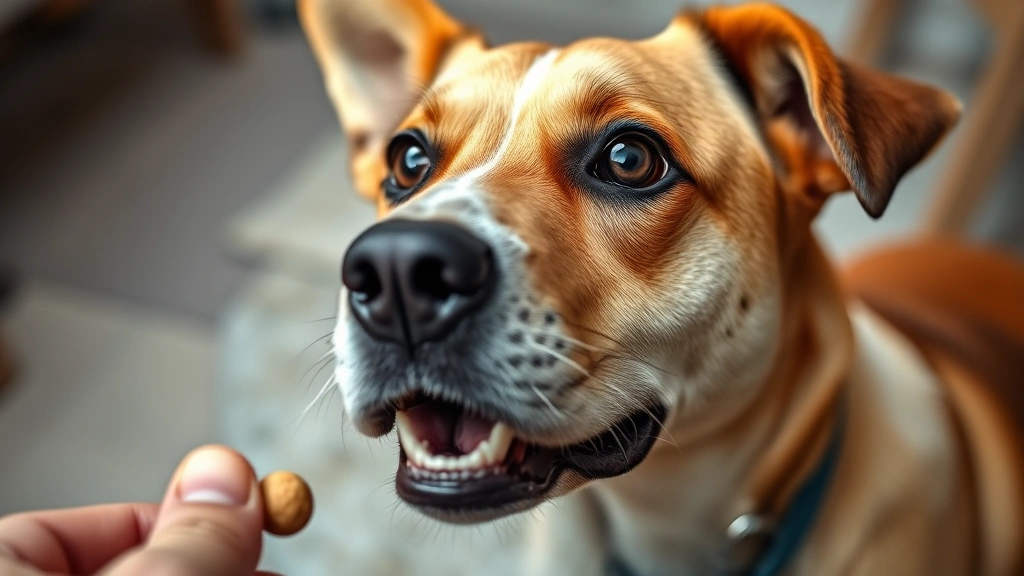
This is the gold standard of reactive dog training, and for good reason. Desensitization means gradually exposing your dog to their trigger at a low enough intensity that they don’t react. Counter-conditioning pairs that trigger with something positive—like treats, toys, or praise.
Here’s how it works in practice: If your dog reacts to other dogs, you start at a distance where they notice another dog but don’t lose their marbles. Reward heavily. Over weeks, you gradually decrease that distance while continuing to reward calm behavior. You’re literally rewiring their brain to think, “Oh, another dog? That means treats are coming!” instead of “INTRUDER ALERT SOUND THE ALARMS.”
The patience required here is real. This isn’t a quick fix. But it’s one of the most effective methods because it addresses the emotional response, not just the behavior.
Method 2: The “Look at Me” or Focus Command
Teaching your dog a reliable focus command gives you a tool to redirect their attention before they hit full-blown reactive mode. Start in a low-distraction environment by rewarding your dog for making eye contact with you. Use a consistent marker word like “yes!” or a clicker, then immediately reward.
Once your dog gets the concept, practice in gradually more distracting environments. The goal is to have a command that essentially means, “Hey buddy, I’ve got something better than that scary/exciting thing over there.” When you see a trigger approaching, you can ask for focus and reward generously.
This is a management tool as much as a training tool. You’re not fixing the underlying reactivity, but you’re giving yourself a way to prevent the reactive outburst from happening in the first place.
Method 3: Increasing Distance and Managing Triggers
Sometimes the simplest solution is the most effective: just avoid the trigger or increase the distance from it. If your dog reacts to other dogs on walks, take a different route. If they react to the mailman, close the curtains or use baby gates to create space.
This might sound like you’re “giving in,” but it’s actually smart management while you work on the underlying training. You’re preventing your dog from practicing the reactive behavior—and here’s the thing: every time a dog practices a behavior, it gets stronger. So by managing the environment, you’re preventing rehearsal of the bad habit while you implement other training methods.
That said, management alone won’t solve reactivity. It’s a tool to use alongside other training approaches. Think of it as buying yourself time while the real training takes effect.
Method 4: Controlled Exposure and Threshold Work
This is where reactive dog training gets specific and nuanced. Your dog has a threshold—a distance or intensity level at which they can see a trigger without reacting. Work at that threshold, not beyond it. If your dog reacts to joggers at 20 feet away, practice at 25 feet where they’re calm.
Gradually, over multiple sessions, you decrease that distance. But here’s the critical part: if your dog reacts, you’ve gone too close too fast. Back up, reset, and try again at a greater distance. You’re looking for that sweet spot where they can observe the trigger with focus and calm behavior.
This method requires patience and consistency, but it’s incredibly effective because you’re working within your dog’s comfort zone while slowly expanding it. It’s not about forcing them to deal with something they can’t handle—it’s about methodically teaching them they can handle more than they thought.
Method 5: Exercise, Mental Stimulation, and Stress Management
Here’s something people often overlook: a dog who’s under-exercised or under-stimulated is going to be way more reactive. It’s like trying to focus on a test when you’ve had six espressos and haven’t moved in three hours—you’re just going to be wound up and reactive to everything.
Make sure your dog is getting adequate physical exercise and mental enrichment appropriate for their age and breed. Check out our article on low energy dog breeds to understand what’s appropriate for your dog’s energy level. A tired dog is a calmer dog, and a calmer dog is easier to train.
Beyond exercise, look at stress management. Some reactive dogs benefit from anxiety-reducing supplements, calming supplements, or even medication prescribed by your vet. There’s no shame in this—sometimes a dog’s nervous system is just wired in a way that benefits from chemical support while you work on behavioral training.
Choosing the Right Trainer for Reactive Dog Training
Not all trainers are created equal, especially when it comes to reactivity. You want someone who understands that reactive dog training requires patience, science-based methods, and individualized approaches. Look for trainers certified by organizations like the American Kennel Club or those who use positive reinforcement methods.
Avoid trainers who promise quick fixes or use punishment-based methods. Punishing a reactive dog usually makes things worse because you’re adding fear on top of their existing emotional dysregulation. You want someone who understands the “why” behind the behavior and can address it systematically.
Common Mistakes in Reactive Dog Training
One huge mistake is moving too fast through desensitization. Your dog isn’t ready? You’re going too fast. Slow down. Another is inconsistency—if you’re managing triggers sometimes but not others, your dog gets confused. Pick a strategy and stick with it.
People also often punish reactivity, which teaches the dog that scary things predict punishment, making them even more reactive. Instead, use the methods above that address the emotional response. Your dog isn’t being “bad”—they’re being reactive because something in their nervous system is triggered.
Understanding Your Dog’s Emotional State
To effectively train a reactive dog, you need to understand what they’re actually feeling. Are they scared? Frustrated? Over-excited? The training approach might differ slightly based on the underlying emotion. A dog reacting from fear needs desensitization and counter-conditioning to build confidence. A dog reacting from frustration (like barrier frustration when they see another dog through a window) might need more impulse control work.
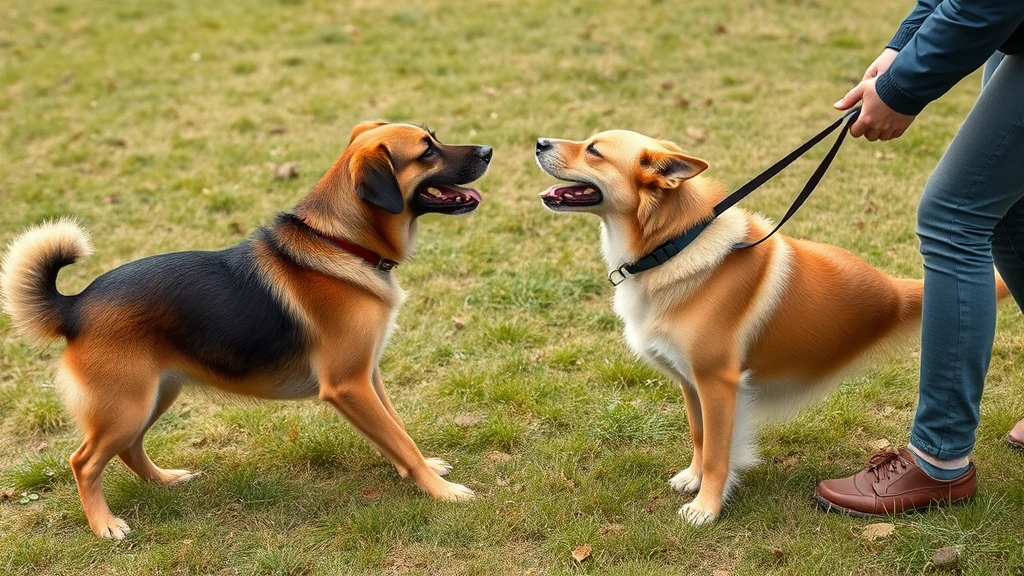
Pay attention to your dog’s body language. Wide eyes, tucked tail, and backing away suggest fear. Stiff body, forward ears, and lunging suggest frustration or excitement. Understanding the difference helps you tailor your approach and can also help you understand if your dog might benefit from assessing whether your dog is happy overall or if there are deeper anxiety issues at play.
How Long Does Reactive Dog Training Take?
This is the question everyone wants answered, and the honest answer is: it depends. Some dogs show improvement in weeks. Others take months. It depends on the severity of reactivity, how long it’s been happening, your consistency, and your dog’s individual temperament.
What matters is that you’re making progress. That might mean your dog can now walk past a trigger at 15 feet instead of 10 feet. That’s progress. Celebrate it. Reactive dog training is a marathon, not a sprint, but the finish line is absolutely reachable.
When to Seek Professional Help
If your dog’s reactivity is severe, involves any aggression, or if you’re not seeing progress after consistent effort, it’s time to call a professional. A certified trainer or veterinary behaviorist can assess your specific situation and create a tailored plan. There’s no shame in this—sometimes reactive dog training needs expert eyes.
Your vet can also help rule out medical issues that might be contributing to reactivity. Pain, thyroid problems, or other health issues can increase reactivity. Check with your vet first, especially if your dog’s reactivity came on suddenly.
Frequently Asked Questions
Can reactive dogs be fully “cured”?
Not always, but they can be managed extremely well. Some dogs overcome their reactivity completely with proper training. Others learn to cope with their triggers and respond appropriately instead of reactively. Either way, your dog can live a happy, normal life. Think of it like managing any behavioral tendency—you’re not erasing it, but you’re teaching your dog better responses.
Is my reactive dog aggressive?
Not necessarily. Reactivity and aggression are different, though they can coexist. A reactive dog is responding to emotional flooding; an aggressive dog is actively trying to harm. That said, if you’re unsure, consult a professional trainer or veterinary behaviorist. They can assess whether your dog’s reactivity has aggressive components.
Can I use punishment to stop reactivity?
No. Punishment-based methods typically make reactivity worse because they add fear and stress to an already dysregulated nervous system. Stick with positive reinforcement and desensitization methods. They work better and won’t damage your relationship with your dog.
What if my dog is reactive to everything?
This suggests your dog might have general anxiety rather than reactivity to specific triggers. Talk to your vet about anxiety management options, which might include medication, supplements, or behavioral modification. You might also check out our article on lethargy in dogs to understand if there are underlying health factors affecting your dog’s emotional state.
Is there medication for reactive dogs?
Yes, some dogs benefit from anti-anxiety medication prescribed by a vet. This isn’t a replacement for training—it’s a tool that makes training more effective by lowering your dog’s baseline anxiety. Talk to your vet about whether medication might help your dog.
Final Thoughts on Reactive Dog Training
Reactive dog training is challenging, but it’s absolutely doable. Whether you’re using desensitization, counter-conditioning, focus commands, or environmental management, the key is consistency, patience, and understanding that your dog isn’t trying to be difficult—they’re just struggling with their emotional response to triggers.
Start with one method, stick with it, and give it time. Track your progress, celebrate small wins, and don’t hesitate to call in a professional if you need help. Your reactive dog has the potential to become a calm, confident companion. It just takes the right approach and a whole lot of treats.
Remember, reactive dog training is a journey, not a destination. Every dog is different, and what works for one might need tweaking for another. Be patient with your pup, be patient with yourself, and trust the process. You’ve got this, and so does your dog.





