
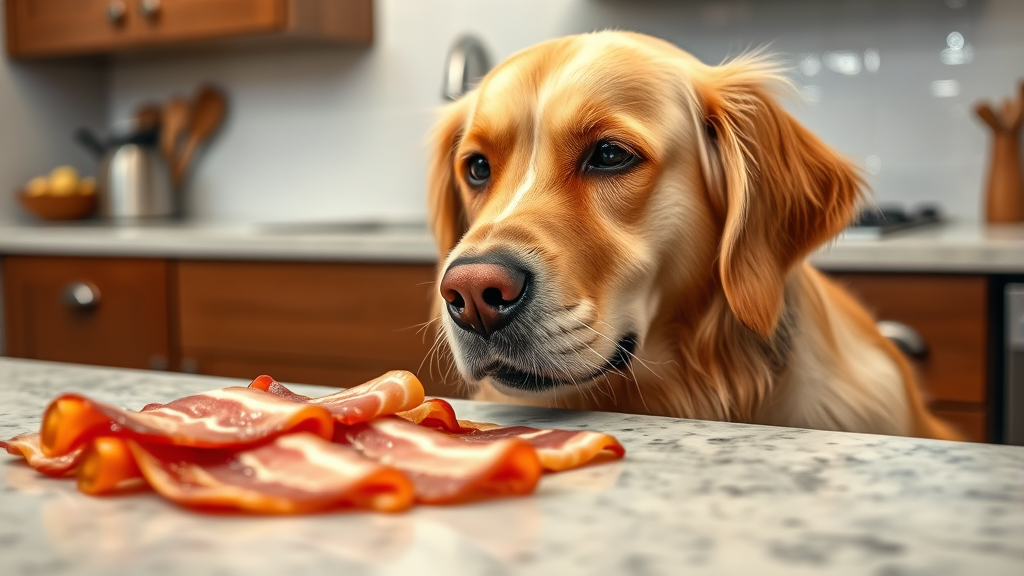
As a dog owner, you’ve likely found yourself in a moment where your furry friend is giving you those irresistible puppy eyes while you’re cooking bacon. The sizzling sound, the enticing aroma – it’s enough to make any dog drool with anticipation. But before you consider sharing that delicious strip of raw bacon with your canine companion, it’s crucial to understand the serious health implications this seemingly innocent treat could have.
Raw bacon poses significant risks to dogs that many pet owners are unaware of. From bacterial contamination to toxic seasonings, the dangers extend far beyond what meets the eye. This comprehensive guide will explore everything you need to know about raw bacon and dogs, helping you make informed decisions about your pet’s diet and safety.
Health Risks of Raw Bacon for Dogs
Raw bacon presents multiple health hazards that make it unsuitable for canine consumption. Unlike humans who can sometimes tolerate certain raw foods when prepared safely, dogs have different digestive systems and immune responses that make them particularly vulnerable to the dangers associated with uncooked pork products.
The primary concern with raw bacon is its potential to carry harmful pathogens. Pork products, especially when uncooked, can harbor dangerous bacteria, parasites, and viruses that pose serious threats to your dog’s health. The FDA emphasizes the importance of proper food handling and cooking to eliminate these risks.
Additionally, bacon contains extremely high levels of fat and sodium, which can trigger acute pancreatitis in dogs. This painful condition can be life-threatening and often requires immediate veterinary intervention. The rich, fatty nature of bacon makes it particularly problematic for dogs, whose digestive systems are not designed to handle such high concentrations of fat.

Bacterial Contamination and Food Poisoning
Raw pork products like bacon are notorious for carrying harmful bacteria that can cause severe food poisoning in dogs. Salmonella, E. coli, and Campylobacter are among the most common pathogens found in uncooked pork. These bacteria can multiply rapidly at room temperature, making raw bacon an especially risky food item.
When dogs consume contaminated raw bacon, they may develop symptoms including severe diarrhea, vomiting, lethargy, and fever. In severe cases, bacterial infections can lead to sepsis, which can be fatal without prompt medical treatment. The Centers for Disease Control and Prevention warns about the serious risks associated with consuming raw pork products.
Young puppies, senior dogs, and those with compromised immune systems are particularly susceptible to bacterial infections from raw meat. Their bodies may not be able to fight off these pathogens effectively, leading to more severe complications. Unlike ground beef, which some owners might consider feeding raw under specific circumstances, raw pork carries significantly higher risks.
Furthermore, dogs infected with these bacteria can potentially transmit them to humans through contact, creating a public health concern. This zoonotic transmission makes raw bacon consumption a risk not just for your pet, but for your entire household.
Nutritional Concerns and Digestive Issues
From a nutritional standpoint, raw bacon offers no benefits to dogs and can actually harm their health. Commercial bacon is loaded with preservatives, artificial additives, and excessive amounts of sodium and fat that dogs simply don’t need in their diet. A typical strip of bacon contains about 3 grams of fat and 185 milligrams of sodium – amounts that can be overwhelming for a dog’s system.
The high fat content in bacon can trigger pancreatitis, a serious condition where the pancreas becomes inflamed. Symptoms include severe abdominal pain, vomiting, diarrhea, and loss of appetite. VCA Animal Hospitals explains that pancreatitis can be acute or chronic and often requires intensive veterinary care.
Dogs with sensitive stomachs or existing digestive issues are at even greater risk when consuming rich, fatty foods like bacon. The sudden introduction of such high-fat content can cause immediate gastrointestinal upset, leading to uncomfortable symptoms that may persist for days.
Unlike appropriate protein sources such as cooked shrimp when prepared properly, raw bacon provides poor nutritional value while introducing unnecessary health risks. Dogs require balanced nutrition that supports their overall health, not treats that could potentially harm them.
Toxic Ingredients and Seasonings in Bacon
Commercial bacon contains numerous ingredients that are toxic to dogs beyond just the raw pork itself. Many bacon products are cured with sodium nitrite and sodium nitrate, preservatives that can be harmful to dogs in large quantities. These chemicals help preserve the meat’s color and prevent bacterial growth, but they’re not intended for canine consumption.
Garlic and onion powders are commonly used to season bacon, and both are highly toxic to dogs. These ingredients can cause hemolytic anemia, a condition where red blood cells are destroyed faster than they can be produced. Even small amounts of these seasonings can be dangerous, especially for smaller dog breeds.
The smoking process used in bacon production can also introduce additional harmful compounds. Polycyclic aromatic hydrocarbons (PAHs) and other potentially carcinogenic substances may be present in smoked meats. While the occasional small piece of cooked bacon might not cause immediate harm, raw bacon presents these risks in concentrated form.
Many bacon products also contain high levels of phosphates and other additives that can stress a dog’s kidneys and liver. These organs work hard to filter toxins from the body, and introducing unnecessary chemicals through inappropriate foods can place additional strain on these vital systems.
Safe Alternatives to Raw Bacon
Fortunately, there are many safe and healthy alternatives that can satisfy your dog’s desire for tasty treats without the risks associated with raw bacon. When considering protein options, it’s important to choose foods that are not only safe but also beneficial for your dog’s health.
Lean, cooked meats like chicken breast, turkey, or beef (when properly prepared) can provide protein without excessive fat content. Unlike processed meats such as salami or beef jerky, which contain harmful preservatives and seasonings, plain cooked meats offer nutritional value without additives.
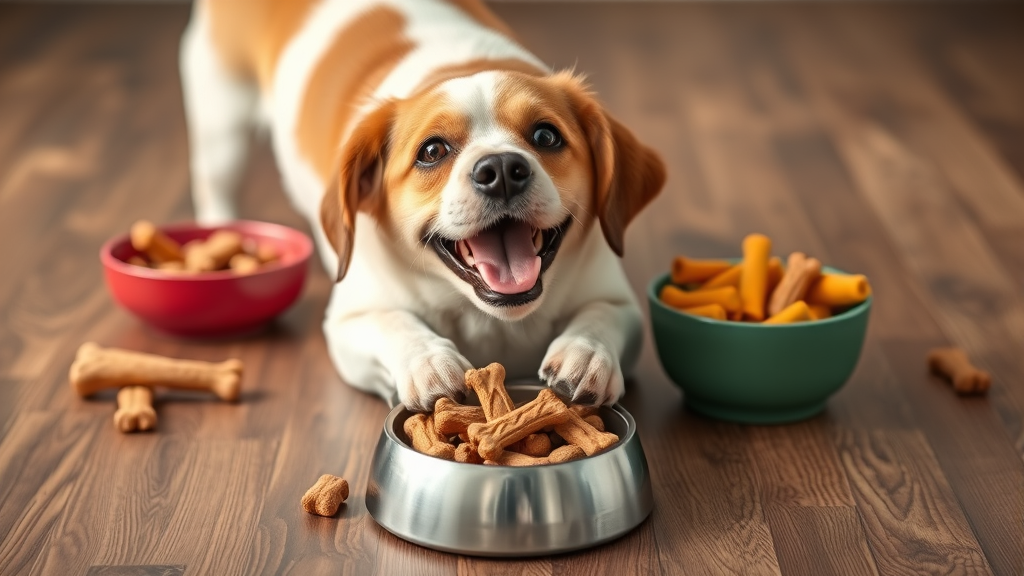
Commercial dog treats specifically formulated for canine nutrition are always the safest option. These treats are designed to meet dogs’ dietary needs while providing the satisfaction of a special snack. Look for treats made with natural ingredients and avoid those with artificial preservatives, colors, or flavors.
For dogs who enjoy the smoky flavor of bacon, there are bacon-flavored dog treats available that capture the taste without the health risks. These products are formulated to be safe for dogs while still providing an enjoyable experience. The American Kennel Club provides guidance on safe treat options for dogs.
Fresh fruits and vegetables can also serve as healthy alternatives. Carrots, apple slices (without seeds), and green beans make excellent low-calorie treats that many dogs enjoy. These options provide vitamins and fiber while helping maintain healthy weight.
What to Do If Your Dog Eats Raw Bacon
If your dog has consumed raw bacon, it’s important to take immediate action while remaining calm. The severity of the situation depends on several factors, including the amount consumed, your dog’s size, and their overall health status. Time is often critical in these situations, so knowing how to respond can make a significant difference.
First, remove any remaining raw bacon from your dog’s reach to prevent further consumption. Note the time of ingestion and estimate the amount consumed – this information will be valuable for your veterinarian. Observe your dog closely for any immediate symptoms such as vomiting, diarrhea, excessive drooling, or signs of distress.
Contact your veterinarian immediately, even if your dog appears fine initially. Many symptoms of food poisoning or other complications may not appear for several hours or even days after consumption. Your vet may recommend bringing your dog in for examination or may provide specific instructions for monitoring at home.
Do not attempt to induce vomiting unless specifically instructed by a veterinary professional. In some cases, this can cause more harm than good, especially if your dog has already begun showing symptoms or if significant time has passed since ingestion.
Keep a close eye on your dog for the next 24-48 hours, monitoring for symptoms such as lethargy, loss of appetite, abdominal pain, vomiting, or diarrhea. Any concerning symptoms warrant immediate veterinary attention. The ASPCA Animal Poison Control Center provides 24/7 assistance for pet emergencies.
Prevention and Safe Food Storage
Preventing accidental consumption of raw bacon and other harmful foods requires proactive measures and awareness from all household members. Creating a safe environment for your dog involves both proper food storage and education about what foods pose risks.
Store raw bacon and other meats in secure containers or areas that your dog cannot access. This includes keeping items out of reach on high counters, in closed refrigerators, and in sealed pantry areas. Remember that some dogs are remarkably resourceful when it comes to reaching food they desire.
Educate all family members, especially children, about the importance of not sharing human food with pets. Create clear rules about feeding the dog and ensure everyone understands that only designated dog food and approved treats should be given to your pet.
When cooking with bacon or other potentially harmful ingredients, be mindful of drippings and scraps. Clean up immediately and dispose of waste in secure garbage containers that your dog cannot access. Even small amounts of bacon grease can cause digestive upset.
Consider the risks associated with other processed meats as well. Just as raw bacon is dangerous, other cured meats like ham can also pose health risks due to their high sodium content and preservatives. Understanding these broader food safety principles helps create a comprehensive approach to your dog’s dietary safety.
Regular training and reinforcement of commands like “leave it” and “drop it” can be invaluable in preventing your dog from consuming inappropriate foods. These commands can be lifesavers in situations where your dog encounters dangerous items before you can intervene.
Frequently Asked Questions
Can dogs eat any amount of raw bacon safely?
No, there is no safe amount of raw bacon for dogs. Even small pieces pose risks due to bacterial contamination, high fat content, and toxic seasonings. The risks associated with raw pork products make them unsuitable for canine consumption regardless of quantity. Instead, stick to dog-appropriate treats that won’t compromise your pet’s health.
What should I do if my dog ate raw bacon while I wasn’t watching?
Contact your veterinarian immediately, even if your dog appears normal. Document when the consumption occurred and estimate the amount eaten. Monitor your dog closely for symptoms like vomiting, diarrhea, lethargy, or abdominal discomfort. Don’t wait for symptoms to appear before seeking professional guidance, as early intervention can prevent serious complications.
Is cooked bacon safer than raw bacon for dogs?
While cooked bacon eliminates some bacterial risks, it still contains dangerous levels of fat, sodium, and toxic seasonings that make it inappropriate for dogs. Cooked bacon can still trigger pancreatitis and other health issues. Both raw and cooked bacon should be avoided in favor of dog-safe alternatives.
How long after eating raw bacon will symptoms appear in dogs?
Symptoms can appear anywhere from 30 minutes to 72 hours after consumption, depending on the type of contamination and your dog’s individual sensitivity. Bacterial food poisoning symptoms typically develop within 6-24 hours, while pancreatitis may take longer to manifest. This is why immediate veterinary consultation is important regardless of when symptoms appear.
Are some dog breeds more susceptible to bacon-related health issues?
Yes, smaller breeds are generally at higher risk due to their size, and breeds predisposed to pancreatitis (such as Miniature Schnauzers, Yorkshire Terriers, and Cocker Spaniels) face increased danger. Senior dogs and those with existing health conditions are also more vulnerable to complications from consuming inappropriate foods like raw bacon.
Can raw bacon cause long-term health problems in dogs?
Yes, consuming raw bacon can lead to chronic pancreatitis, kidney damage from excessive sodium, and potential complications from bacterial infections. Some dogs may develop food sensitivities or digestive issues that persist long after the initial incident. The American Veterinary Medical Association emphasizes the importance of appropriate nutrition for long-term canine health.
What are the signs of pancreatitis I should watch for after my dog eats raw bacon?
Signs of pancreatitis include severe abdominal pain (your dog may arch their back or assume a “praying” position), persistent vomiting, diarrhea, loss of appetite, lethargy, and fever. Some dogs may also show signs of dehydration or difficulty breathing. If you notice any of these symptoms, seek emergency veterinary care immediately as pancreatitis can be life-threatening without proper treatment.





